View Article

  • Phytochemical Screening and Formulation of Eucalyptus tereticornis SM (Nilgiri) Bioactive component based Herbal Transdermal Patches along with their Preliminary evaluation

  • School of pharmaceutical sciences , Department of Pharmacognosy , Shri Guru Ram Rai University, Dehradun

Abstract

This study examines the creation and evaluation of a herbal transdermal patch with Eucalyptus tereticornis SM extract. Eucalyptus tereticornis SM is known for its bioactive substances, especially alkaloids, flavonoids , tannins , phenolic compounds , saponins , terpenoids , and essential oil. These bioactive components are responsible for the majority of the plants pharmacological and therapeutic activities. The transdermal patch formulation incorporates Eucalyptus tereticornis SM extract into a polymer matrix for controlled and sustained release of active substances through the cellulose membrane. Polymers, plasticisers, and permeation enhancers were tested to improve the mechanical characteristics, adhesiveness, and drug release profile of the patch. In vitro drug release tests using Franz diffusion cells showed that the transdermal patch successfully released Eucalyptus tereticornis SM extract.Objectives:- To develop a new dosing form of the Eucalyptus tereticornis SM extract and Essential oil, including a transdermal patch.Methods:- Eucalyptus tereticornis SM was collected using successive solvent extraction using a soxhlet apparatus and maceration technique. Essential oil was extracted from Eucalyptus tereticornis SM leaves via hydro-distillation using a clavenger apparatus. The transdermal patch containing the Eucalyptus tereticornis SM extract was developed using the solvent casting method.Results:- The optimised formulation has adequate tensile strength, homogenous drug distribution, and long-lasting release, making it a suitable candidate for transdermal drug delivery systems.

Keywords

Eucalyptus Tereticornis Sm Leaves , Harbal Extract , Essential Oil , Hpmc , Ethyl Cellulose , Propylene Glycol , Tween 80 , In Vitro Drug Release , Solvent Casting

Introduction

× Popup Image

1.1 Transdermal Patches: - Transdermal patches are an appealing alternative to conventional dosage forms based on oral and parenteral routes because they can control the concentration of the drug in plasma, reduce the frequency of drug administration, improve the bioavailability of the drug, and be easily applied to the skin. Furthermore, transdermal patches avoid the first-pass metabolism of the oral route and the pain of the parenteral route. Drug uptake into blood circulation can be easily stopped.

They can adjust the drug concentration in plasma, reduce the frequency of drug administration, increase the drug's bioavailability, and be readily applied to the skin. Furthermore, transdermal patches prevent the pain associated with the parenteral route as well as the first-pass metabolism of oral medication. Drug absorption into the bloodstream can be readily prevented by removing the patches from the skin. Thus, transdermal patches are currently more widely recognised than oral and parenteral delivery. Several medications have been manufactured and developed as transdermal patch dosage forms, including nicotine patches, lidocaine patches, ketoprofen patches, meloxicam patches, lidocaine-aspirin ionic liquid patches, and lidocaine-diclofenac ionic liquid patches.[1]

      1. Types of Transdermal Patches
  1. Single-layer Drug-in-adhesive: In this configuration, the adhesive layer not only secures the transdermal patch to the skin but also facilitates the drug's release and absorption into the skin. The single-layer film incorporates the active pharmaceutical ingredient (API) along with all necessary excipients within one layer.
  2. Multi-layer Drug-in-Adhesive: The Multi-layer Drug in gummy layer differs from the single/solo layer patch in that it utilizes multiple adhesive layers to achieve a controlled and predetermined drug release. In contrast, the single layer system is designed for immediate drug release, while another layer facilitates controlled and predetermined drug delivery. The Multi-layer Drug in Adhesive can accommodate two different types of medications.

a) Reservoir system: The reservoir transdermal system includes a distinct layer dedicated to the active pharmaceutical ingredient. The API layer is defined by the incorporation of the medication as a solution or suspension within a liquid compartment that is divided by a semipermeable membrane and an adhesive layer. The adhesive layer is applied as a continuous coating between the skin and the release liner.

b) Matrix system: The matrix system consists of a semisolid matrix that holds drug suspensions and solutions. The medication layer is surrounded by an adhesive layer that allows for skin adhesion and creates a semi-solid matrix. It is often referred to as a "monolithic system". [2]

1.2 Advantages Of Transdermal Drug Delivery System:

Transdermal medication delivery systems provide significant advantages over older methods, including: It is safe and effective, and can be simply discontinued as needed by the patient.
Transdermal drug delivery (TDD) offers several benefits, including limiting hepatic first pass metabolism, improving therapeutic efficiency, and ensuring consistent plasma levels.

The key benefits of TDDS are as follows:

  • The liver's first pass metabolism is avoided.
  • Long-term, consistent and controlled delivery.
  • Direct access to the target or sick spot.
  • Ensure consistent medication concentration in plasma, unlike traditional methods that experience peaks and troughs.
  • Enables use of medicines with short biological half-lives.
  • Easy dose termination for any adverse responses, whether systemic or local.
  • Variations between and within patients.
  • Therapy can be terminated at any moment.
  • Factors like pH, intestinal motility, and food intake do not significantly affect medication   Bioavailability when administered orally.
  • Painless and appropriate administration.
  • Expected and limitless length of activity.
  • Stable absorption is possible in a wide range of unfavourable patient populations.
  •  Improved physiological and pharmacological recovery.
  • Maintain plasma concentrations of strong medicines.
  • Improved patient compliance by elimination of numerous dose profiles.
  • Allows for targeted medicine delivery to specific sites.
  • Ensure appropriateness for self-administration.
  • Avoidance of gastrointestinal incompatibilities.
  • Easy dose termination for any adverse responses, whether systemic or local.
  • Transdermal administration is ideal for drugs that induce gastro-intestinal discomfort as it   Prevents direct effects on the stomach and intestine.
  • Avoiding fluctuations in drug levels.
  • Gel application does not indicate amount or area, but patches do.
  • Reduced adverse effects and improved therapy by preserving plasma levels until the    Conclusion of the dose interval.
  • Ease of stopping drug administration by removing the patch from skin.
    1.     Disadvantages Of Transdermal Drug Delivery System:
  • Only moderately powerful medicines are suitable for TDDS.
  • Local irritation and arrhythmias are possible. Drugs can be denatured by enzymes found in the   epidermis or microorganisms on the skin.
  • Suitable for medications that require low plasma concentrations for activity.
  • The medicine must have appropriate physicochemical qualities to penetrate the stratum corneum.
  • Skin barrier function varies depending on location, individual, and age.
  • Absorption efficiency varies across skin locations.
  • Difficulty adhering to specific skin types, including oily skin.
  • Patches can only be left on an area for a maximum of 7-10 days owing to permeability changes.
  • Transdermal delivery will be challenging if the drug dose exceeds 10 mg/day for therapeutic purposes.
  • Transdermal medication administration has a disadvantage in that the skin acts as a barrier to foreign particles, making it less permeable.
  • Transdermal patches require a sufficient amount of active medication to maintain consistent release. [3]

1.4 Herbal Transdermal Patches: - Herbal transdermal patches are medicated adhesive formulations intended to provide local or systemic therapeutic benefits by delivering herbal active ingredients through the skin at a regulated rate. By avoiding first-pass metabolism and increasing bioavailability, these patches offer an alternative to oral and injectable dosing regimens. Because they are non-invasive, simple to use, and able to maintain continuous medication release, herbal transdermal drug delivery systems are frequently employed. Transdermal patches with analgesic, anti-inflammatory, antibacterial, and antioxidant properties contain a variety of botanical extracts and essential oils, including eucalyptus oil, curcumin, menthol, ginger, and capsaicin. Skin permeability, polymer composition, and penetration enhancers utilized in the formulation all affect how successful these patches are.[4]
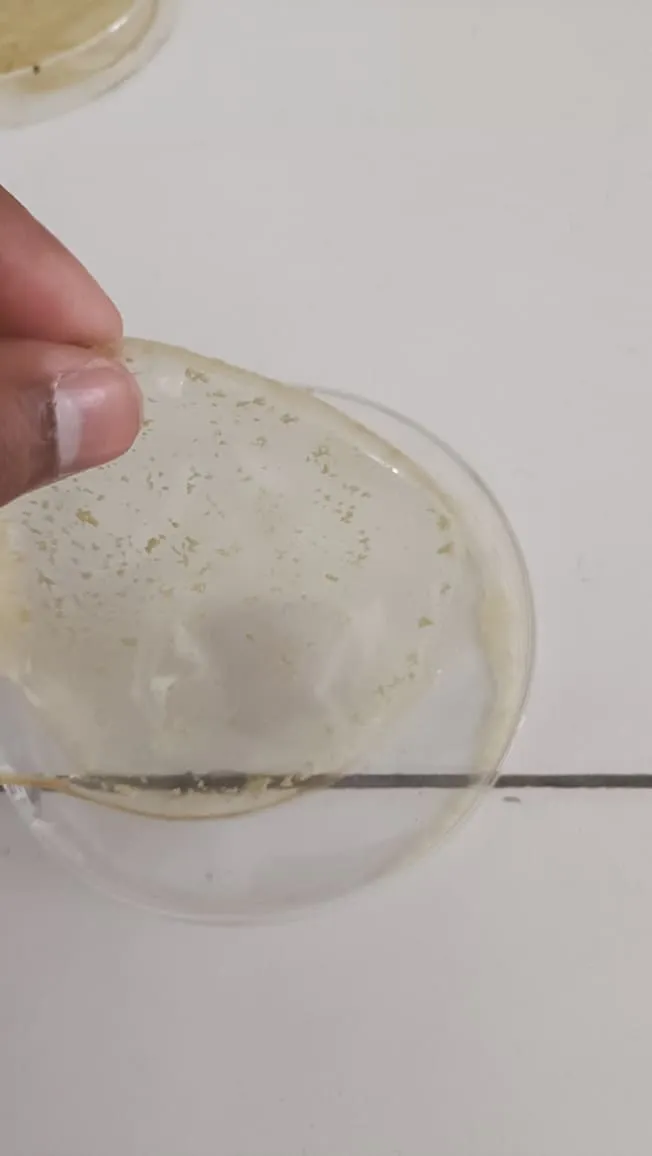


Figure No. 1:  Herbal Transdermal Patch
  1. PLANT PROFILE & REVIEW OF LITERATURE
    1.   Eucalyptus tereticornis S.M.


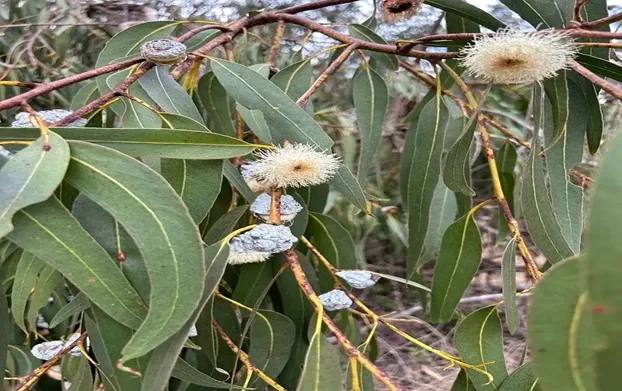
Figure No. 2:  Eucalyptus tereticornis SM


Synonym: - Nilgiri, Blue Gum, Tasmanian Blue Gum , Southern Blue Gum

Classification:-

  • Kingdom:- Plantae
  • Sub Kingdom:- Tracheobionata
  • Super Division :- Spermatophyta
  • Division:- Angiosperm ( Flowering plants )
  • Class:- Dicotyledones
  • Sub Class:- Rosidae
  • Order:- Myrtales
  • Family:- Myrtaceae
  • Genus:- Eucalyptus
  • Species:- tereticornis SM [5]

Eucalyptus tereticornis SM: - Eucalyptus tereticornis, commonly known as Forest Red Gum or Mysore gum, is a fast-growing evergreen tree belonging to the family Myrtaceae. It is commonly grown in tropical and subtropical areas, including India, and is indigenous to Australia and Papua New Guinea. Because of its versatility, quick growth, and economic significance in forestry and agroforestry plants, the species is highly prized. Timber, fuel wood, pulp processing, poles, and medicine are among its common uses.

The tree grows to a height of 30-50 meters and has smooth bark, lance-shaped leaves, white blooms, and hemispherical fruits. The leaves contain essential oils high in substances including citronellal, terpenes, and flavonoids, which contribute to its therapeutic characteristics such as antibacterial, antifungal, antioxidant, and anti-inflammatory effects. Eucalyptus tereticornis is one of the most often planted eucalyptus species in India due to its capacity to thrive in a variety of environments and its short rotation period.[6]

Distribution:- Eucalyptus tereticornis Sm., or Forest Red Gum, is native to eastern Australia and Papua New Guinea. Its native range includes the coastal and sub-coastal regions of Queensland, New South Wales, and Victoria. Because of its quick growth, adaptability, and commercial value, the plant has spread throughout tropical and subtropical countries such as India, Brazil, South Africa, Thailand, and China.

Eucalyptus tereticornis is widely grown in India, particularly in Uttarakhand, Uttar Pradesh, Haryana, Punjab, Tamil Nadu, Andhra Pradesh, and Karnataka, for timber, pulpwood, fuelwood, and afforestation. The species thrives in a variety of soil types and can withstand drought conditions, making it ideal for plantation forestry in both semi-arid and humid environments. It is often found at altitudes ranging from sea level to around 1000 meters and thrives in locations with annual rainfall of 800-1500 mm.[7]

Medicinal Use:- Eucalyptus tereticornis Sm. has numerous therapeutic qualities due to the presence of bioactive components such as flavonoids, tannins, terpenoids, phenolics, and essential oils. The leaves are particularly rich in eucalyptus oil, which has antibacterial, anti-inflammatory, antioxidant, and antiseptic properties.

The plant has traditionally been used to cure respiratory diseases such as cough, cold, asthma, bronchitis, and sore throat by inhaling its essential oil vapors. Leaf extracts are also used to treat wounds, reduce fevers, and relieve muscle pain. Studies have found that Eucalyptus tereticornis extracts have antibacterial and antifungal properties against a variety of pathogenic pathogens. Furthermore, the plant's antioxidant capabilities contribute to the reduction of oxidative stress and the protection of cells from damage.

Because of its therapeutic properties, the essential oil extracted from the leaves is commonly used in pharmaceutical preparations, mouthwashes, liniments, ointments, and herbal formulations.[8]

Phytochemical benefits:- Eucalyptus tereticornis Sm. includes a variety of phytochemicals, including flavonoids, tannins, phenolic compounds, alkaloids, saponins, terpenoids, and essential oils. These bioactive components are responsible for the majority of the plant's pharmacological and therapeutic activities.

Eucalyptus tereticornis essential oil contains chemicals such as 1,8-cineole (eucalyptol), α-pinene, limonene, and citronellal that have powerful antibacterial and anti-inflammatory properties. The leaves contain phenolic compounds and flavonoids, which operate as potent antioxidants, neutralizing free radicals and reducing oxidative stress. Tannins promote wound healing and antibacterial activity, whereas terpenoids are known for their analgesic and antiseptic qualities.

Eucalyptus tereticornis has a variety of biological actions as a result of its phytochemical contents, including antibacterial, antifungal, antioxidant, anti-inflammatory, and insecticidal properties. These characteristics make the plant useful in traditional medicine, pharmaceutical formulations, and herbal product development.[9]

Veterinary and Agriculture uses:- Eucalyptus tereticornis Sm. is widely utilized in veterinary medicine and agriculture due to its antibacterial, insecticidal, and soil-conserving qualities. In veterinary medicine, leaf extracts and essential oils have long been used to treat wounds, skin infections, ectoparasites, and respiratory diseases in animals. Eucalyptus oil's antibacterial and anti-inflammatory qualities serve to prevent microbiological infections and promote healing in animals. Eucalyptus oil vapors are also utilized to treat respiratory congestion in livestock and poultry.

Eucalyptus tereticornis is used extensively in agroforestry and plantation systems. The species is grown for lumber, fuelwood, paper pulp, fence posts, and windbreaks. Its rapid growth and adaptability make it ideal for afforestation and reclamation of degraded areas. The essential oil and leaf extracts have insecticidal and pesticidal properties against many crop pests and storage insects, minimizing the need for synthetic pesticides. Additionally, eucalyptus plantations contribute to soil protection and the strengthening of the rural economy through commercial forestry techniques.[10]

Cosmetic Uses:- Eucalyptus tereticornis Sm. is frequently utilized in cosmetic and personal care products because of its essential oil, which has antibacterial, antioxidant, anti-inflammatory, and refreshing characteristics. The leaves include bioactive substances such as eucalyptol (1,8-cineole), flavonoids, and terpenoids, which are beneficial in skin and hair care products.

Eucalyptus oil is often used in soaps, creams, lotions, shampoos, face washes, and perfumes due to its pleasant scent and cleansing function. Its antibacterial function reduces acne-causing germs and prevents skin infections, while the anti-inflammatory effect calms sensitive skin. Eucalyptus oil is used in hair care products to reduce dandruff, enhance scalp hygiene, and promote healthy hair development. The oil's cooling and refreshing effect makes it suitable for aromatherapy items, massage oils, and spa preparations.

Eucalyptus tereticornis extracts, with their antioxidant capabilities, may help protect the skin from oxidative damage and premature aging, making them a useful element in herbal cosmetic compositions.[11]

3. MATERIALS & METHODOLOGY:

3.1 Collection and Authentication:-

  • The Selected plant species Eucalyptus tereticornis SM leaves were collected from local areas of Dehradun, Uttarakhand and washed with sterile water, dried in shade.
  • The sample was then powered in an electrical grinder.
  • The plant was authenticated also from Botanical Survey of India, Dehradun, Uttarakhand under accession no. 248195.

3.2  Material and Ingredients:

  • Plant materials:- Eucalyptus tereticornis SM leaves


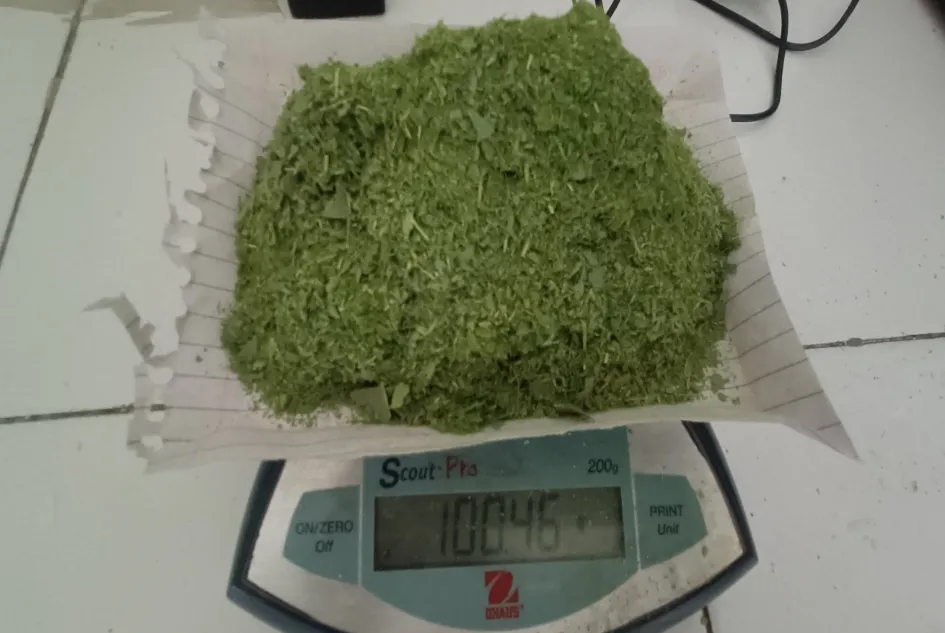
Figure No. 3:  Eucalyptus tereticornis SM leaves powder

  • Chemical and Solvent:-

Solvent for extraction: -:     Distilled Water,

                                     Petroleum Ether,

                                      Chloroform,

                                      Ethanol

 Chemicals for formulation: - HPMC,

                                               Ethyl Cellulose,

                                                Propylene Glycol,

                                                Tween 80 [12]

3.3 Evaluation of Physiochemical parameters of selected plant species i.e. Eucalyptus tereticornis SM  Leaves : 

  • Loss on drying (LOD) - Loss on drying is the loss of mass expressed as percent w/w. An accurately weighed quantity of about 1- 2gm of powdered drug was taken in a tarred china dish. The china dish kept open in oven and the sample was dried at a temperature between 100°C to 105°C for 2hrs until constant weight was recorded. Then it was cooled in a desiccator, weighed & recorded. Percentage Loss on drying was calculated using the following formula: [13]

% Loss on drying= Loss in weight of sample X 100

                                     Weight of sample

  • Ash values- Ash value are helpful in determining the quality and purity of crude drug, especially in the powdered form. Vegetable drugs are ashed in order to get rid of any organic material that would otherwise interfere with an analytical result. When burned, crude pharmaceuticals typically leave behind an ash that contains phosphates, carbonates, and silicates of sodium, potassium, calcium, and magnesium.  
  • Total Ash value- Weighed accurately about 2- 3gm of powdered drug in a tarred silica crucible, incinerated at a temperature not exceeding 450°C for 4 hrs, until free from carbon, cooled and weighed. Total ash value was calculated using the following formula:

                                 % Total Ash value = Wt. of total Ash/ Wt. of crude drug taken X 100

  • Water-soluble ash value- Boiled the ash with 25ml of water, filtered and collected the insoluble matter on an ashless filter paper, washed with hot water and ignited in a tarred crucible at a temperature not exceeding 450°C for 4hrs. Cooled in a desiccator and weighed. Calculated the percentage of water-soluble ash with reference to the air- dried drug using the following formula:

% Water soluble ash value= Wt. of total ash- Wt. of water insoluble ash X 100

                                  Wt. of crude drug taken

  • Acid-insoluble ash value- Boiled the ash with 25ml of 2M HCl, filtered and collected the insoluble matter on an Ash less filter paper, washed with hot water and ignited in a tared crucible at a temperature not exceeding 450°C for 4hrs. Cooled in a desiccator and weighed. The percentage of acid insoluble ash with reference to the air- dried drug was calculated using the following formula: [14]

                           % Acid insoluble ash value= Wt. of acid insoluble ash X 100

                          Wt. of crude drug taken

  • Extractive values:
  • Alcohol soluble extractive value- 5gm accurately weighed coarse powdered drug was macerated with 100ml of alcohol (90% v/v) in a stoppered flask for 24hrs, shaking frequently during first 6hrs. It was then filtered through a filter paper. 25ml of alcoholic extract was evaporated to dryness in a tarred china dish and weighed. The percentage w/w of alcohol soluble extractive with reference to the air- dried drug was calculated using the following formula:

% Alcohol soluble extractive value = Wt. of residue X 80

  • Water soluble extractive value- 5gm accurately weighed coarse powdered drug was macerated with 100ml of chloroform water I.P in a stoppered flask for 24hrs, shaking frequently during first 6hrs. It was then filtered through filter paper. 25ml of chloroform water was evaporated to dryness in a tared china dish and weighed. Calculated the percentage w/w of water-soluble extractive with reference to the air- dried drug using the following formula:

                      % Water soluble extractive value= Wt. of residue X 80 [15]

3.4   Extraction (By Maceration Process): The Maceration procedure is a simple and commonly utilized method for extracting Phytochemicals from Eucalyptus tereticornis Sm. leaves. This approach involves soaking dried and powdered plant material in a suitable solvent for a set period of time to dissolve the bioactive components. Depending on the Phytochemicals to be extracted, the solvent used will be mostly distilled water.

Procedure
  Fresh Eucalyptus tereticornis leaves were collected, washed, and shade-dried.
  • A grinder was used to finely ground the dried leaves.
     
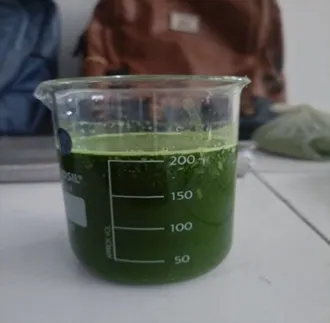
  • A measured 20gm of leaf powder was placed in a clean Beaker.
  • The powder was soaked in 200 ml distilled water.
  • The mixture was stored at Room temperature for 48-72 hours, with occasional shaking or stirring to increase extraction efficiency
  • After maceration, the mixture was filtered using normal filter paper.
  • The obtained aqueous extract was stored in airtight containers for future phytochemical studies. [16]


Figure No. 4: Maceration

3.5   Extraction by Hot Continuous Successive Percolation method (By Soxhlet Apparatus):

Successive solvent extraction using Soxhlet apparatus is a commonly employed method for extracting Phytoconstituents from Eucalyptus tereticornis Sm. leaves. This technique utilizes solvents of increasing polarity to obtain a wide range of bioactive compounds such as terpenoids, flavonoids, tannins, phenolics etc.

Procedure:

  1. Fresh leaves of Eucalyptus tereticornis SM were collected washed, shade-dried, and powdered.
  2. The powdered material was packed then into a thimble made of filter paper and placed inside the Soxhlet extractor.
  3. Extraction was carried out successively with solvents in increasing order of polarity, commonly:
    • Petroleum ether
    • Chloroform
    • Ethyl acetate
    • Ethanol or Methanol
  4. Each solvent was heated separately in the round-bottom flask, allowing the solvent vapors to condense and continuously pass through the plant material.
  5. The extraction cycle continues for several hours (usually 6–8 hours per solvent) until the solvent in the siphon tube becomes colorless.
  6. After completion of each extraction, the solvent extract was filtered and concentrated using a Rotary evaporator under reduced pressure.
  7. The dried extracts were weighed, stored in airtight containers, and used for phytochemical screening and biological studies.

The successive Soxhlet extraction method improves extraction efficiency because different solvents dissolve different groups of phytochemicals based on their polarity. Non-polar solvents extract fats and terpenoids, while polar solvents extract flavonoids, glycosides, tannins, and phenolic compounds [17].
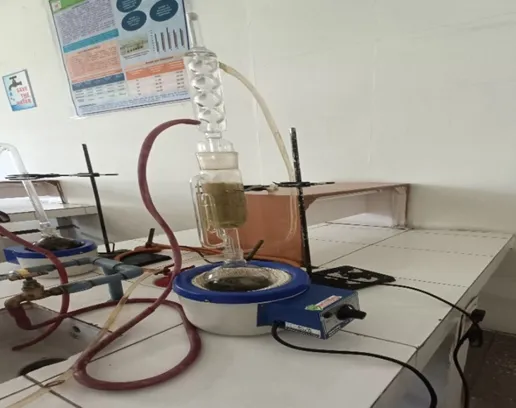


Figure No. 5: Extraction using Soxhlet apparatus by Hot continuous percolation method

3.6   Isolation of Eucalyptus tereticornis SM leaves Essential Oil (By Clevenger apparatus) :                                                                                                                  

Essential oil from Eucalyptus tereticornis Sm. leaves is commonly extracted by the hydro distillation method using a Clevenger apparatus. This method is widely used for isolating volatile oils from aromatic plants because it is simple, efficient, and suitable for laboratory-scale extraction. The extracted oil mainly contains compounds such as 1,8-cineole (eucalyptol), α-pinene, limonene, and citronellal, which are responsible for the plant’s medicinal and aromatic properties.

Procedure:

  1. Fresh leaves of Eucalyptus tereticornis were collected and washed thoroughly to remove dust and impurities.
  2. The leaves were chopped into small pieces to increase the surface area for extraction.
  3. 30gm of leaves were placed in a round-bottom flask containing 400ml distilled water.
  4. The flask was attached to a Clevenger apparatus and heated.
  5. During heating, steam carries the volatile oil vapors from the plant material.
  6. The vapors condense in the condenser and collect in the graduated tube of the Clevenger apparatus.
  7. Since oil and water were immiscible, the essential oil separates from water and can be collected easily.
  8. The extracted oil was dried over anhydrous Sodium Sulfate to remove moisture and then stored in amber-colored airtight containers at low temperature for further analysis.

Hydro distillation using the Clevenger apparatus is preferred for Eucalyptus oil extraction because it preserves volatile constituents and provides a good yield of essential oil suitable for phytochemical and pharmacological studies.[18]
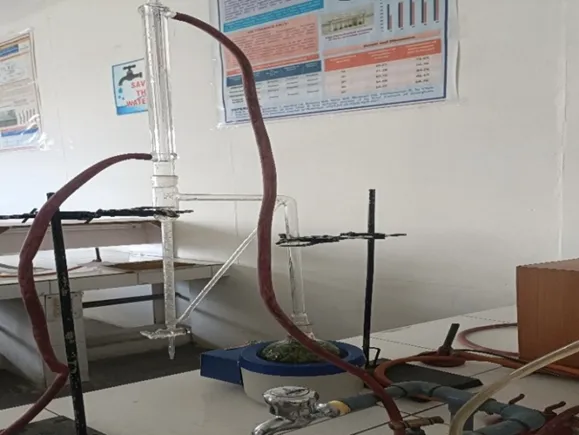


Figure No. 6: Extraction of Essential oil using Clevenger Apparatus

4 .   PHYTOCHEMICAL INVESTIGATION & FORMULATION DEVELOPMENT :

4.1 Preliminary Phytochemical Screening of Eucalyptus tereticornis Sm. Extracts and Isolated Oil:

Preliminary Phytochemical screening is carried out to identify the presence of various bioactive constituents in the extracts and Essential oil of Eucalyptus tereticornis Sm. The plant contains several important secondary metabolites responsible for its Medicinal and Biological activities.

Phytochemical Screening of all the Extracts:

Different solvent extracts of Eucalyptus tereticornis leaves are subjected to standard qualitative chemical tests for detection of various Phytoconstituents.

4.1.1  Test for Alkaloids

  • Dragendorff’s test: To 2-3ml extract, add few drops of Dragendroff’s reagent. Orange brown ppt. formed.
  • Mayer’s test: To 2-3ml of extract, add few drops of Mayer’s reagent gives ppt.
  • Wagner’s test: To 2-3ml of extract, add few drops of Wagner’s reagent. Reddish brown precipitate observed.
  • Hager’s test: To 2-3ml of extract, add few drops of Hager’s reagent gives yellow colour precipitate.
  • Tannic acid test: To the extract, add tannic acid solution gives buff coloured ppt.
      1. Test for Carbohydrates
  • Molisch’s test: To 1-2ml of extract add few drops of alcoholic α-naphthol, shake & add few drops of Conc. H2SO4 through sides of test tube. Purple to violet ring appears at the junction.
  • Benedict’s test: Mix equal volume of Benedict’s reagent and test solution. Heat in boiling water bath for 5min. Solution appears green, yellow or red.
  • Fehling’s test: Mix 1ml of Fehling’s solution A & 1ml Fehling’s solution B, boil for 1min, add equal volume of test solution & heat in water bath for 5-10min. First yellow then brick red color ppt observed.
  • Barfoed’s test: Equal volume of Barfoed reagent & extract was taken & heat for 1-2min in boiling water bath and cool. Red ppt observed.
  • Iodine test: To 3ml of test solution, add Dil. Iodine solution. Blue color appears which disappears on boiling and reappears on cooling.
  • Tannic acid: With 20% of tannic acid test solution gives ppt.
      1. Test for Flavonoids
  • Sulphuric acid test: On addition of H2SO4 flavons and flavonols dissolve and give deep yellow solution. 
  • Lead acetate test: To the residue, add lead acetate solution. Yellow coloured precipitate formed.
  • Alkaline reagent test: To the residue, add NaOH solution. Colorization appeared which decolorizes after addition of acid.
  • Zinc HCl test: Heat test solution with Zinc dust & HCl. Pink to red color appeared.
  • Shinoda test: Treat test solution with few fragments of magnesium ribbon and Conc. HCl showed pink to magenta red colour.
      1.   Test for Glycosides
  • Killer- Killani test: To the extract, add glacial acetic acid, 1 drop 5% FeCl3 & Conc. H2SO4. Reddish brown color appears at junction of two liquid layers & upper layer appears bluish green.
  • Legal’s test: To the extract, add 1ml pyridine and 1ml Sodium nitroprusside. Pink to red color appears.
  • Baljet’s test: To the extract, add sodium picrate gives yellow to orange colour.
  • Bromine water test: To the extract, add bromine water gives yellow precipitate.
      1. Test for Saponins
  • Foam test: Shake extract vigorously with water. Foam observed.
  • Heamolytic test: Add extract to one drop of blood placed on glass slide. Heamolytic zone appears.
      1. Test for Phenols and Tannins

  To 2-3ml of extract, add few drops of following reagents:

  • Lead acetate solution: White ppt. observed.
  • 5% FeCl3 solution: Deep blue- black colour observed.
  • Acetic acid solution: Red color solution observed.
  • Dil. HNO3 Test: Reddish to yellow colour observed.
  • Dil. Iodine test: Transient Red color solution observed .[19]


4.2   Phytochemical Screening of Isolated Oil:

The essential oil isolated using a Clevenger apparatus is analysed for volatile constituents. The major phytochemicals commonly reported in Eucalyptus oil include:

  • 1,8-Cineole (Eucalyptol)
  • α-Pinene
  • Limonene
  • Citronellal
  • Terpineol
  • Camphene

These compounds contribute to the antimicrobial, antioxidant, anti-inflammatory, and aromatic properties of the oil. Gas Chromatography–Mass Spectrometry (GC–MS) is often used for detailed characterization of the oil components.[20]
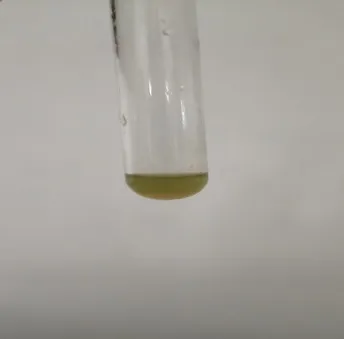


Figure No. 7:  Essential oil

4.3 Formulation of Herbal Transdermal Patches and their Basic Evaluation:

Herbal transdermal patches containing Eucalyptus tereticornis Sm. extract or essential oil are developed to provide controlled and sustained release of phytoconstituents through the skin. The essential oil of Eucalyptus tereticornis, rich in eucalyptol and terpenoids, possesses anti-inflammatory, analgesic, antimicrobial, and antioxidant properties, making it suitable for transdermal drug delivery systems.

4.3.1 Formulation of Herbal Transdermal Patches:

The transdermal patch can be prepared by the solvent casting method using suitable polymers and plasticizers.

Materials Used

  • Eucalyptus tereticornis extract or Essential oil
  • Polymer: Hydroxypropyl methylcellulose (HPMC) and Ethyl cellulose
  • Plasticizer: Propylene glycol
  • Solvent:- Ethanol : distilled water ( 70:30 )
  • Emulsifier : Tween 80 ( polysorbate 800)
  • Backing membrane and release liner

Procedure

  1. HPMC and Ethyl cellulose were added in solvent (70:30) into a 100 ml Beaker with continuously stirring until fully dissolves.
  2. Then Propylene Glycol was added Drop wise into the polymer solutions. stirred continuously for 10-15 minutes.
  3. The herbal extract or Eucalyptus oil was incorporated into the polymeric solution with continuously stirring for 35-45 minutes.
  4. The mixture was stirred to obtain a uniform dispersion and poured into a petri plate or casting mold.
  5. The solution was dried at room temperature or in a hot air oven to form a thin film.
  6. The dried film was carefully removed and cut into patches of suitable size.
  7. Prepared patches were stored in airtight containers for evaluation studies.


Table No. 1: Formulation Design

Ingredients

F1

F2

F3

F4

F5

F6

HPMC (gm)

2

2

2

2

2

2

Ethyl cellulose (gm)

1

1

1

1

1

1

Propylene Glycol (ml)

0.8

0.8

0.8

0.8

0.8

0.8

Tween 80(ml)

-

-

-

-

1.5

1.5

Eucalyptus Extract(ml)

0.5

1

2

5

-

-

Eucalyptus Oil (ml)

-

-

-

-

0.3

0.2

Ethanol (ml)

70

70

70

70

70

70

Distilled Water (ml)

30

30

30

30

30

39


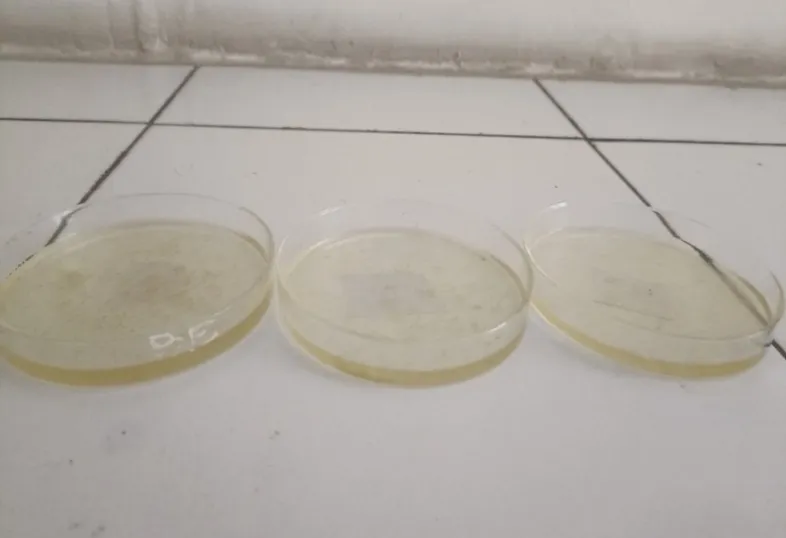
Figure No. 8: Transdermal patches


4.3.2 Basic Evaluation Parameters:

The formulated herbal transdermal patches are evaluated using standard parameters such as:

  • Physical appearance – colour ,  flexibility , appearance , Clarity , smoothness
  • Thickness – To ensure the thickness of the prepared patch, use a vernier calliper to measure it at various points. The average thickness and standard deviation are then calculated.
  • Weight uniformity – Prior to testing, the produced patches should be dried at 60°C for 4 hours. The patch will be cut into various parts and weighed digital balance. Calculate the average and standard deviation values based on individual weights.
  • Folding endurance – The strip is sliced and folded repeatedly until it breaks
  • Moisture content – Desiccators were used to determine percentage moisture content and moisture uptake.
    Weigh the created patches individually and store them in a desiccator with fused calcium chloride at room temperature. After 24 hours, the films should be reweighed and the percentage moisture content measured. The table shows the percentage moisture content of different patches.

Percentage moisture content (%) = Initial weight-Final weightFinal weight×100

 

  • Moisture Uptake - Weigh the produced patches individually and store them in a desiccator with a saturated solution of potassium chloride. After 24 hours, the films are to be. The table shows the percentage of moisture uptake in different patches.

        Percentage moisture uptake (%) =          Final weight-Initial weightInitial weight×100

 

  • Drug content uniformityThe drug content in a 2 cm2 patch area was measured using the UV spectroscopic technique at 282 nm. In 2 cm2 the drug content.
  • Surface pH – The pH of the individual patches was recorded.
  • In-vitro drug release study – The in vitro drug release investigation was conducted utilising a Franz diffusion cell device. The absorbance was recorded over time. The percentage of drug released from the transdermal patch was computed, and a graph was drawn to show the relationship between drug release and time. The graph indicates persistent release of drugs from the patch.

These evaluations help determine the quality, stability, and effectiveness of the herbal transdermal patch formulation.[21]

      1.  RESULTS AND DISCUSSION:
    1.   Results of Phytochemical Screening of All the Extracts:


Table No. 2: Preliminary Phytochemical screening

S. No.

Chemical Constituent

Leaf

Pet-ether extract

Leaf

Ethanolic extract

Leaf Chloroform extract

Leaf Aqueous extract

1.

Alkaloids

Present

Present

Present

Present

2.

Carbohydrates

Present

Absent

Absent

Present

3.

Flavonoids

Present

Present

Present

Present

4.

Glycosides

Absent

Absent

Present

Absent

5.

Saponins

Absent

Present

Absent

Present

6.

Phenols

Present

Absent

Present

Present

7.

Tannins

Present

Present

Absent

Present


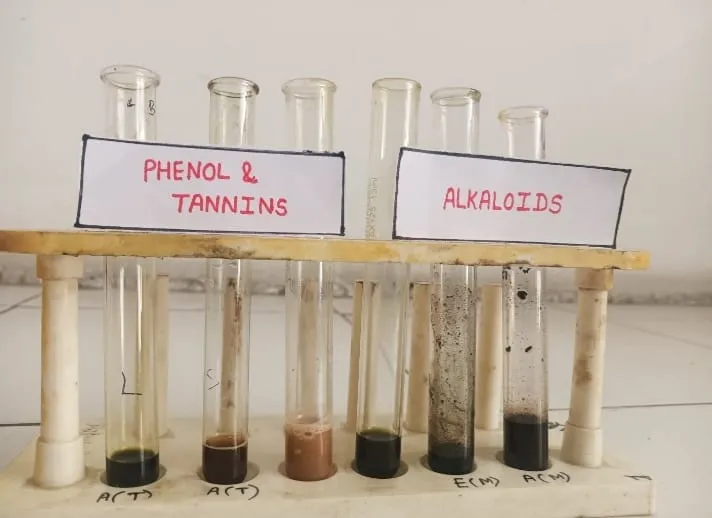
Figure no.9: Phytochemical tests of given extracts


5.2    Results of Physiochemical evaluation parameters:


Table No.3:  Evaluation of Physiochemical Parameters

S. No.

Physichemical Parameter

Values

1.

Loss on drying (LOD)

9.6%

2.

Total Ash value

5.9%

3.

Acid insoluble Ash value

0.7%

4.

Water Soluble extractive value

34%

5.

Alcohol Soluble extractive value

35.5%


    1.   Results of Evaluation of Herbal Transdermal Patches:

5.3.1 Physical Appearance


Table No. 4: For Patches prepared from Ethanolic extract and Essential Oil of Plant species

S.No.

Physical Appearance

F1 (Extract)

F2 (Extract)

F3 (Extract)

F4 (Extract)

F5 (Oil)

F6 (Oil)

1.

Colour

Light Yellow

Light Yellow

Light Yellow

Light Yellow

Light Yellow

Light Yellow

2.

Appearance

Jellified preparation

Jellified preparation

Jellified preparation

Jellified preparation

Jellified preparation

Jellified preparation

3.

Flexibility

Yes

Yes

Yes

Yes

Yes

Yes

4.

Clarity

Opaque

Opaque

Opaque

Opaque

Opaque

Opaque

5.

Smoothness

Good

Good

Good

Good

Good

Good


5.3.2  Thickness of the patch:

To ensure the thickness of the prepared patch, use a vernier calliper to measure it at various points. The average thickness and standard deviation are then calculated. The thickness of each patch is noted in table.


Table No. 5:  For Patches prepared from Ethanolic extract and Essential Oil     of Plant species

Sr. No.

Patch Code

Thickness of the patch             (in mm)

1.

F1 (Extract)

0.2

2.

F2 (Extract)

0.23

3.

F3 (Extract)

0.3

4.

F4 (Extract)

0.4

5.

F5 (Oil)

0.25

6.

F6 (Oil)

0.2


5.3.3. Weight Uniformity:

Prior to testing, the produced patches should be dried at 60°C for 4 hours. The patch will be cut into various parts and weighed digital balance. Calculate the average and standard deviation values based on individual weights. Table shows the weight uniformity of different patches.


Table No.6:  For Patches prepared from Ethanolic extract and Essential Oil of Plant species

Sr. No.

Patch Code

Weight Uniformity

1.

F1 (Extract)

0.06

2.

F2 (Extract)

0.07

3.

F3 (Extract)

0.08

4.

F4 (Extract)

0.95

5.

F5 (Oil)

0.05

6.

F6 (Oil)

0.02


5.3.4   Folding Endurance:

The strip is sliced and folded repeatedly until it breaks. As illustrated in the figure
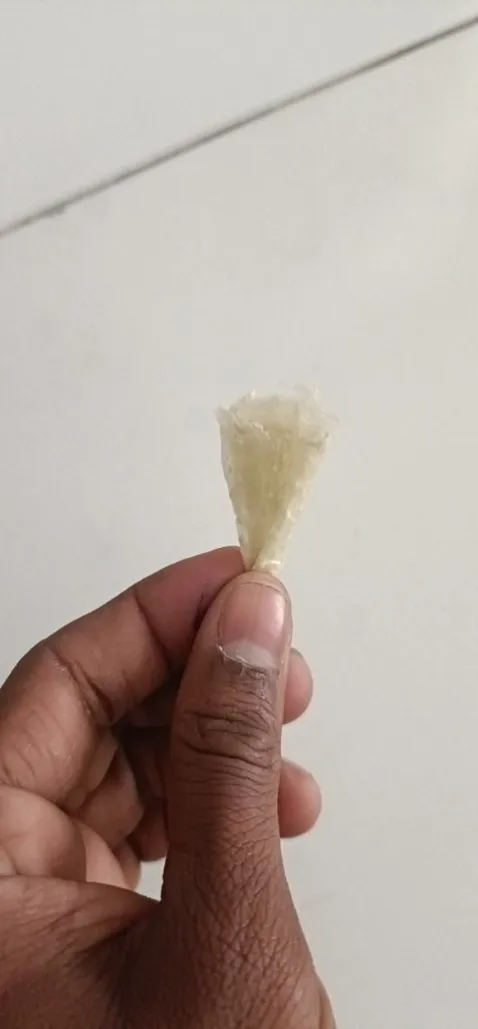


Fig No. 10 Folding Endurance

The Table shows the folding endurance of different patches

Table No. 7: For Patches prepared from Ethanolic extract and Essential Oil of Plant species

Sr. No.

Patch Code

Folding Endurance

1.

F1 (Extract)

15

2.

F2 (Extract)

14

3.

F3 (Extract)

12

4.

F4 (Extract)

9

5.

F5 (Oil)

16

6.

F6 (Oil)

17


5.3.5   Moisture Content: 

Desiccators were used to determine percentage moisture content and moisture uptake.
Weigh the created patches individually and store them in a desiccator with fused calcium chloride at room temperature. After 24 hours, the films should be reweighed and the percentage moisture content measured. The table shows the percentage moisture content of different patches.

Percentage moisture content (%) = Initial weight-Final weightFinal weight×10

0


Table No. 8: For Patches prepared from Ethanolic extract and Essential Oil of Plant species

Sr. No.

Patch Code

Initial wt.

Final wt.

% Moisture content

1.

F1 (Extract)

0.85

0.82

3.65

2.

F2 (Extract)

0.29

0.27

7.40

3.

F3 (Extract)

1.48

1.44

2.77

4.

F4 (Extract)

1.36

1.33

2.25

5.

F5 (Oil)

0.98

0.95

3.1

6.

F6 (Oil)

0.58

0.57

1.7


 5.3.6   Moisture Uptake:

Weigh the produced patches individually and store them in a desiccator with a saturated solution of potassium chloride. After 24 hours, the films are to be. The table shows the percentage of moisture uptake in different patches.

Percentage moisture uptake (%) =          Final weight-Initial weightInitial weight×100



Table No. 9: For Patches prepared from Ethanolic extract and Essential Oil of Plant species

Sr. No.

Patch Code

Initial wt.

Final wt.

% Moisture Uptake

1.

F1 (Extract)

0.85

0.87

2.35

2.

F2 (Extract)

0.29

0.32

2.02

3.

F3 (Extract)

1.48

1.53

3.37

4.

F4 (Extract)

1.36

1.38

1.47

5.

F5 (Oil)

0.98

1

2.04

6.

F6 (Oil)

0.58

0.59

1.72


 5.3.7 Determination of Surface pH:

The pH of the individual patches is recorded in the table.

Table No. 10: For Patches prepared from Ethanolic extract and Essential Oil of Plant species

Sr. No.

Patch Code

pH

1.

F1 (Extract)

6.8

2.

F2 (Extract)

6.85

3.

F3 (Extract)

7.3

4.

F4 (Extract)

7.7

5.

F5 (Oil)

6.6

6.

F6 (Oil)

6.8

5.3.8 Drug Content:  The drug content in a 2 cm2 patch area was measured using the UV spectroscopic technique at 282 nm. In 2 cm2 the drug content was found to be


Table No. 11: For Patches prepared from Ethanolic extract and Essential Oil of Plant species

Sr. No.

Patch Code

Drug Content (µg )

1.

F1 (Extract)

0.0226

2.

F2 (Extract)

0.0069

3.

F3 (Extract)

0.0232

4.

F4 (Extract)

0.0210

5.

F5 (Oil)

0.0235

6.

F6 (Oil)

0.0137


5.3.9   In Vitro Drug Release Study:

The in vitro drug release investigation was conducted utilising a Franz diffusion cell device. The absorbance was recorded over time. The percentage of drug released from the transdermal patch was computed, and a graph was drawn to show the relationship between drug release and time. The graph indicates persistent release of drugs from the patch.
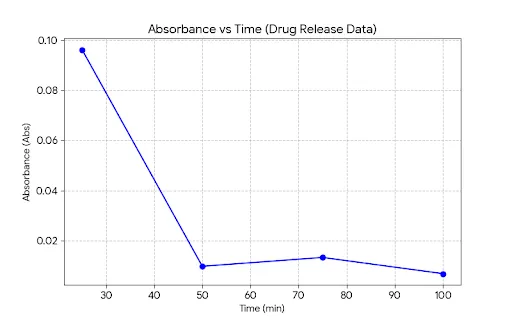


Fig No. 11: For Patches prepared from Ethanolic extract of Plant species
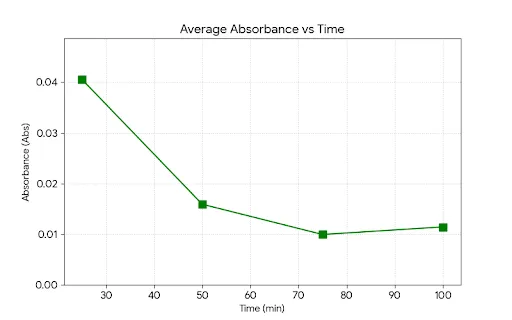


Fig No.12: For Patches prepared from Essential Oil of Plant species


CONCLUSION

The present study successfully developed and characterized transdermal patches containing Eucalyptus tereticornis SM extract in both oil- and ethanolic extract-based formulations. The prepared patches exhibited satisfactory mechanical properties, including good flexibility, folding endurance, acceptable surface pH, and moisture uptake, indicating their suitability for transdermal application.

Among the developed formulations, the oil-based transdermal patch demonstrated superior performance compared to the ethanolic extract patch. It showed better physicochemical characteristics, higher drug content uniformity, and a more controlled and sustained drug release profile during in vitro diffusion studies using Franz diffusion cells. The optimized oil-based formulation achieved continuous drug release, which is essential for maintaining therapeutic efficacy over an extended period.

the findings suggest that the Eucalyptus tereticornis SM oil-based transdermal patch has significant potential as an alternative to conventional oral and topical dosage forms, offering the advantages of sustained drug delivery, improved patient compliance, and enhanced therapeutic outcomes.


REFERENCES

  1. Monton, C., Sampaopan, Y., Pichayakorn, W., Panrat, K. and Suksaeree, J., 2022. Herbal transdermal patches made from optimized polyvinyl alcohol blended film: Herbal extraction process, film properties, and in vitro study. Journal of Drug Delivery Science and Technology69, p.103170.
  2. Pulipati, S., Arshad, F., Sharma, P. and Venkatesh, A., 2025. Exploring the insights and innovations of herbal transdermal patches: A comprehensive review. IOSR J Dent Med Sci24(3), pp.64-75.
  3. Hardainiyan, S., Nandy, B.C., Jasuja, N.D., Vyas, P. and Raghav, P.K., 2014. A review on the recent innovations in transdermal drug delivery for herbal therapy. Journal of Biomedical and Pharmaceutical Research3(3), pp.88-101.
  4. Prausnitz MR, Langer R. Transdermal drug delivery. Nature Biotechnology. 2008;26(11):1261–1268..
  5. Pryor, Lindsay Dixon, and Lawrie Alexander Sidney Johnson. A classification of the eucalypts. Australian National University, 1971.
  6. Tiwari, P., & Sahu, P. K. (2018). Eucalyptus tereticornis: Phytochemical Constituents and Medicinal Properties. Research Journal of Pharmacy and Technology, 11(6), 2677–2680.
  7. Lal, P., & Singh, N. (2000). Growth and distribution of Eucalyptus tereticornis in India. Indian Forester, 126(8), 817–824.
  8. Sartorelli, P., Marquioreto, A. D., Amaral-Baroli, A., Lima, M. E. L., & Moreno, P. R. H. (2007). Chemical composition and antimicrobial activity of the essential oils from two species of Eucalyptus. Phytotherapy Research, 21(3), 231–233.
  9. Tiwari, P., & Sahu, P. K. (2018). Eucalyptus tereticornis: Phytochemical Constituents and Medicinal Properties. Research Journal of Pharmacy and Technology, 11(6), 2677–2680.
  10. Batish, D. R., Singh, H. P., Kohli, R. K., & Kaur, S. (2008). Eucalyptus essential oil as a natural pesticide. Forest Ecology and Management, 256(12), 2166–2174.
  11. Dhakad, A. K., Pandey, V. V., Beg, S., Rawat, J. M., & Singh, A. (2018). Biological, medicinal and toxicological significance of Eucalyptus leaf essential oil: A review. Journal of the Science of Food and Agriculture, 98(3), 833–848.
  12. Yadav, A.K., Yadav, A. and Chandra, R., 2025. Formulation and Evaluation of Herbal Transdermal Patches Loaded with Extract of Asparagus racemosus for Anti-Bacterial  Activity.
  13. Alkilani, A. Z., McCrudden, M. T. C., & Donnelly, R. F. (2022). Current trends in transdermal drug delivery systems. Pharmaceutics, 14(11), 2325.
  14. Gu, J., Lane, M. E., Dos Santos, B. D. S. S., & Heinrich, M. (2024). Topical and transdermal botanical formulations of the Chinese Pharmacopoeia: A review. Phytotherapy Research, 38(9), 4716–4735.
  15. Monton, C., Sampaopan, Y., Pichayakorn, W., Panrat, K., & Suksaeree, J. (2022). Herbal transdermal patches made from optimized polyvinyl alcohol blended film: Herbal extraction process, film properties, and in vitro study. Journal of Drug Delivery Science and Technology, 69, 103170.
  16. Tiwari, P., & Sahu, P. K. (2018). Eucalyptus tereticornis: Phytochemical Constituents and Medicinal Properties. Research Journal of Pharmacy and Technology, 11(6), 2677–2680.
  17. Santos, S. A. O., Villaverde, J. J., Freire, C. S. R., Domingues, M. R. M., Neto, C. P., & Silvestre, A. J. D. (2012). Phenolic composition and antioxidant activity of industrial cork by-products from Eucalyptus species. Industrial Crops and Products, 35(1), 84–91.
  18. Dhakad, A. K., Pandey, V. V., Beg, S., Rawat, J. M., & Singh, A. (2018). Biological, medicinal and toxicological significance of Eucalyptus leaf essential oil: A review. Journal of the Science of Food and Agriculture, 98(3), 833–848.
  19. Evans WC. Trease and Evans’ Pharmacognosy (General phytochemical screening tests including Mayer’s, Dragendorff’s, Shinoda, Ferric chloride, Foam, Keller–Killiani, Salkowski, and Molisch’s tests). 16th ed. Edinburgh: Saunders/Elsevier; 2009. pp. 131-245.
  20. Sartorelli, P., Marquioreto, A. D., Amaral-Baroli, A., Lima, M. E. L., & Moreno, P. R. H. (2007). Chemical composition and antimicrobial activity of the essential oils from two species of Eucalyptus. Phytotherapy Research, 21(3), 231–233.
  21. Keleb, E. I., Sharma, R. K., Mosa, E. B., & Aljahwi, A. Z. (2010). Transdermal drug delivery system-design and evaluation. International Journal of Advances in Pharmaceutical Sciences, 1(3), 201–211.

Reference

  1. Monton, C., Sampaopan, Y., Pichayakorn, W., Panrat, K. and Suksaeree, J., 2022. Herbal transdermal patches made from optimized polyvinyl alcohol blended film: Herbal extraction process, film properties, and in vitro study. Journal of Drug Delivery Science and Technology69, p.103170.
  2. Pulipati, S., Arshad, F., Sharma, P. and Venkatesh, A., 2025. Exploring the insights and innovations of herbal transdermal patches: A comprehensive review. IOSR J Dent Med Sci24(3), pp.64-75.
  3. Hardainiyan, S., Nandy, B.C., Jasuja, N.D., Vyas, P. and Raghav, P.K., 2014. A review on the recent innovations in transdermal drug delivery for herbal therapy. Journal of Biomedical and Pharmaceutical Research3(3), pp.88-101.
  4. Prausnitz MR, Langer R. Transdermal drug delivery. Nature Biotechnology. 2008;26(11):1261–1268..
  5. Pryor, Lindsay Dixon, and Lawrie Alexander Sidney Johnson. A classification of the eucalypts. Australian National University, 1971.
  6. Tiwari, P., & Sahu, P. K. (2018). Eucalyptus tereticornis: Phytochemical Constituents and Medicinal Properties. Research Journal of Pharmacy and Technology, 11(6), 2677–2680.
  7. Lal, P., & Singh, N. (2000). Growth and distribution of Eucalyptus tereticornis in India. Indian Forester, 126(8), 817–824.
  8. Sartorelli, P., Marquioreto, A. D., Amaral-Baroli, A., Lima, M. E. L., & Moreno, P. R. H. (2007). Chemical composition and antimicrobial activity of the essential oils from two species of Eucalyptus. Phytotherapy Research, 21(3), 231–233.
  9. Tiwari, P., & Sahu, P. K. (2018). Eucalyptus tereticornis: Phytochemical Constituents and Medicinal Properties. Research Journal of Pharmacy and Technology, 11(6), 2677–2680.
  10. Batish, D. R., Singh, H. P., Kohli, R. K., & Kaur, S. (2008). Eucalyptus essential oil as a natural pesticide. Forest Ecology and Management, 256(12), 2166–2174.
  11. Dhakad, A. K., Pandey, V. V., Beg, S., Rawat, J. M., & Singh, A. (2018). Biological, medicinal and toxicological significance of Eucalyptus leaf essential oil: A review. Journal of the Science of Food and Agriculture, 98(3), 833–848.
  12. Yadav, A.K., Yadav, A. and Chandra, R., 2025. Formulation and Evaluation of Herbal Transdermal Patches Loaded with Extract of Asparagus racemosus for Anti-Bacterial  Activity.
  13. Alkilani, A. Z., McCrudden, M. T. C., & Donnelly, R. F. (2022). Current trends in transdermal drug delivery systems. Pharmaceutics, 14(11), 2325.
  14. Gu, J., Lane, M. E., Dos Santos, B. D. S. S., & Heinrich, M. (2024). Topical and transdermal botanical formulations of the Chinese Pharmacopoeia: A review. Phytotherapy Research, 38(9), 4716–4735.
  15. Monton, C., Sampaopan, Y., Pichayakorn, W., Panrat, K., & Suksaeree, J. (2022). Herbal transdermal patches made from optimized polyvinyl alcohol blended film: Herbal extraction process, film properties, and in vitro study. Journal of Drug Delivery Science and Technology, 69, 103170.
  16. Tiwari, P., & Sahu, P. K. (2018). Eucalyptus tereticornis: Phytochemical Constituents and Medicinal Properties. Research Journal of Pharmacy and Technology, 11(6), 2677–2680.
  17. Santos, S. A. O., Villaverde, J. J., Freire, C. S. R., Domingues, M. R. M., Neto, C. P., & Silvestre, A. J. D. (2012). Phenolic composition and antioxidant activity of industrial cork by-products from Eucalyptus species. Industrial Crops and Products, 35(1), 84–91.
  18. Dhakad, A. K., Pandey, V. V., Beg, S., Rawat, J. M., & Singh, A. (2018). Biological, medicinal and toxicological significance of Eucalyptus leaf essential oil: A review. Journal of the Science of Food and Agriculture, 98(3), 833–848.
  19. Evans WC. Trease and Evans’ Pharmacognosy (General phytochemical screening tests including Mayer’s, Dragendorff’s, Shinoda, Ferric chloride, Foam, Keller–Killiani, Salkowski, and Molisch’s tests). 16th ed. Edinburgh: Saunders/Elsevier; 2009. pp. 131-245.
  20. Sartorelli, P., Marquioreto, A. D., Amaral-Baroli, A., Lima, M. E. L., & Moreno, P. R. H. (2007). Chemical composition and antimicrobial activity of the essential oils from two species of Eucalyptus. Phytotherapy Research, 21(3), 231–233.
  21. Keleb, E. I., Sharma, R. K., Mosa, E. B., & Aljahwi, A. Z. (2010). Transdermal drug delivery system-design and evaluation. International Journal of Advances in Pharmaceutical Sciences, 1(3), 201–211.

Photo
Md. Aaqib
Corresponding author

School of pharmaceutical sciences , Department of Pharmacognosy , Shri Guru Ram Rai University, Dehradun

Photo
Dr. Chandra Shekhar Tailor
Co-author

School of pharmaceutical sciences , Department of Pharmacognosy , Shri Guru Ram Rai University, Dehradun

Photo
Dr. Gnana Rajan
Co-author

School of pharmaceutical sciences , Department of Pharmacognosy , Shri Guru Ram Rai University, Dehradun

Md. Aaqib, Dr. Chandra Shekhar Tailor, Dr. Gnana Rajan, Phytochemical Screening and Formulation of Eucalyptus tereticornis SM (Nilgiri) Bioactive component based Herbal Transdermal Patches along with their Preliminary evaluation, Int. J. of Pharm. Sci., 2026, Vol 4, Issue 7, 3514-3532, https://doi.org/10.5281/zenodo.21412864

More related articles
Development Of Herbal Hand Sanitizer Gel Using Oci...
Krutika Deshmukh , Shruti Shrirao, Harshali Shelaki, Aishwarya S...
Formulation And Evalution of Herbal Mucoadhesive B...
Ketan Shintre , M. B. Kokani, Ayesha Shaikh , Kushal Shinde, Hema...
Marine Waste to Biomaterial: Recovery of Hyaluroni...
V.S.Thiruvengadarajan, N. Tamilselvi, I. Ponnilavarasan, A Rajase...
Drug Prescription Patterns, Titrations and Adverse Effects of In Patients Admitt...
P. Twila Pushpa, Ayidalapally ChandraShekar, A.Harshitha, A.Bharat, R.Glory Therissa, Dr.S.Namratha...
Formulation, Characterization And In-Vitro Evaluation Of Carrot And Aloe Vera Ge...
Snega N, Shanmugapriya A, Sathya S, Gobiya G, Dravid Raghul E...
Related Articles
Quality by Design (QbD) in Analytical Method Development for Dosage Forms: A Cri...
Dr. Rahul Solunke, Sumedh Sonkamble, Anusaya Babalsure, Vaishali Satpute, Amarpali pawar...
Role of Automation In Pharmaceutical Manufacturing Industry...
Tejashree Burungale , Dr. Rajendra Patil, Dr. Swati Burungale, Nikita Gavali, Pankaj Shinde ...
Development Of Herbal Hand Sanitizer Gel Using Ocimum Sanctum and Neem Extract...
Krutika Deshmukh , Shruti Shrirao, Harshali Shelaki, Aishwarya Shrirao, Irshad Ahmad...
More related articles
Development Of Herbal Hand Sanitizer Gel Using Ocimum Sanctum and Neem Extract...
Krutika Deshmukh , Shruti Shrirao, Harshali Shelaki, Aishwarya Shrirao, Irshad Ahmad...
Formulation And Evalution of Herbal Mucoadhesive Buccal Patch...
Ketan Shintre , M. B. Kokani, Ayesha Shaikh , Kushal Shinde, Hemangi Shinde, Khushi Shinde ...
Marine Waste to Biomaterial: Recovery of Hyaluronic Acid from Stingray Liver By-...
V.S.Thiruvengadarajan, N. Tamilselvi, I. Ponnilavarasan, A Rajasekaran, R.Kishanth...
Development Of Herbal Hand Sanitizer Gel Using Ocimum Sanctum and Neem Extract...
Krutika Deshmukh , Shruti Shrirao, Harshali Shelaki, Aishwarya Shrirao, Irshad Ahmad...
Formulation And Evalution of Herbal Mucoadhesive Buccal Patch...
Ketan Shintre , M. B. Kokani, Ayesha Shaikh , Kushal Shinde, Hemangi Shinde, Khushi Shinde ...
Marine Waste to Biomaterial: Recovery of Hyaluronic Acid from Stingray Liver By-...
V.S.Thiruvengadarajan, N. Tamilselvi, I. Ponnilavarasan, A Rajasekaran, R.Kishanth...