

We use cookies to ensure our website works properly and to personalise your experience. Cookies policy
Matoshri College Of Pharmacy Eklahare, Nashik.
The global rise in infectious diseases and antimicrobial resistance (AMR) has intensified the need for safer, sustainable, and effective alternatives to conventional synthetic antimicrobial agents. The excessive use of these drugs has contributed to the emergence of multidrug-resistant microorganisms, environmental contamination, and adverse health effects. In response, research has increasingly focused on plant-derived bioactive compounds and green pharmaceutical technologies that align with the principles of sustainability, renewable resource utilization, and environmentally responsible manufacturing.Among agricultural by-products, pineapple (Ananas comosus) peel has emerged as a promising natural resource due to its abundance of bioactive phytochemicals, including bromelain, flavonoids, phenolic acids, tannins, saponins, alkaloids, vitamins, and organic acids. Although traditionally discarded as food-processing waste, pineapple peel possesses significant antibacterial, antioxidant, anti-inflammatory, wound-healing, and immunomodulatory properties. Its utilization not only supports the development of value-added pharmaceutical products but also promotes waste valorization and circular economy practices.Topical antibacterial sprays have gained attention because of their ease of application, rapid therapeutic action, uniform distribution, improved patient compliance, and reduced risk of contamination. Incorporating pineapple peel extract into spray formulations offers a biodegradable and eco-friendly alternative for applications such as wound care, skin disinfection, and personal hygiene. Studies have demonstrated its effectiveness against clinically relevant pathogens, including Staphylococcus aureus, Escherichia coli, Pseudomonas aeruginosa, and Streptococcus pyogenes, primarily through the synergistic action of its phytoconstituents that disrupt bacterial membranes, inhibit essential enzymes, and suppress biofilm formation.This review highlights the pharmaceutical potential of pineapple peel in green antibacterial spray formulations by summarizing its phytochemistry, extraction methods, antibacterial mechanisms, formulation strategies, evaluation parameters, and recent technological advances. It also emphasizes sustainable pharmaceutical development, waste utilization, and future research focused on standardization, safety assessment, clinical validation, and large-scale production to facilitate the commercialization of environmentally friendly antibacterial spray products.
The rapid increase in infectious diseases and the emergence of antimicrobial resistance (AMR) have become critical global health challenges, reducing the effectiveness of conventional antibiotics and increasing the burden of bacterial infections. The excessive and inappropriate use of synthetic antimicrobial agents has accelerated the development of multidrug-resistant (MDR) pathogens while contributing to adverse health effects and environmental pollution. Consequently, there is growing interest in identifying sustainable, safer, and naturally derived antimicrobial alternatives. Green pharmaceutical technology has emerged as a promising approach by integrating the principles of green chemistry, renewable resources, waste minimization, and environmentally responsible manufacturing to develop eco-friendly pharmaceutical products with reduced ecological impact.
Agricultural waste valorization has gained significant attention as an effective strategy for converting food-processing by-products into valuable pharmaceutical resources. Among various fruit wastes, pineapple (Ananas comosus) peel has attracted considerable scientific interest due to its rich phytochemical profile and diverse biological activities. Although it accounts for approximately 30–40% of the total fruit weight and is commonly discarded during industrial processing, pineapple peel contains numerous bioactive constituents, including bromelain, flavonoids, phenolic acids, tannins, saponins, vitamins, organic acids, and dietary fibers. These compounds possess remarkable antibacterial, antioxidant, anti-inflammatory, wound-healing, and immunomodulatory properties, highlighting the pharmaceutical potential of this underutilized agricultural residue.
The antibacterial activity of pineapple peel is primarily attributed to the synergistic action of bromelain and polyphenolic compounds. These phytochemicals inhibit microbial growth through multiple mechanisms, including disruption of bacterial cell membranes, inhibition of essential enzymes, induction of oxidative stress, interference with nucleic acid and protein synthesis, and suppression of biofilm formation. Such multimodal mechanisms reduce the likelihood of resistance development compared with conventional antibiotics that often target a single bacterial pathway. Several studies have demonstrated the effectiveness of pineapple peel extracts against clinically important pathogens, including Staphylococcus aureus, Escherichia coli, Pseudomonas aeruginosa, Klebsiella pneumoniae, and Streptococcus pyogenes.
Recent advances in topical drug delivery have promoted the development of antibacterial spray formulations due to their convenience, rapid application, uniform distribution, improved patient compliance, and reduced risk of cross-contamination. Incorporating pineapple peel extract into topical sprays offers an environmentally sustainable alternative to synthetic antimicrobial products while enhancing skin compatibility and biodegradability. Such formulations are particularly suitable for wound care, skin disinfection, personal hygiene, and healthcare applications.
Despite its considerable therapeutic potential, several challenges remain before pineapple peel-based formulations can be commercialized. Variations in phytochemical composition resulting from geographical origin, cultivation practices, extraction methods, and storage conditions necessitate standardized processing and quality control. Additionally, further research is required to optimize extraction techniques, improve formulation stability, ensure safety through toxicological evaluation, and validate clinical efficacy.
Green Formulation Technology and Sustainable Pharmaceutical Development
Green formulation is an innovative pharmaceutical development approach that integrates the principles of green chemistry, environmental sustainability, and resource conservation to produce safe, effective, and environmentally responsible healthcare products. Unlike conventional pharmaceutical manufacturing, which often relies on synthetic chemicals, hazardous solvents, and energy-intensive processes, green formulation prioritizes renewable raw materials, biodegradable excipients, eco-friendly solvents, waste minimization, and sustainable production technologies.
Growing concerns regarding environmental pollution, climate change, depletion of natural resources, and pharmaceutical waste have accelerated the transition toward sustainable formulation practices. Today, green formulation is considered an essential component of modern pharmaceutical sciences because it not only reduces environmental burden but also improves product safety, manufacturing efficiency, and regulatory compliance.
The concept is particularly relevant for herbal pharmaceutical products, where naturally derived bioactive compounds can be incorporated into advanced drug delivery systems using environmentally compatible processing techniques. The development of pineapple (Ananas comosus) peel-based antibacterial spray represents an excellent example of this approach, as it simultaneously utilizes agricultural waste, renewable phytochemicals, and environmentally friendly formulation strategies.
Evolution of Green Pharmaceutical Technology
During the twentinth century, pharmaceutical industries focused primarily on maximizing therapeutic efficacy with relatively little attention to environmental consequences. Large-scale manufacturing often generated significant quantities of chemical waste, utilized toxic organic solvents, and consumed enormous amounts of energy and water.
In recent decades, increasing awareness regarding environmental sustainability has transformed pharmaceutical manufacturing practices. International organizations, regulatory agencies, and scientific communities have emphasized the adoption of cleaner technologies capable of minimizing ecological impact while maintaining pharmaceutical quality.
Principles of Green Chemistry Applied to Pharmaceuticals
Green formulation is fundamentally based on the Twelve Principles of Green Chemistry, originally proposed by Paul Anastas and John Warner. These principles provide scientific guidance for designing environmentally sustainable pharmaceutical products.
Prevention of Waste
Waste prevention is the foremost principle of green formulation, emphasizing the avoidance of waste generation rather than treating or disposing of waste after its formation. Conventional pharmaceutical manufacturing often produces substantial quantities of chemical residues, solvent waste, and non-biodegradable by-products, contributing to environmental pollution and increased production costs. Green formulation seeks to minimize these issues by utilizing materials that would otherwise be discarded.
Pineapple peel represents an excellent example of waste prevention. During fruit processing, approximately 30–40% of the fruit consists of peel, which is generally discarded as agricultural waste. Improper disposal of this biomass can lead to microbial decomposition, unpleasant odors, greenhouse gas emissions, and environmental contamination. However, pineapple peel is rich in bioactive compounds such as bromelain, flavonoids, phenolic acids, tannins, and vitamins. Recovering these phytochemicals for pharmaceutical applications converts waste into a valuable therapeutic resource. This approach reduces landfill waste, lowers disposal costs, supports circular economy practices, and contributes to sustainable pharmaceutical manufacturing.
Use of Renewable Raw Materials
Green formulation promotes the replacement of non-renewable petroleum-based chemicals with renewable biological resources. Renewable materials can be naturally replenished within a relatively short period and generally exhibit better biodegradability and environmental compatibility.
Common renewable pharmaceutical raw materials include:
Pineapple peel fulfills this principle because it is an abundant, renewable agricultural by-product generated annually by the food industry. Instead of relying on synthetic antimicrobial agents, pineapple peel extract provides a natural source of bromelain, flavonoids, tannins, phenolic acids, and antioxidants possessing antibacterial, anti-inflammatory, antioxidant, and wound-healing activities. Since pineapple is cultivated extensively in tropical countries, its peel is inexpensive, continuously available, biodegradable, and environmentally sustainable. Utilizing such renewable resources decreases dependence on synthetic chemicals and promotes sustainable healthcare.
Use of Safer Solvents
The selection of solvents is a critical aspect of green formulation because many conventional organic solvents, such as methanol, chloroform, benzene, and acetone, are toxic, volatile, flammable, and hazardous to both human health and the environment. Green chemistry recommends replacing these solvents with safer, biodegradable alternatives that reduce occupational hazards and environmental pollution.
Energy-efficient extraction techniques include:
These techniques improve extraction efficiency while reducing processing time and energy requirements. For pineapple peel, cold maceration and ultrasound-assisted extraction preserve heat-sensitive compounds such as bromelain and phenolic antioxidants, ensuring maximum biological activity. Lower energy consumption also decreases manufacturing costs and reduces the environmental footprint of pharmaceutical production, making the overall process more sustainable.
Design for Degradation
Green formulations should be designed so that, after their intended use, they degrade into harmless substances without accumulating in the environment or producing toxic residues. This principle helps reduce long-term environmental pollution associated with pharmaceutical products.
Natural phytochemicals derived from medicinal plants are generally biodegradable because they are metabolized by naturally occurring microorganisms into simple, non-toxic compounds such as carbon dioxide, water, and biomass. Pineapple peel extract-based antibacterial sprays therefore present an environmentally friendly alternative to synthetic antimicrobial formulations, which may persist in soil and aquatic ecosystems.
Biodegradable herbal formulations reduce the ecological burden associated with pharmaceutical waste disposal and support sustainable environmental management. Their degradation products pose minimal risk to aquatic organisms, wildlife, and human health.
Pineapple Peel as a Green Pharmaceutical Resource
Among tropical fruit wastes, pineapple peel has attracted considerable pharmaceutical interest.
Approximately 30–40% of pineapple fruit becomes peel waste during industrial processing. Instead of being discarded, this biomass can serve as an abundant source of valuable phytochemicals, including bromelain, phenolic acids, flavonoids, tannins, saponins, and dietary fibers. These constituents possess antibacterial, antioxidant, anti-inflammatory, and wound-healing properties, making pineapple peel an attractive raw material for sustainable topical formulations. Your thesis also emphasizes the pharmaceutical value of pineapple peel and its role in agricultural waste valorization.
Botanical Profile, Phytochemistry, and Pharmacological Properties of Ananas comosus
Ananas comosus (L.) Merr., commonly known as pineapple, is one of the most economically important tropical fruit crops worldwide. Belonging to the family Bromeliaceae, pineapple is extensively cultivated for its nutritional value, medicinal properties, and industrial applications. While the edible pulp has long been recognized as a rich source of vitamins and minerals, increasing scientific attention has focused on the pharmaceutical potential of pineapple processing by-products, particularly the peel. Traditionally regarded as agricultural waste, pineapple peel has emerged as a valuable repository of bioactive compounds exhibiting antibacterial, antioxidant, anti-inflammatory, wound-healing, and immunomodulatory activities.
Recent advances in phytochemical research have demonstrated that pineapple peel contains significantly higher concentrations of certain phenolic compounds and flavonoids than the edible fruit. Moreover, the presence of bromelain, a complex mixture of proteolytic enzymes unique to pineapple, has attracted considerable pharmaceutical interest due to its diverse therapeutic applications. Consequently, pineapple peel has become an important raw material for the development of sustainable pharmaceutical formulations, functional foods, nutraceuticals, cosmetics, and biomedical products. The thesis similarly describes pineapple peel as a medicinally valuable agricultural by-product rich in bromelain, phenolics, flavonoids, vitamins, and other phytoconstituents.
|
Taxonomic Rank |
Classification |
|
Kingdom |
Plantae |
|
Subkingdom |
Tracheobionta |
|
Division |
Magnoliophyta |
|
Class |
Liliopsida |
|
Order |
Poales |
|
Family |
Bromeliaceae |
|
Genus |
Ananas |
|
Species |
Ananas comosus (L.) Merr. |
Pineapple is recognized by different common names across various regions and languages. It is commonly referred to as Pineapple in English, Ananas in Hindi and Marathi, Bahunetra in Sanskrit, Piña in Spanish, and Ananas in French. Despite regional differences in nomenclature, the botanical identity remains consistent, emphasizing its global agricultural and medicinal significance.
Nutritional and Phytochemical Composition of Pineapple Peel
Pineapple peel possesses remarkable nutritional and phytochemical diversity, making it an attractive renewable resource for pharmaceutical applications. Besides carbohydrates and dietary fiber, the peel contains essential vitamins, minerals, and numerous secondary metabolites that collectively contribute to its therapeutic properties. Important nutritional constituents include vitamin C, vitamin A, potassium, calcium, magnesium, iron, and various organic acids. These nutrients contribute to antioxidant defense, collagen synthesis, tissue regeneration, and maintenance of skin integrity.
The medicinal value of pineapple peel primarily arises from its diverse phytochemical composition. Phytochemicals are naturally occurring secondary metabolites synthesized by plants to protect against microbial infections, oxidative stress, and environmental challenges. Extensive phytochemical investigations have identified bromelain, flavonoids, phenolic acids, tannins, saponins, alkaloids, glycosides, terpenoids, vitamins, and organic acids as the major bioactive constituents of pineapple peel. These compounds exhibit synergistic pharmacological effects, enhancing the antibacterial, antioxidant, anti-inflammatory, and wound-healing activities of the extract.
Among these constituents, bromelain is considered the most important bioactive compound. Bromelain is a complex mixture of proteolytic enzymes capable of hydrolyzing proteins and modulating numerous biological processes. Extensive research has demonstrated that bromelain possesses antibacterial, anti-inflammatory, antioxidant, fibrinolytic, immunomodulatory, wound-healing, and anti-edematous activities. Unlike conventional antibiotics that generally target a single metabolic pathway, bromelain exerts multiple pharmacological effects simultaneously, making it particularly suitable for topical pharmaceutical formulations.
Major Phytochemicals of Pineapple Peel and Their Pharmacological Activities
|
Phytochemical |
Major Biological Activity |
Pharmaceutical Significance |
|
Bromelain |
Proteolytic enzyme |
Antibacterial, anti-inflammatory, wound healing |
|
Gallic acid |
Antioxidant |
Free radical scavenging |
|
Ferulic acid |
Antioxidant |
Skin protection and anti-inflammatory activity |
|
Quercetin |
Flavonoid |
Antimicrobial, antioxidant, immunomodulatory |
|
Catechin |
Polyphenol |
Antioxidant and antibacterial activity |
|
Tannins |
Polyphenol |
Astringent, antibacterial, wound healing |
|
Saponins |
Glycoside |
Membrane disruption and antimicrobial activity |
|
Vitamin C |
Vitamin |
Collagen synthesis and tissue regeneration |
Pharmacological Activities and Antibacterial Mechanisms of Ananas comosus Peel
Pineapple (Ananas comosus) peel, once regarded merely as an agricultural by-product, has recently gained considerable scientific attention due to its diverse pharmacological properties and potential applications in pharmaceutical and biomedical research. The peel is a rich source of bioactive phytochemicals, including bromelain, flavonoids, phenolic acids, tannins, saponins, alkaloids, vitamins, and other secondary metabolites, which collectively contribute to a wide range of biological activities. Increasing evidence suggests that pineapple peel exhibits antibacterial, antioxidant, anti-inflammatory, wound-healing, antifungal, immunomodulatory, and anticancer properties, making it a promising natural material for the development of sustainable healthcare products. Unlike conventional synthetic antimicrobial agents that often target a single bacterial pathway, the phytoconstituents present in pineapple peel act through multiple mechanisms simultaneously, thereby reducing the likelihood of antimicrobial resistance while enhancing therapeutic efficacy.
Among the various biological activities reported for pineapple peel, its antibacterial activity has attracted the greatest attention because of the increasing prevalence of antibiotic-resistant microorganisms worldwide. Numerous experimental studies have demonstrated that ethanolic and hydroalcoholic extracts of pineapple peel possess significant antibacterial activity against a broad spectrum of pathogenic bacteria. The degree of antibacterial activity depends on several factors, including the extraction method, solvent polarity, phytochemical concentration, bacterial strain, and duration of exposure. Ethanol has consistently been reported as one of the most efficient extraction solvents because of its superior ability to recover phenolic compounds, flavonoids, and bromelain, which are largely responsible for antimicrobial activity. Comparative studies have shown that ethanolic extracts generally produce larger zones of inhibition than aqueous extracts due to their higher phytochemical content and improved penetration into bacterial cells.
The antibacterial spectrum of pineapple peel encompasses both Gram-positive and Gram-negative bacteria. Gram-positive organisms such as Staphylococcus aureus, Streptococcus pyogenes, Bacillus subtilis, and Enterococcus faecalis have shown high susceptibility to pineapple peel extracts. These bacteria possess thick peptidoglycan cell walls that are particularly vulnerable to the action of phenolic compounds and tannins, which interfere with cell wall integrity and membrane stability. Similarly, pineapple peel extracts have demonstrated inhibitory activity against Gram-negative bacteria, including Escherichia coli, Pseudomonas aeruginosa, Klebsiella pneumoniae, Proteus mirabilis, and Salmonella typhi. Although Gram-negative bacteria possess an additional outer lipopolysaccharide membrane that limits the penetration of many antimicrobial agents, bromelain and certain flavonoids present in pineapple peel are capable of disrupting membrane proteins and increasing membrane permeability, thereby facilitating the entry of other antibacterial phytochemicals into the bacterial cell.
The antibacterial activity of pineapple peel results from the synergistic interaction of multiple phytochemicals acting through different molecular mechanisms. One of the primary mechanisms involves disruption of the bacterial cell wall. Phenolic acids and tannins interact with peptidoglycan components and membrane proteins, leading to structural instability, increased permeability, and leakage of intracellular constituents. Damage to the bacterial cell wall ultimately compromises osmotic regulation and results in cell lysis. Simultaneously, flavonoids and saponins exert direct effects on the cytoplasmic membrane by altering lipid organization, increasing membrane permeability, and disrupting membrane-associated proteins. This loss of membrane integrity causes leakage of potassium ions, nucleotides, amino acids, and essential metabolites, thereby inhibiting bacterial survival.
Bromelain, the characteristic proteolytic enzyme found in pineapple peel, contributes significantly to antibacterial activity through enzymatic degradation of bacterial proteins. As a cysteine protease, bromelain hydrolyzes membrane proteins, transport proteins, adhesins, and virulence-associated enzymes that are essential for bacterial colonization and survival. Protein degradation interferes with membrane function, nutrient transport, and bacterial metabolism, ultimately leading to irreversible cellular damage. Furthermore, bromelain has been reported to enhance the permeability of bacterial membranes, allowing other phytochemicals to penetrate more effectively and produce synergistic antimicrobial effects.
Another important antibacterial mechanism involves inhibition of bacterial enzyme systems. Numerous phenolic compounds and flavonoids interfere with enzymes responsible for DNA replication, RNA transcription, ATP synthesis, and cell wall biosynthesis. Inhibition of bacterial DNA gyrase and topoisomerase enzymes prevents DNA replication and cell division, while interference with ribosomal function suppresses protein synthesis. As bacterial proteins cannot be synthesized efficiently, cellular metabolism gradually ceases, resulting in inhibition of bacterial growth and proliferation. These multitarget mechanisms distinguish plant-derived antibacterial agents from many conventional antibiotics that often exhibit single-site activity.
Oxidative stress also contributes significantly to the antibacterial action of pineapple peel phytochemicals. Several phenolic compounds promote the intracellular generation of reactive oxygen species (ROS), including superoxide radicals, hydrogen peroxide, and hydroxyl radicals. Excessive ROS production causes lipid peroxidation, oxidation of membrane proteins, DNA fragmentation, and irreversible damage to essential cellular components. Because bacteria possess limited antioxidant defense systems, oxidative stress rapidly overwhelms their protective mechanisms and accelerates cell death. This oxidative mechanism further complements the membrane-disrupting and protein-denaturing activities of pineapple peel constituents.
An additional mechanism receiving increasing attention is the inhibition of bacterial biofilm formation. Biofilms are structured microbial communities embedded within extracellular polymeric matrices that protect bacteria against antibiotics, disinfectants, and host immune responses. Pineapple peel phytochemicals inhibit bacterial adhesion to surfaces, interfere with quorum sensing pathways, suppress extracellular polysaccharide synthesis, and prevent maturation of biofilms. Consequently, bacterial colonies become more susceptible to antimicrobial agents and host defense mechanisms. Biofilm inhibition is particularly important for the treatment of chronic wounds, medical device-associated infections, and persistent skin infections.
The anti-inflammatory activity of pineapple peel is primarily attributed to bromelain and polyphenolic compounds. Bromelain has been reported to inhibit the production of inflammatory mediators such as prostaglandins, bradykinin, tumor necrosis factor-α (TNF-α), interleukin-1β, and interleukin-6. In addition, bromelain suppresses leukocyte migration, reduces vascular permeability, and modulates inflammatory signaling pathways, thereby decreasing edema, pain, and tissue damage. These anti-inflammatory properties complement its antibacterial activity, making pineapple peel particularly valuable for topical formulations intended for wound care and skin infections.
The wound-healing potential of pineapple peel has also been extensively investigated. Successful wound healing requires effective infection control, controlled inflammation, fibroblast proliferation, collagen synthesis, angiogenesis, and tissue remodeling. Pineapple peel contributes to these processes through multiple mechanisms. Its antibacterial constituents prevent microbial colonization, antioxidants protect newly formed tissues from oxidative damage, bromelain removes necrotic tissue through enzymatic debridement, and vitamin C promotes collagen synthesis and epithelial regeneration. Collectively, these activities accelerate wound closure and improve the quality of tissue repair.
Emerging evidence also suggests that pineapple peel possesses immunomodulatory properties. Bromelain has been shown to regulate macrophage activation, T-lymphocyte proliferation, cytokine secretion, and neutrophil migration, thereby enhancing innate immune responses while preventing excessive inflammation. Balanced immune regulation contributes to improved host defense against bacterial infections without causing significant tissue injury. In addition, several phytochemicals isolated from pineapple peel have demonstrated antifungal activity against pathogenic fungi such as Candida albicans, Aspergillus niger, and Aspergillus flavus, primarily through disruption of fungal membranes and inhibition of spore germination.
The pharmacological efficacy of pineapple peel is strongly influenced by several factors, including plant maturity, geographical origin, cultivation conditions, extraction method, solvent selection, drying temperature, storage conditions, and phytochemical stability. Standardization of extraction procedures and quality control parameters is therefore essential to ensure reproducible biological activity and consistent pharmaceutical performance. Ethanolic extraction remains one of the most effective methods for recovering bromelain and phenolic compounds while preserving antibacterial efficacy, making it highly suitable for large-scale pharmaceutical production.
Extraction Technologies, Phytochemical Characterization, and Standardization of Ananas comosus Peel Extract
The successful development of any plant-based pharmaceutical formulation depends largely on the extraction process employed for the recovery of bioactive constituents. Extraction is a critical step that determines the yield, purity, stability, and biological activity of phytochemicals present in medicinal plants. In the case of Ananas comosus peel, appropriate extraction techniques are essential for obtaining high concentrations of bromelain, flavonoids, phenolic acids, tannins, saponins, and other secondary metabolites responsible for its antibacterial activity. Since pineapple peel contains both heat-sensitive enzymes and thermolabile phytochemicals, extraction methods should be carefully selected to preserve their biological activity while maximizing recovery. Recent advances in green extraction technologies have further improved extraction efficiency by reducing solvent consumption, energy requirements, and environmental impact, making these approaches highly compatible with sustainable pharmaceutical development.
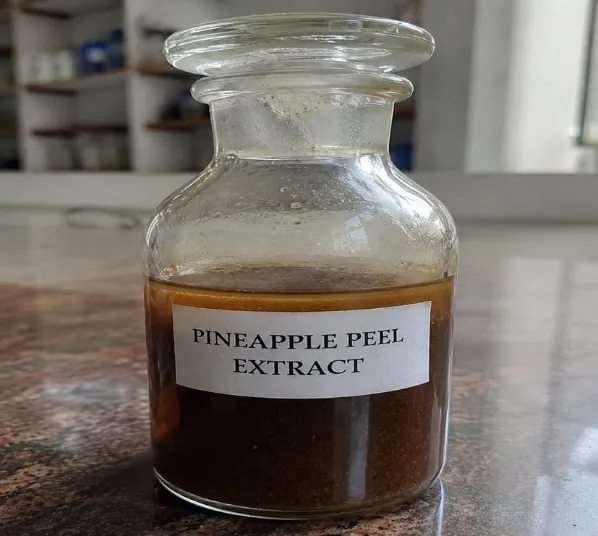
Fig. Pineapple Peel Extract
The extraction process generally begins with the collection of mature pineapple fruits followed by careful separation of the peels. Fresh peels are thoroughly washed with distilled water to remove adhering soil, pesticides, microorganisms, and other contaminants. The cleaned peels are then cut into small pieces and subjected to shade drying under controlled environmental conditions. Shade drying is preferred over direct sunlight because excessive heat and ultraviolet radiation can degrade bromelain, vitamin C, and several phenolic compounds. Drying continues until a constant weight is achieved, after which the dried material is pulverized using a mechanical grinder to obtain a coarse powder. The powdered material is stored in airtight containers protected from moisture, light, and excessive humidity until further extraction.
Extraction techniques used for Ananas comosus Peel Extract
Among various extraction techniques, conventional maceration remains one of the most commonly employed methods for pineapple peel because of its simplicity, low cost, and minimal equipment requirements. In this method, the powdered peel is immersed in ethanol or hydroalcoholic solvent for several days with occasional stirring to facilitate diffusion of phytochemicals into the extraction medium. Ethanol is widely preferred because of its excellent ability to dissolve both polar and moderately non-polar phytochemicals while remaining relatively safe, biodegradable, and environmentally acceptable. Following maceration, the extract is filtered to remove plant residues and concentrated under reduced pressure using a rotary evaporator. The concentrated extract is subsequently dried to obtain a semi-solid or powdered extract suitable for pharmaceutical formulation. Numerous studies have demonstrated that ethanolic extracts exhibit higher antibacterial activity than aqueous extracts owing to their superior recovery of bromelain, flavonoids, and phenolic compounds.
Soxhlet extraction has also been extensively employed for recovering phytochemicals from pineapple peel. In this technique, fresh solvent continuously passes through the plant material, allowing repeated extraction until complete exhaustion of soluble constituents occurs. Soxhlet extraction generally provides higher extraction efficiency and improved recovery of bioactive compounds compared with simple maceration. However, prolonged exposure to elevated temperatures during Soxhlet extraction may partially inactivate heat-sensitive compounds such as bromelain. Consequently, this method is often considered more suitable for recovering phenolic compounds and flavonoids than for preserving enzymatic activity.
Recent advances in extraction technology have introduced ultrasound-assisted extraction (UAE) as a highly efficient alternative for plant-derived pharmaceuticals. Ultrasound waves generate cavitation bubbles within the extraction solvent, causing disruption of plant cell walls and facilitating rapid release of intracellular phytochemicals. Ultrasound-assisted extraction significantly reduces extraction time while simultaneously increasing extraction yield and minimizing solvent consumption. Furthermore, the relatively low operating temperatures preserve thermolabile constituents, including bromelain and vitamin C, making UAE particularly suitable for pineapple peel extraction. Several investigations have reported improved antioxidant and antibacterial activities in ultrasound-assisted extracts compared with conventionally prepared extracts.
Microwave-assisted extraction (MAE) represents another innovative technique increasingly applied to medicinal plants. Microwave energy rapidly heats intracellular water molecules, producing pressure that ruptures plant cell walls and accelerates the release of phytochemicals into the extraction solvent. This technique offers several advantages, including shorter extraction times, higher extraction efficiency, reduced solvent requirements, and improved recovery of bioactive compounds. However, careful optimization of microwave power and exposure duration is necessary because excessive heating may reduce bromelain activity and degrade certain phenolic compounds.
Supercritical fluid extraction has emerged as one of the most environmentally friendly extraction technologies available for pharmaceutical applications. Carbon dioxide under supercritical conditions exhibits unique solvent properties that permit efficient extraction of bioactive compounds without leaving toxic solvent residues. Supercritical carbon dioxide extraction operates at relatively low temperatures and provides excellent selectivity for target compounds while preserving heat-sensitive phytochemicals. Although the initial equipment cost is relatively high, this technology is increasingly recognized for producing pharmaceutical-grade extracts suitable for commercial manufacturing.
Enzyme-assisted extraction represents another promising green extraction approach. Cell wall-degrading enzymes such as cellulases, pectinases, and hemicellulases are employed to digest structural polysaccharides within plant tissues, thereby facilitating the release of intracellular phytochemicals. This method improves extraction efficiency under mild operating conditions while reducing solvent consumption and energy requirements. Enzyme-assisted extraction has demonstrated particular usefulness in recovering polyphenols and flavonoids from fruit processing wastes, including pineapple peel.
Following extraction, phytochemical screening is performed to identify the major classes of bioactive constituents present in the extract. Preliminary phytochemical analysis provides valuable information regarding the therapeutic potential of plant materials and guides further pharmaceutical development. Standard qualitative tests are commonly employed for detecting alkaloids, flavonoids, tannins, saponins, glycosides, phenolic compounds, carbohydrates, proteins, steroids, and terpenoids. The presence of these phytochemicals confirms the medicinal value of pineapple peel and supports its utilization in herbal antibacterial formulations.
Phytochemical Characterization of Ananas comosus Peel Extract
Among the detected phytochemicals, phenolic compounds constitute one of the largest groups responsible for antibacterial and antioxidant activities. Quantitative determination of total phenolic content is generally performed using the Folin–Ciocalteu colorimetric method, with results expressed as milligrams of gallic acid equivalents per gram of extract. High phenolic content has consistently been correlated with enhanced free radical scavenging activity and improved antibacterial efficacy. Similarly, total flavonoid content is commonly determined using the aluminum chloride colorimetric method and expressed as quercetin equivalents. Flavonoids contribute significantly to bacterial membrane disruption, oxidative stress induction, and inhibition of nucleic acid synthesis.
Bromelain quantification represents another important aspect of pineapple peel characterization. Since bromelain consists of proteolytic enzymes, its activity is generally measured using protein digestion assays based on substrates such as casein or gelatin. Enzyme activity is expressed in terms of proteolytic units and serves as an important quality indicator for pharmaceutical preparations. Preservation of bromelain activity throughout extraction and formulation processes is essential because the enzyme contributes substantially to antibacterial, anti-inflammatory, and wound-healing activities.
Modern analytical techniques have greatly improved the characterization of pineapple peel phytochemicals. High-performance liquid chromatography (HPLC) is widely employed for the separation, identification, and quantification of phenolic acids, flavonoids, and other secondary metabolites. HPLC provides excellent sensitivity, reproducibility, and quantitative accuracy, making it an indispensable analytical tool for herbal standardization. Ultra-high-performance liquid chromatography (UHPLC) offers even greater resolution and shorter analysis times while requiring smaller solvent volumes. These chromatographic techniques are frequently coupled with diode-array detection or mass spectrometry to facilitate structural identification of unknown compounds.
Gas chromatography–mass spectrometry (GC–MS) is particularly useful for identifying volatile constituents and low-molecular-weight compounds present in pineapple peel extracts. The combination of chromatographic separation with mass spectral analysis enables accurate structural elucidation of numerous phytochemicals. Liquid chromatography–mass spectrometry (LC–MS) has similarly become an indispensable tool for comprehensive phytochemical profiling because of its ability to identify non-volatile and thermally unstable compounds with high sensitivity and specificity.
Fourier transform infrared spectroscopy (FTIR) is commonly employed to identify functional groups present within plant extracts. FTIR spectra provide valuable information regarding hydroxyl, carbonyl, amine, aromatic, and aliphatic functional groups associated with phenolic compounds, flavonoids, proteins, and carbohydrates. This technique is frequently used to confirm the presence of bromelain and other bioactive constituents following extraction.
Nuclear magnetic resonance (NMR) spectroscopy provides detailed structural information regarding isolated phytochemicals and is particularly valuable during compound identification and purity assessment. Although NMR requires relatively sophisticated instrumentation, it remains one of the most powerful analytical methods available for natural product research. Similarly, ultraviolet-visible (UV–Vis) spectroscopy is routinely employed for quantitative estimation of phenolic compounds, flavonoids, and antioxidant activity owing to its simplicity, rapidity, and cost-effectiveness.
Standardization of Ananas comosus Peel Extract
Standardization represents one of the most important requirements for the successful development of herbal pharmaceutical products. Unlike synthetic drugs, plant extracts exhibit considerable variability due to differences in geographical location, climate, soil composition, harvesting season, plant maturity, storage conditions, and extraction procedures. Such variability may significantly influence phytochemical composition and therapeutic efficacy. Therefore, standardized extraction protocols and quality control parameters are essential to ensure batch-to-batch consistency. Important standardization parameters include extractive value, moisture content, ash value, pH, microbial limits, heavy metal contamination, pesticide residues, total phenolic content, flavonoid concentration, bromelain activity, chromatographic fingerprinting, and stability studies.
Stability evaluation is equally important because phytochemicals may undergo degradation during storage. Exposure to heat, moisture, oxygen, and ultraviolet light can reduce bromelain activity, oxidize phenolic compounds, and decrease antibacterial efficacy. Accelerated and long-term stability studies should therefore be performed according to regulatory guidelines to establish appropriate storage conditions and shelf life. The use of antioxidant stabilizers, light-resistant containers, airtight packaging, and controlled storage temperatures further improves the stability of pineapple peel extracts intended for pharmaceutical applications.
Formulation Strategies for Pineapple Peel-Based Herbal Antibacterial Spray
The development of an effective herbal antibacterial spray requires careful selection of active ingredients, excipients, formulation techniques, and quality control parameters to ensure optimum therapeutic performance, physicochemical stability, microbial safety, and patient acceptability. Unlike conventional topical dosage forms such as creams and ointments, spray formulations provide uniform distribution of the active ingredient over the affected surface without direct hand contact, thereby minimizing the risk of contamination and improving patient compliance. The incorporation of Ananas comosus peel extract into topical spray formulations represents an innovative approach that combines the antibacterial efficacy of natural phytochemicals with the principles of green pharmaceutical technology. Such formulations not only utilize renewable plant resources but also contribute to agricultural waste valorization by transforming fruit-processing by-products into valuable pharmaceutical products.
Objectives of Herbal Antibacterial Spray Formulation
The primary objective of developing a pineapple peel-based antibacterial spray is to deliver sufficient concentrations of bioactive phytochemicals directly to the site of infection while maintaining product stability and ease of application. An ideal herbal spray should possess broad-spectrum antimicrobial activity, good sprayability, rapid drying characteristics, appropriate viscosity, acceptable pH, pleasant odor, and long-term stability. Additionally, the formulation should be free from toxic ingredients, non-irritating to the skin, environmentally friendly, and economically feasible for large-scale manufacturing. These requirements necessitate careful optimization of formulation variables, including the concentration of plant extract, solvent composition, humectants, preservatives, fragrances, and other functional excipients.
Selection of Active Pharmaceutical Ingredient
Pineapple peel extract serves as the principal active pharmaceutical ingredient in the formulation because of its high content of bromelain, flavonoids, phenolic acids, tannins, saponins, and other bioactive constituents responsible for antibacterial activity. The concentration of the extract is selected based on its minimum inhibitory concentration (MIC), minimum bactericidal concentration (MBC), and results obtained from preliminary antimicrobial screening studies. Excessively low concentrations may fail to inhibit bacterial growth effectively, whereas excessively high concentrations may alter the physicochemical characteristics of the formulation, including color, odor, viscosity, and spray pattern. Therefore, optimization studies are essential to identify the most effective concentration that provides maximum antibacterial activity while maintaining desirable formulation properties.
Selection of Excipients
Selection of suitable excipients plays a crucial role in determining the overall quality and performance of herbal antibacterial sprays. Ethanol is commonly employed as both a solvent and antimicrobial agent because of its excellent ability to dissolve phenolic compounds and flavonoids while simultaneously providing additional preservative effects. Furthermore, ethanol evaporates rapidly following application, producing a cooling sensation and facilitating quick drying of the formulation.
Glycerin is frequently incorporated as a humectant to prevent excessive drying of the skin and improve patient comfort. Its hygroscopic nature helps retain moisture within the stratum corneum, thereby reducing irritation associated with repeated application of alcohol-containing formulations.
Propylene glycol serves as a multifunctional excipient acting as a co-solvent, penetration enhancer, and humectant. It improves the solubility of phytochemicals and enhances their permeation through the skin, thereby increasing the therapeutic effectiveness of the formulation.
Role of Essential Oils
Natural essential oils are frequently incorporated into herbal antibacterial sprays to improve fragrance while simultaneously providing complementary antimicrobial activity. Peppermint oil, tea tree oil, eucalyptus oil, lemongrass oil, and lavender oil are among the most commonly investigated essential oils for topical antimicrobial formulations. Peppermint oil imparts a pleasant cooling sensation and exhibits mild antibacterial activity against several skin pathogens. The synergistic interaction between pineapple peel phytochemicals and essential oils may further enhance antimicrobial efficacy while improving consumer acceptability.
General Method of Preparation
The preparation of pineapple peel-based antibacterial spray begins with the extraction of bioactive constituents from dried pineapple peel using an optimized extraction method. The required quantity of preservatives is dissolved in purified water, followed by the addition of glycerin and propylene glycol under continuous stirring. Ethanol is then incorporated gradually to obtain a homogeneous solution. The standardized pineapple peel extract is added slowly while maintaining constant stirring to ensure uniform dispersion. Finally, peppermint oil or another suitable essential oil is incorporated, and the volume is adjusted with purified water. The prepared formulation is filtered to remove suspended particles and filled into sterilized spray bottles under aseptic conditions.
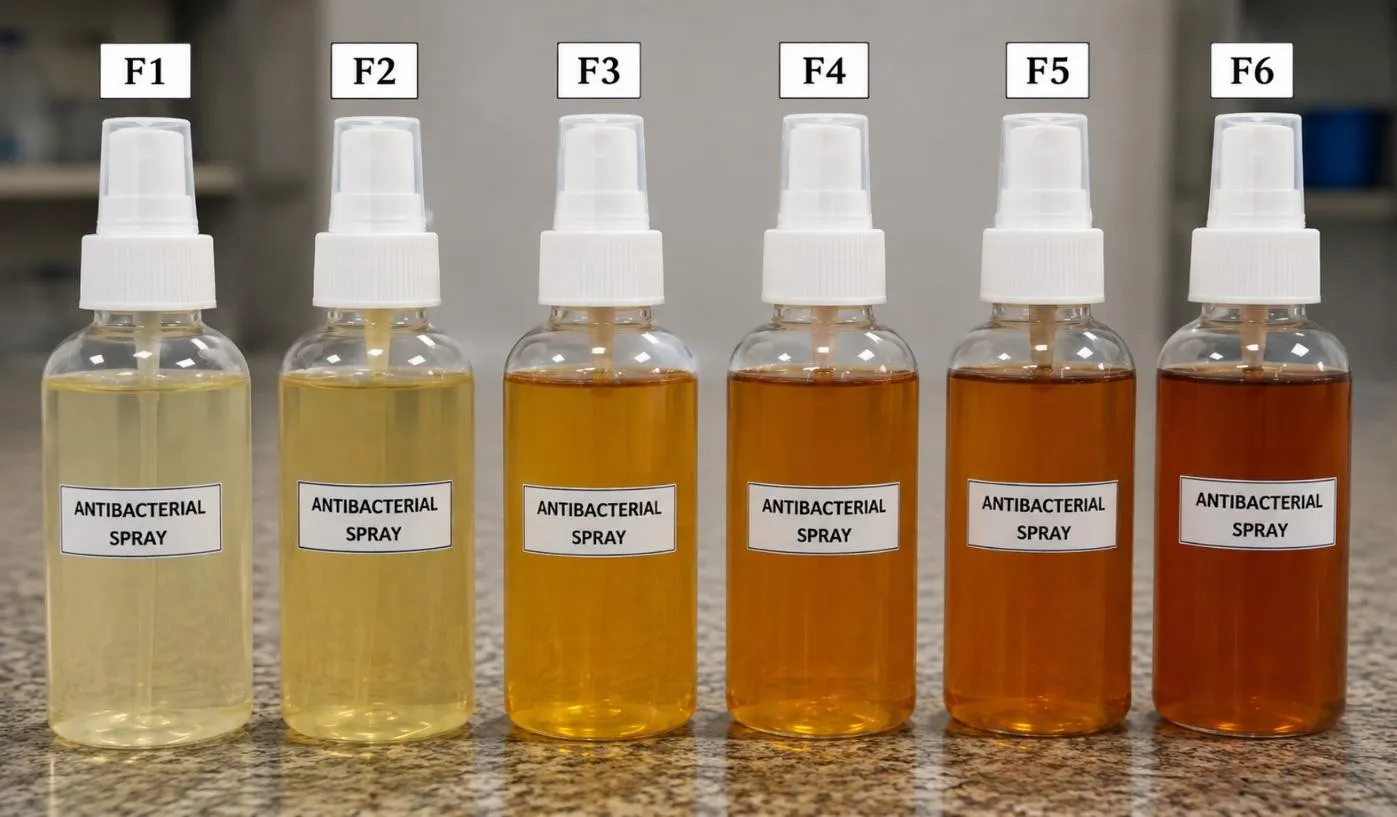
Fig. : Formulation of Antibacterial Spray
Optimization of Formulation
Optimization is an essential step in herbal formulation development. Multiple formulation batches containing different concentrations of pineapple peel extract and excipients are prepared and comparatively evaluated. Parameters such as antibacterial activity, physicochemical characteristics, spray performance, stability, and patient acceptability are considered during optimization. Modern statistical tools such as factorial design, response surface methodology (RSM), and Box–Behnken design are frequently employed to identify the optimized formulation while minimizing experimental variability.
Spray Pattern and Spray Performance
Spray pattern is an important quality attribute that determines the uniformity of drug distribution over the affected area. The spray should produce fine droplets with a consistent spray angle and uniform coverage. Evaluation of spray performance includes measurement of spray angle, spray area, droplet size, number of actuations, spray consistency, and dose delivered per actuation. Proper spray characteristics ensure efficient delivery of antibacterial phytochemicals while minimizing product wastage.
Microbiological Evaluation
The antibacterial activity of the prepared formulation is evaluated against representative Gram-positive and Gram-negative bacteria using standard microbiological techniques. Agar well diffusion and disc diffusion methods are commonly employed to determine the zone of inhibition, while broth dilution techniques are used to determine the minimum inhibitory concentration (MIC) and minimum bactericidal concentration (MBC). Test organisms generally include Staphylococcus aureus, Escherichia coli, Pseudomonas aeruginosa, and Bacillus subtilis. Greater zones of inhibition and lower MIC values indicate superior antibacterial efficacy.
Stability Studies
Stability studies are conducted to evaluate the ability of the formulation to maintain its quality throughout the intended shelf life. Accelerated stability testing under elevated temperature and humidity conditions, as well as long-term storage studies, are performed according to regulatory guidelines. Parameters such as appearance, pH, viscosity, spray pattern, phytochemical content, bromelain activity, microbial contamination, and antibacterial efficacy are monitored periodically. Stable formulations should exhibit no significant changes in these parameters throughout the study period.
Advanced Drug Delivery Approaches
Recent advances in pharmaceutical technology have introduced several novel delivery systems for herbal formulations, including nanoemulsions, liposomes, phytosomes, nanogels, and polymeric nanoparticles. These advanced systems improve the stability, skin penetration, and bioavailability of pineapple peel phytochemicals while providing sustained antibacterial activity. Incorporation of pineapple peel extract into nanotechnology-based delivery systems may further enhance therapeutic efficacy and reduce the frequency of application.
Advantages of Pineapple Peel-Based Antibacterial Spray
The pineapple peel-based antibacterial spray offers several advantages over conventional synthetic formulations. It utilizes renewable agricultural waste, thereby supporting sustainable pharmaceutical development and reducing environmental pollution. The formulation exhibits broad-spectrum antibacterial activity, antioxidant and anti-inflammatory effects, improved patient compliance due to ease of application, and reduced risk of antimicrobial resistance because of the synergistic action of multiple phytochemicals. Furthermore, the use of biodegradable ingredients and eco-friendly packaging aligns with green chemistry principles and circular economy concepts.
Advances in Pineapple Peel Research
During the past decade, scientific investigations on pineapple peel have increased considerably. Earlier studies primarily focused on the nutritional composition and bromelain extraction; however, recent research has expanded to include comprehensive phytochemical profiling, molecular mechanisms of antibacterial activity, antioxidant characterization, anti-inflammatory effects, and advanced pharmaceutical formulations.
Modern chromatographic and spectroscopic techniques such as High-Performance Liquid Chromatography (HPLC), Ultra-High-Performance Liquid Chromatography (UHPLC), Gas Chromatography–Mass Spectrometry (GC–MS), Liquid Chromatography–Mass Spectrometry (LC–MS), Fourier Transform Infrared Spectroscopy (FTIR), and Nuclear Magnetic Resonance (NMR) spectroscopy have enabled the identification and quantification of numerous bioactive constituents present in pineapple peel. These analytical advances have facilitated standardization of herbal extracts, ensuring consistent quality and reproducible therapeutic efficacy.
Furthermore, computational approaches including molecular docking and in silico pharmacological studies are increasingly being employed to predict interactions between pineapple peel phytochemicals and bacterial proteins. These investigations have provided valuable insights into the molecular basis of antibacterial activity and have supported the development of targeted phytopharmaceutical products.
Nanotechnology-Based Drug Delivery Systems
Nanotechnology has revolutionized topical drug delivery by improving the stability, bioavailability, and penetration of plant-derived bioactive compounds. Several nanotechnology-based systems have been investigated for the delivery of pineapple peel phytochemicals, including nanoemulsions, liposomes, solid lipid nanoparticles, polymeric nanoparticles, nanogels, phytosomes, and nanoencapsulation techniques.
Nanoemulsions improve the dispersion of hydrophobic phytochemicals and facilitate deeper penetration into the skin, thereby enhancing antibacterial efficacy. Liposomes protect bromelain and phenolic compounds from degradation while allowing controlled release at the site of infection. Polymeric nanoparticles provide sustained drug release and prolonged therapeutic activity, reducing the frequency of application. Similarly, nanogels combine the advantages of hydrogels and nanoparticles, offering improved skin adhesion, hydration, and controlled release of active constituents.
These advanced delivery systems significantly enhance the pharmaceutical potential of pineapple peel extracts and represent promising strategies for next-generation herbal antibacterial products.
Clinical Applications
The remarkable antibacterial, antioxidant, anti-inflammatory, and wound-healing properties of pineapple peel support its application in various clinical settings. Topical antibacterial sprays containing pineapple peel extract may be utilized for the management of minor skin infections, superficial wounds, abrasions, burns, insect bites, acne vulgaris, diabetic ulcers, postoperative wound care, and pressure ulcers. The ability of bromelain to reduce inflammation and promote enzymatic debridement further enhances its usefulness in chronic wound management.
Pineapple peel-derived formulations also have potential applications in dermatology for the treatment of bacterial skin infections caused by Staphylococcus aureus and other pathogenic microorganisms. In cosmetic science, pineapple peel extracts are being investigated as natural preservatives, antioxidant ingredients, anti-aging agents, and skin-conditioning components in creams, lotions, cleansers, and facial mists. Moreover, incorporation of pineapple peel phytochemicals into hand sanitizers, personal hygiene sprays, and disinfectant products may provide environmentally friendly alternatives to synthetic antimicrobial chemicals.
Industrial and Commercial Potential
The commercial utilization of pineapple peel represents an excellent example of agricultural waste valorization and circular economy implementation. Large quantities of pineapple peel generated by food-processing industries can be converted into high-value pharmaceutical ingredients, thereby reducing environmental pollution while creating additional economic opportunities. Pharmaceutical, cosmetic, nutraceutical, and food industries are increasingly exploring pineapple peel as a renewable source of bromelain, dietary fiber, antioxidants, and antimicrobial compounds.
Commercial production of pineapple peel-based antibacterial sprays offers several advantages, including reduced raw material cost, abundant availability of plant material, consumer preference for herbal products, and compatibility with sustainable manufacturing practices. Additionally, increasing global demand for natural healthcare products presents significant market opportunities for the commercialization of pineapple peel-derived formulations.
Challenges in Formulation Development
Despite its considerable therapeutic potential, several challenges remain in the pharmaceutical development of pineapple peel-based antibacterial sprays. One of the major limitations is the natural variability in phytochemical composition resulting from differences in geographical origin, climatic conditions, soil characteristics, plant maturity, harvesting season, and extraction procedures. Such variability may influence antibacterial activity and complicate product standardization.
Another challenge involves the stability of bromelain, which is susceptible to degradation under elevated temperatures, extreme pH conditions, and prolonged storage. Appropriate stabilization techniques and optimized formulation conditions are therefore essential to preserve enzymatic activity. Herbal extracts may also exhibit undesirable color, odor, or precipitation during storage, affecting consumer acceptance and product quality.
Microbial contamination represents another important concern because plant-derived materials naturally contain microorganisms that may proliferate during storage if adequate preservation systems are not employed. Furthermore, large-scale extraction and purification processes require optimization to ensure economic feasibility while maintaining phytochemical integrity. Regulatory approval also remains challenging because herbal formulations must satisfy stringent quality, safety, efficacy, and standardization requirements before commercialization.
CONCLUSION
The increasing prevalence of antimicrobial resistance and growing environmental concerns have created an urgent need for sustainable alternatives to conventional synthetic antibacterial agents. Pineapple (Ananas comosus) peel, traditionally regarded as an agricultural waste product, has emerged as a valuable renewable source of biologically active phytochemicals possessing remarkable antibacterial, antioxidant, anti-inflammatory, and wound-healing properties. The presence of bromelain, flavonoids, phenolic acids, tannins, saponins, alkaloids, vitamins, and other secondary metabolites enables pineapple peel extract to exert broad-spectrum antimicrobial activity through multiple complementary mechanisms, including disruption of bacterial cell walls, inhibition of protein synthesis, enzyme inactivation, oxidative stress induction, and suppression of biofilm formation.
Recent advances in extraction technologies, phytochemical characterization, nanotechnology-based drug delivery systems, and pharmaceutical standardization have significantly expanded the therapeutic applications of pineapple peel. Formulation of herbal antibacterial sprays utilizing pineapple peel extract represents a scientifically justified and environmentally sustainable strategy that combines effective infection control with agricultural waste valorization and green chemistry principles. Such formulations offer several advantages, including improved patient compliance, reduced environmental impact, enhanced safety, and decreased likelihood of antimicrobial resistance compared with conventional synthetic products.
Although challenges related to standardization, stability, regulatory approval, and large-scale manufacturing remain, ongoing scientific advancements continue to address these limitations. Future investigations involving advanced analytical techniques, controlled clinical studies, and innovative drug delivery systems are expected to further enhance the pharmaceutical potential of pineapple peel. Overall, the available scientific evidence strongly supports Ananas comosus peel as a promising natural antibacterial agent with significant potential for the development of safe, effective, economical, and eco-friendly topical pharmaceutical formulations. Its successful utilization not only contributes to sustainable healthcare but also promotes the transformation of agricultural waste into valuable therapeutic products, thereby supporting the principles of green pharmaceutical development and circular economy.
REFERENCES
583. doi:10.36341/klinikal_sains.v13i2.6965.
583. doi:10.36341/klinikal_sains.v13i2.6965.

Sanket Mogal, Sheetal Godse, Aniket Pawar, Rohan Tarale, Pineapple Peel-Based Green Antibacterial Spray: A Comprehensive Review, Int. J. of Pharm. Sci., 2026, Vol 4, Issue 7, 2456-2475, https://doi.org/10.5281/zenodo.21337897
 10.5281/zenodo.21337897