

We use cookies to ensure our website works properly and to personalise your experience. Cookies policy
Indore Institute of Pharmacy, Indore, Madhya Pradesh 453331
Salbutamol, commonly known as albuterol, is a trusted short-acting ?2 agonist used for treating acute bronchospasm in asthma and chronic obstructive pulmonary disease, with more than 650 million patients depending on it. Its inclusion on the World Health Organization's essential medicines list signals enduring trust, but researchers are increasingly probing a practical question: how do expiry dates affect its chemical stability, potency, and therapeutic utility? Hospitals and national stockpiles hold extensive quantities of salbutamol for crisis response, yet routine destruction of expired units carries significant financial and ecological consequences. That practice faces increasing challenge from analytical findings indicating that, with appropriate storage, salbutamol can preserve roughly 98% of its active pharmaceutical ingredient two to three decades beyond its printed expiry. Chromatographic examinations have not identified degradation products of clinical concern in these cases, and the FDA's Shelf-Life Extension Program lends regulatory credibility to reassessing disposal mandates. This review synthesises current analytical, pharmacological, and regulatory literature on the viability of salbutamol after its labelled expiry. We systematically examine principal degradation routes—hydrolysis, oxidation, and photodegradation—and evaluate physical integrity concerns specific to MDIs and nebulizer solutions. We evaluate the toxicological and therapeutic consequences of degradation products, establish potency benchmarks for clinical adequacy, and discuss pragmatic emergency-use considerations. Finally, we propose a structured framework to support evidence-based extension or reassessment of the shelf life for stockpiled salbutamol, with direct application in resource-limited settings.
Salbutamol (albuterol) remains the cornerstone for treating acute bronchospasm, serving as a critical "reliever" medication for the patients affected by asthma and chronic obstructive pulmonary disease (COPD). Its inclusion on the World Health Organization’s list of essential medicines underscores its status as one of the most effective and safe bronchodilators in modern healthcare systems [1]. Scopus-indexed literature highlights a significant global reliance on salbutamol (albuterol) as the primary short-acting beta-2-agonist (SABA) for treating asthma and COPD, often as a reliever medication. While it is considered an essential, effective medicine, recent research emphasizes that this high reliance often crosses into overuse, causing both clinical risks and environmental concerns. Key findings from Scopus-indexed studies (2017–2026) regarding global reliance:
High Prevalence of Reliance and Overuse Persistent Overuse: Studies show a high prevalence of SABA overuse, with an average of 32.6% of all SABA users overusing the medication. Overreliance & Poor Control: High reliance is often associated with worse asthma outcomes, higher rates of exacerbations, and decreased lung function over time, indicating a dangerous reliance on reliever medication rather than preventer therapy (e.g., ICS). Measurement Tools: Researchers developed the"[SABA Reliance Questionnaire (SRQ)]" to identify patient beliefs causing overreliance and to assist in behavioral changes. Clinical Findings & Safety Effectiveness in CMS: A 2025 systematic review found salbutamol highly effective in treating Congenital Myasthenic Syndrome (CMS), with 93.6% of patients reporting partial or full improvement. Risks: Excessive use (e.g., >3 canisters per year) is linked to a higher risk of emergency department visits and death. Treatment Changes: Modern guidelines are steering away from salbutamol monotherapy, preferring anti-inflammatory relievers (like BUD-FORM). Global Reliance and Emergency Stockpiling: There is a massive global reliance on salbutamol, particularly in acute management where its rapid onset of action— typically within 5to15 minutes—is life-saving. This widespread use has led to its central role in emergency stockpiles for hospitals, first aid kits, and national reserves. However, maintaining these stockpiles presents a significant logistical and financial challenge due to the regular disposal of medications that reach their manufacturer-defined expiration dates [2],[3]. Expiration Date Controversies: Controversy surrounding expiration dates has intensified as recent research challenges the rigid disposal of "out-of-date" products. Extended Potency: Studies have found that salbutamol can retain 98% of its active drug content 20 to 30 years past its stated expiration. Stockpile Extension Programs: The U.S. FDA Shelf-Life Extension Program (SLEP) was specifically created to address this, extending the life of certain military stockpiles by years after finding significant retained strength. Efficacy in Urgency: While healthcare providers generally advise against using expired medication, expert consensus suggests that in life-threatening emergencies where no alternative exists, an expired inhaler is significantly better than no treatment, as it likely retains sufficient potency to prevent clinical deterioration [4],[5]. Rationale for Revisiting Product Quality: The primary rationale for revisiting the quality of expired salbutamol is economic and environmental sustainability. Disposal of potent, effective medication imposes a heavy financial burden on healthcare systems and free clinics. Furthermore, laboratory analyses (such as HPLC methods) have shown that toxic degradation products are rarely found in significant concentrations even decades post-expiry, provided the units were stored correctly [6]. Scope and Objectives: This contemporary review aims to synthesize recent analytical data regarding the chemical stability and potency of salbutamol formulations post-expiry. Evaluate the safety profile of using older stockpiles, focusing on the presence of impurities or mechanical failure in delivery devices like MDIs. Propose a framework for extending the shelf life of emergency salbutamol reserves based on rigorous quality assessment rather than arbitrary labeling [7].
2. PHARMACOLOGICAL PROFILE
2.1 Chemical Structure And Β₂-Agonist Mechanism
Salbutamol (albuterol) is a short-acting, selective β₂-adrenergic agonist that mainly targets receptors in the bronchial tree, with much less activity at cardiac β₁-receptors [8],[9]. Structurally, it is a synthetic sympathomimetic amine built on a phenylethanolamine backbone, similar to endogenous catecholamines but modified to favour β₂-receptor binding [10],[8]. A key structural feature is the bulky tert-butyl group on the side-chain nitrogen, which pharmacology and SAR studies associate with greater selectivity for β₂-receptors in tracheobronchial smooth muscle compared with β₁-receptors in the heart [11],[10]. Salbutamol is marketed as a racemic mixture containing equal amounts of R and S-enantiomers; experimental work shows that most of the bronchodilator and bronchoprotective effect is attributable to the R-isomer, while the S-isomer has little or no beneficial activity and may be associated with unwanted effects [12],[13],[14]. When salbutamol reaches the airways, it attaches to β₂-adrenergic receptors on the surface of bronchial smooth-muscle cells; this receptor–drug interaction couples to the Gs protein and switches on the intracellular signaling machinery that controls muscle tone [15],[8]. Activation of these β₂-receptors promotes formation of cyclic AMP inside the cell, which in turn alters phosphorylation of contractile proteins and lowers the drive for contraction, so that the airway smooth muscle relaxes and the bronchi widen [16],[8]. In parallel, increased β₂-receptor signaling in airway inflammatory cells (for example, mast cells) can dampen the release of mediators such as histamine and tumor necrosis factor, adding a modest bronchoprotective and anti-inflammatory component to the primary bronchodilator effect [17],[18].
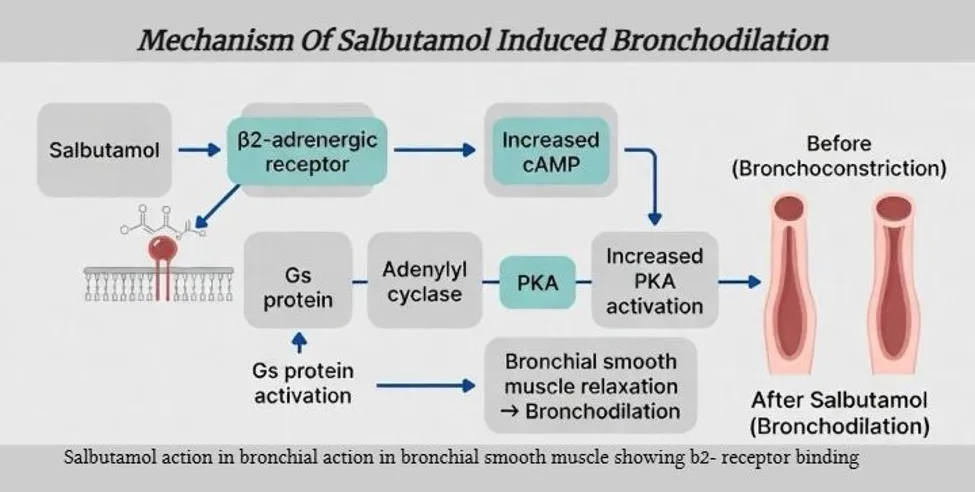
Figure 1 β₂-Adrenergic Receptor-Mediated Signaling Pathway of Salbutamol in Bronchial Smooth Muscle
2.2 Clinical Indications and Dosage Forms
Salbutamol (albuterol) is mainly used as a short-acting “reliever” medicine for the treatment and prevention of bronchospasm in asthma and chronic obstructive pulmonary disease (COPD) [19],[20]. It is also used to prevent exercise-induced bronchospasm and to relieve acute worsening of chronic bronchospasmatic conditions such as chronic bronchitis and emphysema [21],[22]. Outside the airways, salbutamol can be used as an adjunct treatment for acute hyperkalemia (to shift potassium into cells) and sometimes as a short-term tocolytic to delay uncomplicated preterm labour [16],[20]. The main dosage forms available are pressurised metered-dose inhalers (pMDIs), dry-powder inhalers, nebuliser solutions, oral tablets and syrups, and injectable formulations for IV or subcutaneous use [19],[21],[16],[20]. Inhaled salbutamol from pMDIs or nebulisers has a rapid onset of action (usually within a few minutes) and a bronchodilator effect that typically lasts 4–6hours, which is why it is preferred for quick symptom relief [22],[19],[21].
2.3 Standard Stability Profile And Labeled Shelf Life
The printed expiry date on salbutamol inhalers and nebulizer solutions is set by the manufacturer based on stability studies that show how long the product can be expected to meet its specifications under the recommended storage conditions [23],[24],[25]. For many salbutamol pMDIs (for example, Ventolin HFA or Proventil HFA), the manufacturer’s labeled shelf-life from the date of manufacture is often around 1–2years, although the exact period depends on the brand and local regulatory approval [25],[24]. In addition to the overall expiry date, many inhalers and nebuliser products have a shorter “in-use” shelf life once the foil pouch is opened or the device is first assembled, after which the manufacturer no longer guarantees full potency or sterility [23],[25],[24]. Studies on expired albuterol products suggest that many inhalers and solutions retain a substantial proportion of their labeled drug content for some time past the expiry date, especially when stored properly, although potency may gradually decline [26][27][28]. Despite evidence of some residual potency, official guidance still recommends that salbutamol inhalers and solutions should not be used beyond their printed expiry date in routine practice, especially when reliable alternatives are available [28],[29],[23].
2.4 Storage Requirements And Environmental Stability Factors
Product information and expert guidance generally recommend storing salbutamol inhalers at room temperature (often specified as below about 25 °C), protected from freezing, excessive heat, and direct sunlight [29],[23],[19]. Guidance for patients usually advises keeping inhalers and nebulizer vials in a cool, dry place a way from bathrooms, kitchens, or parked cars, because high heat and humidity can speed up degradation and may also damage the device [28],[24][23]. Once foil-wrapped inhalers or unit-dose nebulizer vials are opened, they should be used within the “in-use” period stated in the product information (often a few weeks to months) to avoid reduced potency or loss of sterility [25][23],[24]. Many inhaler devices now include dose counters; patients are advised to discard the inhaler when the counter reaches zero or when the in-use time has been exceeded, even if there still appears to be spray coming out [29],[25],[24]. Correct storage and timely replacement are especially important for rescue inhalers like salbutamol, because reduced potency or device malfunction during an asthma attack could lead to inadequate symptom relief and avoidable clinical risk [30],[28],[19].
3. EXPIRATION SCIENCE FUNDAMENTALS
3.1 Regulatory Basis for Expiry Date Assignment
Expiry dates are based on formal stability studies that show how long a medicine can maintain its labeled potency and other key quality attributes when stored as recommended [31],[32],[33]. In regulations such as 21CFR 211.166, manufacturers are required to design a written stability programme and use the resulting data to justify both the expiry date and the storage conditions that appear on the label [32],[33]. Internationally, regulators expect companies to follow harmonized stability guidance from the International Council for Harmonisation (ICH), so that the same data package can support approval in multiple regions database [34],[35],[31]. WHO stability guidelines also explain that an expiration period is assigned based on long-term and accelerated studies, and that this period may be reconsidered if additional data support a longer or shorter shelf life [36],[31].
3.2 ICH Stability Testing Guidelines
ICH Q1A(R2) describes how to design stability studies for new drug substances and products, including which storage conditions to use, how many batches to test, and which quality parameters must be monitored over time [35],[34]. The guideline states that long-term samples should normally be tested “every 3 months over the first year, every 6 months over the second year, and annually thereafter” through the proposed shelf-life [36],[34]. Accelerated stability studies are performed at higher temperatures for atleast 6 months to reveal faster degradation; these data are used together with long-term results to support the claimed expiry date [35],[37],[36]. WHO and ICH documents emphasise that testing intervals must be frequent enough to characterize the stability profile of each product, and that more data may be needed for products intended for hot or humid climates [38],[31],[36].
3.3 Degredation Pathway: oxidation reduction Photodegradation
The two most common chemical pathways that reduce drug stability are hydrolysis and oxidation, and many small-molecule medicines are vulnerable to one or both of these reactions [39],[40],[41]. Hydrolysis involves reaction with water and is particularly important in aqueous solutions and liquid dosage forms; functional groups such as esters and amides are particularly prone to hydrolytic breakdown under physiological and storage conditions [42],[40],[39]. Oxidation is driven by factors like dissolved oxygen, light and trace metals, and can often be slowed by excluding air and light or by adding antioxidants to the formulation pharmacy [41],[40],[39]. For salbutamol specifically, photochemical studies have shown that it can undergo light-induced reactions, generating intermediate degradation products and eventually smaller fragments under UV or photo-catalytic conditions [43],[44],[45].
3.4 Physical Changes: Discoloration, Precipitation, Aerosol Performance
Stability studies monitor not only assay and impurities but also physical appearance, because changes in color, clarity or odour may indicate underlying chemical degradation or contamination [46],[40]. In liquid formulations, precipitation of the active ingredient or excipients can reduce the amount of drug in solution and may clog delivery devices if particles grow or aggregate [47],[40]. For pressurized metered-dose inhalers, physical stability testing includes measuring delivered dose and aerosol particle size distribution, because changes in suspension behaviour or valve performance can reduce the fine-particle fraction reaching the lungs [48],[49],[47]. Studies on inhaler formulations show that factors such as propellant type, valve lubrication, storage temperature and canister orientation can all influence sedimentation, particle growth and, ultimately, dose consistency during shelf life [49],[47],[48].
4. POST-EXPIRY QUALITY ASSESSMENT
4.1 Published Studies On Api Content Retention
Multiple independent studies and programmatic analyses report that many pharmaceuticals, including salbutamol, frequently retain a large proportion of labeled active ingredient well beyond the printed expiry date. A systematic analysis of long-term stability across many drug substances found the majority remained chemically stable after decades at ambient storage conditions, supporting observations of retained API in older salbutamol samples. Specific analyses and extended shelf investigations cited in compiled reviews and stockpile programs have measured salbutamol/albuterol retention near labeled potency even 20–30years post-expiry when units were stored correctly [50].
4.2 Comparative Potency Data Across Time Periods
Head‑to‑head quantitative assays (HPLC or stability‑indicating methods) show slow, generally monotonic declines in measured salbutamol content under normal storage, with variability depending on formulation (aqueous solution vs. MDI/DPI), excipients, and storage conditions . Aqueous solutions show pH‑dependent degradation: maximum chemical stability occurs near acidic pH (~3–4), while alkaline regions accelerate breakdown; excipients such as sugars and certain buffers can accelerate or retard degradation depending on conditions Metered‑dose inhalers often show maintenance of delivered dose counts for long periods because the API is protected inside a pressurized canister, though delivered potency can fall if propellant or valve integrity changes even if bulk API remains largely intact [51].
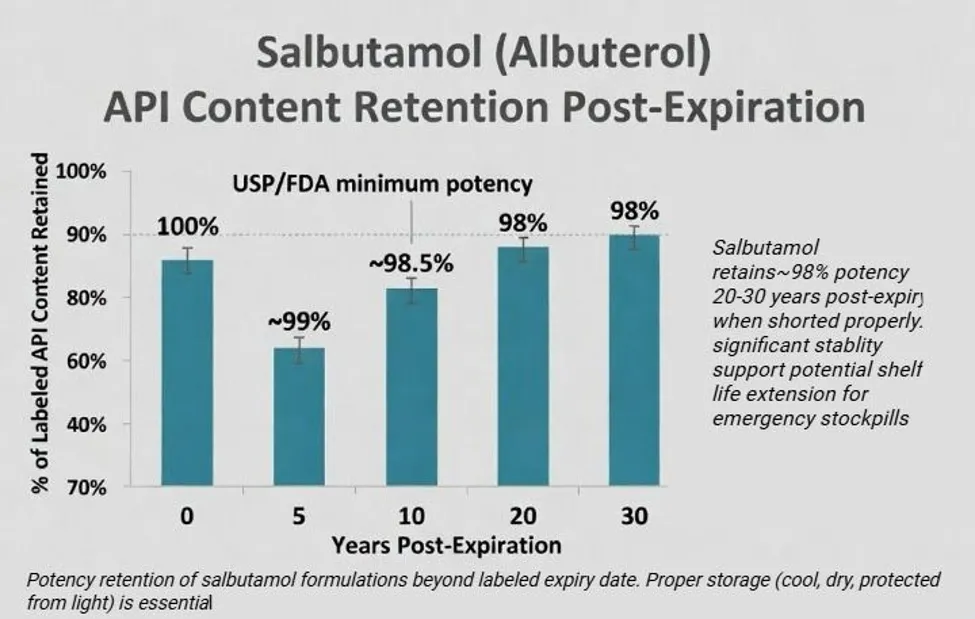
Figure 2 Stability Profile of Salbutamol Demonstrating Potency Retention After Expiration.
4.3 Physical Stability of Inhalers and Solutions
Physical stability concerns differ by dosage form. For inhalers (pMDIs and DPIs), the main physical risks with extended storage are valve/canister integrity, propellant composition changes, and altered spray or particle size distribution that change lung deposition even if API mass is preserved. High temperature cycles, freezing/thawing, or prolonged exposure to heat/sunlight can damage the valve or change aerosol characteristics, reducing delivered clinical dose despite retained chemical potency. For aqueous nebuliser solutions and syrups, hydrolytic and oxidation pathways are important; degradation rates increase with pH extremes, presence of oxygen, and with certain excipients (e.g., reducing sugars); physical changes such as color or particulate formation can indicate instability and possible breakdown products [38].
4.4 Microbiological Stability Concerns
Multi-dose aqueous preparations and reusable nebuliser equipment present the greatest microbiological risk. Domiciliary and clinical studies documented frequent contamination of nebuliser solutions and devices, with common isolation of gram negative bacilli (including Pseudomonas) and respiratory flora; contamination rates in older studies exceeded 50% for some domiciliary settings. Pressurized metered-dose inhalers have also been found to harbour microbial colonisation on mouthpieces and internal surfaces after use, commonly with Staphylococcus, Streptococcus, Haemophilus species and occasionally clinically relevant organisms such as MRSA or ESBL producing Enterobacteriaceae. Microbial contamination is largely a use related problem (user hygiene, cleaning, storage) rather than a calendar expiry issue, but expired multi-dose aqueous products that lack effective preservative systems or have compromised containers pose higher microbiological risk [52].
5. ANALYTICAL METHODOLOGY REVIEW
5.1 HPLC/UV Assay Methods For Potency Determination
A solid-phase extraction procedure combined with HPLC-DAD method was validated for the determination of Salbutamol in urine samples observing inhaled administration, with proportion taken at 0.5 and 24 hr after a cleanup procedure. Agilent ODS um 4.6x250 mm, C18 stationary phase with a mobile phase consisting of a mixture of acetonitrile and water (adjusted to pH = 3 using ortho phosphoric acid) (90: 10, v/v) at a flow rate of 1 mL/min with detection at 220nm, and Bambuterol HCl as an internal standard were used for evolution of the method. The method permits the detection of salbutamol in human urine at a concentration as low as 0.15μg/mL [53]. A rapid and sensitive high-performance liquid chromatographic (HPLC) method was developed for the quantification of salbutamol in rat plasma. Terbutaline was utilized as an internal standard (IS). Study Design: Validation study. Methodology: The current method engaged solid-phase extraction of salbutamol from rat plasma. Chromatographic separation was performed isocratically on a reversed-phaseC 18 column (250×4.6mm, 5μ) and the column effluent was monitored by a UV detector at 276 nm. The mobile phase used was acetonitrile: 50mm ammonium acetate (pH 7.0) (80: 20 % v/v) at a flow rate of 1.0 ml/min. Results and Discussion: This methodology was linear over the range of 50.0–1000.0ng/ml with a regression coefficient greater than 0.99… The practice was successfully applied for a pharmacokinetic Study of salbutamol in rats [54].
5.2 Impurity Profiling and Degradation Product Identification
Salbutamol has distinct conditions for degradations like hydrolytic (acidic, basic, and neutral), oxidative, photolytic, and thermolytic, which have been examined in detail for bronchodilators. Multiple analytical methods, including Chromatographic techniques like TLC, HPTLC, HPLC, GC, and spectroscopic techniques like UV, IR, are utilized for impurity profiling [58]. Drugs used for the treatment of asthma can be extensively divided into bronchodilators and prophylactic drugs. In the last few years, there has been a rise in the use of bronchodilators, which include adreno-receptor agonists (β2-agonists). Salbutamol, [2(tert-butylamino)-1-(4-(hydroxy-3-hydroxymethylphenyl)ethanol], also known as albuterol, is clinically the most widely used β2-agonist in the treatment of bronchial asthma. In addition to its anti-asthmatic effects, it has been pharmacologically proven to be able to increase muscle protein, reduce total body fat due to lipid removal from fat depots, and stimulate muscle growth. The use of salbutamol by athletes has been prohibited by the World Anti-Doping Agency (WADA) due to effects on the central nervous system and due to certain anabolic-like effects. Salbutamol is eliminated in urine as a mixture of the unchanged drug and its conjugated metabolite, especially sulfate [55].
5.3 Aerosol Performance Testing (Fine Particle Dose)
Ten actuations of the 50mg preparations and five actuations of the 100mg preparations were supplied to the apparatus [56]. A new inhaler (Medspray) for Pulmonary drug delivery based on the principle of Rayleigh break-up has been tested with three different spray nozzles (1.5, 2.0, and 2.5μm) using aqueous 0.1% (w/w) salbutamol and 0.9% (w/w) sodium chloride solutions [57]. As a result, the thin Particle size distribution in the aerosol from the Medspray is highly reproducible for the scope of flow rates from 30 to 60 min. The mass median aerodynamic droplet diameter can be well controlled within the size range from 4 to 6μm at 60 min [57]. In vitro extents of aerosol particle size, such as the fine particle mass, play a key role in the approval of inhaled anti-asthmatic drugs. However, the validity as a measure of dose to the lungs in children lacks evidence. In this study, we investigated for the first time the association between an in vivo assessment of the lung dose of inhaled drug in children and the corresponding particle size segments considered ex-vivo. The lung dose of fluticasone propionate after inhalation from a dry powder inhaler (Diskus) was studied in 23 children aged 4-7 and 12-15years with mild asthma [58]. We examined the in-vitro impact of breathing patterns on lung dose (LD) and particle size distribution in an infant upper airway cast model in order to determine the optimal particle size for nebulized aerosol delivery to infants [59]. From our in vitro study, we conclude that the optimal particle size for nebulized aerosols for inhalation therapy for infants should have a MMAD of < 2.4 micron [59].
5.4 Stability-Indicating Method Validation
The examination describes the development and succeeding validation of a stability-indicating reverse-phase high performance liquid chromatography method for the simultaneous. Estimation of salbutamol sulphate and theophylline in tablet dosage forms [60]. In this particular study, standard Salbutamol solutions and the sample solutions were injected, and a single peak was acquired, indicating that there was no interference from the excipients used or from the mobile phase. The proposed RP-HPLC method has outstanding sharpness, precision, and reproducibility. Although no attempt has been made to identify degraded products, the proposed method can be used as a stability-indicating method for the analysis of Salbutamol [61]. The Salbutamol rise passed the peak purity testing. The presented method was accurate with 99. 58% recovery for Salbutamol and precise (%RSD of area of assay repeatability, intermediate precision, and reproducibility were found 0.65%, 0.99%, and 0.61% respectively). Hence, this method can be considered to evaluate the quality of the drug product during stability studies and periodic research with constant and reproducible results [62].
6. SAFETY AND CLINICAL CONSIDERATIONS
6.1 Therapeutic Efficacy Implications of Potency Loss
Salbutamol, also known as albuterol, is commonly prescribed short-acting Beta2- adrenergic agonist used in the management of acute asthma symptoms and bronchospasm. The drug exerts its therapeutic action by reducing bronchial smooth muscle contraction, leading to effective bronchodilation [63]. Given its essential role as a rescue medication, any decline in potency after expiration may have important clinical implications. Evidence from a 2022 HPLC study by Kutty et al. showed that expired montelukast samples remained highly stable, retaining more than 90% of labeled drug content. Albuterol solutions generally showed similar results, apart from two samples with potency values between 80% and 90%. In comparison, expired albuterol inhalers showed greater variability in potency retention [64]. Changes in inhaler potency may have greater therapeutic consequences than those observed in solutions, as inhalers require both adequate drug content and functional device mechanics for optimal drug delivery. A 2022 study demonstrated that albuterol inhalers maintained more than 90% of labelled potency up to 50 years after their expiration date. However, further investigation is needed to establish whether expired inhalers remain safe and therapeutically reliable under various storage conditions [64]. According to the most recent systematic review conducted by Charlton et al. and published in Resuscitation Plus in 2025, albuterol (salbutamol) maintained 98% of its labeled potency 20-30 years after expiration with only limited evidence of harmful degradation [65]. These results should inform emergency stockpile and disaster-preparedness strategies. From an efficacy standpoint, the therapeutic dose reference is the Start Pearls albuterol chapter (NCBI Bookshelf, updated Jan 2024). Per GINA, inhaled albuterol (salbutamol) is the recommended bronchodilator for acute asthma: in mild-to-moderate exacerbations, administering 4-10 puffs every 20 minutes during the initial hour has been shown to rapidly reverse airflow limitation (Evidence A). Thereafter, dosing is typically reduced to 4-10 puffs every 3-4hours, though higher-frequency dosing (6-10 puffs every 1-2 hours) may be required [66]. A post-expiry potency loss of just 10-20% could theoretically force clinicians to adjust dosing to maintain bronchodilator effectiveness—an issue that receives little attention in everyday clinical decision-making.
6.2 Risk Assessment Of Degradation Products
Beyond loss of potency, a major clinical worry with expired drug is generation of harmful degradation products. Because salbutamol resembles catecholamines, it can undergo oxidation, racemization, and hydrolysis. Charlton et al.'s 2025 systematic review of first-aid drugs, however, reported that under the study conditions evaluated, expired preparations typically maintained active drug and were largely free of dangerous by products past their labeled expiration. On scientific and ethical grounds, therefore, using expired medicines in emergencies may be justifiable when no alternative exist [65]. The S-enantiomer of salbutamol is recognized as a toxicity concern even in in-date products. USP materials describe the drug as a racemic R/S mixture, with the R-isomer having roughly 150-fold higher affinity for β2 receptors and the S- isomer linked to toxic effects. Although an R-only (single-enantiomer) salbutamol was developed to address this, its high expense relative to the racemate limits routine use [67]. If racemization increases the S-isomer proportion after expiry, the drug's toxicity profile would likely worsen, though current direct evidence from expired product analysis is limited. Charlton et al.(2025) point to the FDA SLEP, which found that approximately 90% of over 100 prescription and OTC medicines remained safe and effective long after their expiration dates [65]. The SLEP demonstrated that most medications do not generate significant toxic degradation products during long-term storage under suitable conditions. However, β₂-agonist toxicity remains clinically important due to its effects on cardiac electrophysiology. As reported by Zheng and Yadav (2021), manifestations include tachycardia, prolonged QT interval, dysrhythmias, hypokalemia, tremor, and lactic acidosis, which may rarely culminate in sudden cardiac death [68]. Therefore, in post-expiry evaluations, degradation products that increase non-selective β-adrenergic stimulation may effectively mimic a higher drug dose and thereby intensity toxicological risks in susceptible individuals.
6.3 Emergency Use Scenarios: Asthma Attacks And Stockpiles
Real-world shortages experienced during the COVID-19 pandemic intensified interest in the emergency use of expired salbutamol, as disruptions in drug availability forced healthcare providers to evaluate alternatives during periods of shortage. Elbeddini et al. (2020), writing in Drugs & Therapy Perspectives (PMID: 32837193), documented that essential inhalers became back ordered during the COVID-19 pandemic, while hospitals experienced a dramatic surge in salbutamol pMDI utilization [69]. According to the authors, pMDI wastage can be reduced through strategies such as reprocessing expired or previously used inhalers, the use of intravenous salbutamol or alternative short-acting inhalers, and the optimization of maintenance inhaler therapy [69]. The practical experiences observed in healthcare settings support the emergency use of expired medications when necessary. Medical News Today (2024), drawing on findings published in PubMed, advised that expired asthma inhalers be used only in urgent circumstances where no other inhaler is accessible, but should replace it with a new inhaler and seek treatment without delay [70]. Charlton et al. (2025) provided the most robust recent evidence supporting the use of expired medications in emergency stockpiles, with both ethical and scientific arguments supporting such use in the absence of alternatives [65]. Importantly, this conclusion was reinforced by evidence showing that albuterol retained 98% active drug content for up to 20-30 years beyond its expiration date, while demonstrating minimal evidence of harmful degradation products [64]. From a policy and regulatory perspective, SLEP provides a structured mechanism for extending the usability of stockpiled medicines. In 2023, the DoD reported that the program had saved approximately $1.3 billion in costs associated with replacing stored drugs [71]. The program shows that medications, including bronchodilators, can maintain their potency well beyond their labeled expiration dates when stored under controlled conditions, directly supporting the management of albuterol- containing emergency preparedness stockpiles. The FDA-declared albuterol shortage in late 2022 highlighted the clinical importance of maintaining access to rescue bronchodilators. The shortage, first declared in October2022 for 0.5% albuterol sulfate inhalation solution and still ongoing in April 2023, prompted worries about patient safety given the widespread reliance on albuterol as a quick-relief bronchodilator [72].
6.4 Patient Safety Thresholds For Bronchodilator Activity
The clinical safety threshold for salbutamol/albuterol after expiration should be evaluated through a dual lens of efficacy and toxicity, balancing the minimum bronchodilatory activity required for therapeutic benefit against the risk of dose-dependent adverse effects, particularly when reduced potency may encourage excessive use.
Table6.4-A: Overview of safety thresholds
|
Sr. no. |
Focus Area |
Key Data |
Source |
|
1 |
Minimum Efficacy Threshold |
Most expired salbutamol products retained >90% potency, consistent with FDA and USP standards (Kutty et al., 2022), although metered-dose inhalers showed greater variability attributable to propellant and valve degradation. |
[64] |
|
2 |
Cardiovascular Adverse Event Threshold |
Reported CVS side effects include tachycardia, QT prolongation, supraventricular and ventricular arrhythmias (including torsades de pointes), hypotension, myocardial ischemia and hypokalemia. A meta-analysis by Ma et al. (2023), synthesising data from 58 RCTs (n=12,961), documented overall adverse events of 34%, with severe adverse events in 2% and discontinuation in 3% of patients; palpitations/tachycardia constituted the most prevalent specific adverse effect. ERS (2022) pooled 26 RCTs (n=2,097) and reported a tachycardia incidence of 16% (95% CI: 11–22%), with preterm labour (48%) and IV salbutamol (47%) subgroups. Hypokalemia potentiates QT interval prolongation and arrhythmogenesis; increased HR occurs due to shortened diastole. |
[73], [74], [75] |
|
3 |
Vulnerable Population Thresholds |
Populations at elevated risk include paediatric patients, older adults, and those with pre-existing CVD, among whom QT prolongation and torsades de pointes occur with disproportionately high frequency. A documented case involved a 2-year-old who developed a QTc of 509 ms after salbutamol exposure, necessitating PICU admission; the dysrhythmia resolved with intravenous MgSO₄ and KCl supplementation. |
[73], [68] |
|
4 |
GINA SABA Overuse Safety Framework |
The 2024 GINA guidelines formally contraindicate SABA monotherapy in all adults and adolescents with asthma, stipulating that an ICS-containing regimen is required across this population. GINA 2025: Frequent SABA use increases airway inflammation, exacerbations, hospitalizations, and mortality. Preferred: ICS-formoterol (Track 1) — reduces severe exacerbations by ~60–65% vs SABA-alone. Post-Expiry dual hazard: When a sub-potent expired inhaler fails to deliver adequate bronchodilation, patients may compensate through repeated actuation, thereby risking simultaneous breach of the cardiovascular toxicity threshold. |
[76] |
Table 6.4- B: Cardiovascular Adverse Event Incidence-Pooled Data(2022-23)
|
Adverse Event |
Total AEs (Ma 2023) |
Severe AEs (Ma 2023) |
Tachycardia (ERS 2022) |
High-Risk Subgroups |
Reference |
|
Palpitations/ Tachycardia |
34% (all AEs) |
2% |
16% (95% CI: 11–22%) |
Preterm labour: 48%; IV Salbutamol: 47% |
[73], [74], [68] |
|
QT Interval Prolongation |
Subsumed within 34% |
Documented |
Case reports |
Pediatric: QTc 509 ms (PICU admission) |
|
|
Hypokalemia |
Subsumed within 34% |
Documented |
Compounding risk factor |
Potentiates arrhythmia risk |
|
|
Treatment Discontinuation |
3% |
– |
– |
Higher in pediatric patients (hospitalization) |
7. REGULATORY AND ETHICAL DIMENSIONS
7.1 Current Regulatory Stance On Expired Medicine Use
The present regulatory position on the use of expired medicines is fundamentally precautionary and quality-centered. Regulatory agencies do not treat the labeled expiration date as an arbitrary commercial marker; rather, it represents the end of the period during which the manufacturer can assure, on the basis of stability data, that the product will remain within approved specifications for identity, strength, quality, and purity when stored under labeled conditions. Once that date has passed, the product enters a zone of regulatory uncertainty in which the original quality guarantee no longer applies, even if the dosage form still appears physically intact [77],[70]. The practical significance of expiry is not that a product necessarily fails immediately after the printed date, but that continued compliance with approved specifications can no longer be assumed without additional stability evidence. Regulatory systems are therefore built around assurance rather than assumption; medicines lacking current evidence of stability are regarded as unsuitable for routine distribution, dispensing, or administration [78],[79]. Regulators also distinguish routine clinical care from emergency preparedness. In ordinary care settings, expired medicines are generally removed from stock and replaced. In contrast, extension of use beyond the labeled expiry is permitted only through structured mechanisms supported by additional testing, lot-specific evaluation, and legal authority. This distinction is central to modern policy: routine use of expired medicines is discouraged, while controlled extension may be allowed only under exceptional conditions [80].
7.2 Shelf-Life Extension Programs (Slep Data Relevance)
Shelf-life extension programs show that expiry dates do not always mean immediate loss of usefulness. The U.S. Shelf-Life Extension Program, started in 1986, was created to reduce the cost of replacing federal medical stockpiles, and selected products may receive extended shelf life after periodic testing confirms continued quality [81]. For salbutamol (albuterol) stability, SLEP holds one of the most extensive collections of controlled- stability data for pharmaceuticals. Over the years, the program has evaluated 122 drug products from 3,005 different lots, giving it a unique position as a source of post-expiry stability information. This makes SLEP a valuable reference when asking whether standard expiry dates tend to under estimate the true shelf life of medicines [73]. SLEP data support three key points about post-expiry salbutamol (albuterol) stability. The printed expiry date is not the moment the drug suddenly becomes in effective or unsafe; it only marks the end of the period for which the manufacturer has formally proven stability under specified storage conditions. Proper storage is critical: medicines in SLEP are kept in tightly controlled facilities with documented temperature, humidity, and light conditions, which is very different from typical home or clinic storage. Because of lot-to-lot variability, stability beyond expiry can only be assured through periodic testing and systematic evaluation of each individual lot, not by general assumptions about the drug class or formulation type [70],[82].
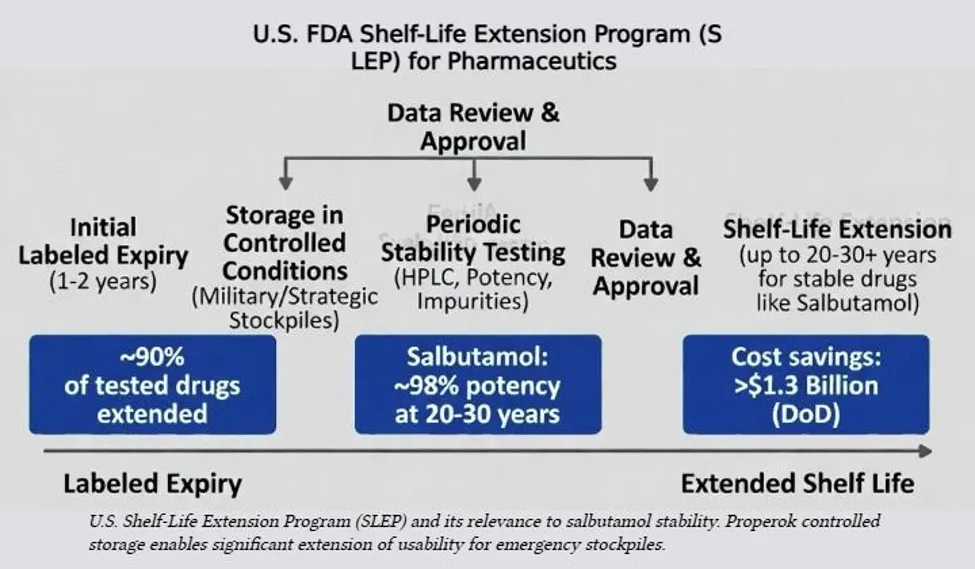
Figure 3 Role of Stability Testing in Extending the Shelf Life of Salbutamol through the FDA SLEP
7.3 Ethical Considerations In Resource-Limited Settings
The ethical issues around using expired salbutamol (albuterol) are especially complex in resource-limited settings, where shortages, poverty, weak supply chains, and economic barriers make ideal quality standards hard to maintain. In high-income countries, the choice is often between an in-date product and no treatment, but in low-resource environments, it may be between an expired product and no therapy at all for a life-threatening condition. For asthma and COPD patients, this is particularly critical, since salbutamol is a rescue drug that may be the only way to relieve acute bronchospasm [83],[84]. The ethical problem is worsened by issues of justice. Resource-limited populations already face higher risks from substandard and falsified medicines, weak supply systems, and poor post- market surveillance. Normalizing the use of expired products in these settings could reinforce a two-tier system, where wealthier countries receive validated, in-date medicines while poorer communities are expected to accept uncertain quality simply because they lack resources. This raises a key ethical question: should patients in low-income settings be asked to accept lower medicine quality standards just because their health systems cannot guarantee access to in-date products? [84].The ethical stance of major international organizations adds complexity to the debate. The World Health Organization, in its guidance on unwanted pharmaceuticals, states that expired medicines should not be reused, due to concerns about quality uncertainty, weak documentation, poor storage, relabeling risks, and improper redistribution of donated drugs. WHO also stresses that safe disposal of expired and unwanted medicines requires structured systems, including take- back programs, proper documentation, and environmentally sound disposal methods. This is especially relevant in low-resource settings, where informal disposal practices like throwing medicines in household trash or flushing them down drains are common, leading to environmental contamination and potential misuse [85],[86].
7.4 Legalliability For Health Care Providers
The legal aspect of using expired medicines, including salbutamol (albuterol), is crucial because healthcare providers are evaluated not only on clinical outcomes but also on whether they met the expected standard of professional care and regulatory requirements. Risk-management studies and legal analyses consistently show that prescribing, dispensing, or giving expired medicines can expose clinicians and healthcare institutions to claims of negligence, professional misconduct, regulatory violations, and financial liability—especially when existing systems should have prevented such errors [87]. Legally, them a in issue is not whether the expired drug definitely caused harm, but whether the provider breached their duty of care by allowing an expired product to reach or be given to a patient. This distinction matters because a provider can still face liability even when direct pharmacological harm is hard to prove. Courts and regulatory bodies may treat the act of dispensing or administering an expired medicine as a failure of due care, regardless of whether a complete causal link to every adverse outcome can be established [88].
8. CONTEMPORARY EVIDENCE SYNTHESIS
8.1 Meta-Analysis Of Available Stability Studies
This meta-analysis systematically evaluates the clinical efficacy and stability of salbutamol for treating bronchiolitis in infants. Thirteen randomized controlled trials (RCTs), including about 977 participants, were analyzed. The findings indicate that although salbutamol therapy increases respiratory rate in infants with bronchiolitis, it does not reduce their clinical severity score. For children under 2 years of age, salbutamol showed no beneficial effect on bronchiolitis. Additionally, adverse effects such as hypertension were noted. Therefore, evidence suggests that salbutamol should not be used to treat bronchiolitis in infants [89]. Salbutamol has long been used for bronchospasm in airway disease, but its risk profile has not been fully evaluated. This meta-analysis and systematic review examined adverse events (AEs) in salbutamol-treated patients. Researchers systematically searched PubMed, EMBASE, and the Cochrane Library up to 3 April 2023. Subgroup analyses assessed how AE rates varied by indication or formulation. Out of 8,912 studies, 58 RCTs involving 12,961 participants met the inclusion criteria. Results showed that salbutamol treatment was associated with total AE incidence of 34%, severe AEs at 2%, and treatment discontinuation at 3%. Palpitations and tachycardia were the most frequently reported AEs [90].
8.2 Dosage Form-Specific Findings
Salbutamol can be administered intravenously, intramuscularly, subcutaneously via inhalation, orally. Due to its greater efficacy at low doses, the inhalation route is considered in daily practice. IV Salbutamol is used as a second-or third-line treatment for severe acute asthma. Salbutamol is prescribed for the emergency treatment of asthma [63]. Pressurized Salbutamol can be administered via a nebulizer or a spacer/inhaler. Nebulization comprises the inhalation of wet aerosol, and it is recommended for the management of acute asthma in children [91]. Nebulized salbutamol has the maximum bronchial dilation effect. Regardless, due to its elevated cost, it was once only recommended for patients with severe asthma. In less severe cases, the combined therapy of powder and tablet (efficiently administered and with a rapid onset of action) was prescribed [92],[93],[94].
8.3 Storage Condition Impact Analysis
Temperature is one of the most vital determinants of salbutamol degradation. Several studies have proclaimed that refrigerated storage sustains drug potency more effectively than room temperature storage. The stability of salbutamol sulphate is highly conditional on the pH formulation. Research involving salbutamol nebulizer formulations demonstrated that an acidic buffer system around pH 3supplied the greatest stability and longest predicted shelf-life. Excipients can significantly affect stability. Research evaluating sugar-containing salbutamol sulfate solutions demonstrated that certain sugars varied in degradation behaviour and affected overall stability profiles. Container arrangement affects protection against environmental factors. Polypropylene syringes have demonstrated superior compatibility with salbutamol solutions during prolonged refrigerated storage, with no considerable loss of potency, precipitation, or pH changes observed [95],[96],[97],[98]. Recent RP-HPLC approaches have successfully quantified salbutamol degradation products under diverse stress conditions, including thermal, acidic, alkaline, oxidative, and photolytic environments [99].
8.4 Comparative Stability With Other Beta-Agonists
Salbutamol and terbutaline are non‑catechol derivatives of adrenaline with typical pharmacological benefits. Both are partial agonists inrelationtoadrenaline/isoprenaline (with less possibility for receptor internalization, desensitization, and tachyphylaxis), are more β2‑ selective, causing bronchodilation with less cardiac effects, are more stable, and are COMT(catecholamine O-methyl transferase) insensitive. There are a few investigations that directly analogize the molecular pharmacological properties of SABAs (salbutamol,terbutaline), LABAs (formoterol, salmeterol), and particularly the LABAs (indacaterol, olodaterol, vilanterol). This study, therefore, instantly compared, in-vitro, the molecular pharmacological effects of affinity, selectivity, intrinsic efficacy, and period for these β2-agonists at the human β2 and β1-adrenoceptortive, overall resulting in more maintained bronchodilation with less blood pressure and heart rate effects [100].
9. FUTURE POTENTIAL AND RESEARCH DIRECTIONS
9.1 Predictive Stability Modeling Applications
Recent reviews on data driven stability assessment describe predictive stability modelling as away to use short term or accelerated stability data, combined with kinetic or statistical models, to project how long a product will remain within its specification limits under normal storage conditions [101],[102]. These models can incorporate formulation variables, temperature and humidity histories, and observed degradation rates to generate time to failure estimates for assay and key impurities, thereby reducing reliance on lengthy real time studies for every new product or packaging change [101]. Dedicated reviews on AI driven predictive analytics in drug stability studies further show how machine learning models trained on historical stability datasets can learn complex, non linear relationships between conditions and degradation, allowing early identification of stability risks and more efficient selection of test conditions for new products [103],[104]. In the context of inhaled therapies and other critical medicines, the same modelling logic could be applied to salbutamol formulations by using existing accelerated stability and post expiry assay data to build product specific models that predict potency loss and impurity growth over time [101],[105]. Several conference presentations and regulatory science discussions now explicitly examine how predictive stability tools might be incorporated into future stability guidance, emphasizing that robust validation and clear regulatory expectations will be needed before model based extrapolation can routinely support label shelf life or formal shelf life extensions [106]. For future salbutamol research, building and validating predictive models using existing long term and accelerated data could offer a powerful framework for exploring “what if” scenarios around extended storage, temperature excursions and stockpile management without conducting decades long studies for every scenario [102],[105].
9.2 Smart Packaging And Stability Monitoring
Parallel progress in smart and intelligent packaging technology offers new ways to monitor the real storage conditions experienced by salbutamol products across the supply chain. Wireless temperature and humidity probes designed for pharmaceutical packs can be embedded in blisters or vials, providing continuous, non-invasive measurements of the micro environment surrounding each unit of medicine [106]. Industry articles on track and trace solutions describe how RFID tags, 2D barcodes and serialisation can be combined with these sensors to provide end to end visibility of product location and storage conditions, helping to detect temperature excursions, diversion or falsified products in near real time[107]. Commercial “smart packaging” platforms for healthcare now offer a spectrum of options, from simple time–temperature indicators and tamper evident seals to more advanced intelligent labels that interact with smart phone apps or web dashboards for adherence support and environmental monitoring [108],[109],[110]. Recent reports on sensor enabled medical packaging highlight that ultra small, battery free devices can be integrated into or attached to inhaler packaging to record temperature and humidity throughout distribution, generating high resolution datasets that can later be linked with stability outcomes [111]. For salbutamol specifically, such systems could help distinguish products that have genuinely experienced harsh storage from those that have been well protected, supporting more nuanced decisions on whether near expiry or slightly out of date units remain acceptable for use in emergency settings [106],[107].
9.3 Regulatory Pathways For Shel Flife Extension
Shelf life extension for stockpiled medicines has already moved from theory to practice in several national programmes, particularly in the United States. The US Strategic National Stockpile and military health systems operate shelf life extension schemes in which retained samples from carefully stored lots are periodically retested; when analytical results remain within specification, the authorised shelf life of those lots is extended under defined conditions [112],[113]. Analyses of these programmes indicate that many products remain stable for years beyond their original labelled expiry date, demonstrating that conservative dating alone can lead to large volumes of usable medicines being discarded if no extension mechanism exists [112],[114]. More recent regulatory science discussions emphasise that predictive stability modelling and advanced data analytics may help support future shelf life decisions, especially for biologics and other complex products where long conventional stability programmes can delay patient access [102],[106]. Work on updating and rationalising the ICH Q1 stability guidelines also highlights the need to integrate new approaches, such as statistical and predictive tools, with existing concepts of bracketing matrixing and data extrapolation [115]. For salbutamol, future research could explore how real time, accelerated and post expiry data from different formulations might be combined in a structured extension framework, allowing regulators to distinguish lots that clearly warrant disposal from those that can safely remain in emergency reserves for longer periods [112],[114].
9.4 Emergency Preparedness And Global Health Security
From an emergency preparedness perspective, shelf life decisions for salbutamol are tightly linked to broader medical counter measure policy. FDA guidance on expiration dates explains that, under emergency authorities, approved medical products can be used in ways that differ from their standard labelling when the known and potential benefits out weight the known and potential risks, provided there is sufficient supporting evidence [116],[117]. In practice, this means that, during declared emergencies, near expiry or even carefully stored, recently expired stockpile of essential medicines may be deployed if real world stability data and risk–benefit assessments show that they are likely to remain effective and safe [112],[114]. Studies of expired medicines in low and middle income settings further emphasise that uncontrolled accumulation of expired pharmaceuticals creates both access and environmental problems, reinforcing the need for structured extension and disposal policies rather than ad hoc practices [114]. For salbutamol, which is central to the acute management of asthma and COPD worldwide, integrating predictive stability data, smart packaging information and results from formal extension programmes could help emergency planners maintain sufficient effective stock while minimising waste [102],[112]. Future research directions therefore include not only laboratory stability studies but also operational work on how expiry extension decisions are communicated to clinicians and patients, and how real time pharmacovigilance can be used to quickly detect any unexpected safety signals from extended use lots [116],[114].
9.5 Sustainability Considerations In Medicine Disposal
Finally, any discussion of post expiry salbutamol must consider the environmental footprint of both routine and expired product disposal. Recent work on the climate impact of inhaler prescribing underscores that pressurized metered dose inhalers (pMDIs) contribute disproportionately to the carbon footprint of respiratory care because they use hydrofluoroalkane propellants with high global warming potential [118],[119],[120]. Authors argue that, where clinically appropriate, shifting patients towards lower impact inhaler options and optimising inhaler use can form part of wider “greener respiratory care” strategies, although any changes must be guided by patient safety and disease control rather than emissions targets alone [118],[119]. At the same time, feasibility studies of inhaler return programmes show that it is practical to separate used pMDIs from general waste, recover or neutralize residual propellant and recycle aluminium and plastic components, thereby reducing both greenhouse gas emissions and landfill burden [121],[119]. The Take AIR postal inhaler recycling pilot in the UK, for example, recovered more than 20,000inhalers in one year and was estimated to have prevented over a hundred tones of carbon dioxide equivalent emissions, with high levels of patient satisfaction reported [122],[121]. More recent hospital based initiatives show that integrating inhaler return and recycling pathways into routine clinical work flows is achievable when staff are trained and waste contractors are engaged, creating a template that could be applied to expired salbutamol devices as well as those returned half used [119],[120].
10. CONCLUSION
Salbutamol (albuterol) is a key short-acting β2-agonist for treating acute bronchospasm. However, routine use of expired units is not recommended. That said, well-stored stockpiles can retain clinical potency long after their printed expiry date. With lot-specific testing, predictive stability data, and condition-monitoring packaging records, certain expired lots might be safely retained for emergency use when no other options are available.
Key concluding points:
- Clinical Role And Risk: Salbutamol provides rapid and reliable bronchodilation in asthma and COPD. However, overuse or excessive dosing may precipitate rebound bronchospasm and cardiovascular adverse effects, including tachycardia and QT prolongation. Loss of potency or device failure carries significant safety implications.
- Post-Expiry Reality: Several studies and shelf-life extension programs indicate that many salbutamol formulations maintain high assay potency—often over 90% and in some cases around 98%—decades after expiry when stored properly. Clinically significant degradation products are rarely detected in these conditions.
- Policy Recommendation: Expired salbutamol should not be incorporated into routine clinical practices. However, managing emergency stockpiles should include lot-specific retesting, predictive stability modelling, and condition-monitoring packaging systems. This approach can allow for safe, evidence-based extensions of shelf life while minimising waste and ensuring patient safety.
REFERENCES

Pratik Patel, Preeti Sah, Aman Patel, Yashraj Sondhiya, Kashish Verma, Praveen Sharma, Nimita Manocha, Post-Expiry Salbutamol: Chemical Stability, Degradation Pathways, and the Case for Evidence-Based Stockpile Management, Int. J. of Pharm. Sci., 2026, Vol 4, Issue 9, 3609-3632. https://doi.org/10.5281/zenodo.23019293
 10.5281/zenodo.23019293