

We use cookies to ensure our website works properly and to personalise your experience. Cookies policy
Department of Pharmacy, JES’s S.N.D. College of Pharmacy Babhulgoan (Yeola), India.
Precision medicine is a modern approach in pharmacology that aims to provide the right medicine, at the right dose, to the right patient by considering individual differences in genetics, disease characteristics, lifestyle, environment, and clinical factors. Unlike conventional “one-size-fits-all” treatment, precision medicine supports individualized therapy and may improve treatment efficacy while reducing adverse drug reactions. Recent advances in pharmacogenomics, biomarkers, multiomics, artificial intelligence (AI), machine learning, electronic health records, and real-world data have strengthened its application in patient stratification, drug selection, dose optimization, treatment monitoring, and precision pharmacovigilance. Precision medicine is also being applied in drug discovery, personalized drug formulation, digital health, and individualized drug development. Emerging technologies such as explainable AI, digital twins, wearable devices, advanced precision dosing, and 3D-printed medicines may further expand personalized treatment approaches. However, challenges including data quality, privacy and security, limited population diversity, AI-related bias, clinical validation, regulatory requirements, high costs, and limited patient awareness remain important barriers. This review discusses the current trends, applications, innovations, challenges, research gaps, and future perspectives of precision medicine in pharmacology. Overall, integrating genetic, molecular, clinical, and digital information may support safer, more effective, and more personalized pharmacotherapy.
Conventional medicine has traditionally followed a “one-size-fits-all” approach, in which the same treatment is often prescribed to patients with the same disease. However, patients can show considerable differences in drug response due to variations in genetics, age, disease characteristics, lifestyle, environment, and other clinical factors. These differences may influence drug efficacy, pharmacokinetics, pharmacodynamics, and the risk of adverse drug reactions [1,2,7].
Precision medicine aims to tailor disease prevention, diagnosis, and treatment according to the characteristics of individual patients. In clinical pharmacology, this concept is commonly associated with the “five rights”: the right patient, the right drug, the right time, the right dose, and the right route of administration. This approach combines information from medical history, genetic characteristics, environmental factors, lifestyle, and other patient-specific data to support therapeutic decision-making [1,7,].
Pharmacogenomics is one of the major components of precision medicine and focuses on understanding how genetic variation influences drug disposition and response. However, genetic information alone may not completely explain differences between patients. Therefore, other omics approaches, including transcriptomic, proteomics, metabolomics, and epigenomics, are increasingly being studied. Integration of these different molecular datasets, known as multiomics, can provide a broader understanding of disease mechanisms and individual variations in drug response [3,4,7].
Recent developments in artificial intelligence (AI), machine learning, pharmacometrics, electronic health records, digital health, wearable devices, and computational modelling have further expanded the scope of precision pharmacology. These technologies can support the analysis of large and complex datasets, prediction of treatment responses, optimization of drug dosing, and development of patient-specific therapeutic strategies [5,6].
Therefore, precision medicine represents an important transition from generalized treatment towards patient-centered pharmacotherapy. This review focuses on the current trends, technological innovations, clinical applications, challenges, research gaps, and future perspectives of precision medicine in pharmacology, with particular emphasis on pharmacogenomics, multiomics, artificial intelligence, precision dosing, personalized drug development, and digital health [1,2]
1.1 Precision Medicine – Definition and Concept
Precision medicine is an approach that uses individual patient characteristics to guide the selection and optimization of treatment. It is based on the principle of providing the right treatment to the right patient at the right time, rather than applying the same treatment strategy to all patients [1,2].
Treatment decisions in precision medicine may consider factors such as genetic information, medical history, lifestyle, environment, disease characteristics, and other clinical information. These factors can influence how a patient responds to a medicine and may help in selecting a more appropriate therapeutic approach [1,2].
In pharmacology, precision medicine supports individualized drug selection and treatment optimization. Patient-specific information can be used to identify suitable therapies, anticipate differences in treatment response, and support safer and more effective pharmacotherapy [1,5].
Patient stratification is an important component of precision medicine. Patients can be grouped according to relevant biological or clinical characteristics, such as genetic variants, biomarkers, or disease subtype, to identify suitable treatment strategies [1,2,8].
Recent developments in genomics, pharmacogenomics, multi-omics, artificial intelligence, and computational approaches have further expanded the scope of precision medicine. These technologies allow different types of patient information to be integrated for individualized treatment and drug development [3,8,9].Thus, precision medicine represents a shift from generalized treatment towards patient-specific, evidence-based pharmacotherapy, with the overall aim of improving treatment effectiveness, safety, and clinical outcomes.
1.2 Historical Development of Precision Medicine
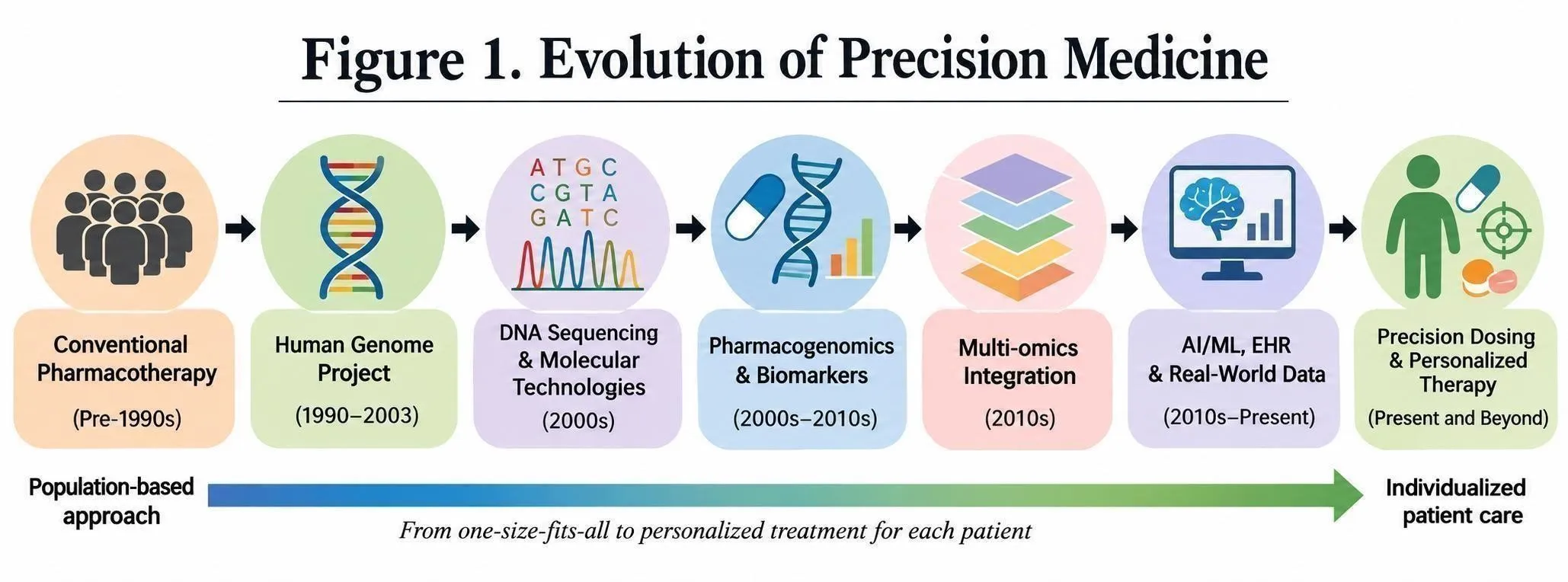
The development of precision medicine began with the recognition that genetic differences can influence individual responses to medicines. Early pharmacogenetic studies identified inherited variations associated with differences in drug metabolism and response, forming the foundation of individualized drug therapy [11].
A major milestone was the Human Genome Project (HGP), which accelerated genomic research and improved understanding of human genetic variation. Genome sequence information created new opportunities for pharmacogenomics, drug discovery, and individualized treatment [12,13]. With advances in sequencing and genotyping technologies, pharmacogenetics evolved into pharmacogenomics, allowing multiple genetic factors involved in drug response to be studied. This provided a stronger basis for individualized drug selection and dosing [11]
The concept of precision medicine gained wider recognition with the Precision Medicine Initiative announced in 2015, which promoted research based on differences in genes, environment, and lifestyle [14].
In recent years, advances in genomics, multi-omics, biomarkers, and computational technologies have further expanded the field. Precision medicine has therefore progressed from studying individual genetic differences to integrating diverse biological and clinical information for individualized healthcare [13]. As a result, precision medicine has developed into a multidisciplinary approach that supports individualized drug selection, dose optimization, targeted therapy, biomarker-based treatment, and personalized patient monitoring
1.3 Role of Precision Medicine in Pharmacology
Precision medicine plays an important role in pharmacology by addressing individual differences in drug response. Genetic and clinical factors can influence drug efficacy, safety, metabolism, and toxicity, making individualized treatment important in pharmacotherapy [5,15].
Its major role is to support appropriate drug selection and treatment optimization. Pharmacogenomics information can help identify patients who may have an increased risk of adverse reactions or inadequate therapeutic response, allowing treatment to be better matched to the individual patient [5,15].
Precision medicine also supports personalized dosing by considering patient-specific characteristics along with pharmacological and clinical information. This can help improve therapeutic effectiveness while reducing avoidable toxicity [16]. Thus, in pharmacology, precision medicine mainly contributes to drug selection, dose optimization, and improvement of drug safety and efficacy, supporting a more individualized approach to pharmacotherapy.
1.4 Need and Importance of Precision Medicine
Precision medicine is needed because patients with the same disease may have different disease characteristics and treatment responses. A uniform treatment approach may therefore not provide the same benefit to every patient [1,5].
It is important for reducing unnecessary treatment and improving the use of healthcare resources by identifying patients who are more likely to benefit from a particular therapeutic approach [1,2].
Precision medicine also supports earlier identification of disease-related molecular changes, which can improve disease classification and help in developing more targeted therapeutic strategies
[2,6].
Another important benefit is its potential to support patient-centered healthcare and better clinical decision-making through the integration of individual biological and clinical information [1,2].Overall, precision medicine provides a framework for moving from a generalized treatment approach towards more individualized and evidence-based healthcare.
Objectives
1. To describe the principles of precision medicine in pharmacology.
2. To discuss the current trends and applications of precision medicine in pharmacology.
3. To highlight emerging technologies and innovations in precision pharmacology.
4. To summarize the major challenges and research gaps in precision medicine.
5. To discuss the future perspectives of precision medicine in pharmacology
2. Principles of Precision Medicine
Precision medicine considers differences between patients when making treatment decisions. Its major principles include the use of patient-specific information, patient stratification, and biological information such as biomarkers and pharmacogenomics data [1,2,5].
2.1 Patient-Specific Information
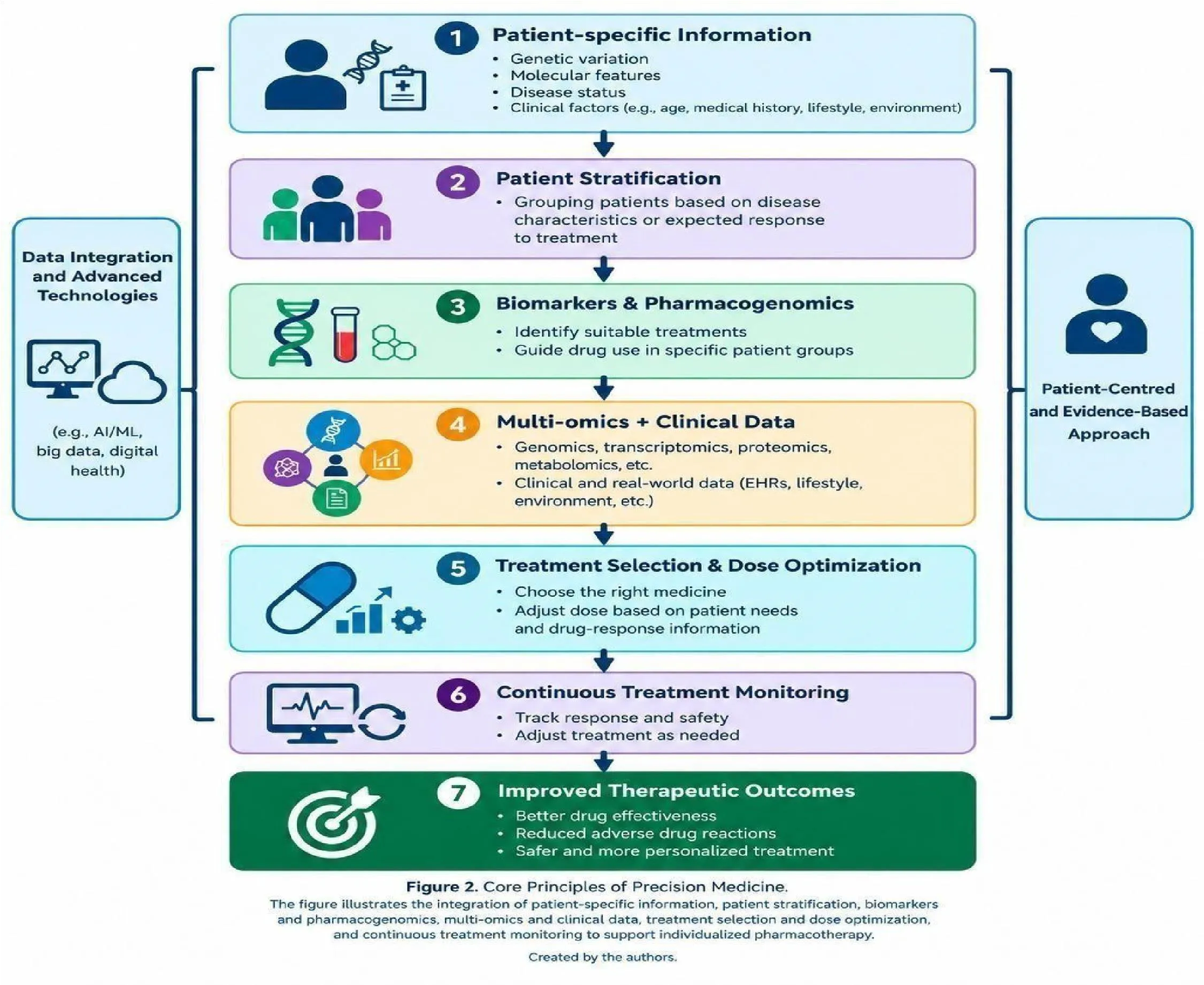
Precision medicine considers individual patient characteristics such as genetic background, disease status, medical history, age, lifestyle, and environmental factors. These factors can influence disease and treatment response. Considering relevant patient information helps in making more appropriate and individualized treatment decisions [1,2,17].
2.2 Patient Stratification
Patient stratification involves grouping patients according to relevant genetic, molecular, biological, or clinical characteristics. It helps identify patient groups that may have similar disease features or treatment responses. This is particularly useful for selecting suitable therapies for specific patient groups [17,18].
Biomarkers provide measurable information about disease characteristics or treatment response, while pharmacogenomics studies the effect of genetic variations on drug response. They can help identify patients who are more likely to benefit from a treatment or who may have an increased risk of adverse drug reactions [5,19].Together, these principles provide a basis for more individualized and patient-centered pharmacotherapy.
2.4 Multi-Omics and Clinical Data Integration
Multi-omics integrates genomics, transcriptomic, proteomics, and metabolomics to provide a broader understanding of biological processes involved in disease and drug response [20].Integration of these molecular data with clinical information and treatment outcomes can improve patient stratification and identification of clinically relevant biomarkers. Computational approaches further support the analysis of these complex datasets [20].
2.5 Treatment Selection and Dose Optimization
Precision medicine supports selection of appropriate therapy and optimization of drug dose according to patient-specific characteristics and treatment requirements [21].Model-informed precision dosing (MIPD) combines pharmacokinetic/pharmacodynamics models with patient specific data to estimate an appropriate dose, particularly for drugs with high variability in drug exposure or a narrow therapeutic range [21,22].
This approach aims to maintain effective drug exposure while reducing the risk of treatment failure and toxicity [21,22].
2.6 Continuous Treatment Monitoring
Continuous monitoring helps assess treatment response, drug exposure, and safety during therapy. It is important because patient condition and response to treatment may change over time. Therapeutic drug monitoring (TDM), laboratory parameters, and biomarkers can provide clinically relevant information for evaluating treatment and identifying the need for dose adjustment [22].
Thus, continuous monitoring supports timely treatment modification and individualized pharmacotherapy.
3.Advantages of Precision Medicine
Precision medicine offers several advantages by considering differences between individual patients. Genetic, molecular, clinical, and other patient-specific information can be used to support more appropriate treatment decisions. This approach may improve treatment effectiveness, medication safety, and patient-centered care [1,5].
3.1 Individualized Treatment
Precision medicine allows treatment to be adapted to individual patient characteristics. Factors such as genetic background, disease features, and clinical history can be considered when planning treatment [1,5].
This approach recognizes that patients with the same disease may respond differently to the same medicine. Therefore, individualized treatment can provide a more patient-specific approach to pharmacotherapy.
3.2 Improved Drug Selection
Patient-specific information can help in selecting suitable medicines. Pharmacogenomics information and biomarkers may provide useful information about how a patient is likely to respond to a particular treatment [5,16].
This can support more appropriate drug selection and may reduce the use of treatments that are less likely to benefit a particular patient.
3.3 Dose Optimization
Drug dose requirements can differ between patients because of variations in drug metabolism, pharmacokinetics, disease status, and other clinical factors [21,22].
Precision medicine considers these differences during dose adjustment. Model-informed precision dosing and therapeutic drug monitoring can further support individualized dosing when appropriate [21,22].
3.4 Reduced Adverse Drug Reactions
Patients may have different risks of adverse drug reactions because of genetic and clinical differences. Pharmacogenomics information can help identify some patients who may have an increased risk of specific drug-related adverse effects [5,16].
Considering these factors may support safer medication use and help reduce avoidable treatment related risks.
3.5 Improved Treatment Efficacy and Safety
Precision medicine aims to select treatments that are better suited to individual patients. Considering factors that influence treatment response and safety may help improve the balance between therapeutic benefit and treatment-related risk [1,5,16].
However, the benefits may vary depending on the disease, medicine, available biomarkers, and supporting clinical evidence.
3.6 Preventive and Proactive Healthcare
Precision medicine can also support disease prevention and early intervention. Genetic information, biomarkers, and other patient-specific data may help identify disease risk or early biological changes [1,2].This information can support risk assessment, early detection, monitoring, and timely intervention in selected conditions. Thus, precision medicine can contribute to a more proactive approach to healthcare.
4. Conventional Pharmacotherapy versus Precision Medicine
Conventional pharmacotherapy generally uses a standardized treatment strategy, in which drug selection and dosing are primarily based on the diagnosed disease, clinical guidelines, and established therapeutic regimens. However, patients may show substantial differences in drug response because of genetic, molecular, physiological, and clinical variability [1,5].
Precision medicine extends this approach by incorporating patient-specific biological and clinical information into therapeutic decision-making. Pharmacogenomics data, biomarkers, disease characteristics, and other relevant patient factors can be used to support treatment selection and dose optimization [5,16]
Table 1: Conventional Pharmacotherapy Versus Precision Medicine
| Parameters | Conventional Pharmacotherapy |
Precision Medicine | |
|---|---|---|---|
| 1. Treatment approach | Standardized treatment | Individualized treatment | |
| 2. Treatment basis | Disease and clinical factors | Genetics molecular and clinical factor | |
| 3. Patient classification | Broad disease groups | Molecular or clinical subgroups | |
| 4. Drug selection | Standard therapeutic options | Patient-specific drug selection | |
| 5. Dose selection | Standard dosing with routine adjustment | Individualized dose optimization | |
| 6. Genetic information | Usually not routinely considered | Pharmacogenomics information may be considered | |
| 7. Biomarker use | Limited or condition-specific | Biomarker-guided treatment decisions |
|
| 8. Adverse drug reactions | Managed based on known risks |
Risk assessed using patientspecific information | |
| 9.Treatment goal | General therapeutic response | Optimized efficacy and safety |
4.1 Clinical Significance
The comparison highlights the shift from a generalized treatment approach towards patient specific therapeutic decision-making. By incorporating relevant biological and clinical variability, precision medicine provides a more individualized basis for selecting and optimizing pharmacotherapy [1,5].
This approach may support improved alignment between patient characteristics and therapeutic interventions, while complementing established clinical treatment strategies [5,16].
5. Current Trends in Precision Pharmacology
Precision pharmacology is increasingly moving towards individualized, data-driven, and evidencebased drug therapy through the integration of pharmacogenomics, biomarkers, multiomics, artificial intelligence, and precision dosing. These developments aim to improve the selection, optimization, and monitoring of pharmacotherapy [5,16,20,21].
5.1 Pharmacogenetics and Pharmacogenomics
Pharmacogenetics (PGx) focuses on the influence of inherited genetic variation on individual drug response, including differences in drug metabolism, therapeutic efficacy, and susceptibility to adverse drug reactions. Pharmacogenomics extends this concept by evaluating the contribution of multiple genetic variants and broader genomic information to pharmacological responses. Together, these approaches provide an important molecular basis for individualized drug selection and dose optimization [5,16,23].
Recent developments have shifted pharmacogenomics testing from individual drug–gene assessment towards pre-emptive and panel-based approaches, which may provide actionable genetic information before prescribing. Integration of pharmacogenomics results with clinical decision-support systems and electronic health records is also being explored to facilitate their use in routine clinical practice [23,24].Thus, pharmacogenetics and pharmacogenomics represent an important current trend in precision pharmacology by enabling genotype-informed drug selection, dose optimization, and risk assessment for selected therapies
5.2 Biomarkers in Precision Medicine
Biomarkers are measurable biological characteristics that provide information about disease status, molecular characteristics, prognosis, or response to therapy. In precision medicine, biomarkers help identify patient subgroups with specific biological features and support more appropriate therapeutic decisions [1,19].
The use of predictive biomarkers can help identify patients who are more likely to benefit from a particular treatment, while biomarkers used for treatment monitoring can provide information about therapeutic response and disease progression. Integration of biomarker data with genomic, molecular, and clinical information can further improve patient stratification and individualized treatment selection Thus, biomarker-based approaches are an important component of precision medicine, supporting patient selection, treatment optimization, and monitoring of therapeutic response.
5.3 Multi-Omics Approaches in Precision Medicine
Multi-omics approaches integrate information from different molecular levels, including genomics, transcriptomic, proteomics, and metabolomics, to provide a broader understanding of disease biology and individual variation in drug response [20].
Integration of multi-omics data can help identify molecular signatures and clinically relevant biomarkers, characterize disease mechanisms, and improve understanding of treatment-related biological changes. Combining these data with clinical information can further support the analysis of complex patient characteristics in precision medicine [20].
Thus, multi-omics approaches provide a comprehensive molecular view of individual patients and represent an important trend in the development of precision medicine.
5.3.1 Genomics
Genomics studies DNA sequence and genetic variations that may influence drug-metabolizing enzymes, transporters, drug targets, efficacy, and adverse drug reactions. It provides an important genetic basis for understanding differences in drug response [20,23].
Transcriptomic examines RNA transcripts and gene-expression patterns. Changes in gene expression can reflect disease processes or responses to drug treatment and may help identify molecular pathways associated with treatment response [20,23].
5.3.3 Proteomics
Proteomics studies proteins and their functional changes. Since proteins are involved in cellular functions and drug action, proteomic data can contribute to understanding drug mechanisms and identifying potential therapeutic targets [20,24].
5.3.4 Metabolomics
Metabolomics analyses small molecules and metabolites in biological systems. It provides information about metabolic changes associated with disease, drug exposure, and treatment [20,23].
5.3.5 Epigenomics and Microbiomics
Epigenomics examines regulatory mechanisms such as DNA methylation and histone modification that influence gene activity. Microbiomes studies microorganisms and their genetic material, which may influence biological processes and drug response. These layers provide additional information about factors contributing to individual variability [23,25].
5.3.6 Multi-Omics Data Integration
The major advantage of multi-omics is the integration of complementary molecular datasets. Bioinformatics, computational methods, and machine-learning approaches can help analyze complex datasets and identify meaningful biological patterns for precision medicine [20,23].
5.4 Artificial Intelligence and Machine Learning in Precision Pharmacology
Artificial intelligence (AI) and machine learning (ML) are increasingly used in precision pharmacology to analyze complex clinical, genomic, and pharmacological data. They support individualized treatment, drug development, and clinical decision-making [26,27].
5.4.1 Patient-Specific Data Analysis
AI and ML can analyze large datasets such as genomic information, electronic health records, and clinical data to identify patterns relevant to individual patients and treatment decisions [26,27].
5.4.2 Drug-Response Prediction
These approaches can help identify patients who are more likely to respond or show poor response to a treatment [26,27].
AI-based models can help predict treatment response, drug efficacy, toxicity, and adverse drug reactions by integrating patient-specific information [26].
5.4.3 AI in Drug Discovery and Development
AI and ML are applied in drug-target identification, drug screening, drug design, and drug development, helping researchers analyze complex datasets and prioritize potential drug candidates [26,27].
5.5 Precision Drug Discovery and Development
Precision medicine is increasingly influencing drug discovery and development by integrating molecular, genetic, biomarker, and clinical information into the identification and evaluation of therapeutic interventions. Unlike conventional drug development approaches that often consider broader patient populations, precision drug development aims to identify therapeutic strategies that are more closely aligned with disease biology and the characteristics of specific patient subgroups
[2,6].
5.5.1 Therapeutic Target Identification
Identification of appropriate therapeutic targets is a critical step in precision drug discovery. Genomic, transcriptomic, proteomic, and metabolomics information can provide insights into disease-associated molecular pathways and biological mechanisms. Integration of these data may facilitate the identification and prioritization of molecular targets that are relevant to specific disease subtypes or patient populations [2,20,24].
5.5.2 Biomarker-Guided Drug Development
Biomarkers play an important role in linking disease biology with therapeutic development. Molecular and clinical biomarkers can be used to characterize disease subtypes, identify potential therapeutic targets, and provide information regarding treatment response. Incorporating biomarkers into drug development may therefore support the development of therapies for biologically defined patient populations and improve the identification of patients most likely to benefit from treatment [2,6].
5.5.3 Patient Selection and Stratification
Patient selection and stratification are important components of precision drug development. Genetic variations, molecular characteristics, biomarkers, and clinical features can be used to identify relatively homogeneous patient subgroups with distinct disease characteristics or treatment responses. Such stratification can improve the identification of appropriate study populations and support more targeted evaluation of therapeutic interventions [6,8].
5.5.4 Precision Clinical Trials
Precision medicine has introduced more targeted approaches to clinical trial design. Patients may be enrolled or stratified according to predefined molecular, genetic, biomarker, or clinical characteristics. Biomarker-guided trial designs can facilitate the evaluation of treatment efficacy and safety in populations that are biologically more likely to respond to a specific intervention.
These approaches may improve the efficiency, interpretability, and clinical relevance of precision drug development [6,45].
5.5.5 Development and Prioritization of Drug Candidates
Computational approaches, artificial intelligence, machine learning, and in-silico methods are increasingly being explored to support drug discovery and development. These approaches can assist in target identification, virtual screening, molecular design, prediction of drug–target interactions, and prioritization of potential drug candidates. Integration of computational predictions with experimental and clinical evidence may accelerate the identification of promising candidates for further development [2,26,27].
Overall, precision drug discovery and development integrates disease biology with patient-specific information to identify relevant therapeutic targets, define appropriate patient populations, guide biomarker-based clinical development, and prioritize drug candidates. This integrated approach may contribute to the development of more targeted and clinically relevant therapeutic interventions [2,6].
5.6 Personalized Drug Formulation and Precision Dosing
Personalized drug formulation and precision dosing aim to adapt drug delivery and dosing strategies to patient-specific therapeutic requirements. Variations in pharmacokinetics, disease status, organ function, and drug exposure can influence the dose and formulation required to achieve an appropriate therapeutic response [6,21,22].
5.6.1 Personalized Drug Formulation
Personalized drug formulation focuses on developing dosage forms according to individual therapeutic requirements. Dose strength, dosage form, drug-release characteristics, and route of administration may be modified when conventional formulations are not appropriate for a particular patient. Such approaches may provide greater flexibility in individualized pharmacotherapy [6].
5.6.2 Model-Informed Precision Dosing
Model-informed precision dosing (MIPD) combines pharmacokinetic/pharmacodynamics (PK/PD) models with patient-specific clinical and drug-concentration data to estimate an appropriate dosing regimen. It can account for inter-individual variability in drug exposure and support dose adjustment, particularly for medicines with narrow therapeutic ranges or substantial pharmacokinetic variability [21,22].
5.6.3 Therapeutic Drug Monitoring
Therapeutic drug monitoring (TDM) involves measurement of drug concentrations to assess exposure and guide dose adjustment. When integrated with pharmacokinetic models and clinical information, TDM can support maintenance of drug concentrations within the desired therapeutic range and help reduce the risk of underexposure or toxicity [22,43].
5.6.4 3D-Printed Personalized Medicines
Three-dimensional (3D) printing is an emerging manufacturing approach that can facilitate customized dosage forms and drug strengths. It may provide flexibility in modifying dosage-form characteristics and combining multiple medicines in a single formulation. However, reproducibility, quality control, stability, scalability, and regulatory requirements remain important considerations for wider clinical implementation [6].
Overall, personalized formulation and precision dosing provide complementary approaches for adapting drug delivery and drug exposure to individual therapeutic requirements. Further clinical validation and standardized manufacturing and dosing frameworks are needed for their broader application in precision pharmacotherapy [6,21,22,43].
5.7 Applications of Precision Medicine in Pharmacology
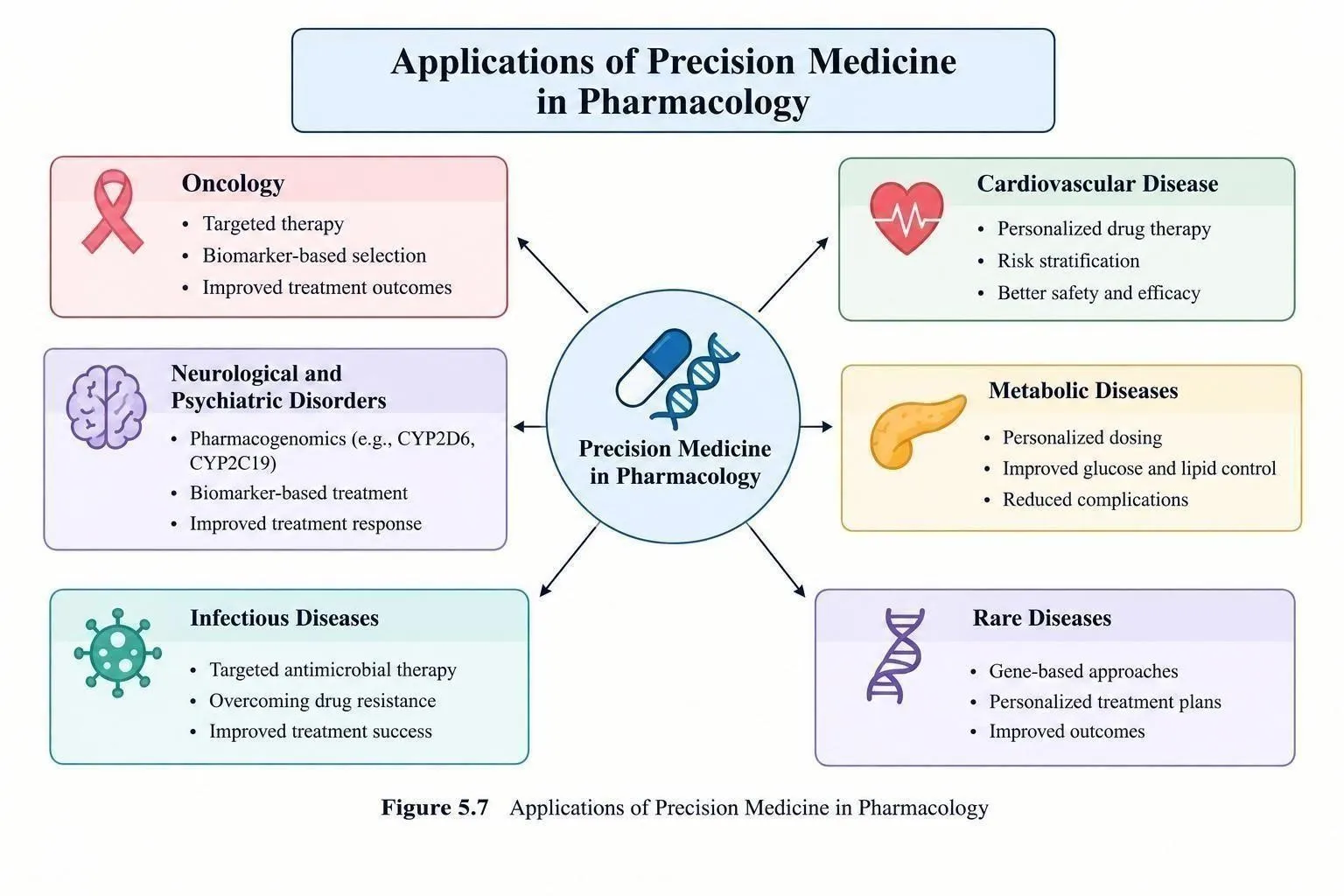
Precision medicine has important applications across different areas of pharmacology, from drug selection and dose optimization to treatment monitoring and drug safety. Pharmacogenomics information can be used to guide drug selection and identify patients who may have altered drug response or increased susceptibility to adverse drug reactions [5,16]. Precision dosing incorporates patient-specific factors, pharmacokinetic/pharmacodynamics (PK/PD) information and therapeutic drug monitoring to optimize drug exposure, particularly for medicines with considerable interdigital variability or a narrow therapeutic range [21,22].
Precision medicine also supports biomarker-guided and targeted therapy, in which molecular characteristics can be used to identify suitable patient groups and predict treatment response. In drug development, these approaches can support patient selection, clinical-trial enrichment, and development of therapies for specific molecular subgroups [2,6]. Another important application is precision pharmacovigilance. Integration of pharmacogenomics information with adverse drug reaction monitoring may help identify individuals at increased risk of specific drug-related adverse effects and support more personalized medication-safety strategies.
Overall, these applications enable pharmacological decisions to incorporate individual differences in genetics, drug exposure, disease characteristics, and treatment response, supporting safer and more individualized pharmacotherapy.
5.7.1 Oncology
Precision medicine has an important role in cancer treatment because cancers can differ in their genetic and molecular characteristics. Tumor genomic profiling and molecular testing can identify specific genetic changes in cancer cells and help select suitable targeted therapies for individual patients [28,29]. Pharmacogenomics testing can also provide information about how genetic differences may affect the response, metabolism, and toxicity of certain anticancer medicines, supporting more appropriate drug selection and dosing [28].
Biomarkers are another important application in precision oncology. Predictive biomarkers can help identify patients who are more likely to respond to a particular treatment, while other biomarkers can provide information about disease progression and treatment effectiveness [29]. Precision medicine can also support treatment monitoring and detection of drug resistance. For example, circulating tumor DNA (ctDNA) can provide information about tumor-specific genetic changes and may help monitor treatment response and identify emerging resistance in some cancers [30].
Thus, precision medicine in oncology connects molecular testing, biomarker-based patient selection, targeted therapy, pharmacogenomics, and treatment monitoring to support more individualized cancer care.
5.7.2 Cardiovascular Diseases
Precision medicine is useful in cardiovascular diseases because patients may respond differently to the same medicine due to genetic and clinical differences. Pharmacogenomics testing can help identify genetic variations that affect the response or safety of some cardiovascular medicines [31,32].
Important examples include clopidogrel, warfarin, and statins. Variations in genes such as CYP2C19, CYP2C9, VKORC1, and SLCO1B1 can influence the effectiveness, metabolism, or safety of these medicines. This information may support appropriate drug selection and dose adjustment in selected patients [31,32].
Precision approaches can also combine genomic, clinical, laboratory, and other molecular data to improve cardiovascular risk assessment and treatment planning. However, wider clinical use requires further validation, appropriate guidelines, and cost-effective genetic testing [32].
Thus, precision medicine in cardiovascular pharmacology mainly supports genotype-guided therapy, safer drug use, and individualized treatment decisions.
5.7.3 Neurological and Psychiatric Disorders
Precision medicine may help improve treatment of neurological and psychiatric disorders by considering genetic and biological differences between patients. These differences can influence drug metabolism, therapeutic response, and adverse effects [5,16].
Pharmacogenomics is particularly relevant for selected psychotropic medicines. Variations in genes such as CYP2D6 and CYP2C19 can affect the metabolism of several antidepressants and other psychiatric medicines, providing additional information for treatment selection and dose adjustment [5,16].Biomarkers and multi-omics are being studied to identify biological patterns associated with disease and treatment response. Integration of molecular data with clinical information may help improve patient classification and treatment planning [19,20].
However, clinical validation, standardization, data interpretation, and cost remain important challenges for routine implementation. Overall, precision medicine can support more individualized pharmacotherapy in neurological and psychiatric disorders.
5.7.4 Metabolic Diseases
Precision medicine can support the treatment of metabolic diseases such as type 2 diabetes and obesity by considering differences in genetic, metabolic, and clinical characteristics [5,20].In type 2 diabetes, pharmacogenomics and multi-omics approaches are being studied to understand why patients respond differently to antidiabetic medicines. These approaches may help identify patient subgroups and support treatment selection [20].
In obesity, biological and metabolic differences may influence response to treatment. Precision approaches are being investigated to identify factors that can help guide the selection of suitable therapies [20].
However, limited clinical validation, biomarker availability, data integration, and cost remain important challenges.
5.7.5 Infectious Diseases
Precision medicine can support infectious disease management by using pathogen-specific information and patient characteristics to guide diagnosis and treatment. Molecular and genomic methods can help identify pathogens and provide information about antimicrobial resistance, supporting more targeted therapy [33,34].
Precision dosing is another important application. Pharmacokinetic/pharmacodynamics (PK/PD) information can be used to adjust antimicrobial doses according to patient and infection-related factors. This may help achieve effective drug exposure while reducing toxicity and treatment failure [21,22,35].
Precision approaches are particularly relevant to antimicrobial resistance (AMR). Genomic resistance profiling and targeted diagnostics may support appropriate antimicrobial selection and antimicrobial stewardship [33,34]. However, availability of advanced testing, cost, standardization, data interpretation, and clinical validation remain important challenges [33,34].
Overall, precision medicine may support targeted antimicrobial therapy and individualized dosing, contributing to better management of infectious diseases and AMR.
5.7.6 Rare Diseases
Precision medicine is particularly relevant to rare diseases, where many patients may have uncommon or unique genetic variants. Genomic sequencing, including exome and genome sequencing, can help identify disease-causing variants and improve the diagnosis of patients who may remain undiagnosed through conventional methods [36].
In addition to genomic testing, multi-omics approaches are being investigated to improve the diagnosis and biological understanding of rare diseases. Integration of genomic, epigenetic, transcriptomic, proteomic, and metabolomics information may provide additional information when a single diagnostic approach is insufficient [37].
For patients with extremely rare genetic conditions, N-of-1 therapies represent an emerging precision-medicine approach in which a treatment can be developed specifically for an individual patient’s genetic variant. However, these approaches face challenges related to clinical validation, regulatory pathways, ethical considerations, cost, and access to treatment [38].
Overall, precision medicine can contribute to earlier diagnosis and development of patient-specific therapeutic strategies in rare diseases
6. Digital Health, Electronic Health Records and Real-World Data
The use of digital health technologies, electronic health records (EHRs), and real-world data (RWD) is expanding the application of precision medicine in clinical pharmacology. These technologies provide patient-specific information that can complement clinical and molecular data and support more informed healthcare decisions. EHRs provide longitudinal clinical information, while digital technologies can generate health data during routine patient care. RWD can further provide information about treatment use and outcomes in real-world populations [2,39,40].
Together, these data sources can support clinical research, treatment monitoring, drug safety, and individualized pharmacotherapy. However, data quality, missing information, bias, interoperability, privacy, and security need to be considered for reliable use of these data in precision medicine [39,40].
6.1 Electronic Health Records (EHRs)
Electronic Health Records (EHRs) provide patient-specific clinical information, including medical history, diagnoses, medications, laboratory results, and treatment outcomes. In precision pharmacology, EHRs can help analyze differences in drug response, treatment outcomes, and adverse drug reactions [39].
EHRs can also be combined with genetic and other clinical information to support patient characterization and precision-medicine research [41]. However, missing data, differences in data formats, and data-quality issues can affect their reliable use [39].
EHRs provide valuable long-term clinical information that can support precision pharmacology and individualized healthcare.
6.2 Wearable and Digital Health Technologies
Wearable and digital health technologies include smartwatches, wearable sensors, mobile health applications, and remote-monitoring devices. These technologies can collect health-related information continuously during daily activities [42].
In precision medicine, such patient-generated data can provide additional information about changes in health status and treatment-related outcomes between routine clinical visits [42]. Digital monitoring may therefore support more continuous assessment of patients and complement conventional clinical data.
However, data accuracy, device reliability, patient adherence, interoperability, and clinical validation remain important challenges for the wider use of these technologies [42,43].Wearable and digital health technologies provide a useful source of continuous patient-generated health data for precision healthcare.
6.3 Real-World Data and Real-World Evidence
Real-world data (RWD) are health-related data collected during routine healthcare, including information from electronic health records, patient registries, and other healthcare sources [2,39].
Real-world evidence (RWE) is generated by analyzing RWD to understand the use, effectiveness, and safety of medicines in real-world clinical settings. In precision pharmacology, RWE can complement clinical trial findings and provide information on treatment outcomes in broader patient populations [2,39].
However, data quality, missing information, bias, and differences between data sources can affect the reliability of RWE. Appropriate data quality assessment and analytical methods are therefore important [39].
RWD and RWE can support evidence generation and evaluation of medicines in routine clinical practice, contributing to the development of precision pharmacology.
6.4 AI-Based Clinical Data Analysis
AI-based methods can process information from electronic health records, laboratory reports, medication records, and patient-generated data. This can help identify clinically relevant patterns within large datasets [26,27].
In precision pharmacology, such analysis can support the identification of patient characteristics associated with treatment outcomes and medication-related events. It may also help organize and interpret information from multiple clinical sources [26].
Important challenges include data quality, incomplete records, bias, interpretability, and clinical validation. These factors need to be considered before applying AI-generated findings in clinical practice [26,27].AI-based clinical data analysis can support the interpretation of complex clinical information in precision pharmacology.
6.5 Data Integration, Privacy and Security
Precision medicine uses data from electronic health records, digital health technologies, and other clinical sources. Combining these data can provide useful patient information for individualized healthcare [39,40].
However, differences in data quality, data formats, and interoperability can make data integration difficult [39,40].Protection of patient information is also important. Privacy, confidentiality, and data security should be maintained when health data are used for clinical care and research [39,40].
Proper data integration and protection are therefore important for the safe and effective use of precision medicine.
7. Innovations and Emerging Technologies in Precision Medicine
Precision medicine is continuously evolving with the development of advanced technologies that support individualized diagnosis, treatment selection, dose optimization, and patient monitoring. Emerging approaches such as explainable artificial intelligence, digital twins, advanced precision dosing, 3D-printed medicines, and N-of-1 therapies are expanding the scope of personalized pharmacotherapy.
7.1 Explainable Artificial Intelligence (XAI)
Artificial intelligence (AI) and machine learning (ML) are increasingly used in precision medicine to analyze large amounts of clinical and biological data. However, some AI models are difficult to understand because their decision-making process is not clear [26,27].
Explainable artificial intelligence (XAI) helps make AI results easier to understand by showing how a model reaches a particular prediction or decision [26,27]. In precision medicine, XAI can support patient classification, prediction of treatment response, drug selection, and clinical decision-making.
XAI may also improve transparency and trust in AI-based healthcare systems. However, further validation is needed before these methods can be widely used in clinical practice [26,27].
7.2 Digital Twins in Precision Medicine
A digital twin is a virtual model of an individual patient that uses the patient’s health and clinical information [44].In precision medicine, digital twins can help predict how a patient may respond to different treatments. They may support treatment selection, dose adjustment, and patient monitoring [44].
Digital twins may help healthcare professionals make more individualized treatment decisions. However, accurate patient data, reliable models, clinical validation, and data privacy are important for their safe use [44].
7.3 Advanced Precision Dosing and Therapeutic Drug Monitoring
Precision dosing means adjusting the drug dose according to the needs and characteristics of an individual patient. Factors such as drug concentration, clinical condition, genetics, and other patient-specific factors can affect the required dose [21,22].
Therapeutic drug monitoring (TDM) measures drug concentrations in the body to help select an appropriate dose. New technologies such as biosensors and wearable devices may allow more frequent or continuous monitoring of drug levels [43].
These approaches can help optimize drug exposure, reduce toxicity, and improve treatment outcomes. However, accurate measurement and proper clinical validation are important before widespread clinical use [21,22,43].
7.4 3D-Printed Personalized Medicines
3D printing is an emerging technology that can be used to prepare medicines according to the needs of individual patients. It allows the medicine to be designed with specific characteristics rather than using the same dosage form for every patient [6].
One important advantage of 3D printing is the ability to prepare patient-specific doses. The amount of drug can be adjusted according to the patient’s treatment requirements. This may be useful for patients who need doses that are not easily available as standard marketed products [6].3D printing can also be used to change the shape, size, composition, and drug-release pattern of a dosage form.
This may help in improving patient convenience and supporting different therapeutic requirements
[6].
Another potential application is the preparation of medicines containing more than one drug in a single dosage form. This may help reduce the number of separate medicines that a patient needs to take and may improve treatment convenience.
In precision medicine, 3D printing may therefore support more individualized drug formulation and drug delivery. However, challenges such as manufacturing quality, dose accuracy, stability, reproducibility, cost, patient safety, and regulatory approval need to be addressed before these technologies can be widely used in clinical practice [6].
Thus, 3D-printed medicines have the potential to support personalized dosage forms and patient specific drug therapy.
7.5 N-of-1 and Individualized Therapies
N-of-1 therapy is an approach in which treatment is planned and evaluated for one individual patient. It focuses on understanding how a particular patient responds to a specific treatment rather than applying the same treatment approach to a large group of patients [38].
In precision medicine, N-of-1 approaches can use the patient’s genetic, clinical, and other individual information to guide treatment decisions. The patient’s response can then be monitored and the treatment can be adjusted according to the observed results [38].This approach may be useful when patients have rare diseases, unusual treatment responses, or limited treatment options. It can also help identify the most suitable treatment for an individual patient.
However, N-of-1 therapies may require detailed patient data, repeated monitoring, specialized clinical expertise, and appropriate evidence to support treatment decisions [38].Thus, N-of-1 approaches represent an important step towards highly individualized pharmacotherapy, where treatment is designed and evaluated according to the needs of a single patient.
8. Challenges and Limitations
Although precision medicine has the potential to improve individualized treatment, its implementation in clinical practice still faces several challenges. It requires accurate patient information, advanced technologies, trained healthcare professionals, and proper clinical evidence. Factors such as data quality, privacy, cost, limited population diversity, AI-related issues, and regulatory requirements can affect its use [1,19].
The availability of advanced genetic testing and other technologies may also differ between healthcare settings. In addition, the large amount of patient data used in precision medicine needs proper management and protection. Therefore, addressing these challenges is important for the safe, reliable, and wider use of precision medicine in healthcare [1,19].
8.1 Data Quality and Availability
Precision medicine relies on accurate, complete, and reliable patient data, including genetic information, clinical records, laboratory results, medication history, and treatment outcomes [39,40].
However, patient data may be incomplete, inconsistent, or stored in different formats. Missing or poor-quality data can affect data analysis and may reduce the reliability of precision-medicine decisions [39,40].The availability of advanced genetic testing, digital technologies, and trained professionals may also vary between healthcare settings. Limited access to these resources can restrict the wider implementation of precision medicine.
Therefore, high-quality, standardized, and accessible patient data are essential for the reliable application of precision medicine in clinical practice [39,40].
8.2 Privacy and Data Security
Precision medicine uses sensitive patient information, including genetic data, medical records, laboratory results, and treatment information. Protecting this information is important to maintain patient privacy and confidentiality [39,40].
Health data may be collected from different sources and shared for clinical care or research. Unauthorized access, data misuse, or security breaches may create risks for patients. Therefore, appropriate measures are needed for secure data storage, controlled access, and responsible data sharing [39,40].
Patients should also be informed about how their data will be used, particularly when genetic and health information is used for research. Strong privacy and data-security practices are therefore essential for the safe and responsible implementation of precision medicine.
8.3 Limited Population Diversity
Precision medicine may be less effective when research studies and health datasets do not adequately represent different population groups [19].
Genetic differences between populations can influence disease risk, drug response, and treatment related outcomes. Therefore, findings obtained from one population may not always be directly applicable to other populations.
Increasing the representation of diverse populations in research can improve the accuracy, reliability, and wider applicability of precision-medicine approaches [19].
8.4 High Cost and Accessibility
Precision medicine may require genetic testing, advanced laboratory methods, and specialized technologies. These can increase the cost of healthcare and may not be affordable for all patients
[1,6].
Access to these technologies may also vary between healthcare settings because of differences in resources, infrastructure, and trained professionals. This can limit the wider use of precision medicine.
Therefore, reducing costs and improving access to necessary technologies and healthcare services are important for wider implementation of precision medicine [1,6].
8.5 Clinical Validation and Regulatory Challenges
New precision-medicine approaches require proper clinical validation before their routine use in healthcare [19].
Evidence from early research may not always be sufficient to establish their safety, effectiveness, and clinical usefulness. In addition, regulatory approval, standardization, and quality assessment are important for the implementation of new precision-medicine technologies and therapies [6,19].
Therefore, strong clinical evidence, appropriate validation, and clear regulatory guidelines are essential for the safe and reliable use of precision medicine.
8.6 Ethical and Patient-Related Issues
Precision medicine uses on such as genetic data, medical history, and treatment information. The use of such information can raise ethical concerns related to informed consent, privacy, data sharing, and possible discrimination [1,19].
Patients may also have different levels of understanding about genetic testing and precision medicine technologies. Clear communication is therefore important so that patients can understand the purpose, benefits, and possible limitations of these approaches.
Respecting patient autonomy, maintaining confidentiality, and ensuring responsible use of patient data are important for the ethical implementation of precision medicine [1,19].
Addressing these challenges is important for the successful implementation of precision medicine in clinical practice. Improvements in data quality, patient privacy, accessibility, clinical validation, and ethical practices can support its safe and effective use. Continued research and collaboration among researchers, healthcare professionals, technology developers, and regulatory authorities will be important for overcoming these limitations and expanding the practical use of precision medicine [1,19].
9. Research Gaps
Precision medicine has developed rapidly, but some areas still require further research. More clinical evidence is needed to confirm the long-term benefits of precision-medicine approaches and support their wider use in clinical practice [19].
Standard methods for data collection, analysis, biomarker evaluation, and clinical implementation are also needed [19,40]. Integration of genomic, clinical, and digital health data remains an important area for further development [39,41].In addition, more research is needed to evaluate the cost-effectiveness of precision medicine and to identify and validate reliable biomarkers for patient selection and treatment response [1,19].
Addressing these gaps can improve the reliability, effectiveness, and practical application of precision medicine in pharmacology.
9.1 Limited Clinical Evidence and Long-Term Validation
Some precision-medicine approaches are still supported by limited clinical evidence. More clinical studies are needed to confirm their safety, effectiveness, and long-term benefits before their wider use in routine healthcare [19,45].
Long-term studies are also needed to evaluate whether these approaches provide consistent benefits across different patient groups and clinical settings. Therefore, stronger clinical evidence and proper validation are important for the wider application of precision medicine [45].
9.2 Lack of Standardized Methods and Guidelines
Different methods are used in precision medicine for data collection, analysis, patient classification, and treatment selection. However, standardized methods and clear guidelines are still limited in some areas [46]. Differences in study methods, data formats, biomarker assessment, and reporting practices can make it difficult to compare results between studies. This may also affect the reproducibility and clinical application of precision-medicine research [46].
Therefore, standardized methods, reporting guidelines, and validated procedures are needed to improve the consistency, reliability, and clinical use of precision-medicine approaches [46].
9.3 Data Integration and Interoperability
Precision medicine involves data from multiple sources, such as electronic health records, genomic studies, laboratory investigations, and digital health technologies [2,39].A major research gap is the difficulty of combining these data sources because they may use different formats, systems, and data structures. This can limit efficient data exchange and comprehensive analysis [39,40].
Future research should focus on interoperable healthcare systems and effective data-integration approaches to support the use of diverse patient data in precision medicine.
9.4 Cost-Effectiveness and Real-World Implementation
The cost-effectiveness of precision-medicine approaches is not well established for all diseases and healthcare settings [1,6]. Advanced testing and specialized technologies may require considerable resources, which can affect their practical use.
More studies are needed to assess whether the clinical benefits justify the additional costs and to identify suitable approaches for routine healthcare. Research should also consider implementation in different healthcare settings and resource-limited regions [1,6].
9.5 Need for Diverse and Validated Biomarkers
Reliable biomarkers are important for identifying patient groups and guiding treatment decisions. However, many potential biomarkers still require clinical validation before they can be routinely used in precision medicine [19,20].
Future research should focus on identifying biomarkers that are reliable, reproducible, and clinically useful across different patient populations. Validation in well-designed clinical studies is also needed to establish their practical value.
10. Future Perspectives of Precision Medicine
Precision medicine is expected to become more individualized, data-driven, and integrated in the future. Advances in multi-omics and artificial intelligence may improve the analysis of complex biological and clinical data and support more accurate treatment decisions [20,27].
Future developments may also focus on improving precision dosing, pharmacogenomics-guided therapy, treatment monitoring, and pharmacovigilance. Greater integration of molecular, clinical, and digital information may help translate precision-medicine approaches into routine clinical practice [2,21,27].
However, future implementation will require clinical validation, standardized approaches, accessibility, and responsible use of patient data. Continued research in these areas will be important for the wider application of precision medicine in pharmacology [19,20].
10.1 Integration of Multi-Omics and Artificial Intelligence
The integration of multi-omics data with artificial intelligence (AI) is an important future direction in precision medicine. Combining genomic, transcriptomic, proteomic, and metabolomics information may provide a better understanding of individual disease characteristics [20,27].AI can help analyze these complex data and identify patterns related to disease characteristics and treatment response [27].
Such integration may support more accurate patient assessment and individualized pharmacotherapy. Further research is needed to improve data quality and clinical validation before widespread clinical use [20,27].
10.2 Advanced Precision Dosing and Real-Time Monitoring
Future precision dosing may use patient-specific drug exposure, treatment response, and clinical information to adjust doses more accurately [21,22].
Real-time monitoring technologies may provide updated information about a patient’s condition and response to treatment. This could allow treatment to be adjusted when required and may help maintain appropriate drug exposure [21,43].
Further research is needed to make these approaches accurate, practical, and suitable for routine clinical use.
10.3 Pharmacogenomics-Guided Therapy
Pharmacogenomics helps identify how genetic differences can affect a person’s response to medicines [5,15].
In the future, pharmacogenomics testing may be used more widely to support drug selection and treatment decisions. This may help identify suitable medicines and reduce the risk of treatment related adverse effects in selected patients [5,16].Further research and clinical implementation are needed to make pharmacogenomics a more routine part of individualized therapy.
10.4 Precision Pharmacovigilance
Precision pharmacovigilance is an emerging approach that aims to make drug-safety assessment more patient-specific. It can use individual clinical and pharmacological information to identify differences in the risk of adverse drug reactions [5,39].
Future approaches may help identify patients who require closer safety monitoring during treatment. This could support earlier recognition of medication-related risks and improve the safety of individualized therapy. Further research is needed to establish reliable methods for applying precision pharmacovigilance in routine clinical practice
10.5 Equitable and Accessible Precision Medicine
Precision medicine should be accessible to different patient groups and healthcare settings.
However, high costs, limited resources, and lack of advanced facilities may restrict its use [1,6].
Future efforts should focus on reducing costs and improving access to the required tests and technologies. This can help make precision medicine more widely available [1,6].
10.6 Towards Fully Integrated Precision Pharmacology
The future of precision pharmacology will involve greater integration of genetic, molecular, clinical, and digital information for individual patients [2,5].Such integration may support more coordinated decisions in drug selection, dosing, treatment monitoring, and medication safety. It can also help connect information from different stages of patient care.
Further development of integrated systems, supported by reliable data and clinical evidence, may strengthen the use of precision pharmacology in routine healthcare [2,19].
CONCLUSION
Precision medicine is an important approach that supports the use of patient-specific information for better pharmacotherapy. By considering genetic, molecular, clinical, and other individual factors, it can help in drug selection, dose optimization, treatment monitoring, and improving medication safety. Advances in pharmacogenomics, biomarkers, multi-omics, artificial intelligence, precision dosing, digital health, and real-world data have increased its applications in pharmacology.
Precision medicine is being applied in several areas, including oncology, cardiovascular diseases, neurological and psychiatric disorders, metabolic diseases, infectious diseases, and rare diseases. Emerging technologies such as explainable AI, digital twins, advanced therapeutic drug monitoring, 3D-printed medicines, and N-of-1 therapies may further support individualized treatment.
However, challenges such as data quality, privacy and security, limited population diversity, high cost, lack of standardization, clinical validation, and regulatory requirements still limit its wider use. Further research is needed to establish strong clinical evidence, improve data integration, validate new technologies, and increase accessibility.
Overall, precision medicine has the potential to improve the safety and effectiveness of pharmacotherapy. Its integration with advanced biological, clinical, and digital technologies may support more personalized and patient-centered healthcare in the future.
REFERENCES


Pragati Rothe, Amol Darwade, Sakshi Rajwade, Monika Valvi, Arati Salunke, Ashwini Sangle, Anita Karnar, Precision Medicine in Pharmacology: Current Trends, Innovations,and Future Perspectives, Int. J. of Pharm. Sci., 2026, Vol 4, Issue 10, 4070-4090. https://doi.org/10.5281/zenodo.23684443
 10.5281/zenodo.23684443