

We use cookies to ensure our website works properly and to personalise your experience. Cookies policy
Krishna Foundation’s Jaywant Institute of Pharmacy Karad.
Cancer remains one of the leading causes of mortality worldwide and represents a major challenge for global healthcare systems. Current treatment strategies such as surgery, chemotherapy, and radiotherapy have been widely used for decades; however, these approaches often show limited specificity and may cause significant toxicity to normal tissues. In recent years, rapid progress in biotechnology, molecular biology, and genetic engineering has led to the development of innovative therapeutic strategies aimed at improving the precision and effectiveness of cancer treatment. This review highlights recent advances in cancer therapeutics, including immunotherapy, gene therapy, targeted therapy, CRISPR-based gene editing, and nanotechnology-based drug delivery systems. Immunotherapy enhances the body’s immune response to recognize and remove tumor cells, while gene therapy focuses on correcting or modifying genetic abnormalities responsible for cancer progression. Targeted therapy acts on specific molecular pathways involved in tumor growth, thereby minimizing damage to healthy cells. Furthermore, CRISPR-Cas9 technology enables precise genome editing, offering promising opportunities for personalized cancer treatment. Nanotechnology-based drug delivery systems improve therapeutic efficacy by facilitating targeted delivery of anticancer agents and reducing systemic toxicity. Collectively, these emerging therapeutic approaches illustrate significant potential to transform modern oncology and improve clinical outcomes for cancer patients.
Cancer is a major global health problem and one of the leading causes of death worldwide, as reported by the World Health Organization. Traditional treatments such as surgery, chemotherapy, and radiotherapy are widely used but often cause severe adverse effects and may not effectively target cancer cells. Recent advances in biotechnology and molecular biology have led to innovative cancer therapies, including immunotherapy, targeted therapy, nanotechnology-based treatments, and gene therapy. These modern techniques aim to specifically target cancer cells, improve treatment, efficacy, and reduce damage to healthy tissues. Therefore, this review article focuses on recent innovations in cancer therapy and discusses their mechanisms, benefits, and future potential in improving cancer treatment.[1]
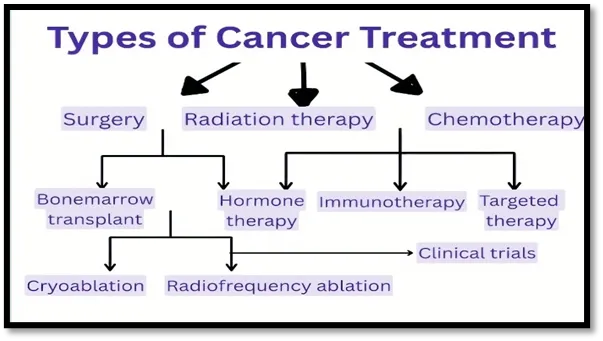
Figure1: Types of cancer treatment.
TABLE: 1.1Innovative Approaches in Modern Cancer Treatment
|
INOVATIONIN CANCER THERAPY |
CONCEPT |
YEAR |
MECHANISM OF ACTION |
EXAMPLE/TECHNIQUES. |
ADVANTAGES |
|
IMMUNO-THERAPY [2] |
A treatment strategy that enhances or restores the immune system’s ability to recognize and destroy cancer cells. |
1891 |
Activates immune cells or blocks immune checkpoints that prevent immune responses against tumor cells. |
Immune checkpoint inhibitors, CAR-T cell therapy, cancer vaccines |
Immune checkpoint inhibitors, CAR-T cell therapy, cancer vaccines |
|
GENE-THERAPY. [4]
|
A therapeutic approach that modifies or replaces defective genes responsible for cancer development. |
1972 |
Introduction of therapeutic genes using viral or non-viral vectors to restore normal cellular functions or induce cancer cell death. |
Tumor suppressor gene replacement, viral vector-mediated gene delivery. |
Targets the root genetic cause of cancer and enables personalized treatment strategies. |
|
TARGETED-THERAPY [6] |
Use of drugs designed to specifically target molecules involved in cancer cell growth and survival. |
1998 |
Blocks abnormal proteins, receptors, or signaling pathways responsible for tumor progression |
Tyrosine kinase inhibitors, monoclonal antibodies. |
Higher specificity and fewer side effects compared to conventional chemotherapy. |
|
CRISPR GENE EDITING. [5] |
A precise genome editing technology used to modify specific DNA sequences associated with cancer. |
2012 |
CRISPR-Cas9 system cuts and edits targeted genes, allowing correction or removal of oncogenic mutations. |
Gene knockout orgene correction strategies for cancer-related mutations. |
High precision, potential for personalized cancer therapy, rapid gene modification |
|
NANOTHCHNOLOGY-BASED DRUG DELIVERY.[2] |
Application of nanomaterials to deliver anticancer drugs directly to tumor tissues |
1995 |
Nanoparticles act as carriers that improve drug targeting, stability, and controlled release |
Liposomes, polymeric nanoparticles, dendrimers, nanocarriers. |
Improved drug delivery, reduced toxicity to healthy tissues, enhanced therapeutic efficiency. |
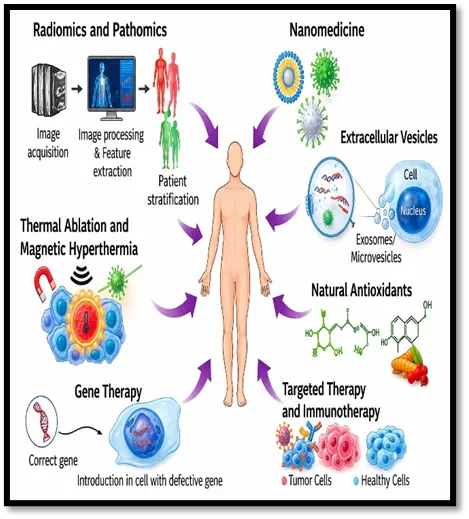
Figure: 1.1 Cancer therapy approaches: The image represents the most innovative strategies to treat cancer, combining different disciplines to obtain the most efficient and personalized therapy for patients.[3]
MAJOR INNOVATION IN CANCER THERAPY.
1.IMMUNOTHERAPY.
Gastric cancer is a major global health problem and is the sixth most common cancer and the third leading cause of cancer-related deaths worldwide. It causes more than 1 million new cases and about 769,000 deaths each year. Advanced gastric cancer has a very poor prognosis, with a five-yearsurvival percentage rate of less than 5%. The disease is increasingly observed in people under 50 years old and is strongly associated with Helicobacter pylori infection, alcohol intake, and tobacco use. Surgery with D2 lymph node surgical separation is the main treatment for early-stage gastric cancer, but many patients are diagnosed at advanced stages where chemotherapy is less effective and has significant side effects. Recent progress in immunotherapy has introduced new treatment options such as CAR-T cells, TCR-T cells, tumor-infiltrating lymphocytes (TILs), cytokine-induced killer cells, and natural killer cells. Other strategies include immune checkpoint inhibitors, cancer vaccines, and targeted therapies focusing on pathways like HER2, VEGFR, and CLDN18.2 to improve treatment for advanced gastric cancer.[7]
1.1: Adaptative cell therapy (ACT).
Adoptive cell therapy (ACT) is an advanced cancer treatment that uses a patient’s own immune cells to specifically target and kill cancer cells. In this process, immune cells such as T lymphocytes or natural killer (NK) cells are collected from the patient, modified or expanded in the laboratory, and then reintroduced into the patient to strengthen the body’s anti-tumor immune response. ACT includes several types of cellular therapies, such as Chimeric antigen receptor(CAR-T) therapy, targeted cell receptor (TCR-T) therapy, tumor-infiltrating lymphocyte (TIL) therapy,cytokinin-induced killer (CIK) cell therapy, and natural killer (NK) cell therapy.[7]
Table: 1.2 Advantages and disadvantages of various therapies in ACT.[7]
|
SR.NO |
THERAPY |
ADVANTAGES |
DISADVANTAGES |
|
I. |
CAR-T (Chimeric antigen receptor) |
Highly specific and individualized treatment |
Potential for severe immune-related adverse reactions |
|
II |
TCR-T (Targeted cell receptor) |
Not limited by cell surface antigens and applicable to tumor types ineffective for CAR-T |
High antigen specificity requirements may cause damage to autologous tissues |
|
III |
NK (Natural killer) |
Applicable to various tumor types |
Requires large-scale NK cell infusion in theshort term, with relatively weak specificity andtherapeutic effect |
|
IV |
TIL (Tumor-infiltrating lymphocyte) |
Effective against multiple tumor types |
Time-consuming to obtain cells and unstable therapeutic effect |
|
V |
CIK (Cytokinin-induced killer)
|
Non-MHC-restricted and antibody-dependent cellular cytotoxicity |
Consistency and durability of efficacy need to be verified |
2.GENE THERAPY.
The major progress in cancer research and genomics has improved the understanding of genetic changes involved in cancer. The publication of the human genome years in 2001, which identified about 30,000 genes, led to extensive studies on gene function and the molecular mechanisms responsible for genetic mutations and cancer development. This knowledge has helped develop new treatment strategies such as gene therapy. Gene therapy involves treating or reducing disease by modifying a patient’s cells genetically through the transfer of genes and gene segments. It can be performed in vivo (directly inside the body) or ex vivo (cells are removed, genetically modified in the laboratory, and then returned to the patient). The goal of gene therapy is to modify, replace, or remove defective genes in target cells such as tumor cells or immune cells. However, because cancer genes can change and evolve over time, gene therapy remains challenging and is currently mainly used for diseases caused by single-gene defects.[9]
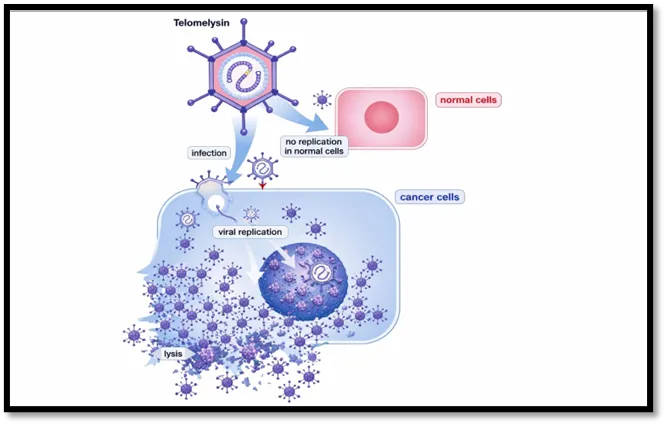
Figure: 2.1Suicide Gene Therapy Using a Genetically Modified Oncolytic Adenovirus.[9]
Table: 2.1Gene Therapy Strategies for Cancer: Mechanism and Clinical Challenges.[10]
|
Therapy type |
Mechanism of action |
Applications |
Challenges |
|
Gene replacement |
Introducing functional copies ofdefective genes. |
Solid tumors (e.g., breast and lung cancer) |
Viral vector safety, off- target effects. |
|
Gene silencing |
Inhibits oncogene expressionusing RN Ai. |
Pancreatic and liver cancers. |
Viral vector safety, off-target effects. |
|
Suicide gene therapy |
Converts prodrugs into cytotoxic agents. |
Gliomas, pancreatic cancer |
Delivery precision, enhancing bystander effect. |
|
Oncolytic virotherapy |
Uses viruses to selectively lyse cancer cells. |
Melanoma, prostate, and pancreatic cancers. |
Immune response, delivery efficiency. |
|
CAR-T cell therapy |
Modifies T-cells to target specific antigens |
Hematologic malignancies. |
Limited efficacy in solid tumors. |
3.TARGETED THERAPY.
Targeted therapy of cancer is a type of cancer treatment that uses drugs designed to specifically target molecule means genes involved in the growth and survival of cancer cells. By focusing on these specific targets, the therapy blocks cancer cell growth and spread while causing less damage to normal cells compared to traditional chemotherapy. Targeted drug delivery uses specific ligands that contain effector molecules to direct drugs toward tumor cells. In this method, drugs actively target cancer by using tumor-specific monoclonal antibodies or peptide ligands that bind to receptors on cancer cells. Tumors can also be targeted passively through the enhanced permeability and retention (EPR) effect, which occurs because tumor blood vessels are highly permeable and have poor lymphatic drainage, allowing large drug molecules to accumulate in the tumor. This review highlights effective targeted therapies and new approaches that show promising clinical potential.[8]
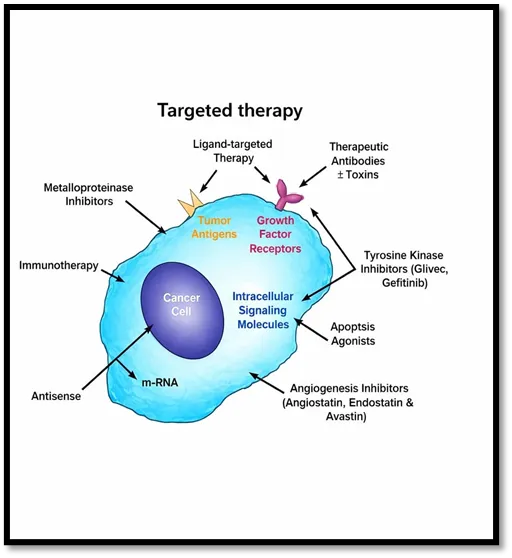
Figure:3.1A Novel Approach in Cancer Treatment Targeting Specific Molecular Pathways.[8]
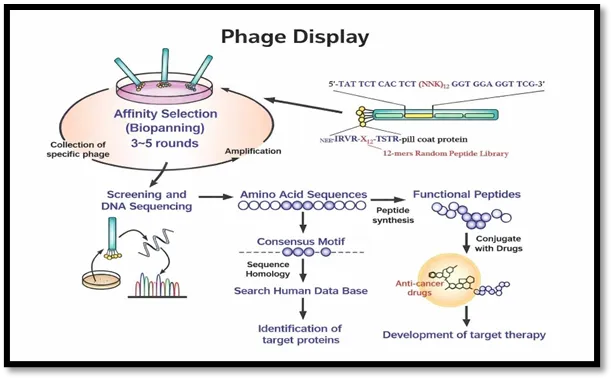
Figure: 3.2 Identification of targeting ligands to cancer cells by phage display.[8]
4. CRISPR GENE EDITING.
The CRISPR stands for Clustered Regularly Interspaced Short Palindromic Repeats.CRISPR-Cas9 is a powerful gene-editing technology that allows scientists to specifically modify DNA in living cells. It has become one of the most important tools in modern biotechnology and medicine because it permits researchers to add, remove, or modify genetic material at specific locations in the genome.
Clinical and Preclinical Trials:
Recent advances in CRISPR gene-editing technology have led to the development of more than 800 cell and gene therapy programs. However, only a small proportion of CRISPR-based approaches have progressed beyond the preclinical stage of research. Other gene-editing techniques, including Transcription Activator‑Like Effector Nucleases and Zinc Finger Nucleases, have been widely investigated in clinical applications and have been reviewed in previous studies. Figure 4.2 represents various strategies used to edit patient cells using CRISPR‑Cas9 technology. The use of CRISPR-based approaches in cancer therapy is an emerging and rapidly progressing area of research, transitioning from laboratory and preclinical investigations toward clinical testing. Preclinical studies play a crucial role in assessing the safety and therapeutic potential of CRISPR-based cancer treatments before they are evaluated in human subjects. Following successful preclinical evaluation, clinical trials represent the final stage of development, where the treatment’s safety and effectiveness are tested in patients.[11]
4.1 CLINICAL AND PRECLINICAL APPLICATION OF CRISPR:[12]
|
TRIAL NUMBER |
DISEASE |
THERAPEUTIC INVENTION |
PHASE STATICS |
|
NCT04426669 |
Gastrointestinalepithelial cancer |
Drug: Cyclophos-phamide, Drug: Fludarabine, Biological:Tumor-InfiltratingLymphocytes (TIL),Drug: Aldesleukin |
I AND II |
|
NCT03398967 |
B-cell leukemia,B-Cell Lymphoma |
Biological: Universal Dual Specificity CD19 and CD20 orCD22 CAR-T Cells |
I AND II |
|
NCT03166878 |
B-cellleukemia, B-cell Lymphoma. |
Biological: UCART019 |
I |
|
NCT04035434 |
B cell leukemia, B-cell Lymphoma |
Biological: CTX110 |
II |
|
NCT03545815 |
Solid Tumor |
Biological: anti-mesothelinCAR-Tcells |
I |
|
NCT04037566 |
CD19positive,Lymphoma |
Genetics: XYF19CAR-TcellDrug: Cyclophosphamide,Drug: Fludarabine |
I |
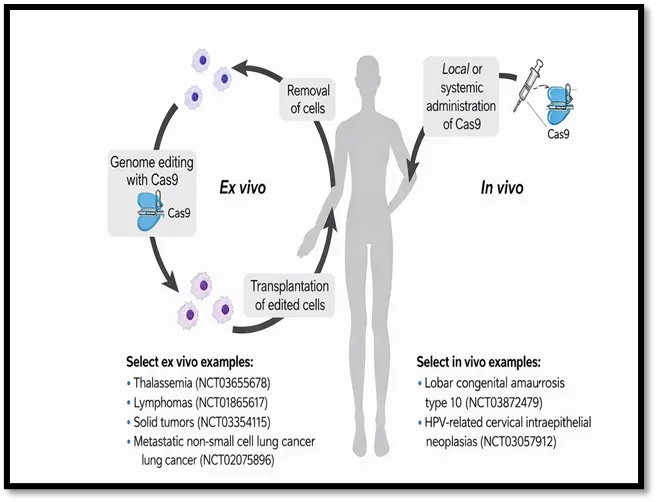
Figure 4.2: Strategies for CRISPR-Cas9 Mediated Genome Editing: Ex vivo vs In vivo Approaches.[11]
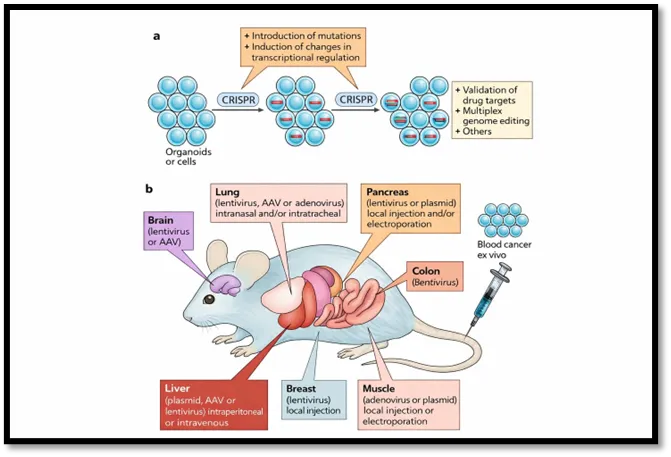
Figure 4.3:Organ-Specific Delivery Strategies for CRISPR Genome Editing in Cancer Studies.[11]
5. NANOTECHNOLOGY-BASED DRUG DELLIVERY.
Nanotechnology is the science of designing and using materials, devices, and systems by controlling matter at a very tiny scale called the nanometer level. A nanometer is extremely small-one billionth of a meter (10⁻⁹ m). At this size, scientists work with atoms, molecules, and very small structures to create useful materials and technologies. When nanotechnology is used in biological or medical fields, it is called nanobiotechnology. In healthcare, it is mainly used for disease diagnosis, drug delivery, and development of nanomedicine, including very small surgical techniques. In cancer treatment, scientists use very small particles (nanoparticles) to carry drugs directly to cancer cells. Previously, slightly larger particles called microparticles were used, but now smaller nanoparticles are selected. These technologies help deliver drugs more correctly, improve treatment results, and decreases harmful side effects. At first, most nanotechnology research was done in universities, but now many industries are also developing nanotechnology for drug delivery and medical treatments.[13]
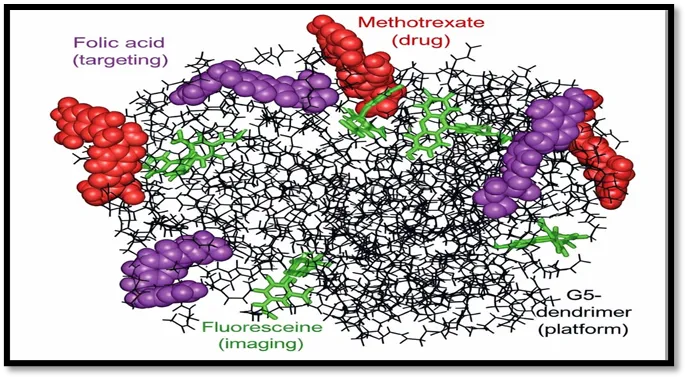
Figure 5.1: This simplified computer model shows the dendrimer’s branching structure and how molecules and drugs are attached.[13]
Table 5.2: Characteristics of Nanoparticles used for drug delivery in cancer.[13]
|
STRUCTURE |
SIZE |
ROLE IN DRUG DELIVERY |
|
Carbon magnetic nanoparticle |
40-50nm |
For drug delivery and targeted cell destruction. |
|
Dendrimers |
1-20nm |
Holding therapeutic substances such as DNA in their cavities. |
|
Low density lipoproteins |
20-25nm |
Drugs solubilize in thelipid core or attached to the surface. |
|
Nano emulsions |
20-25nm |
Drugs in oil and or liquid phases to improve absorption. |
|
Nano particles |
25-200nm |
Act as continuous matrices containing dispersed or dissolved drug. |
|
Nanospheres |
50-500 nm |
Hollow ceramic nanospheres are created by ultrasound. |
|
Nanovesicles |
25-3000 nm |
Single or multilamellar bilayer spheres containing the drugs in lipids. |
|
Polymer nano capsules |
50-200 nm |
Used for enclosing drugs |
|
Nano-lipospheres |
25-50 nm |
Carrier incorporation of lipophilic and hydrophilic drugs. |
CHALLENGES IN MODERN CANCER THERAPIES:
1. Immunotherapy Challenges
2. Gene Therapy Challenges
3. CRISPR Gene Editing Challenges
4. Targeted Therapy Challenges
5. Nanotechnology-Based Drug Delivery Challenges
FUTURE PERSPECTIVES
DISCUSSION
In cancer therapeutics have introduced innovative treatment strategies such as immunotherapy, gene therapy, CRISPR-based gene editing, targeted therapy, and nanotechnology-based drug delivery. These approaches aim to improve treatment precision, enhance therapeutic effectiveness, and reduce damage to normal cells compared to traditional therapies like chemotherapy and radiotherapy. Immunotherapy strengthens the immune system to eliminate cancer cells, while gene editing and gene therapy focus on correcting genetic mutations responsible for tumor development. Nanotechnology further improves targeted drug delivery to tumor tissues. However, challenges such as treatment resistance, safety concerns, and delivery limitations still exist. Continued research and clinical trials are essential to overcome these challenges and to develop safer, more effective, and personalized cancer treatment strategies in the future.
CONCLUSION
Recent advances in cancer therapy, including immunotherapy, gene therapy, CRISPR gene editing, targeted therapy, and nanotechnology-based drug delivery, have significantly improved the precision and effectiveness of cancer treatment. These modern approaches aim to specifically target cancer cells while reducing damage to healthy tissues. However, challenges such as treatment resistance, safety concerns, and delivery limitations still exist. Therefore, continued research and clinical studies are necessary to develop safer, more effective, and personalized cancer treatment strategies in the future.
REFERENCES





Shweta Kamble, Prapti Kamble, Ankita Kajale, Anuradha Patil, Sachin Gorad, Recent Advances and Emerging Innovations in Cancer Therapeutics, Int. J. of Pharm. Sci., 2026, Vol 4, Issue 6, 5264-5275, https://doi.org/10.5281/zenodo.20772845
 10.5281/zenodo.20772845