

We use cookies to ensure our website works properly and to personalise your experience. Cookies policy
Arihant College Of Pharmacy.
Herbal syrups are widely used in traditional and modern medicine due to their therapeutic activity, safety, and patient compliance. The present study focuses on the formulation and evaluation of a herbal syrup prepared by using the synergistic effect of Tulsi (Ocimum sanctum) and Lemon (Citrus limon). Tulsi possesses antimicrobial, antiinflammatory, antioxidant, and immunomodulatory activities, while lemon acts as a rich source of vitamin C and provides antioxidant and antimicrobial properties. The herbal syrup was prepared using aqueous extraction methods and evaluated for organoleptic properties, pH, viscosity, stability, and microbial activity. The prepared syrup showed good appearance, pleasant odor, acceptable viscosity, and stability during storage
Herbal formulations have gained significant attention in recent years due to their therapeutic benefits, natural origin, and minimal side effects. Among various herbal preparations, herbal syrups are widely preferred because they are easy to administer, palatable, and suitable for all age groups. Medicinal plants have been traditionally used in healthcare systems for the prevention and treatment of various diseases. The combination of herbs with complementary pharmacological activities can produce a synergistic effect, resulting in enhanced therapeutic efficacy.
Tulsi (Ocimum sanctum) is an important medicinal herb commonly known as the “Queen of Herbs.” It possesses antimicrobial, anti-inflammatory, antioxidant, antitussive, and immunomodulatory properties. Tulsi is widely used in traditional medicine for the treatment of cough, cold, fever, respiratory disorders, and infections. It also helps in strengthening the immune system and improving overall health.
Lemon (Citrus limon) is a rich source of vitamin C, flavonoids, and antioxidants. Lemon exhibits antimicrobial, antioxidant, and detoxifying activities and is commonly used to improve digestion, boost immunity, and provide refreshing effects. The acidic nature and pleasant flavor of lemon also improve the taste and acceptability of herbal formulations.
The present research work focuses on the incorporation and preparation of a herbal syrup using Tulsi and lemon based on their synergistic effect. The combination is expected to enhance antioxidant and immunity-boosting activities while providing better therapeutic benefits compared to individual ingredients. The formulated herbal syrup was prepared using suitable excipients and evaluated for various physicochemical parameters such as pH, viscosity, taste, color, and stability. This study aims to develop a safe, effective, and stable herbal syrup that can be used as a natural health supplement for promoting general wellness and immunity.
Aim :
To formulate and evaluate a herbal syrup by incorporating Tulsi and Lemon based on their synergistic effect for enhancing antioxidant, antimicrobial, and immunity-boosting properties.
Objective :
The incorporation and preparation of a herbal syrup using the synergistic effects of tulsi (holy basil) and lemon can serve multiple purposes :
In conclusion, the objective is to harness the combined benefits of tulsi and lemon in a herbal syrup that is natural, flavorful, and promotes overall well-being.
Plan of work :
Selection of Tulsi and Lemon based on their medicinal and synergistic properties.
Collection of fresh Tulsi leaves and lemons followed by identification and authentication of raw materials.
Preparation of Tulsi extract and lemon juice/extract using suitable extraction methods.
Preparation of syrup base using sucrose, purified water, preservatives, and flavoring agents followed by incorporation of herbal extracts.
Adjustment of concentration, taste, viscosity, and pH for better stability and acceptability.
Evaluation of physicochemical parameters such as:
Study of formulation stability under suitable storage conditions.
Assessment of antimicrobial and antioxidant activity of the prepared syrup.
Recording and interpretation of obtained results.
Preparation of final report and conclusion based on evaluation studies.
Drug Profile :
The analysis and examination of herbal syrups that incorporate and prepare tulsi (Ocimum sanctum) and lemon (Citrus limon) to harness their synergistic effects highlight the medicinal benefits of these powerful botanicals, presenting a promising avenue for natural health remedies. This review of existing literature delves into the individual advantages of tulsi and lemon, their combined effects, and previous studies on similar herbal combinations.
TULSI :
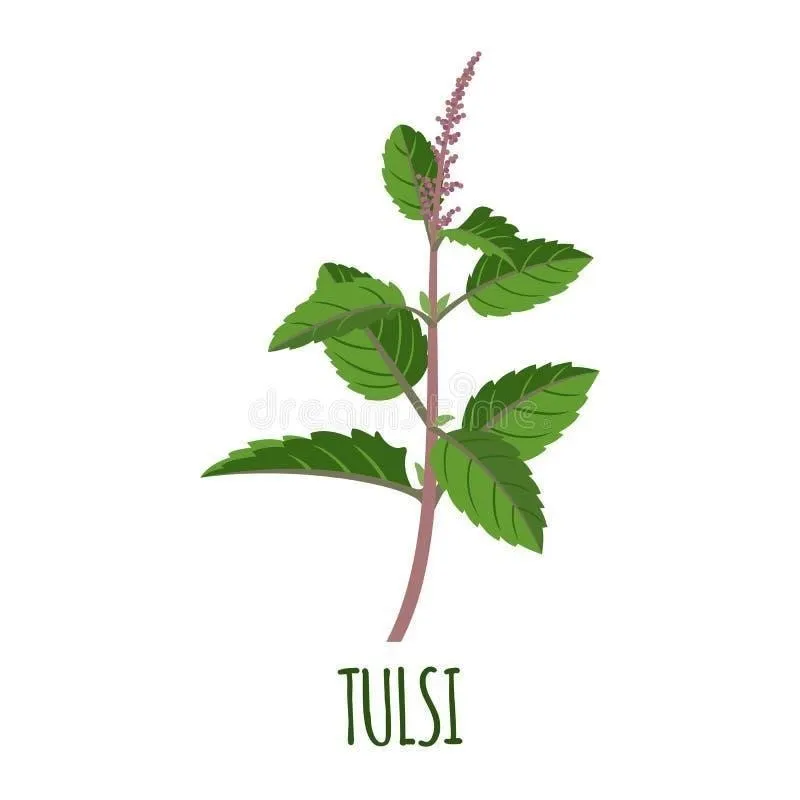
TULSI IS ALSO KNOWN AS SACRED BASIL OR HOLY BASIL.
BIOLOGICAL SOURCE :
Tulsi is derived from the fresh and dried leaves of OCIMUM SANCTUM LINN, which belongs to the LABIATAE Family.
Geographical Source :
Tulsi (Ocimum sanctum / Ocimum tenuiflorum) is mainly found throughout India and is widely cultivated in tropical and subtropical regions. It commonly grows in:
In India, Tulsi is cultivated in almost all states and is commonly grown in household gardens, farms, and temple areas due to its medicinal and religious importance.
Characteristics :
Chemical Components :
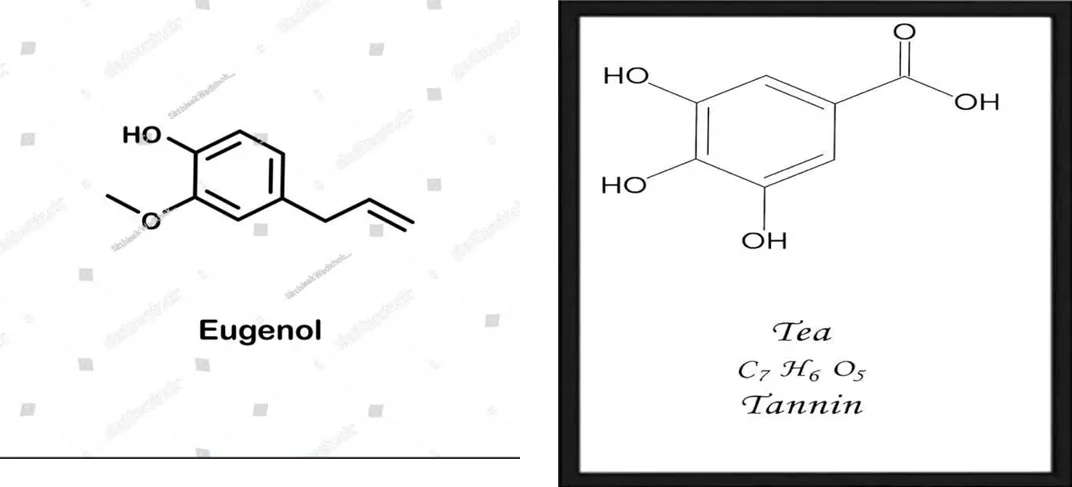
Medicinal Properties Of Tulsi (Ocimum Sanctum) :
Tulsi, also known as holy basil, holds a revered position in traditional Ayurvedic medicine and has undergone extensive research to explore its therapeutic potential :
LEMON :
Scientific Name : Citrus Limon
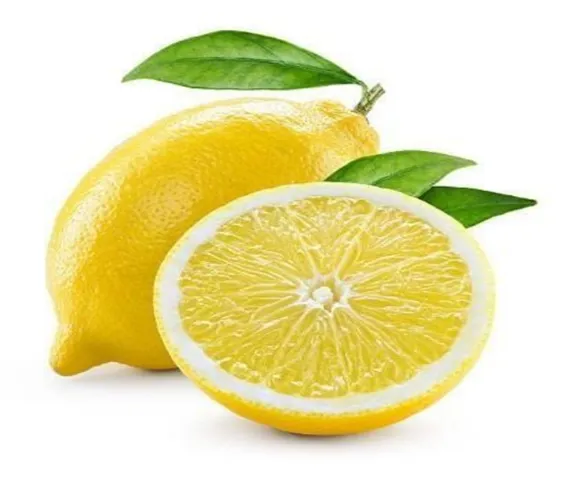
Botanical Family : Rutaceae
It is a small tree with irregular branches that are armed with thick spines, stiff, and sharp. The leaves are typically 5 to 7.5 cm long, while the white flowers are about 2 cm long. The fruit is round, ranging from 3 to 6 cm in size, greenish-yellow in color, with plenty of acidic pulp and small white seeds that are oval in shape.
GEOGRAPHICAL ORIGIN :
Lemons originated in India and were introduced to America by Columbus during his second voyage.
CHEMICAL CONSTITUENTS :
MEDICINAL PROPERTIES OF LEMON ( CITRUS LIMON) :
SYNERGISTIC EFFECTS OF TULSI AND LEMON :
Tulsi strengthens the immune system, while lemon provides vitamin C that helps improve body defense mechanisms.
Both Tulsi and lemon contain antioxidants that help neutralize harmful free radicals and protect body cells.
Tulsi has natural antimicrobial compounds and lemon has acidic components that together help fight bacteria and viruses.
The anti-inflammatory properties of Tulsi and lemon help reduce swelling, irritation, and inflammation in the body.
Their combined antioxidant activity helps prevent cellular damage caused by oxidative stress.
Tulsi helps relieve cough and cold symptoms, while lemon soothes the throat and supports respiratory function.
Lemon aids digestion and detoxification, while Tulsi supports healthy metabolism and gut health.
Lemon provides a refreshing flavor that improves the palatability of Tulsi-based herbal syrup.
EVALUATION PARAMETERS :
Physical Appearance : The syrup was evaluated for color, odour, taste.
Ph Determination : The ph of the syrup was measured using a digital ph meter.
Viscosity : Viscosity was determined using a Brookfield viscometer.
Stability Study : The formulation was stored at room temperature and observed for changes in color, odour, and preparation.
METHODS AND MATERIALS :
Materials Required
|
Materials |
Quantity |
|
Tulsi leaves |
20 g |
|
Lemon juice |
10 mL |
|
Sucrose |
60 g |
|
Materials |
Quantity |
|
Purified water |
100 mL |
Sodium benzoate 0.2 g
Citric acid 0.5 g Flavoring agent q.s.
q.s. = quantity sufficient
Method of Preparation of Herbal Syrup :
Step 1: Collection of Materials
Fresh Tulsi leaves and fresh Lemon were collected. All materials were cleaned properly with purified water to remove dust and impurities.
Step 2: Preparation of Tulsi Extract
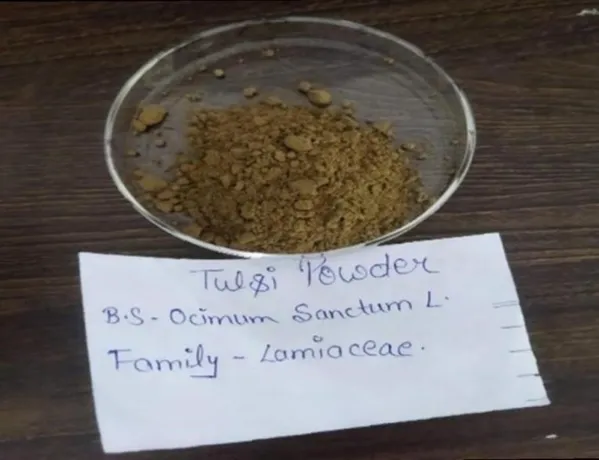
Step 3: Preparation of Lemon Juice
Step 4: Preparation of Syrup Base
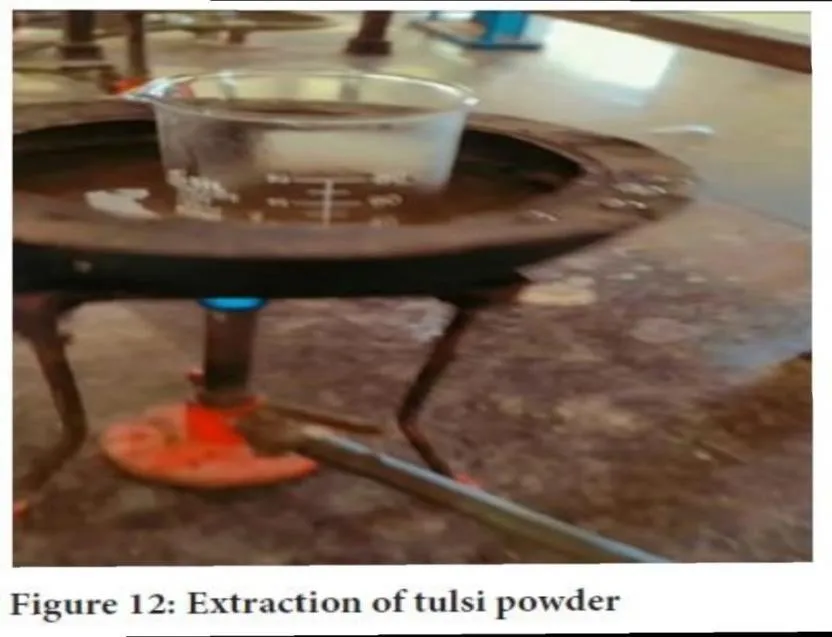
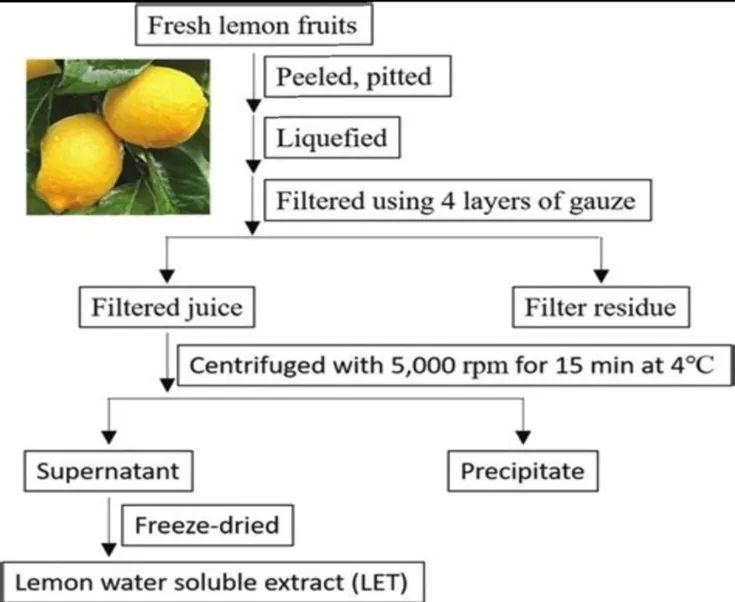
Step 5: Incorporation of Herbal Ingredients
Step 6: Filtration
Step 7: Volume Adjustment
Step 8: Packaging and Storage
MATERIALS NEEDED :
Methods :
List Of Instruments :
|
Sr. No |
Instrument |
Use |
|
1. |
Beaker |
Used for mixing and Beaker preparation of solutions |
|
2. |
Measuring Cylinder |
Used for accurate measurement of liquids |
|
3. |
Conical Flask |
Used for Preparation and storage of Ectracts |
|
4. |
Glass rod |
Used for stirring the formulation |
|
5. |
Heating Mantle / Hot plate |
Used for hrating and boiling |
|
6. |
Weighing Balance |
Used ofr Accurate weighing of ingredient |
|
7. |
Funnel filtration |
Used for filtration of extract |
|
8. |
Muslin cloth |
Filtration of extract |
Determination of pH Meter of pH
|
Sr. No |
Instrument |
Use |
|
1. |
Viscometer |
Viscosity of syrup |
|
2. |
Mortor and pestle |
Used for crushing tulsi leaves |
|
3. |
Juice extractor / squezzer |
Used for extraction of lemon juice |
|
4. |
Pippete/ Dropper |
Used for transforming liduid in small quantities |
|
5. |
Ambered colored bottle |
Used for storage of prepaed syurup |
Phytochemical Analysis Techniques :
Alkaloids :
Principle : Alkaloids react with Mayer’s reagent to form a cream-colored precipitate.
Procedure : Add Mayer’s reagent to the extract.
Observation : Cream or pale yellow precipitate confirms alkaloids.
Principle : Wagner’s reagent reacts with alkaloids to form reddish-brown precipitate.
Procedure : Add Wagner’s reagent to the plant extract.
Observation : Formation of reddish-brown precipitate indicates alkaloids.
Principle : Alkaloids react with Dragendorff’s reagent to produce an orange or reddish-brown precipitate.
Procedure : Take 2ml of plant extract.
Add few drops of Dragendorff’s reagent.
Observation : Orange or reddish-brown precipitate indicates the presence of alkaloids
RESULT
The herbal syrup prepared by using Tulsi (Ocimum sanctum) and Lemon (Citrus limon) showed satisfactory pharmaceutical and therapeutic properties. The formulation was evaluated for various parameters such as appearance, color, odor, taste, pH, viscosity, stability, and antimicrobial activity.
The syrup was found to be clear, pleasant in taste, and yellowish-green in color with a characteristic aromatic odor of Tulsi and Lemon. The pH of the formulation was within the acceptable range for oral herbal preparations, indicating good stability and suitability for consumption.
The synergistic combination of Tulsi and Lemon demonstrated enhanced antimicrobial and antioxidant activity due to the presence of phytoconstituents such as flavonoids, alkaloids, tannins, vitamin C, and essential oils. The formulation also exhibited soothing and immunityboosting effects.
Stability studies revealed that the syrup remained stable under room temperature conditions without any significant change in color, odor, or consistency for the study period. No microbial growth or phase separation was observed during storage.
The prepared herbal syrup was found to be safe, effective, economical, and easy to prepare. The study confirms that the synergic effect of Tulsi and Lemon can be successfully utilized in the formulation of an herbal syrup for cough relief, immunity enhancement, and general wellness.
DISCUSSION
The present study successfully formulated a herbal syrup using the synergistic combination of Tulsi and Lemon. The prepared syrup showed good color, taste, odor, and consistency, making it suitable for oral administration. Phytochemical screening confirmed the presence of beneficial constituents such as flavonoids, alkaloids, tannins, and phenolic compounds, which contribute to antimicrobial and antioxidant activities.
Tulsi is well known for its antibacterial, anti-inflammatory, and immunityboosting properties, while Lemon provides vitamin C and antioxidant effects. The combined action of both ingredients enhanced the therapeutic potential of the formulation. The syrup also showed acceptable pH, viscosity, and physical stability without precipitation or phase separation.
The formulation may help in relieving cough, cold, throat irritation, and improving immunity. Additionally, the herbal syrup is economical, natural, and associated with fewer side effects compared to synthetic preparations. Therefore, the study indicates that Tulsi and Lemon can be effectively used together in the preparation of a stable and beneficial herbal syrup.
CONCLUSION
The present study successfully formulated and evaluated a herbal syrup using the synergistic combination of Tulsi and Lemon. The prepared formulation showed good organoleptic properties such as acceptable taste, odor, color, and consistency, making it suitable for oral use. Phytochemical screening confirmed the presence of important bioactive compounds including flavonoids, alkaloids, tannins, and phenolic compounds, which are responsible for antimicrobial, antioxidant, and anti-inflammatory activities.
The evaluation parameters such as pH, viscosity, and physical stability were found to be within acceptable limits, indicating that the syrup formulation was stable and effective. Tulsi contributed immunity-boosting and antimicrobial properties, while Lemon enhanced the antioxidant activity and improved the palatability of the syrup due to its vitamin C content and refreshing flavor.
The synergistic effect of Tulsi and Lemon may help in relieving cough, cold, throat irritation, and improving overall immunity. The herbal syrup was also found to be economical, easy to prepare, and safer compared to synthetic formulations because of fewer side effects. Therefore, the study concludes that Tulsi and Lemon can be effectively incorporated into a stable and beneficial herbal syrup with promising therapeutic applications.
REFERENCES

Maske Vaibhavi, Bodake Omkar, Piyush Jangam , Research On Incorporation and Preparation of Herbal Syrup by Using Synergic Effect of Tulsi and Lemon, Int. J. of Pharm. Sci., 2026, Vol 4, Issue 6, 1102-1111, https://doi.org/10.5281/zenodo.20540108
 10.5281/zenodo.20540108