

We use cookies to ensure our website works properly and to personalise your experience. Cookies policy
Srinath College Of Pharmacy.
Fast disintegrating tablets (FDTs) have emerged as an innovative oral solid dosage form designed to disintegrate or dissolve rapidly in the mouth, typically within seconds, without the need for water. This drug delivery system enhances patient compliance, particularly among pediatric, geriatric, and dysphagic populations, offering a convenient alternative to conventional tablets and capsules. The present review provides an extensive overview of the design and development of FDTs, emphasizing formulation strategies, disintegration mechanisms, preparation methods, and evaluation parameters. It also discusses the role of excipients, particularly superdisintegrants, in achieving rapid disintegration and optimal mouthfeel. Various manufacturing techniques such as direct compression, lyophilization, molding, sublimation, and novel nanotechnology-based approaches are described in detail. Recent advances including 3D printing, co-processed excipients, and the use of natural superdisintegrants are also explored. Challenges in formulation, packaging, and regulatory perspectives are addressed, along with future prospects such as personalized FDTs and green manufacturing. Overall, this review highlights the growing importance of FDTs in modern pharmaceutical technology as a patient-friendly, efficient, and market-driven oral drug delivery system.
1.1 Definition and Concept of FDTs
Fast disintegrating tablets (FDTs), also known as orally disintegrating tablets (ODTs), are solid unit dosage forms that disintegrate or dissolve rapidly on the tongue without the need for water. Typically, disintegration occurs within 30 seconds to 2 minutes, releasing the drug into the saliva for subsequent swallowing and absorption (1–3). FDTs are particularly useful for drugs requiring rapid onset of action, such as analgesics, antiemetics, antipyretics, and cardiovascular drugs.
1.2 Historical Background and Evolution
The concept of fast disintegrating dosage forms was first introduced in the late 1970s by the company Zydis®, which pioneered the freeze-dried oral lyophilized tablet(4). Since then, numerous technological advancements have been made to improve tablet strength, taste masking, and stability. Over the decades, the technology has evolved from lyophilization-based systems to more cost-effective and scalable methods such as direct compression and spray drying(2,5,6).
1.3 Need and Significance in Modern Drug Delivery
FDTs address the growing demand for patient-centric drug delivery, particularly for populations facing difficulty swallowing traditional tablets and capsules. Studies indicate that up to 35% of the general population, including elderly and pediatric patients, experience dysphagia(7,8). Additionally, FDTs improve adherence in psychiatric and emergency settings, where immediate dosing is essential.
1.4 Advantages over Conventional Dosage Forms
Compared to conventional tablets, FDTs offer several distinct advantages:
2.5 Market Potential and Regulatory Perspectives
The global FDT market is expanding rapidly due to increased patient demand and technological innovation. According to recent pharmaceutical market analyses, the FDT segment is expected to grow at a compound annual growth rate (CAGR) of over 10% in the coming years (12,13). Regulatory bodies such as the U.S. Food and Drug Administration (FDA) and European Medicines Agency (EMA) have defined FDTs as tablets that disintegrate within 30 seconds in the oral cavity. Compliance with ICH guidelines ensures product safety, stability, and efficacy (14,15).
3. Ideal Characteristics of Fast Disintegrating Tablets
An ideal FDT should satisfy both patient-related and formulation-related requirements. The following characteristics define an optimized formulation (3,6,16,17):
The balance between mechanical integrity and rapid disintegration remains a key challenge in FDT formulation design.
4. Formulation Aspects
The formulation of fast disintegrating tablets (FDTs) demands careful selection of both active pharmaceutical ingredient (API) and excipients, to ensure fast disintegration, good mouthfeel, mechanical integrity, and drug stability(1,2,6,7).
4.1 Active Pharmaceutical Ingredient (API)
The selection of a suitable API is the first step in designing an effective FDT. The key considerations include:
4.2 Excipients
Excipients play a crucial role in determining the performance of FDTs. Their selection is based on desired disintegration time, tablet strength, taste masking, and process feasibility.
4.2.1 Superdisintegrants
Superdisintegrants are the backbone of FDT formulations. They promote rapid tablet disintegration by facilitating water uptake and swelling within the matrix. Common examples include:
4.2.2 Diluents
Diluents add bulk and influence mouthfeel. Mannitol and xylitol impart a pleasant cooling sensation, while microcrystalline cellulose (MCC) enhances compressibility. Other common diluents include lactose, dicalcium phosphate, and sorbitol (3,6,14,16).
4.2.3 Binders
Binders ensure mechanical strength without excessively delaying disintegration. Common binders are polyvinylpyrrolidone (PVP), hydroxypropyl methylcellulose (HPMC), polyethylene glycol (PEG), and pregelatinized starch (9,17,22).
4.2.4 Lubricants
Lubricants minimize friction during compression and ejection. Magnesium stearate, talc, and sodium stearyl fumarate are widely used, but their concentration must be optimized since over-lubrication can retard disintegration (4,8,10).
4.2.5 Flavoring and Sweetening Agents
Taste masking is crucial for patient acceptability. Agents like aspartame, saccharin sodium, sucralose, and acesulfame potassium are common. Natural flavors such as mint, orange, and strawberry are added for palatability (12,16).
4.2.6 Saliva-Stimulating Agents
Acidic excipients such as citric acid and malic acid enhance saliva production and contribute to faster disintegration(7,15,23).
5. Mechanism of Disintegration
The rapid disintegration of FDTs results from complex physicochemical interactions between tablet components and water.
• The following mechanisms have been proposed (2,4,11,18,24):
In practice, a combination of swelling and wicking mechanisms dominates most FDT formulations, ensuring optimal balance between strength and rapid disintegration.
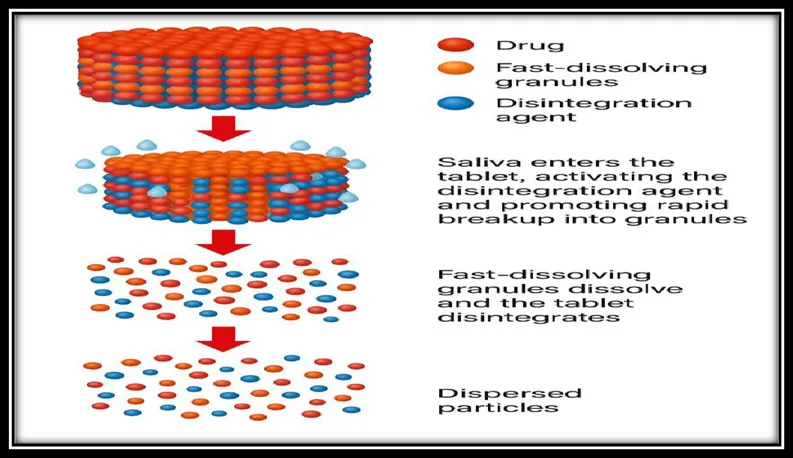
Figure 1 : Mechanism of Disintegration
6. Methods / Techniques for Preparation
A variety of manufacturing technologies are employed to produce FDTs, depending on the drug’s properties and desired disintegration profile(2,5,6,12,13,22,25).
6.1 Direct Compression
The most economical and widely used technique. It involves blending API, excipients, and superdisintegrants, followed by compression into tablets.
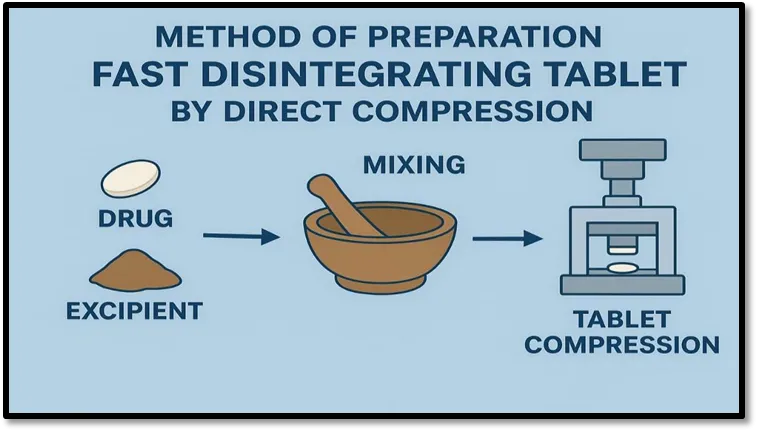
Figure 2: Direct Compression Method
6.2 Lyophilization (Freeze Drying)
In this method, a drug solution or suspension is frozen and the solvent sublimed under vacuum to create a porous matrix that dissolves rapidly in saliva.
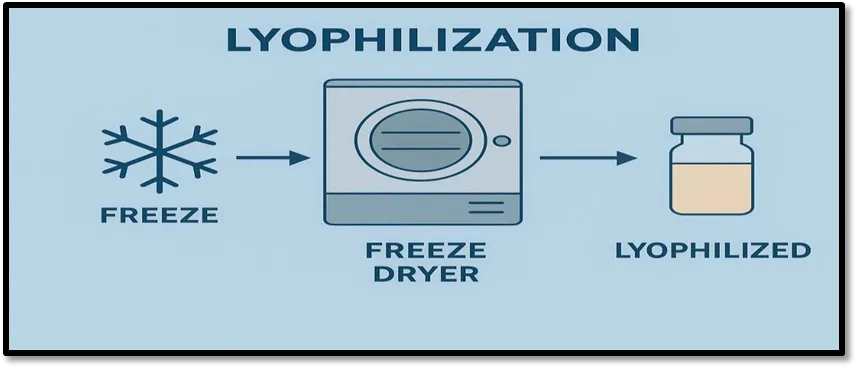
Figure 3: Lyophilization Technique
6.3 Molding Method
Involves preparing a wet mass containing drug and excipients , which is molded into tablets and dried.
6.4 Sublimation Method
Volatile substances such as camphor, urea, or ammonium bicarbonate are incorporated into the mixture and later sublimed to create pores that accelerate disintegration(3,6,8).
6.5 Spray Drying
A solution containing API and excipients is sprayed into a hot chamber, forming porous, highly dispersible particles. Croscarmellose sodium, gelatin, and mannitol are commonly used in this method.
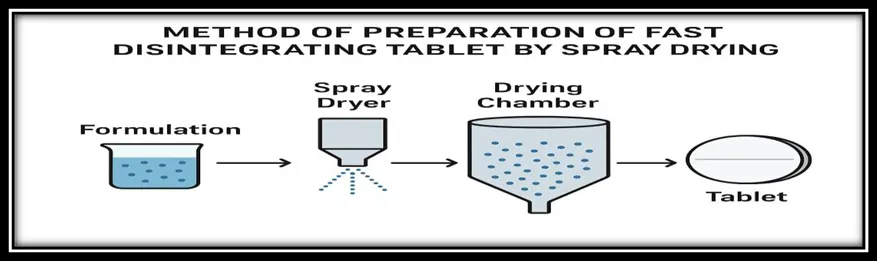
Figure 4: Spray Drying Method
6.6 Mass Extrusion
A soft mass of drug and excipients is extruded and cut into uniform segments. The method allows precise control of shape and uniformity (10,14).
6.7 Phase Transition Method
This approach involves using a combination of two sugar alcohols with different melting points; heating causes partial melting and recrystallization, enhancing strength while maintaining rapid disintegration (20).
6.8 Nanotechnology-Based Approaches
Recent developments include integrating drug nanocrystals or solid lipid nanoparticles
into FDTs to improve dissolution and bioavailability of poorly soluble drugs (12,24).
7. Evaluation Parameters
Evaluation of FDTs is a crucial step to ensure product performance, quality, and compliance with pharmacopeial standards. The evaluation parameters are generally classified into pre-formulation and post-formulation studies(2,4,8,10,16,23).
7.1 Pre-Formulation Studies
(a) Flow Properties
Good flowability is necessary for uniform die filling during tablet compression. Flow properties are assessed through:
• Angle of repose (θ): Indicates the internal friction between particles. A lower angle (<30°) denotes good flow.
Table 1 : Angle of Repose as an identification of powder flow Properties
|
Sr. No |
Angle of Repose |
Type Of Flow |
|
1 |
<20 |
Excellent |
|
2 |
20-30 |
Good |
|
3 |
30-34 |
Passable |
|
4 |
>34 |
Very Poor |
Carr’s Index = (Tapped−Bulk)/Tapped×100
Table 2: Relationship between % compressibility and flow ability
|
% Compressibility |
Flow ability |
|
5-12 |
Excellent |
|
12-16 |
Good |
|
18-21 |
Fair Passable |
|
23-35 |
Poor |
|
33-38 |
Very Poor |
|
<40 |
Very Poor |
Drug–excipient compatibility ensures chemical and physical stability. Common techniques include:
• X-ray diffraction (XRD): Determines crystalline changes in the formulation(4,15,20).
7.2 Post-Formulation Studies
(a) Weight Variation
Twenty tablets are weighed individually, and the mean weight is compared with pharmacopeial limits (±5% for tablets >250 mg).
Table 3: Weight variation specification as per IP
|
Average Weight Of Tablet |
% Deviation |
|
80mg or less |
+10 |
|
More than 80 mg but less than 250 mg |
+7.5 |
|
250 mg or more |
+5 |
(b) Thickness and Diameter
Measured using a vernier caliper to ensure uniformity and compatibility with packaging materials.
(c) Hardness
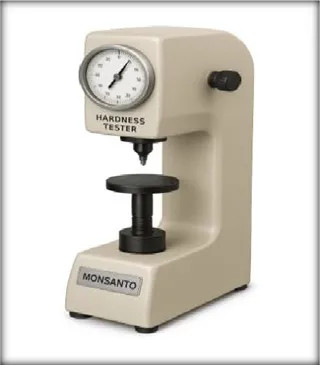
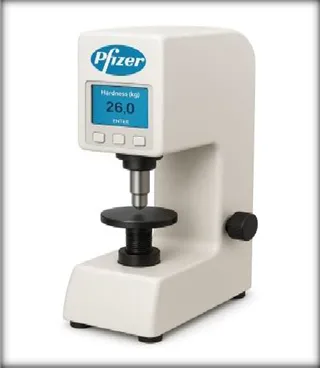
Determines the mechanical strength of tablets. Measured using a Monsanto or Pfizer hardness tester; ideal FDT hardness ranges between 2–4 skg/cm²(10,18).
Evaluated using a Roche friabilator. A weight loss below 1% indicates adequate strength (2,11).
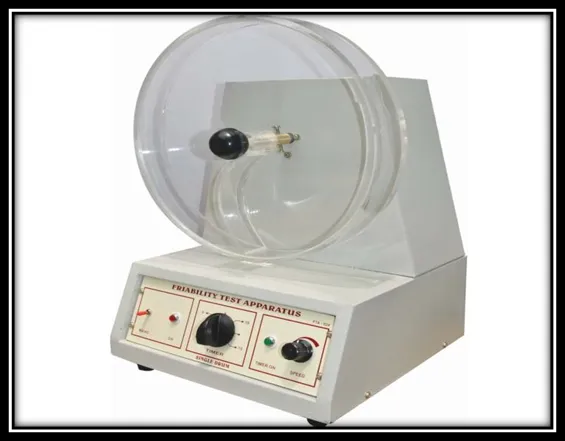
Figure 5: Friability Test Apparatus
A tissue paper method is used to measure the time taken for water to reach the tablet surface. The water absorption ratio (R) is calculated as:
R=Wa−Wb/Wb×100
where, Wa and Wb are tablet weights before and after absorption.
Measured in 900 mL of distilled water at 37°C ± 0.5°C using the disintegration apparatus. FDTs should disintegrate within 30 seconds to 3 minutes, depending on formulation(3,6,7).
Dissolution tests determine the rate and extent of drug release, typically performed usingUSP Type II (paddle) apparatus at 50–100 rpm in a suitable medium (9,13).
Performed using a trained human taste panel or electronic tongue technology. Criteria include taste, aftertaste, and mouthfeel(8,24).
Stability testing is conducted as per ICH Q1A (R2) guidelines at accelerated conditions (40°C ± 2°C and 75% RH ± 5%) for 6 months to evaluate any changes in appearance, disintegration time, or drug content (14,19).
Because of their porous structure and hygroscopic nature, FDTs are sensitive to environmental factors, especially moisture and temperature. Hence, specialized packaging is essential to maintain stability(2,5,6,11,21).
FDTs are commonly packed in:
Some FDT technologies utilize proprietary packaging, such as:
These packages prevent physical damage and ensure long-term stability under varying conditions (4,12,15).
FDTs have gained widespread acceptance due to their broad therapeutic applicability and patient-friendly nature(3,7,9,18,24).
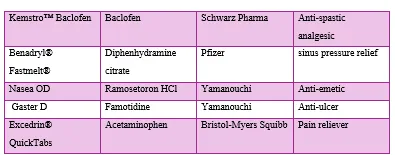
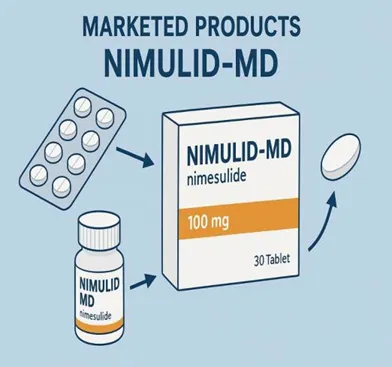
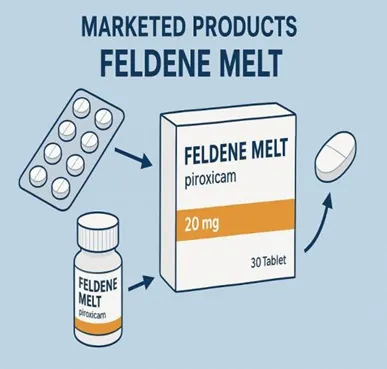
A number of FDT products have been successfully commercialized, showcasing the feasibility and benefits of this technology (6,8,13,22,25).
Table 4: Marketed Products
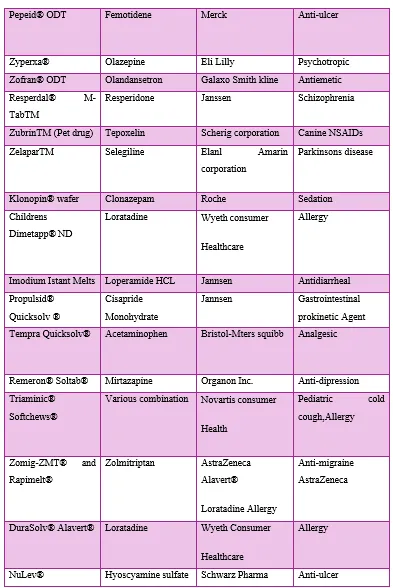
Key Insights from Marketed Formulations
11. Challenges in Formulation of FDTs
Despite their wide acceptance and advantages, FDTs present several formulation and manufacturing challenges that must be carefully addressed(2,7,8,14,20).
Because of their porous and fragile structure, FDTs often exhibit low hardness and high friability. Achieving the right balance between fast disintegration and mechanical strength remains difficult. Optimizing compression force, binder concentration, and choice of excipients is critical.
Many active pharmaceutical ingredients (APIs) have an inherently bitter taste, which negatively impacts patient compliance. Techniques such as microencapsulation, complexation with ion-exchange resins, and polymer coating are essential for effective taste masking (6,10,17).
FDTs are hygroscopic due to the presence of superdisintegrants and porous excipients. Exposure to humidity may cause premature disintegration or structural damage, requiring specialized moisture-barrier packaging (3,11,23).
The dosage of drugs incorporated into FDTs is limited. Drugs requiring high doses (>500 mg) are challenging to formulate into FDTs due to size and disintegration constraints(13,15).
Lyophilized or moisture-sensitive formulations may exhibit reduced shelf life. Maintaining stability in varying climatic zones requires optimization of both formulation and packaging design(8,12,19).
FDT technology has rapidly evolved with the integration of modern pharmaceutical and nanotechnological innovations (6,10,18,22,24).
Nanoparticles and nanocrystals enhance solubility and dissolution of poorly water-soluble drugs.
Example: Nanonised aripiprazole FDTs exhibit faster onset of action and improved bioavailability.
Three-dimensional printing (3DP) enables personalized dosage and complex geometries for controlled disintegration. The first FDA-approved 3D printed FDT, Spritam® (levetiracetam), set a milestone in 2015 for on-demand oral dosage fabrication (21).
Modern excipient systems such as Ludiflash®, Prosolv® ODT G2, and Pharmaburst® 500enhance flowability, compressibility, and mouthfeel simultaneously(11,23).
Combining disintegrants like crospovidone + sodium starch glycolate results in superior wetting and capillary action compared to individual agents (4,9,18).
Sublimation techniques using camphor, urea, or ammonium bicarbonate generate highly porous structures without compromising strength. Foam drying offers a rapid, solvent-free alternative for thermolabile drugs(20,24).
Regulatory guidance for FDTs is derived from general oral solid dosage form requirements with additional criteria for disintegration and stability(2,8,13,14,25).
The USFDA classifies FDTs under “orally disintegrating tablets” (ODTs), which disintegrate within 30 seconds or less in the mouth without water (FDA Guidance, 2008).
13.2 Pharmacopoeial Specifications
13.3 Labeling and Packaging
Labels must specify “orally disintegrating” and provide appropriate storage instructions (e.g., store in a dry place below 25°C). Packaging should ensure protection from light and moisture.
13.4 Bioequivalence Studies
In-vitro disintegration and dissolution studies, followed by in-vivo pharmacokinetic comparison, are mandatory to establish equivalence with reference products (12,19).
FUTURE PROSPECTS
The future of FDTs lies in integrating precision medicine, nanotechnology, and smart manufacturing to enhance therapeutic outcomes and patient convenience (3,10,17,20,21).
CONCLUSION
Fast Disintegrating Tablets (FDTs) represent a breakthrough in oral drug delivery, merging patient-centric design with technological innovation. They offer rapid onset of action, improved compliance, and enhanced bioavailability, particularly for pediatric and geriatric patients. Despite formulation challenges such as moisture sensitivity and mechanical fragility, advancements in superdisintegrants, 3D printing, and nanotechnology continue to refine this dosage form. Future research should focus on optimizing taste masking, stability, and scalability to achieve globally acceptable standards. FDTs will continue to evolve as a cornerstone of patient-friendly, effective, and smart oral drug delivery systems.
REFERENCES





Neha Pandit, Monika Madibone, Rupali Pathre, Manas Nikam, Akash Navpute Review On Fast Disintegrating Tablets, Int. J. of Pharm. Sci., 2026, Vol 4, Issue 5, 7879-7892, https://doi.org/10.5281/zenodo.20443960
 10.5281/zenodo.20443960