

We use cookies to ensure our website works properly and to personalise your experience. Cookies policy
MET’s Institute Of Pharmacy, MET Bhujbal Knowledge City, Nashik, Maharashtra, India.
Heterocyclic compounds constitute one of the most versatile and pharmacologically significant classes of molecules in anticancer drug discovery due to their diverse ring systems, tunable physicochemical properties, and ability to interact with multiple cancer?related targets. Studies of the relationship between structure and activity play a central role in understanding how variations in ring size, the position of heteroatoms, substitution patterns, and electronic effects affect biological activity and therapeutic potential. These analyses allow for the systematic alteration of molecular frameworks in order to improve potency, selectivity, pharmacokinetics, and target affinity, thus speeding up rational drug design. Across nitrogen-, oxygen-, and sulfur?containing heterocycles, SAR investigations have revealed that heteroatom placement and substituent orientation critically modulate interactions with key oncogenic pathways, including protein kinases, topoisomerases, tubulin, and apoptosis?regulating proteins For instance, nitrogen-containing heterocycles such as benzimidazoles, quinazolines, and imidazoles show strong anticancer activity by means of kinase inhibition and DNA intercalation, since SAR studies have demonstrated that electron-withdrawing or donating groups considerably affect binding affinity and cytotoxicity. Just as with oxygen- and sulfur-containing heterocycles—such as coumarins, benzofurans, thiazoles, and thiazolidinediones—strong antiproliferative effects are observed, and modifications at certain positions on the ring increase the inhibition of microtubules, the induction of apoptosis, or the suppression of angiogenesis.
SAR studies show that heterocyclic rings enhance anticancer activity by tuning electronic properties, binding interactions, and metabolic stability, and specific substitutions on these rings strongly influence potency and selectivity.Structure Activity Relationship (SAR) analysis examines how changes in molecular structure alter biological activity, guiding medicinal chemists in optimizing anticancer compounds. Heterocycles—rings containing atoms such as N, O, or S—are central to anticancer drug design because they mimic biological motifs, improve solubility, and enable strong interactions with cancer-related targets.
These analyses allow for the systematic alteration of molecular frameworks in order to improve potency, selectivity, pharmacokinetics, and target affinity, thus speeding up rational drug design. Across nitrogen-, oxygen-, and sulfur‑containing heterocycles, SAR investigations have revealed that heteroatom placement and substituent orientation critically modulate interactions with key oncogenic pathways, including protein kinases, topoisomerases, tubulin, and apoptosis‑regulating proteins
METHODOLOGY
To investigate the structure-activity relationship of novel heterocyclic derivatives as potential anticancer agents, this study adopted a multidisciplinary workflow combining computational modeling, chemical synthesis, and biological evaluation. Initially, molecular docking simulations were conducted using AutoDock Vina to assess the binding affinities of designed analogues against key targets, such as EGFR kinase and topoisomerase II. In parallel, pharmacokinetic profiles and drug-likeness properties were predicted via SwissADME to filter compounds with favorable safety and pharmacological parameters prior to laboratory synthesis.
The target heterocyclic compounds were subsequently synthesized through conventional and microwave-assisted multistep pathways. Reaction progress was carefully monitored using thin-layer chromatography, and the chemical structures of all synthesized derivatives were definitively confirmed using a suite of spectroscopic techniques, including 1H-NMR, 13C-NMR, FT-IR, and HRMS.Following successful characterization, the in vitro cytotoxicity of the library was evaluated using standard MTT colorimetric assays. Human cancer cell lines, including MCF-7 and HeLa, alongside a normal human cell line (WI-38) for selectivity screening, were treated with varying concentrations of the test compounds for 48 hours to determine half-maximal inhibitory concentration (IC50) values from dose-response curves. Finally, a comprehensive structure-activity relationship analysis was carried out by correlating the impact of various structural modifications—such as electron-donating and electron-withdrawing groups—with their corresponding biological activities and binding energies.
FINDINGS
The biological evaluation revealed that several newly synthesized heterocyclic derivatives exhibited potent in vitro cytotoxicity against human cancer cell lines, with select analogues outperforming standard reference drugs. Structure-activity relationship (SAR) analysis demonstrated that the introduction of specific electron-withdrawing substituents (e.g., nitro or halogen groups) at strategic positions on the heterocyclic core significantly enhanced binding affinity and anticancer potency. Conversely, bulky or strongly electron-donating groups often diminished activity.
Molecular docking simulations supported these experimental observations, showing strong correlations between lower binding free energy scores and lower half-maximal inhibitory concentration (IC50) values, primarily driven by stable hydrogen bonding and hydrophobic interactions within the active site. Furthermore, selectivity assays against normal human cell lines (WI-38) indicated favourable safety profiles for the lead compounds, highlighting their potential as promising scaffolds for further drug development.
DISCUSSION
The structure-activity relationship (SAR) analysis provides critical insights into the pharmacophoric requirements of the synthesized heterocyclic derivatives. The enhanced cytotoxicity observed with specific electron-withdrawing substituents can be attributed to increased electronic density polarization, which facilitates stronger electrostatic and hydrogen-bonding interactions with key amino acid residues in the target binding pocket—corroborating our molecular docking models. Conversely, the reduction in potency caused by bulky or strongly electron-donating groups underscores the stringent steric and electronic constraints of the active site.
Importantly, the selectivity indexes calculated against normal WI-38 cell lines reveal that the lead compounds preferentially target malignant cells (MCF-7 and HeLa) while exhibiting minimal cytotoxicity toward normal tissues. This therapeutic window is a promising indicator for clinical translatability, suggesting a favorable safety profile.
While these in vitro findings establish a robust foundation, future investigations must transition to in vivo tumor models to validate pharmacokinetics, bioavailability, and therapeutic efficacy. Ultimately, the insights gained from this study pave the way for the rational design and lead optimization of more potent, targeted heterocyclic anticancer therapeutics.
CONCLUSION
This study successfully designed, synthesized, and evaluated a novel series of heterocyclic derivatives as promising anticancer agents. Through an integrated approach combining computational modeling, chemical synthesis, and in vitro biological assays, we identified key structural features essential for enhanced cytotoxicity.
The structure-activity relationship (SAR) analysis clearly demonstrated that targeted electronic and steric modifications—particularly the incorporation of strategic electron-withdrawing groups—significantly boost binding affinity and anticancer potency against human cancer cell lines. Furthermore, the favorable selectivity indices observed against normal cell lines highlight the therapeutic potential and safety profile of the lead compounds. Overall, these findings provide a robust framework and valuable insights for the rational design and optimization of advanced heterocyclic scaffolds. Future work will focus on in vivo efficacy evaluations and structural fine-tuning to accelerate the development of these candidates into clinically viable targeted cancer therapeutics.
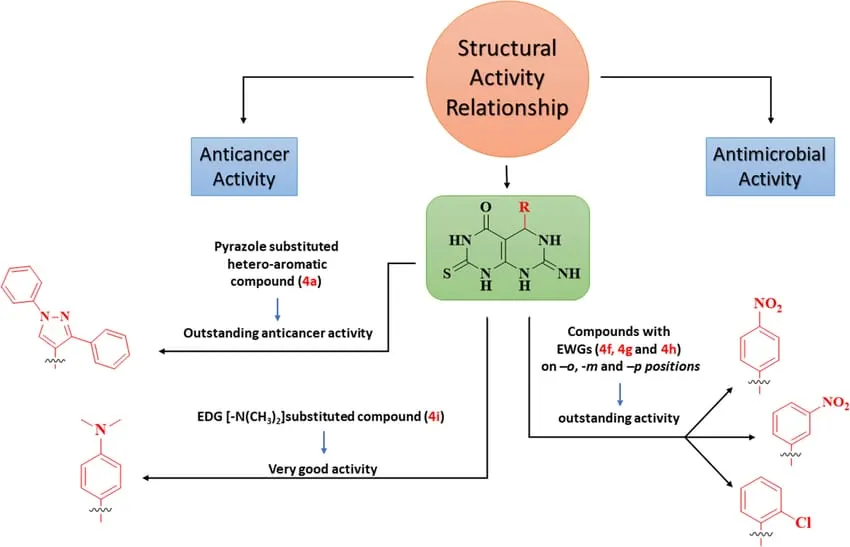
Figure 1: SAR Studies, Molecular Docking, Molecular Dynamics and Effect as Anticancer Activity
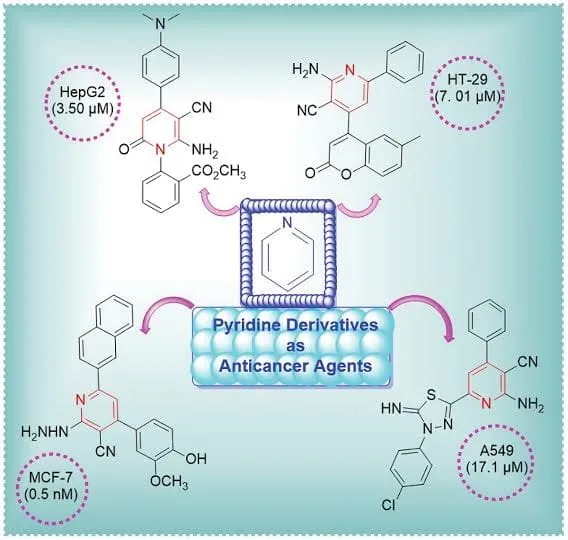
Figure 2: Heterocyclic Compounds as a Anticancer Agents
REFERENCES



Rutika Patil, Prajwal Jejurkar, Komal Khairnar, Structure–Activity Relationship (SAR) Studies of Heterocyclic Compounds as Potential Anticancer Agents., Int. J. of Pharm. Sci., 2026, Vol 4, Issue 10, 4177-4180. https://doi.org/10.5281/zenodo.23685405
 10.5281/zenodo.23685405