

We use cookies to ensure our website works properly and to personalise your experience. Cookies policy
1Professor, Department of Pharmaceutical Chemistry, Yashwantrao Bhonsale College of Pharmacy, Sawantwadi.
2Assistant Professor, Department of Pharmaceutical Chemistry, Yashwantrao Bhonsale College of Pharmacy, Sawantwadi.
3M. Pharmacy, Final Year, Department of Pharmaceutical Chemistry, Yashwantrao Bhonsale College of Pharmacy, Sawantwadi.
Antimicrobial resistance (AMR) has emerged as a major global health challenge, reducing the effectiveness of conventional antibacterial therapies and limiting treatment options for bacterial infections. The continuous emergence of resistant microorganisms highlights the need for innovative approaches to discover new antibacterial agents and improve the activity of existing drugs. Medicinal chemistry and synthetic chemistry provide valuable strategies for addressing AMR through rational drug design, structural optimization, antibiotic adjuvants, combination therapy, drug repurposing, target-directed approaches, and semisynthetic modification of established antibacterial scaffolds. This review discusses contemporary chemical and biochemical strategies for combating antimicrobial resistance, with particular emphasis on chemical modification of antibiotic structures. Structural optimization of ?-lactams, sulfonamides, fluoroquinolones, tetracyclines, macrolides, and glycopeptides can modify target interactions, improve stability against resistance mechanisms, enhance bacterial penetration, and potentially restore or extend antibacterial activity. The review also highlights antimicrobial peptides and their optimization through cyclization, terminal and side-chain modification, incorporation of non-proteinogenic amino acids, and nanoparticle-based formulation. In addition, genome mining, retro-biosynthetic approaches, semisynthetic engineering, and host-directed antimicrobial strategies provide complementary avenues for identifying and developing new therapeutic candidates.
Antibiotics represent one of the most important therapeutic advances of the twentieth century. Their introduction and widespread clinical application have transformed the management of bacterial infections and substantially improved healthcare outcomes. However, the extensive and sometimes inappropriate use of these agents has been accompanied by the progressive emergence of antimicrobial resistance (AMR).During the later decades of the twentieth century, resistance among pathogenic bacteria became increasingly widespread and was associated with reduced effectiveness of conventional antibiotic therapy, particularly in critically ill patients and intensive-care settings. Antimicrobial resistance refers to the capacity of microorganisms to withstand the inhibitory or lethal effects of antimicrobial agents and continue to survive or multiply despite treatment.¹,³,⁵Antibacterial drugs control infections through different biological mechanisms. They may interfere with essential bacterial processes, including synthesis of the cell wall, protein production, nucleic-acid replication, or important metabolic pathways. Major antibiotic groups act on distinct cellular targets. For example, β-lactams and glycopeptides primarily interfere with bacterial cell-wall formation, whereas macrolides and tetracyclines inhibit protein synthesis. Sulfonamides interfere with folate metabolism, while fluoroquinolones act on bacterial DNA replication by targeting DNA gyrase and topoisomerase IV.¹ The continued emergence and dissemination of resistant microorganisms have therefore become major global health challenges. Drug-resistant bacterial infections were associated with approximately 4.95 million deaths worldwide in 2019, emphasizing the need for new approaches to antibacterial discovery and resistance management.¹,8 Medicinal chemistry and synthetic chemistry provide important opportunities in this context by enabling the discovery of new chemical entities, optimization of existing antibacterial scaffolds, development of resistance-modifying agents, and structural modification of established drugs. Antimicrobial resistance can be broadly categorized according to the number of antimicrobial classes to which an organism has lost susceptibility. Multidrug resistance (MDR) generally refers to resistance to at least one agent in three or more antimicrobial categories. Extensively drug-resistant (XDR) organisms remain susceptible to only a very limited number of antimicrobial categories, whereas pandrug-resistant (PDR) organisms demonstrate resistance across all relevant antimicrobial categories. PDR therefore represents an especially severe form of resistance.⁷The World Health Organization (WHO) has recognized antimicrobial resistance as a major threat to public health and has emphasized the need for coordinated measures to control its development and spread.8,9Consequently, the development of innovative medicinal and synthetic chemistry strategies is essential for identifying new antibacterial agents and extending the useful life of existing therapies.
Table 1: Major Antibiotic Classes, Mechanisms of Action and Common Resistance Mechanisms1
| Antibiotic class | Principal mechanism of action | Major target/pathogen range | Common resistance mechanisms |
|---|---|---|---|
| β-Lactams | Interfere with bacterial cell-wall synthesis | Broad spectrum | β-Lactamase production, altered PBPs, efflux |
| Glycopeptides | Inhibit peptidoglycan synthesis | Mainly Gram-positive bacteria | D-Ala-D-Lac target modification |
| Macrolides | Bind to the 50S ribosomal subunit and inhibit protein synthesis | Mainly Gram-positive bacteria | Efflux, ribosomal methylation |
| Tetracyclines | Bind to the 30S ribosomal subunit and interfere with tRNA attachment | Broad spectrum | Efflux, ribosomal protection |
| Fluoroquinolones | Inhibit DNA gyrase and topoisomerase IV | Broad spectrum | gyrA/parC mutations, efflux, plasmid-mediated resistance |
| Sulfonamides | Interfere with folate biosynthesis | Broad spectrum | Increased PABA production, efflux |
Strategies to Overcome Antimicrobial Resistance
1. Antibiotic Adjuvants
Antibiotic adjuvants are compounds that generally have limited or negligible antibacterial activity when administered alone but can improve the performance of conventional antibiotics when used in combination. Their principal purpose is to interfere with bacterial resistance mechanisms and thereby restore, enhance, or prolong the activity of existing antibacterial drugs.
Several categories of antibiotic adjuvants have been investigated, including:
The development of effective adjuvants is particularly important because they can potentially extend the therapeutic utility of established antibiotics without requiring the complete development of an entirely new antibacterial class.
2. Combination Therapy and Small-Molecule Optimization
Combination therapy is an established strategy in the treatment of serious bacterial infections. Administration of two or more antimicrobial agents may provide complementary antibacterial activity and can broaden the range of organisms affected by treatment. Depending on the selected drug combination, synergistic or additive antibacterial effects may also occur. Furthermore, appropriate combinations may reduce the probability that resistant bacterial populations will emerge during treatment. However, combination therapy must be carefully designed because simultaneous administration of multiple agents may also increase the possibility of drug interactions and adverse effects.17,18
Another important medicinal chemistry strategy is the structural optimization of established antibacterial molecules. Chemical modification of an existing antibiotic scaffold can alter its physicochemical and biological properties in ways that may improve therapeutic performance. Such modifications may strengthen interaction with the bacterial target, reduce recognition by efflux systems, facilitate penetration through bacterial barriers, or increase resistance to enzymatic degradation.18
Fluoroquinolones provide an important example of this approach. Modification of the ciprofloxacin scaffold and related fluoroquinolone structures has been investigated to obtain derivatives with improved antibacterial activity and altered susceptibility to known resistance mechanisms.12,18 Thus, rational structural optimization can provide additional opportunities for improving established antibacterial chemotypes.12
3. Repurposing Non-Antibiotic Drugs as Antibacterial Agents
Drug repurposing involves investigating medicines that were originally developed or approved for one therapeutic indication to determine whether they may have useful activity in another disease or therapeutic setting. In the context of antimicrobial resistance, existing pharmaceutical compounds can be screened for activity against resistant bacterial organisms.
Repurposing may offer several potential advantages because the pharmacological characteristics, safety information, manufacturing processes, or clinical experience associated with an existing drug may already be available. Identifying antibacterial activity in such compounds could therefore provide alternative therapeutic candidates for resistant infections and potentially shorten some stages of conventional drug-development programs.²⁰
The approach is particularly attractive when conventional antibiotic discovery is unable to provide sufficient numbers of new antibacterial agents. Nevertheless, antibacterial activity observed during repurposing studies requires appropriate microbiological, pharmacological, toxicological, and clinical evaluation before therapeutic application.12
4. Modification of Antimicrobial Drug Targets
Changes occurring within bacterial DNA can produce structural or functional alterations in proteins or other cellular components targeted by antimicrobial drugs. Mutations affecting an antibiotic target may modify its structure sufficiently to decrease antibiotic recognition or binding and consequently reduce antibacterial activity.
Bacteria may also employ post-translational or other chemical modifications of target molecules. Addition of particular chemical groups to an antimicrobial target can alter the interaction between the target and antibiotic, allowing the bacterium to maintain the target's function while reducing susceptibility to the drug.17
Understanding these target-modification mechanisms is important for medicinal chemists because characterization of altered targets can guide the design of molecules capable of retaining effective interactions despite resistance-associated changes. Target-based drug design and structural optimization may therefore contribute to the development of antibiotics that are less susceptible to particular resistance mechanisms.
5. Immuno-Antibiotics as an Alternative Strategy
Antimicrobial treatment is increasingly being considered not only in terms of its direct effects on bacterial cells but also in relation to interactions between antimicrobial agents and the host immune system. Certain antimicrobial compounds may influence components of innate immunity in addition to directly inhibiting or killing bacteria.
Such host-directed effects may support natural defense mechanisms and facilitate the elimination of infectious organisms. Consequently, the overall therapeutic effect of selected antimicrobial agents may involve both direct antibacterial activity and indirect enhancement of host-mediated bacterial clearance.12,15
The concept of immuno-antibiotics therefore provides an additional direction for antimicrobial research, in which chemical compounds are investigated for their capacity to combine antibacterial effects with beneficial modulation of host defense pathways.12,15
Biochemical Approaches to Combating Antimicrobial Resistance
1. Conventional Methods for Controlling Antimicrobial Resistance
Antimicrobial resistance is not restricted to clinical environments. Resistant microorganisms and antimicrobial-resistance genes may also occur in wastewater and other environmental compartments. Conventional wastewater-treatment technologies, including coagulation, have therefore been investigated for their ability to reduce resistant bacteria and resistance-associated contaminants.
a) Coagulation
Coagulation is a commonly employed wastewater-treatment process used to destabilize suspended particles and facilitate their subsequent separation from water. In this process, suitable coagulants interact with suspended materials and cause them to aggregate into larger particles or flocs. These larger aggregates can subsequently settle more readily, facilitating their removal during water treatment.
The efficiency of coagulation can be influenced by the type and concentration of coagulant employed as well as the characteristics of the wastewater. Chemical or biological treatment agents may be incorporated to improve the removal process.
Studies have indicated that appropriately selected coagulants can also contribute to the reduction of antibiotic-resistant bacteria and antibiotic-resistance genes (ARGs) in wastewater. Materials such as polyaluminium sulfate, polyferric chloride, and ferrate have been investigated for their potential to improve the removal of microorganisms and resistance-related contaminants from wastewater.13
Therefore, wastewater treatment represents an important complementary component of strategies intended to limit the environmental dissemination of antimicrobial resistance.13
2. Genome-Mining Approaches
Genome mining has become an important strategy for identifying microorganisms with previously unexplored potential to produce antimicrobial compounds. The approach involves examining microbial genomic information to identify biosynthetic gene clusters (BGCs) associated with the production of secondary metabolites.
Identification of such gene clusters can provide an indication that an organism possesses the genetic machinery required to synthesize potentially novel bioactive compounds. Genome-based analysis can therefore expand the search for antibacterial candidates beyond compounds that have already been obtained through conventional isolation and screening procedures.
The expression of silent or weakly expressed biosynthetic pathways can be investigated using several approaches. These include ribosome engineering, optimization of cultivation conditions, manipulation of transcriptional regulators, modification of epigenetic regulation, and application of small-molecule elicitors.
Such strategies can activate previously inaccessible biosynthetic pathways and increase the likelihood of detecting novel metabolites. Genome-mining studies have contributed to the identification of bioactive metabolites associated with organisms such as Streptomyces hiroshimensis and new lanthipeptide metabolites from Saccharopolyspora cebuensis. Some of these compounds have demonstrated growth-inhibitory activity against microorganisms, supporting the value of genome-based approaches for antimicrobial discovery.¹⁵
The combination of genome sequencing, bioinformatic analysis, metabolomics, and experimental validation may therefore provide a powerful platform for expanding the chemical diversity of antimicrobial agents.12
3. Retro-Biosynthesis Approaches
Retro-biosynthesis represents a computational strategy that can be applied to the identification and design of potentially useful bioactive molecules. Rather than beginning solely with experimentally isolated compounds, computational analysis can be used to examine chemical structures and identify possible molecular frameworks or structural modifications associated with desired biological properties.
Such approaches may assist researchers in exploring chemical space and identifying candidate structures that could interact with important microbial targets through mechanisms that differ from those of existing antibiotics.
Compounds such as griselimycins and telomycins have been investigated in relation to important bacterial targets, including membrane-associated cardiolipin phospholipids and DNA-clamp proteins. Computational approaches have also been increasingly explored in antiviral research, suggesting that related methodologies may have broader applications in antimicrobial discovery.
For example, computational investigations have evaluated approximately 15 compounds against the main protease and 23 compounds against RNA-dependent RNA polymerase. Such computational screening can help prioritize molecules for subsequent experimental investigation.
Accordingly, computational and retro-biosynthetic approaches may complement experimental medicinal chemistry by facilitating the identification of new molecular structures and potential biological targets. These approaches could contribute to the development of new antimicrobial candidates and provide additional avenues for addressing antimicrobial resistance.12
4. Semisynthetic Engineering Approaches
Semisynthetic engineering involves the deliberate chemical or enzymatic modification of naturally occurring antibiotic molecules to generate derivatives with improved pharmaceutical or antibacterial characteristics.
Through structural modification, researchers can attempt to enhance parameters such as antimicrobial potency, antibacterial spectrum, pharmacokinetic behavior, chemical or biological stability, and activity against resistant microorganisms.
This strategy has played an important role in the development of derivatives belonging to antibiotic families such as lipopeptides and glycopeptides. Appropriate modification of the parent scaffold can preserve important pharmacological features while introducing structural characteristics that improve therapeutic performance.
Several established antibiotics have undergone semisynthetic modification, including rifampicin, minocycline, doxycycline, and clarithromycin.12
Semisynthetic chemistry therefore remains an important bridge between natural-product discovery and modern medicinal chemistry. Rather than completely replacing an existing antibiotic scaffold, this approach allows researchers to use a biologically validated molecular framework as the starting point for further optimization.
5. Antimicrobial Peptides
Antimicrobial peptides (AMPs) constitute a diverse group of naturally occurring and synthetically prepared molecules capable of inhibiting or killing microorganisms. Their antibacterial effects may arise through interactions with microbial membranes, although certain peptides can also act on intracellular bacterial targets.
On the basis of structural characteristics, charge, amino-acid composition, and the presence of particular residues, AMPs can be broadly grouped into several categories.
a) Cationic peptides
These peptides possess a positive net charge and may contain relatively high proportions of amino acids such as proline, arginine, phenylalanine, glycine, or tryptophan. Their positive charge can facilitate interaction with negatively charged components of bacterial surfaces and membranes.
b) Anionic antimicrobial peptides
These peptides possess a net negative charge and represent another structural group of antimicrobial peptides. Their activity may depend on their specific molecular composition and interactions with microbial components.
c) Cysteine-containing peptides
Cationic or anionic peptides containing cysteine residues may form intramolecular disulfide bonds. These bonds can contribute to peptide folding and structural stability and may influence antimicrobial activity.
d) Linear cationic α-helical peptides
Linear cationic peptides capable of adopting an α-helical conformation frequently interact with bacterial membranes. Their interaction with membrane components may disrupt membrane organization and integrity, ultimately contributing to bacterial cell damage.
Despite their considerable potential, the development of antimicrobial peptides for clinical use remains associated with several challenges. Important limitations include poor or limited stability, susceptibility to enzymatic degradation, relatively high production costs, and the possibility of unwanted immune or allergic responses.
Consequently, continued research is required to optimize peptide structure and improve stability, selectivity, safety, production efficiency, and therapeutic performance.9
Chemical structure modification of antibiotics for combating antimicrobial resistance
1. Cyclization
Cyclization is widely used in antimicrobial peptide (AMP) engineering to modify peptide conformation and improve its overall performance. Many naturally occurring AMPs, including human β-defensins, contain disulfide bridges that stabilize their characteristic three-dimensional structures. Introducing a cyclic or conformationally restricted arrangement into synthetic AMPs can reduce the flexibility of the peptide backbone and may consequently enhance structural stability, antimicrobial activity, and selectivity.
Several naturally occurring antimicrobial peptides exhibit cyclic or constrained structures, including bacitracin, polymyxin B, polymyxin E, tyrothricin, gramicidin S, and daptomycin. The presence of such structural constraints in these biologically active peptides demonstrates that peptide conformation can have an important influence on antimicrobial function.
Disulfide-bond formation is one of the commonly adopted approaches for generating cyclic AMP structures. In this process, oxidation of the thiol groups present in cysteine residues produces covalent disulfide bridges within the peptide. When the resulting linkage connects functional groups located on amino acid side chains instead of being formed through the conventional peptide backbone, the structure is described as heterodetic cyclization. These covalent constraints decrease the conformational freedom of the peptide and can help maintain its biologically active conformation. Consequently, disulfide-mediated cyclization is an important structural modification considered in the development and optimization of AMP-based therapeutics.14
2. Terminal or Side-Chain Modification
Chemical modification of peptide termini is a useful approach for improving the stability and biological performance of AMPs, particularly when they are exposed to physiological or enzymatic conditions. Modifications such as C-terminal amidation, N-terminal acetylation, and N-terminal methylation can alter the physicochemical properties of peptides and may provide greater protection against enzymatic degradation.
C-terminal amidation is a characteristic feature of several naturally occurring antimicrobial peptides. The temporin family, for example, contains numerous peptides with amidated C-termini. Such modifications can influence peptide charge, conformation, membrane interaction, and resistance to degradation, thereby affecting antimicrobial performance. In addition to modifying the peptide termini, chemical alteration of amino acid side chains can provide another means of controlling peptide stability. For example, modification or alkylation of the amino group associated with lysine residues can alter peptide properties and may improve antimicrobial activity while decreasing susceptibility to proteolytic breakdown.
Peptide stability and systemic exposure can also be improved by linking AMPs to larger and relatively stable biomolecules. Albumin and antibodies are examples of carrier or fusion partners that can be used for this purpose. Such approaches may increase the residence time of peptides in biological systems and can potentially improve their pharmacokinetic behavior and bioavailability.14
3. Incorporation of Unusual or Non-Proteinogenic Amino Acids
The introduction of unusual or non-proteinogenic amino acids is another strategy employed to modify the biological and pharmacological characteristics of antimicrobial peptides. These amino acids include compounds that are not normally incorporated into proteins through the standard genetic code, as well as chemically modified amino acid derivatives. Their incorporation into AMP sequences can be used to alter peptide conformation, antimicrobial potency, selectivity, and resistance to enzymatic degradation.
The stereochemical configuration of amino acids is an important factor influencing peptide structure and biological activity. Except for glycine, amino acids generally possess one or more chiral centers and can occur in different stereochemical forms, particularly the L- and D-configurations. Although these forms have the same basic chemical composition, their spatial arrangements differ and can result in distinct interactions with biological molecules.
Substitution of selected L-amino acids with D-amino acids has therefore been investigated as a means of improving the stability of AMPs. Because many proteolytic enzymes preferentially recognize naturally occurring peptide configurations, incorporation of D-amino acids can reduce susceptibility to enzymatic cleavage in certain peptide sequences. In some AMPs, these substitutions have been reported to preserve substantial antimicrobial activity while improving resistance to proteolysis. The outcome, however, depends on the peptide sequence, the position of substitution, and the microorganism being targeted. Thus, incorporation of D-amino acids and other non-proteinogenic residues provides a useful tool for balancing peptide stability, activity, and selectivity during AMP optimization.14
4. Nanoparticle Formulation
Nanotechnology-based approaches have gained considerable interest for improving the delivery and stability of antimicrobial peptides. Formulating or conjugating AMPs with nanoparticles can provide a means of protecting peptides from premature degradation while facilitating their transport and interaction with microbial targets. Depending on the nanoparticle system and its surface characteristics, this approach may also help modulate peptide toxicity and improve its therapeutic performance.
Nanoparticles possess several properties that make them suitable carriers for peptide-based therapeutics. Their high surface-area-to-volume ratio, adjustable surface chemistry, and distinctive physicochemical characteristics allow substantial amounts of bioactive molecules to be loaded onto or associated with their surfaces. In addition, certain nanomaterials exhibit intrinsic antimicrobial activity, meaning that they can potentially contribute to antibacterial effects while simultaneously functioning as delivery platforms.
Gold nanoparticles (AuNPs) are particularly attractive for AMP-related applications because of their relatively inert nature, favorable biocompatibility, and ability to undergo surface functionalization. Their surfaces can be modified with peptides, polymers, antibodies, or other biomolecules to control interactions with biological targets. Consequently, AuNP–AMP systems have been investigated as multifunctional platforms that may combine peptide-mediated antimicrobial activity with the delivery and protective properties of nanomaterials. Overall, nanoparticle-based formulation represents a promising strategy for improving AMP stability, delivery, and antimicrobial performance, although the safety and efficacy of each nanomaterial must be evaluated individually.14
Structural modification in antibiotic structure
1. β-Lactam antibiotics
β-Lactam antibiotics act primarily by binding penicillin-binding proteins (PBPs) and inhibiting the transpeptidation step required for bacterial cell-wall synthesis. One of the major resistance mechanisms is production of β-lactamases, which hydrolyze the β-lactam ring and prevent the antibiotic from reaching its target. Alteration of PBPs, reduced permeability and efflux can also contribute to resistance.24
Structural modification of β-lactams has therefore focused on increasing β-lactamase stability, maintaining PBP affinity, improving penetration, and modifying the spectrum of antibacterial activity. In cephalosporins, modification of the C-3 and C-7 positions has historically been particularly important. Certain substituents at these positions can increase β-lactamase stability or alter activity against Gram-positive and Gram-negative organisms.
For example, introduction of an α-methoxy group into appropriate β-lactam scaffolds can increase resistance to β-lactamase-mediated hydrolysis. The development of cephamycins such as cefoxitin illustrates how structural changes can increase stability against β-lactamases. Similarly, the trans-6-hydroxyethyl group characteristic of carbapenems contributes to their stability toward many β-lactamases.25
Another important approach is the development of β-lactam/β-lactamase-inhibitor combinations. Rather than modifying the antibiotic alone, an inhibitor can be designed to interact with the resistance enzyme and protect the antibacterial β-lactam from hydrolysis. This represents a structure- and mechanism-based strategy for restoring β-lactam activity.
More recently developed cephalosporins, including ceftaroline and ceftobiprole, illustrate another aspect of structural optimization: modifications can be introduced to improve interaction with altered PBPs as well as to influence β-lactamase stability.25
.
2. Sulfonamide antibiotics
Sulfonamides such as sulfamethoxazole, sulfadiazine and sulfathiazole interfere with bacterial folate biosynthesis by acting as structural analogues of p-aminobenzoic acid (PABA) and inhibiting dihydropteroate synthase (DHPS). Resistance can arise through mechanisms such as alterations in the target enzyme, acquisition of resistant DHPS variants, increased production of PABA, and other changes affecting susceptibility.
Because of the extensive resistance associated with classical sulfonamides, structural diversification of the sulfonamide scaffold has been investigated as a means of obtaining compounds with improved antibacterial activity and, in some cases, activity against resistant organisms. Recent medicinal-chemistry work has explored modification of approved sulfonamides by incorporation of heterocyclic systems such as triazoles, thiazoles and thiophenes, as well as hydrazones, Schiff bases, urea/thiourea groups and hybrid structures.
An important advantage of this approach is that modification of the sulfonamide framework can alter its electronic properties, lipophilicity, hydrogen-bonding ability, molecular conformation and interaction with bacterial targets. Consequently, researchers can investigate derivatives with mechanisms that differ from those of classical PABA-mimicking sulfonamides.For example, recent reviews describe sulfonamide-containing heterocyclic derivatives and hybrid molecules that have demonstrated activity against bacterial strains, including drug-resistant Staphylococcus aureus. Some of these newer compounds are not restricted to the classical DHPS mechanism and therefore represent a broader medicinal-chemistry approach to overcoming limitations of traditional sulfa drugs. Importantly, many newly synthesized sulfonamide derivatives are experimental compounds, rather than clinically established replacements for conventional sulfonamide antibiotics. Therefore, their reported antibacterial activity should not automatically be interpreted as demonstrated clinical efficacy.
3. Fluoroquinolone antibiotics
Fluoroquinolones such as ciprofloxacin, levofloxacin, moxifloxacin and ofloxacin inhibit bacterial DNA replication primarily by targeting DNA gyrase and topoisomerase IV. Resistance commonly develops through mutations in the genes encoding these targets, particularly changes within the quinolone-resistance determining regions (QRDRs), together with increased efflux and reduced drug accumulation.The fluoroquinolone scaffold is particularly suitable for medicinal-chemistry optimization because different positions can be modified to influence target binding, antibacterial spectrum, pharmacokinetics, permeability and resistance characteristics. The C-7 position has been extensively explored, and different heterocyclic substituents can substantially modify antibacterial properties. For example, introduction or modification of C-7 heterocyclic substituents has been used to alter the interaction of fluoroquinolones with bacterial targets and to improve activity against selected resistant organisms. Research has investigated derivatives containing 1,2,4-triazoles, oximes, aryl-furan systems, benzofuroxans and other pharmacophores. Some conjugated derivatives have demonstrated broader or improved antibacterial activity in experimental studies. Another medicinal-chemistry strategy is hybridization, in which the fluoroquinolone nucleus is chemically connected to another pharmacophore. The objective is to generate molecules capable of interacting with more than one bacterial target or mechanism. Recent research has investigated multi-target fluoroquinolone derivatives against multidrug-resistant Gram-positive, Gram-negative and mycobacterial species.28
4. Tetracyclines antibiotics
Tetracycline resistance commonly occurs through active efflux pumps and ribosomal protection proteins. Chemical modification of tetracycline structures produced the glycylcycline class, with tigecycline being a prominent example.Tigecycline is a semisynthetic derivative of minocycline containing a 9-tert-butylglycylamido substituent. This modification changes the interaction of the antibiotic with the bacterial ribosome and helps it overcome the major efflux and ribosomal-protection mechanisms responsible for resistance to older tetracyclines. The large substituent at the C9 position is particularly important because it creates steric effects that interfere with common tetracycline resistance mechanisms. Structural studies have associated the modified side chain with altered ribosomal interactions and improved activity against resistant bacteria. However, resistance to tigecycline can still emerge. For example, the TetX enzyme can enzymatically modify tigecycline, demonstrating that even a chemically optimized derivative can eventually become susceptible to a new resistance mechanism.
5. Macrolides
Macrolide antibiotics such as erythromycin are affected by resistance mechanisms including 23S rRNA methylation, efflux, and other target-associated mechanisms. Medicinal-chemistry modification of the macrolide structure led to the development of ketolides, including telithromycin. In telithromycin, the L-cladinose group at C3 is replaced by a keto group, while additional structural modifications include a C11–C12 carbamate-linked side chain. These changes improve ribosomal interactions and help the drug retain activity against certain macrolide-resistant Streptococcus pneumoniae. The modified structure allows telithromycin to interact more strongly with the bacterial ribosomal target and reduces susceptibility to some mechanisms responsible for macrolide resistance. This makes ketolides an important example of using target-oriented structural modification to overcome antibiotic resistance.
5. Glycopeptides
Another strategy involves modifying glycopeptide antibiotics such as vancomycin. Addition of a lipophilic side chain to the glycopeptide scaffold produced the lipoglycopeptides, including: Telavancin, Dalbavancin, Oritavancin. These antibiotics retain the glycopeptide core responsible for inhibition of bacterial cell-wall synthesis but contain additional structural modifications, including lipophilic substituents. These modifications can increase membrane association and improve antibacterial activity. Importantly, these derivatives do not all overcome the same resistance mechanisms to the same extent. For example, oritavancin retains activity against certain VanB and VanA-associated enterococci better than some other lipoglycopeptides, illustrating how structural modifications can alter the interaction between an antibiotic and a modified bacterial target.
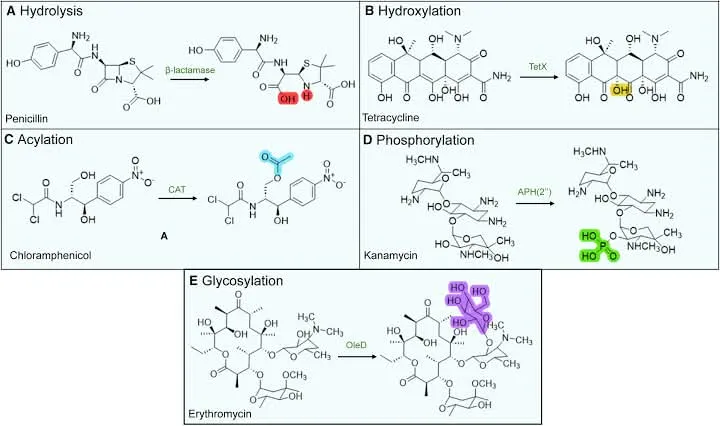
Figure None: Structural Modification of Antibiotics for Combating Antimicroial Resistance
Resource- https://share.google/J7pS6uJiAShP5HoJJ
CONCLUSION
Antimicrobial resistance represents a complex and continuously evolving challenge that requires innovative approaches beyond the discovery of conventional antibiotics. This review highlights the important contribution of medicinal and synthetic chemistry in addressing AMR through the discovery of new chemical entities, optimization of established antibacterial scaffolds, development of antibiotic adjuvants, combination strategies, drug repurposing, target-based approaches, semisynthetic engineering, and antimicrobial peptide optimization. Chemical modification of existing antibiotics provides an especially valuable strategy because structural changes can be designed to improve target binding, increase resistance to enzymatic degradation, enhance bacterial penetration, modify pharmacological properties, and reduce the impact of specific resistance mechanisms. Examples involving β-lactams, sulfonamides, fluoroquinolones, tetracyclines, macrolides, and glycopeptides demonstrate how rational structural optimization can generate derivatives with altered or improved antibacterial properties. The article also emphasizes emerging approaches such as genome mining, retro-biosynthetic design, nanoparticle-based delivery, and host-directed antimicrobial strategies, which can expand the chemical and biological options available for combating resistant microorganisms.However, chemical modification alone cannot completely eliminate antimicrobial resistance, because bacteria can develop new or additional resistance mechanisms against optimized agents. Therefore, promising compounds and derivatives require systematic evaluation of antibacterial activity, selectivity, pharmacokinetics, toxicity, resistance development, and clinical effectiveness. A multidisciplinary approach integrating medicinal chemistry, synthetic chemistry, microbiology, computational methods, pharmacology, and clinical research is consequently essential. Overall, innovative chemical strategies offer significant opportunities to preserve the effectiveness of existing antibiotics while supporting the development of new antimicrobial therapies. Continued structure-based optimization and exploration of novel chemical and biological approaches may contribute substantially to overcoming current resistance mechanisms and developing safer, more effective, and sustainable therapeutic options against drug-resistant bacterial infections.
REFERENCES



Dr. Vijay Jagtap, Gayatri Athalekar, Vaishnavi Padale, Chemical Remodeling of Antimicrobials: Innovative Medicinal Chemistry Strategies to Combat Resistance, Int. J. of Pharm. Sci., 2026, Vol 4, Issue 11, 2144-2156. https://doi.org/10.5281/zenodo.24216414
 10.5281/zenodo.24216414