

We use cookies to ensure our website works properly and to personalise your experience. Cookies policy
Department Of Pharmacy, Lokmanya Tilak Institute Of Pharmacy Kharghar Navi Mumbai.
Clerodendrum infortunatum L., commonly referred to as Hill Glory Bower or Bhat, is a significant medicinal plant in the Lamiaceae family that has long been used in many medical systems to treat a variety of ailments. Its botanical traits, geographic range, traditional applications, phytochemical components, extraction methods, pharmacological activities, toxicity profile, and potential for further research are all thoroughly covered in this review. Bioactive substances such flavonoids, phenolic compounds, terpenoids, sterols, tannins, and glycosides have been found in a variety of plant sections, especially leaves and roots. The identification and characterization of its phytoconstituents are aided by extraction techniques like Soxhlet extraction and cold maceration, as well as analytical techniques like liquid chromatography–quadrupole time-of-flight tandem mass spectrometry (LC-QTOF-MS/MS) and high-performance thin-layer chromatography (HPTLC). Promising antioxidant, anti-inflammatory, antimicrobial, antidiabetic, analgesic, hepatoprotective, wound-healing, antipyretic, anthelmintic, and cytotoxic properties have been shown by pharmacological studies. Although preliminary toxicity studies have yielded positive results, a thorough safety assessment is still required. There are still issues with phytochemical standardization, bioavailability, molecular processes, and long-term toxicity despite its significant therapeutic potential. To determine its therapeutic efficacy and support its potential use in contemporary medicine, more research is needed, including the separation of active components, the creation of enhanced formulations, and clinical testing.
Clerodendrum infortunatum. Linn. (Family: Verbanaceae), commonly referred to as Bhat in Hindi, Ghentu in Bengali, and Bhania in Oriya, is a terrestrial shrub with a square, blackish stem and simple, opposite, decussate, petiolate, exstipulate, coriacious, hairy leaves which smell bad. The shrub grows to a height of between two and four feet (1) . Flowers in pyramid-shaped terminal panicles are bluish-purple and frequently white. The plant is popular in West Bengal and the Indian plains.
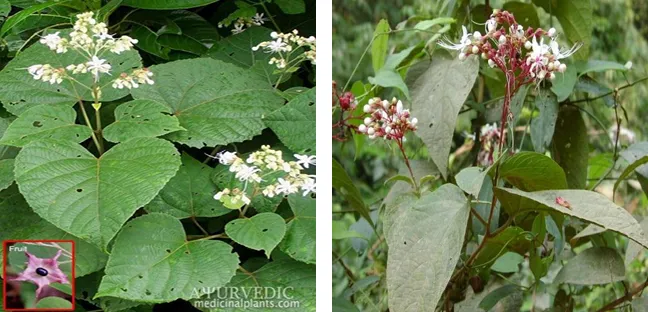
Figure 1: Clerodendrum Infortunatum. Linn.(2)
The antioxidant and hepatoprotective properties of several Clerodendrum species have been established all over centuries of traditional use. Tribes use different portions of the plant to treat skin conditions, tumors, scorpion stings, snake bites, and colic. The slightly bitter leaves are beneficial for smallpox, skin conditions, and inflammation. Additionally, bronchitis, asthma, fever, blood disorders, inflammation, burning sensations, and epilepsy are all treated with plant parts in Indian traditional medicine. It was discovered that the plant contained flavonoids, steroids, and triterpenes. Research on the plant has grown due to its antioxidant, antibacterial, anti-malarial, anthelmintic, and analgesic properties.(3)
REVIEW METHODOLOGY
1. Literature selection and scope
A systematic literature search methodology was applied in this review to select relevant scientific papers that have studied plant-derived bioactive compounds (BACs) possessing anti-cancer activities. Only those peer-reviewed publications published during 2020-2025 were selected from the electronic databases, namely PubMed and Google Scholar. The search procedure has been made using certain
keywords and Boolean operators, such as “solvent extraction”, “plant extract”, “medicinal plants”, “anticancer activity”, “bioactive compounds”, and “cancer cell lines”. Duplicates were excluded prior to performing the selection process. The selection of studies was performed in two stages: first, title and abstract screening and then full-text evaluation of potentially relevant papers. The selection of studies was performed according to predetermined criteria of inclusion and exclusion. The following papers were included in this review if: (i) they were original research articles written in English and published during 2020-2025; (ii) they studied the process of extraction of photochemical from plant materials; (iii) they assessed the anti-cancer activities using in vitro, in vivo, and clinical models; and (iv) they gave sufficient methodological information concerning the process of extraction. Review articles, meta-analyses, books, conference abstracts, papers not related to anti-cancer activity, papers not written in English, and those with insufficient information on extraction methods or unavailable full texts were excluded from the review.(4)
2. Anti-collagenase activity
The inhibition of collagenase enzyme activity was assessed spectrophotometrically by the use of Abcam's ab196999 Collagenase Activity Assay Kit, according to the kit manufacturer's protocol. This assay works through the hydrolysis of FALGPA synthetic peptide, which represents the natural sequence of collagen protein. (5) In brief, the test fractions along with the piroxicam reference standard, supplied by Pfizer were prepared at different concentrations in PBS. The reaction mixture consisted of 2 µL test fraction, 10 µL collagenase, and 88 µL assay buffer. Addition of 40 µL FALGPA substrate and 60 µL buffer started the enzyme reaction. Absorbance was recorded at 450 nm over a period of 5–15 min. The blank consisted of the reaction mixture in which the test sample was replaced with the corresponding solvent. All experiments were carried out in triplicates and data were reported as mean IC₅₀ ± SD. (6)
3. Anti elastase activity
The inhibitory effects of the test fractions on elastase activity were assessed using porcine pancreatic elastase and the E-12,056 EnzChek Elastase Assay Kit, according to the manufacturer’s instructions. The assay employed dye-quenched (DQ) elastin as a fluorogenic substrate. Briefly, 100 µL of diluted porcine pancreatic elastase was incubated with 50 µL of each test fraction at varying concentrations, where daidzein was considered as the reference standard. The samples were prepared using Tris-HCl buffer (pH 8) and kept in the dark at 25 °C for 30 min. Afterwards, 50 µL of the DQ elastin substrate solution was added to each well, reaching a final reaction volume of 200 µL. The microplate was incubated in the dark at 25 °C for further 120 min. Fluorescence background was calculated using the fluorescence value obtained in the absence of the enzyme at the same time points. The intensity of the fluorescence was measured using a microplate reader at 450 nm. All measurements were done in triplicate and mean values of IC₅₀ ± SD were recorded. (7)
4. Statistical analysis
Statistical analysis of the acquired data in the anti-collagenase and anti-elastase assays was carried out using the software program GraphPad Prism 5.0. The statistical significance between the experimental groups was determined using one-way ANOVA followed by the Tukey’s multiple comparisons test. (8)
5. Determination of total phenolic and flavonoid contents
TPC and TFC of plant extracts were determined via Folin-Ciocalteu spectrophotometric assay and Aluminium chloride colorimetry, respectively, after slight modifications. Total phenolic content was measured in terms of weight percentage (w/w%) of gallic acid equivalents (GAE), while total flavonoid content was measured in terms of weight percentage (w/w%) of (−)-epigallocatechin gallate equivalents (EGCGE). (9)
EXTRACTION METHODS
1. Soxhlet extraction technique
Clerodendrum infortunatum leaves was shade-dried, and methanolic extracts were extracted by Soxhlet extraction. Using a Soxhlet system, 50 g of powdered leaves were extracted with methanol for 17 hours. To make the extraction of phytoconstituents easier, the solvent was continuously heated, evaporated, condensed, and passed through the plant material. A rotary evaporator was used to concentrate the methanolic extract following extraction. At 40°C and minimal pressure, residual solvent was removed in a vacuum oven. The dried extract was kept chilled in an airtight container.
2. The cold maceration method
50 g of shade-dried leaf powder was immersed in methanol at a sample-to-solvent ratio of 1:10 in order to execute cold maceration. To aid in the extraction of phytoconstituents, the mixture was kept in a stoppered container at room temperature for 72 hours while being frequently stirred. Whatman filter paper was utilized to filter the resultant combination. A rotary evaporator was used to concentrate the filtrate, and it was then dried at 40°C under low pressure in a vacuum oven. The dried extract was kept in a refrigerator in an airtight container. Cold maceration does not require the extraction solvent to be constantly heated, in contrast to Soxhlet extraction.(10)
3. HPTLC Phytoconstituent fingerprinting
To identify and measure particular phytoconstituents in the methanolic leaf extracts of C, high-performance thin-layer chromatography (HPTLC) was applied. infortunatum. By comparing the retention factor (Rf) values of sample bands with reference standards, gallic acid, quercetin, and rutin were detected. Gallic acid, quercetin, and rutin had reported standard Rf values of 0.85, 0.74, and 0.18, respectively. The substances in the extracts could be estimated since the calibration curves were linear over the concentration range of 100–2000 ng/band. Gallic acid and tyrosine were analyzed using silica gel GF254 plates in a different HPTLC assay. For gallic acid, the mobile phase was toluene–ethyl acetate–formic acid (5:5.5:1, v/v/v), while for tyrosine, it was n-butanol–glacial acetic acid–water (4:1:1, v/v/v).After 20 minutes of chamber saturation, the plates were developed to a distance of 75 mm and scanned at 254 nm for gallic acid and 280 nm for tyrosine. Quantification was carried out utilizing calibration curves based on peak regions. .(11)
4. LC-QTOF-MS/MS Metabolite profiling
The methanolic leaf extract of C. infortunatum was exposed to a more comprehensive metabolite profile using liquid chromatography in conjunction with quadrupole time-of-flight tandem mass spectrometry (LC-QTOF-MS/MS). A 0.22 μm nylon syringe filter was used to filter the dried extract after it was dissolved in methanol, sonicated, and centrifuged for ten minutes at 13,000 × g. A C18 column with an acetonitrile–water gradient that included 0.1% formic acid in both solvents was used for chromatographic separation. Both positive and negative ionization modalities were used for mass spectrometric analysis.Based on retention time frame, approximate molecular mass, expected molecular formula, and MS/MS fragmentation patterns, metabolites were tentatively annotated.(12) The results were compared with databases and scientific literature, such as the Phytochemical Dictionary of Natural Products, HMDB, PubChem, and ChemSpider. Based to the assessed confidence level of 2, structural identification was possible. By offering more comprehensive details on the plant extract's metabolite composition, LC-QTOF-MS/MS enhanced HPTLC.(13)
BOTANICAL PROFILE
toxonomic classification :
synonym:
1. Clerodendrum viscosum Vent.
2. Clerodendrum infortunatum var. infortunatum
3. Volkameria infortunata Linn.
Common and Regional Names of Clerodendrum infortunatum:
Table 1: (14)
| Sr. No. | Language | Common Name |
|---|---|---|
| 1. | Hindi | Bhat / Bhant |
| 2. | Bengali | Ghetu / Bhandari |
| 3. | Telugu | Tonniki / Gantu Bharangi |
| 4. | Tamil | Peruvazhuthalai |
| 5. | Malayalam | Vazhuthananga |
| 6. | Marathi | Takla |
| 7. | Assamese | Kaula-Ghana |
| 8. | English | Hill Glory Bower / Stink Bush |
MORPHOLOGICAL CHARACTERISTICS:
Microscopical:
Clerodendrum infortunatum is a robust, erect, perennial shrub that generally grows to a height of 1–4 m, although it has also been described as reaching approximately 2.5m.The plant has huge, villous, and quadrangular stems. The plant’s leaves are opposite and broad ovate in shape with a measurement of about 25 × 20 cm. The leaf tip is shortly acuminate while the leaf base is heart-shaped. The edges of the leaves are either denticulate or serrated. The top side of the leaf is pubescent while the bottom side is either pubescent or tomentose.(15)
Stem:
The stem of Clerodendrum infortunatum is four-angled (quadrangular) when young but later on acquires a cylindrical (terete) form. The external part of the stem has small lenticels, and the internal part has white and soft pith.
Bark:
The bark is brownish-grey in colour and has shallow cracks on it.
Leaves:
The leaves of C. infortunatum are simple and opposite in their decussate arrangement. These leaves are ovate to almost orbicular in shape, with a size of 8–25 cm in length and 5–20 cm in width. The leaves have cordate or rounded bases, while the tips are acute to acuminate. The edges of the leaves are sinuate to dentate and may be either undulate or entirely smooth. Both surfaces of the leaves are hairy, but there is a denser coverage on the abaxial surface of the leaves. Petioles are approximately 2–10 cm in length. Crushed leaves of C. infortunatum have a very pungent odour.(14)
Flower:
Flowers of the species C. infortunatum have been seen to be white, being arranged in large terminal panicles or terminal and axillary corymbose cymes. Each flower is bisexual and slightly scented, and it has a purplish-pink calyx. It has an extended flowering season, with almost annual production of flowers.(14,15)
Calyx:
The calyx of Clerodendrum infortunatum is deeply divided into five segments, which grow to be highly enlarged as the fruit develops. These segments are lanceolate, with acuminate tips, and hairy. (15)
Corolla:
The corolla of Clerodendrum infortunatum is salver-shaped (salverform) with five petals spreading out.
Stamens:
The flower has four stamens in didynamous arrangement, which differ greatly in length and extend beyond the corolla.
Ovary:
The ovary is superior and divided into four chambers, each containing a single ovule.
Fruits:
The fruits of Clerodendrum infortunatum are similar to drupes and have four lobes; they vary in shape from ovoid to nearly round and measure about 0.6–1 cm in diameter. They are initially green but become shiny black-blue when mature. The fruits partly develop inside the enlarged calyx, which remains red throughout the fruit development process.
Seeds:
The seeds of Clerodendrum infortunatum are elongated and flat, having a length of about 4–6 mm
GEOGRAPHICAL DISTRIBUTION AND HABITAT:
Clerodendrum infortunatum occurs commonly in the tropical and subtropical regions of South and Southeast Asian.The plants are abundantly seen in places like West Bengal, Bihar, Jharkhand, Orissa, Assam, Meghalaya, Tripura, and in other many parts of East India. Apart from India, the plants are widely seen in countries like Bangladesh, Nepal, Bhutan, Sri Lanka, Myanmar, Thailand, Malaysia, Indonesia, and even some African countries.
This plant is found abundantly in disturbed habitats like waste lands, roadsides, forest edges, riverbanks, and secondary forests. It is widely distributed throughout most parts of India up to 1,800 m above the foothills of the Himalayan Mountains. Despite growing in several types of soils, it thrives in moist and well-drained soils that are high in nitrogen. It is a pioneer species that easily colonizes disturbed sit.(14)
TRADITIONAL USES:
Plants have been an important source of traditional medicine throughout history. In rural societies, many species of plants have been extensively used in treating different health problems such as fever, pain, diabetes, inflammation, wounds, rheumatism, parasitic worms infestations, dysentery, diarrhea, snakebites, high blood pressure, and even cancer. Plants are not only used in the management of human health problems, but they are also used for traditional ethnoveterinary purposes. Different parts of these medicinal plants are used either on their own or along with some other components to formulate traditional medicine.One of the most widely used medicinal plants among these medicinal plants is Clerodendrum infortunatum. (15)
1. Leaf extract:
In Siddha medicine, for instance, leaf juice is applied topically for skin diseases like psoriasis and leucoderma.
In Jharkhand, the Santal tribes use fresh leaf pastes for wounds and snake bites whereas Garo tribes of Meghalaya apply leaf decoctions for malarial-type fevers.(14)
2. Leaf juice :
Leaf juice is also applied in a rectal manner to drive out roundworms from intestines. Fresh preparations of the plant are applied externally for the management of scorpion stings, snake bite, and swelling.
3. Dried leaves :
In Bangladesh, different ethnic groups traditionally use C. infortunatum for the treatment of helminthiasis, fever, bone fractures, joint dislocation and conditions related to diabetes. In addition, C. infortunatum has also been used traditionally for scaring off mosquitoes using dried leaves with cow dung.(16)
4. Root bark extract :
In Unani medicine, root bark decoction is used for its anti-pyretic and anthelmintic properties. Similarly, the Oraon tribes in Chhattisgarh utilize root extract for the management of epilepsy and convulsion.(14)
Roots
The roots of the plant are highly valued by people of Assam for bronchitis and asthma treatment. However, in Kerala and Arunachal Pradesh, leaf preparations are used for wound healing, headache treatments, postnatal medicinal bath, and ethnic salad preparations.
Furthermore, the leaves and roots are traditionally used to manage tumors and skin disorders, while plant decoctions are administered for cholera.
5. Leaves and flowers extract:
Leaves and flowers are applied to scorpion stings, whereas young sprouts are used in the treatment of snakebites
6. Stem bark:
The stem is traditionally employed to relieve toothache, while extracts of shoots and leaves are used for purulent vaginal discharge. Additionally, stem bark powder is reported to serve as a traditional remedy for snakebite.(17)
7. Phytochemical extracts :
Phytochemical and pharmacological investigations have also demonstrated the medicinal potential of this plant. C. infortunatum ethanol extracts have been found to possess antibacterial effects. Additionally, two types of flavonoids, namely cabruvin and quercetin, extracted from the roots of C. infortunatum have displayed strong antifungal activities.(18)
PHYTOCHEMICAL SCREENING
Sterols, carbohydrates, tannins, terpenoids, flavonoids, and saponin have been identified in various extracts of C. infortunatum L. leaves, according to preliminary phytochemical analysis. (19)
Alkaloids, steroids, tannins, glycosides, volatile oils, fixed oils, resins, phenols, flavonoids, and various other active substances are found in plants and are deposited in their many components, including leaves, flowers, bark, seeds, fruits, roots, and more. The combination of these secondary metabolic products generally constitutes that provides plant materials their favourable therapeutic effects. 119 secondary plant metabolites that were employed as medications were discovered by Farnsworth et al. in 1985.
Top of Form
Bottom of Form
Top of Form
Bottom of Form
Phytochemicals are frequently utilised for therapeutic purposes due to their known antioxidant, antibacterial, antifungal antidiabetic, anti-inflammatory, radio-protective activity.(20)
Microscopic Study Of The Midrib And Lamina
1. Epidermis: The mesophyll, upper and lower epidermis, and a thin layer known as the cuticle are all seen in a cross-section of a leaf.A single layer of palisade cells and three to five layers of spongy parenchyma lie directly beneath the top epidermis.Glandular and covering trichomes are present in both the upper and lower epidermis, although the cells in the upper epidermis are bigger.
2. Vascular Bundles: The midrib contains bicollateral, massive, and noticeable vascular bundles.The dorsal side contains the phloem, whereas the ventral side carries the xylem.Sclerenchyma fibers with calcium oxalate crystals encircle these bundles, which are conjoint, collateral, and closed.
3. Stomata: Anisocytic stomata are more numerous on the lower epidermis than on the upper epidermis). Prismatic calcium oxalate crystals are also present in the mesophyll cells. 4. Trichomes: Additionally, there are encircling trichomes, glandular trichomes, cup-shaped trichomes, and cicatrices covering both epidermal surfaces. Covering trichomes may be lignified or non-lignified, uniseriate and multicellular, consisting of 3–10 cells. They are mostly straight with tapering ends, and some show collapsed cells Trichomes with a unicellular stalk and a unicellular or multicellular head containing 4–8 cells are also reported.(21)
PHYTOCHEMICAL ASPECTS
Saponins, alkyl sterols, enzymes, acetoside, and fixed oils containing linoleic, oleic, stearic, and lignoceric acids are all found in C. infortunatum leaves. Lupeol, β-sitosterol, clerosterol, clerodolone, clerodone, and steroidal glycosides have been derived from root extracts. Clerodin, 15-methoxy-14,15-dihydroclerodin, and 15-hydroxy-14,15-dihydroclerodin are other isolated chemicals.Investigations on carbohydrates, phenolics, flavonoids, terpenoids, sugars, and steroids have also been reported.(22)
1. Flavonoids
The leaves, flowers, roots, and seeds of C. infortunatum have all been reported to be rich in flavonoids, which are significant polyphenolic components. In addition to glucuronide derivatives such acacetin-7-O-glucuronide and scutellarein-7-O-β-D-glucuronide.(23) Identified chemical compounds include scutellarin, apigenin, acacetin, quercetin, cabruvin, and hispidulin. These substances may support the plant's traditional therapeutic applications because they are linked to antioxidant, anti-inflammatory, and antiproliferative properties.(22)
2. Phenolic substances
Both aerial and subterranean parts of C. infortunatum have been displayed to have phenolic compounds. Catechol, guaiacol, gallic acid, hydrocinnamic acid, acetoside, fumaric acid, vanillic acid, and substituted phenylpropanoids are among them. There have also been reports of hydrolyzed tannins and derivatives of caffeic acid, especially in leaves and flowers . These substances may affect cell signaling pathways and are linked to anti-inflammatory and antioxidant properties.
3. Terpenoids
Terpenoids, consisting of mono-, di-, and triterpenoids, represent a significant class of components in C. infortunatum. Clerodin, clerodinin A, 15-methoxy-14,15-dihydroclerodin, and 15-hydroxy-14,15-dihydroclerodin are reported clerodane diterpenoids. Oleanolic acid, betulin, betulinic acid, lupeol, clerodolone, and clerodone are the most common triterpenoids found in roots and aerial portions.(24) GC-MS analysis has also identified volatile chemicals as R-limonene, squalene, trans-β-ocimene, β-cubebene, and phytol .
4. Sterols
The roots, leaves, flowers, seeds, and entire plant have all been discovered to contain phytosterols and related steroidal substances. These consist of ergosta-5,22-dien-3-ol acetate, clerosterol, stigmasterol, poriferasterol, and β-sitosterol. There have also been reports of steroidal glycosides and the sterol derivative (22E,24S)-stigmasta-5,22,25-trien-3β-ol . These elements may exert an impact on inflammatory processes, membrane integrity, and lipid metabolism.
5. Fixed oils and fatty acids
The leaves, flowers, roots, seeds, and stems of C. infortunatum have each been reported to contain fixed oils. Saturated and unsaturated fatty acids including linoleic, oleic, stearic, lignoceric, palmitic, vaccenic, and eicosatrienoic acids are included in their lipid profile. Furthermore, a number of acetylenic and methyl-esterified derivatives have been documented. Solvent extraction and GC-MS analysis were utilized to identify these components. (25)
6. Nitrogenous compounds and amino acids
Amino acids and nitrogen-containing metabolites are another group of compounds in C. infortunatum, though being identified less frequently than polyphenols and terpenoids. 4-amino-1,5-pentanedioic acid, octadecenamide, glucosamine derivatives, purine nucleoside analogs, and other amides are among the substances that have been previously reported. There have also been reports of sulfur-containing chemicals in other plant components, such as desulphosinigrin, pantetheine derivatives, and dithiocarbamate-related compounds. (16)
Table 2: Phytochemicals Detected in Various Parts of C. Infortunatum.(26)
| Part | Phytochemicals |
|---|---|
| Root | Alkaloids, flavonoids, terpenoids, glycosides |
| Leaf | Tannins, phenolics and flavonoids |
| Leaf | Gallic acid |
| Leaf | Sterols, tannins, terpenoids, flavonoids and saponins |
| Root | Tannins, flavonoids, saponins and steroids |
| Leaf | Alkaloids, flavonoids, steroid, tannin, terpenoid, phenolics |
| Whole plant | Flavonoids, tannins, sterols, terpenoids, anthraquinone glycosides |
| Leaf | Alkaloids, flavonoids, steroid, saponins, terpenoid, phenolis, glycosides, phytosterols |
| Leaf | Alkaloids, saponins, flavonoids, triterpenes |
| Leaf | β-sitosterol |
| Root | Quercetin |
| Leaf | Flavonoids, tannins, saponins |
| Leaf | Oleanolic acid, Clerodinin A |
| Root | Tannins, phenols |
| Leaf | Phenolics, alkaloids, flavonoid, saponin, tannin and anthraquinone |
| Leaf | Steroids, triterpenoids, glycosides, flavonoids, polyphenolics and tannins |
| Flower | Antisal 1a, β-cubebene, tyranton, 2-trans-β-ocimene, 3-allyl methoxy phenol, 4H-1, 3 oxazin and others |
| Root | Alkaloids, flavonoids and tannins |
| Leaf | Alkaloids, steroids, triterpenoids, cardiac glycosides, flavonoids, tannins and phenolic compounds |
| Leaf | Alkaloids, flavonoids, terpenoids, steroids, tannins, saponins and glycosides |
| Root | Alkaloids, flavonoids, terpenoids, steroids, tannins and saponins |
| Flower | Apigenin, acacetin and methyl ester of acacetin-7-O-glucuronide |
| Whole plant | (22E,24S)-Stigmasta-5,22,25-trien-3b-ol |
| Aerial parts | Viscosene (I-methyl-3-(2,6, 14, 18-tetramethylnonadeca-7, 17~dien-9-yl)benzene) |
| Root | Clerodolone, Clerodone, Clerodol and Clerosterol |
| Leaf | Flavonoids, glycosides, polyphenolics, steroids and triterpenoids |
| Leaf | Alkaloids, glycosides and flavonoids |
| Seeds | Quercetin |
| Aerial parts | 24-ethylcholesta-5,22E-dien-3β-ol |
PHYTOCHEMICAL ANALYSIS REAGENT PREPARATION
Tests for phytochemical screening:
To identify a variety of elements, a qualitative phytochemical screening of the methanolic plant extract has been carried out using standard chemical tests.
Terpenoids: The Salkowski test confirmed the presence of terpenoids, as seen by the interface's reddish-brown coloration. Alkaloids: Mayer's and Wagner's assays produced creamy-white and reddish-brown precipitates, respectively, indicating the presence of alkaloids in the extract.
Test for carbohydrate: Molisch's and Fehling's tests for carbohydrates came out positive. Carbohydrates were identified by a brick-red cuprous oxide precipitate in Fehling's test and a purple-to-violet ring at the junction in Molisch's test.
Flavonoids: Tests for aluminum chloride and ammonium were negative. Flavonoids did not exist in the methanolic extract, as indicated by the lack of yellow coloration in the ammonia layer and the absence of light-yellow color in the aluminum chloride test
Tannins: Tests for lead sub-acetate and ferric chloride were positive. Tannins were indicated by a creamy, gelatinous precipitate with lead sub-acetate and a greenish-to-black coloration with ferric chloride.
Phenols: There was no opaque coloration or Niger-brown precipitate, therefore the ellagic acid test was negative. As a result, phenols in the methanolic extract were not verified. Glycosides: Concentrated sulfuric acid and Keller-Kiliani tests yielded positive results. Glycosides were identified by reddish-brown coloration at the interface, a bluish-green top layer, and the development of a brown ring.
Saponins: The outcomes of the hemolytic and foam tests were negative. The absence of saponins in the extract was demonstrated by the lack of persistent froth that formed after shaking it with distilled water and the absence of a hemolytic zone that developed after entering into contact with blood. .(20)
PHARMACOLOGICAL ACTIVITY AND MECHANISM OF ACTION
Research has shown that various parts of Clerodendrum infortunatum have a variety of pharmacological activities including antibacterial, anthelmintic, insecticidal, analgesic, antipyretic, hepatoprotective, wound healing, thrombolytic, antidiabetic, cytotoxic and anti-inflammatory activities. (27)
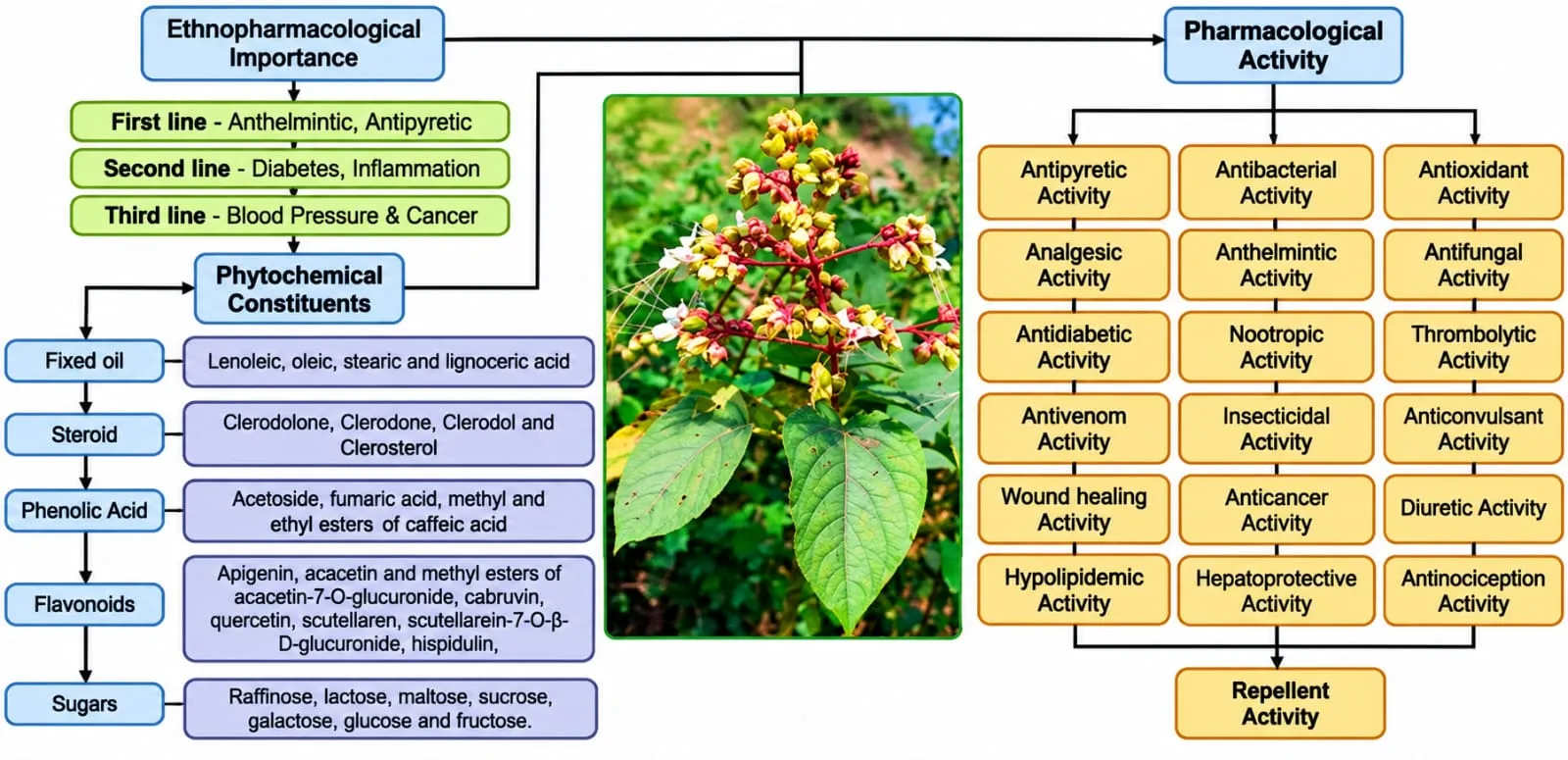
Figure 2: Pharmacological Activity. (16)
1. Anti- inflammatory activity
Clerodendrum infortunatum leaf extracts exhibit anti-inflammatory activity by inhibiting protein denaturation and stabilising lysosomal and erythrocyte membranes, possibly through the suppression of COX-2, mPGES-1 and M3 muscarinic pathways.. (28)
2. Anti- oxidant activity
The ethanolic leaf extract demonstrates significant free radical scavenging and reducing activities, helping neutralise reactive oxygen species, minimise oxidative stress and protect cells from oxidative damage (29) (27)
3. Anti- microbial activity
4. Anti- diabetic activity
5. Wound- healing activity
6. Analgesic activity
7. Hepatoprotective activity
8. Anti- pyretic activity
Different extracts of Clerodendrum infortunatum exhibit fever-reducing effects, potentially through the inhibition of mPGES-1 by compounds such as ethyl isoallocholate, thereby reducing prostaglandin E₂ production.. (33)
9. Anti- cancer activity
TOXICITY STUDY AND SAFETY FINDING:
Acute toxicity study and sub-toxicity study on clerodendrum infortunatum:
The acute toxicity of C. infortunatum extract was assessed in rats using an oral dosing protocol described as being based on OECD guidelines. Rats numbering thirty-six in total were assigned to six groups each having six rats. The rats were fasted overnight before administering the extract dissolved in saline solution using doses of 125, 250, 500, 1000, and 2000 mg/kg body weight. The control group received only saline solution without any extract under similar conditions as those of other groups. After 48 hours observation, signs of toxicity and death were recorded. Food and water were provided ad libitum except the fasting period. (35) The ethanolic extract of Clerodendrum infortunatum has demonstrated low acute toxicity in rodents, with no mortality or significant behavioural changes at doses up to 2,000 mg/kg body weight, following OECD guidelines. A 28-day sub-acute toxicity study at 500 mg/kg revealed no significant alterations in haematological, biochemical or organ-related parameters. However, prolonged administration or higher doses may cause gastric irritation and mild liver stress. Further investigations are necessary to establish the long-term safety of the extract. Additional studies on reproductive toxicity, genotoxicity and mutagenicity, including Ames and micronucleus assays, are recommended. Moreover, the presence of bioactive diterpenoids with potential insecticidal properties highlights the importance of determining a safe and appropriate dosage. (14)
Cytoxicity study:
The cytotoxic activity of Clerodendrum infortunatum has been demonstrated through various in-vitro assays, including MTT, SRB and brine shrimp lethality tests, with root extracts showing greater activity than other plant parts. Different aqueous and organic extracts exhibited concentration-dependent effects against several cancer cell lines. Furthermore, in-vivo studies showed that methanolic and ethanolic extracts reduced tumour volume and improved survival in Swiss albino mice with Ehrlich’s ascites carcinoma. (16)
CHALLENGES
RESEARCH GAPS
FUTURE PERSPECTIVES
1. The growing prevalence of different diseases, including the COVID-19 pandemic, calls for an urgent search for innovative and efficient therapeutic agents. Many species of Lamiaceae family plants have a long tradition of use in traditional medicine, food preservation, and food preparation due to their numerous prophylactic and curative qualities. Species of this family are abundant in bioactive compounds that define their biological activities both individually and as a result of interaction. This is why increased interest from the scientific world is required to study this family of plants and find new bioactive compounds. In future studies, emphasis should be made on the analysis of pharmaceutical potential of these bioactive compounds and their interaction, especially their synergistic interaction. (38)
2. Nanogels are a valuable, novel, and successful medication delivery approach that addresses both traditional as well as modern healing concerns, including specific side effects and limited stability. Each new study claims that it has discovered unique polymeric mechanisms and mechanistic views with potential therapeutic applications and nanogel design studies. Nanogels have a key role to play in the management of ophthalmic disorders, nasal medicine transport, and vaginal drug administration, according to a new study in nanogels and nanotechnology.
CONCLUSION
With a long history of traditional usage and significant potential for pharmacological research, Clerodendrum infortunatum L. is a significant medicinal plant. Numerous bioactive components, including as flavonoids, phenolic compounds, terpenoids, sterols, and other secondary metabolites, have been discovered through phytochemical research. Its medicinal potential has been highlighted by preclinical studies that have revealed antioxidant, anti-inflammatory, antibacterial, antidiabetic, hepatoprotective, wound-healing, analgesic, antipyretic, and cytotoxic properties. However, the majority of the data that is now available comes from in vitro, animal, and preliminary phytochemical investigations. Major obstacles still include variations in phytochemical composition, extraction techniques, poor standardisation, a lack of knowledge of molecular pathways, and insufficient toxicity and clinical data. Finding active ingredients, creating standardized extracts, examining pharmacokinetics, assessing long-term safety, and analyzing understudied plant parts—especially flowers and fruits—should be the main goals of future research. The stability and bioavailability of its bioactive components may also be enhanced via sophisticated drug delivery devices.To sum up, C. infortunatum is a viable source of naturally occurring bioactive chemicals for pharmaceutical research and future drug discovery. To determine its therapeutic efficacy and safety in humans, however, further thorough scientific and clinical research is necessary.
ACKNOWLEDGEMENT
I would like to extend my heartfelt gratitude to all those who provided their valuable support, guidance, and encouragement during the preparation of this review article entitled “Clerodendrum infortunatum L.: A Review of Its Traditional Uses, Phytochemical Constituents and Pharmacological Activities.”
I sincerely thank our respected Principal mam and all the faculty members of Lokmanya Tilak institute of Pharmacy for their constant guidance, valuable suggestions, motivation, and support throughout the completion of this work. I am also grateful to the various researchers and authors whose published research articles, scientific publications, and literature available on platforms such as PubMed and Google Scholar served as important sources of information for this review.
Lastly, I would like to express my deepest appreciation to my parents, friends, and all those who contributed directly or indirectly through their encouragement and assistance in successfully completing this review article.
REFERENCES

Sonal Bangar, Rubina Parveen Ashakan, Samina Shaikh, Shristi Singh, Prachiti Patil, Shrutika Patil, Clerodendrum Infortunatum: A Review of Phytochemistry and Pharmacological Activities, Int. J. of Pharm. Sci., 2026, Vol 4, Issue 11, 2209-2223. https://doi.org/10.5281/zenodo.24218234
 10.5281/zenodo.24218234