

We use cookies to ensure our website works properly and to personalise your experience. Cookies policy
University Department of Chemical Technology, Dr. Babasaheb Ambedkar Marathwada University, Chhatrapati Sambhajinagar, Maharashtra- 431004.
Increased prevalence of fungal infections and development of resistance toward present antifungal medicines have raised an emerging requirement of novel heterocyclic scaffolds possessing antifungal property. With the inherent molecular stability, ease of synthesis, the versatile and promising interactivity with various biological molecules have made 1,2,3-triazole the widely recognized nucleus in the medicinal field. 4-phenyl-1,2,3-triazole derivatives were synthesized, exploring to optimize CuAAC reaction at this stage. Under the optimal reaction condition, 5 mol% CuSO5HO, 5 mol% sodium ascorbate, in an isobutanol-water (9:1) solvent, 75 C for 35 min, the reaction time has decreased from 50 min to 35 min, the catalyst amount decreased from 10 mol% to 5 mol% and the isolated yield raised from ~70% to ~80% from the preliminary. White solid was collected with mp 143-144 C, and 4-phenyl-1,2,3-triazole produced was then identified. Some selected moleculesL-1A, L-1B,L-3Cand L-4D were docked against lanosterol 14-demethylase (CYP51, PDB ID: 6TZ7) and L-1A shows the best score (-9.0). In term of ADME properties, L-1A and L-1B showed rather good predicted features through SwissADME and BOILED-Egg predictions. Therefore, the optimized synthetic route for the triazole and the preliminary virtual screening predicted results suggest further research on 4-phenyl-1,2,3-triazole derivatives as potential lead molecules for the study of antifungal activity.
Fungal infections represent a significant therapeutic challenge for all health professionals, especially in consideration of the progressive diffusion of resistance to the established antifungal candidates. As there are few chemical classes of antifungals, it is a major concern to design new molecules bearing novel scaffolds targeting fungi developing antifungal resistance. This issue has been identified in the global health framework, as reported by the World Health Organization with its inaugural publication of the Fungal Priority Pathogens List. Indeed, the scaffolds, including nitrogen-heterocycles (N-heterocycles), because they can be chemically altered, display potential in developing new therapeutic leads for antifungal drugs as a result of the significant modulation of the biological and physicochemical properties of the compounds with those changes .
Among the considered scaffolds, 1,2,3-triazoles were of particular interest due to their chemical stability, ease of synthesis and a potential to engage in a wide variety of binding interactions with biological entities. A number of 1,2,3-triazoles exhibit potent activity against pathogenic fungi especially of Candida class and the presence of such diverse structure led to search for different antifungal pharmacophores as well as creation of hybridized structures with increased and broad biological profile. Furthermore, a simple yet straightforward approach to construction of 1,2,3-triazole is copper-catalyzed azide-alkyne cycloaddition (CuAAC), which represents a well-established click chemistry reaction for rapid and regioselective synthesis of 1,4-disubstituted 1,2,3-triazoles. The conditions for successful run (catalyst loading, solvent, temperature, reaction time) were optimized for a successful synthesis, which represents an object of importance for the development of an efficient and reliable synthesis route.
Cytochrome P450 enzyme, lanosterol 14-demethylase (CYP51), is a promising target for antifungal drug discovery, because this enzyme takes part in fungal ergosterol synthesis. Ergosterol is a vital component in the fungal cell membrane and the inhibition of CYP51 interrupts sterol biosynthesis, hence to destroy the structure and function of the membrane. Its important physiological role in fungi and the structural information of the enzyme have rendered it a desirable target for structure-based discovery of antifungal candidates.
Thus molecular docking has been widely employed in the study of possible binding modes and interactions of novel designed molecules in the active sites of CYP51.
The interaction with CYP51 was documented for some 1,2,3-triazole bearing compounds and it was revealed that docking can act as an indispensable tool complementary to synthetic and experimental studies.
A number of recent reports further illustrate the potential of compounds containing a 1,2,3-triazole motif to emerge as effective antifungal candidates, such as the work of Yu et al who describe a CYP51-guided molecular docking strategy to design and synthesize triazole-appended compounds incorporating a 1,2,3-triazole motif and antifungal testing of resulting derivatives. Danne et al explored the application of 1,2,3-triazole-functionalized bis-pyrazoles in combination with docking of the compounds on CYP51 to explore possible binding patterns. Most recently, Huang et al reported development of novel azoles tethered to a 1,2,3-triazole structure, with some displaying excellent antifungal activity against Candida albicans, even a drug-resistant strain, and binding on C. CYP51 was rationalized by docking.
Other groups, such as Gandham et al have integrated synthetic methodology, molecular docking of some on C.
Albicans CYP51, and in-silicos ADME prediction for 1,2,3-triazole linked to indazole scaffolds. These cases further corroborate the need to consider diverse scaffolds decorated with the triazole moiety in the search for new antifungal candidates using an integration of chemical synthesis and computational modelling.
All of these present compounds are structured with a core of 4-phenyl-1,2,3-triazole and its substitution has been made by varying in electronic, hydrophobic and hydrogen bond donors / acceptors parts. These modifications have effects on molecular recognition, on the ligand conformation inside the binding site of the enzyme CYP51 and also on many physicochemical and pharmacokinetic properties. Relationship studies on 1,2,3-triazole derivatives active on fungal strain demonstrate that this substitution can profoundly affect the biological properties of the molecules.
Systematic modification of the scaffold of 4-phenyl-1,2,3-triazole may represent a rational tool for discovering compounds with interesting properties to pursue future study as novel antifungal.
All of these present compounds are structured with a core of 4-phenyl-1,2,3-triazole and its substitution has been made by varying in electronic, hydrophobic and hydrogen bond donors / acceptors parts. In the present study, we synthesized the 4-phenyl-1,2,3-triazole derivatives using click chemistry ( CuAAC click reaction ). Optimization of the reaction’s conditions, including choice of solvent, loading of the catalyst ( Copper catalyst ) in each reaction, temperature and duration time to have the best yield is important to achieve this synthetic step efficiently. We docking simulated these compounds to lanosterol 14-demethylase enzyme (CYP51) to study binding interaction and also predicted physicochemical and pharmacokinetic properties of the generated compounds with SwissADME, BOILED-Egg model.
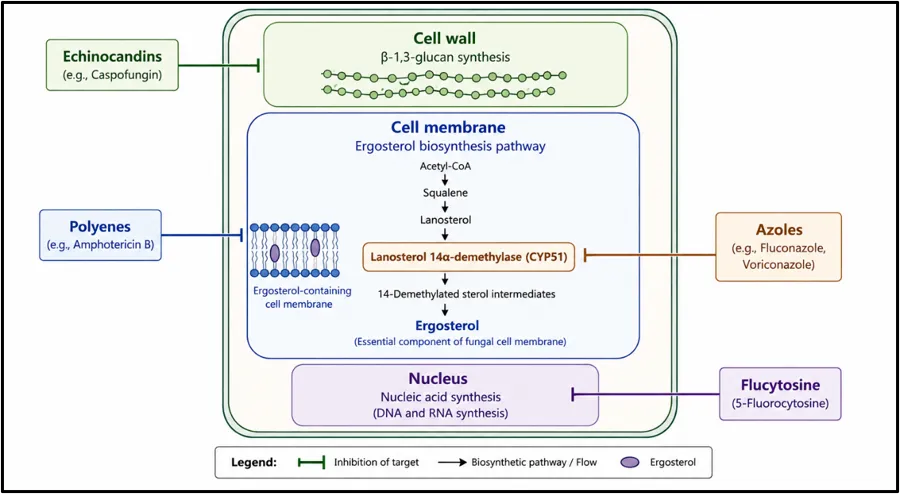
Figure 1: Major cellular targets of clinically important antifungal drug classes in fungal cells, highlighting lanosterol 14α-demethylase (CYP51) involved in ergosterol biosynthesis.
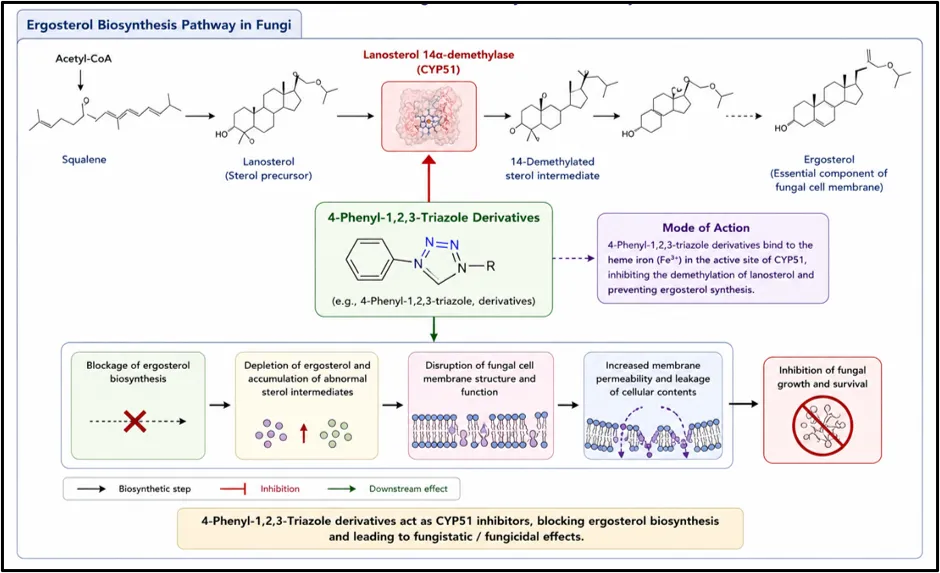
Figure 2: Mechanism of action of 4-phenyl-1,2,3-triazole derivatives through inhibition of CYP51-mediated ergosterol biosynthesis.
2.1 Chemicals and reagents
All chemicals and solvents in the present study were of synthetic and analytical grade and they were supplied by the Department of Chemical Technology of Dr. Babasaheb Ambedkar Marathwada University, Chhatrapati Sambhajinagar and purchased from the commercial agencies. For the synthesis, work-up and purification of the product phenylacetylene, sodium azide, copper(II) sulphate pentahydrate, sodium ascorbate, tert-butanol, iso-butanol, ethyl acetate, ammonium chloride, anhydrous sodium sulfate, ethanol, n-hexane and xylene were used. Properties and source of significant chemicals are mentioned in Table 1.
Table 1: Chemicals and solvents used in the study.
|
Sr. No. |
Chemical/Solvent |
Formula |
CAS No. |
Supplier |
|
1 |
Phenylacetylene |
C₈H₆ |
536-74-3 |
Sisco Research Lab. |
|
2 |
tert-Butanol |
C₄H₁₀O |
75-65-0 |
Fisher Scientific |
|
3 |
iso-Butanol |
C₄H₁₀O |
78-83-3 |
Fisher Scientific |
|
4 |
Sodium ascorbate |
C₆H₇NaO₆ |
134-03-2 |
Fisher Scientific |
|
5 |
Copper(II) sulfate pentahydrate |
CuSO₄·5H₂O |
7758-99-8 |
Fisher Scientific |
|
6 |
Sodium azide |
NaN₃ |
26628-22-8 |
Fisher Scientific |
|
7 |
Ammonium chloride |
NH₄Cl |
12125-02-9 |
Fisher Scientific |
|
8 |
Ethyl acetate |
C₄H₈O₂ |
141-78-6 |
Sisco Research Lab. |
|
9 |
Anhydrous sodium sulfate |
Na₂SO₄ |
7757-82-6 |
Santai Labs |
|
10 |
Xylene |
C₈H₁₀ |
1330-20-7 |
Santai Labs |
|
11 |
n-Hexane |
C₆H₁₄ |
110-54-3 |
Sai Chemicals |
|
12 |
Ethanol |
C₂H₆O |
64-17-5 |
Alpha Chemika |
Reactions were carried out using usual laboratory ware such as analytical balance (Vibra), heating and magnetic stirring facility and heating mantle (Labman), rotary evaporator (Heidolph), vacuum filtration assembly (Labline), hot-air oven (Labline) and UV cabinet (Radleys). Reaction monitoring was carried out by thin layer chromatography. Characterization and spectras for all the synthesized compounds with required data is given below.
4-Phenyl-1H-1,2,3-triazole was prepared from cycloaddition of phenylacetylene and sodium azide with the catalyst system of copper (II) sulfate pentahydrate and sodium ascorbate catalysed with copper atoms as copper (I). One optimization of the typical condition and evaluation of the parameters like solvent, catalyst loading, temperature, and reaction time was carried out.
1.0mL Phenylacetylene were dissolved into the mixture (9:1, tert-butanol/water, 10 mL). Added to this solution was sodium azide (1.2 equiv), sodium ascorbate (5 mol%) and copper(II) sulfate pentahydrate (10 mol%). The solution was stirred at 60 C for 50 min and TLC was used to track reaction progress.
After work up with saturated aqueous ammonium chloride (15 mL), the mixture was extracted with ethyl acetate (2 50 mL) and combined organic layers were washed with water, brine and dried with anhydrous sodium sulfate.
The excess organic layer removed by a rotavapor until crude product were left. The crude product was purified by recrystallization using ethanol, and obtain product was 4-phenyl-1H-1,2,3-triazole.
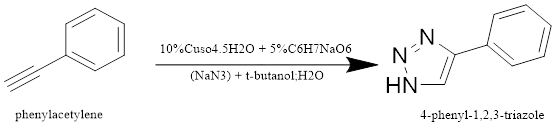
4-Phenyl-1H-1,2,3-triazole synthesis was performed under optimized experimental condition after carefully studied effects of the various reaction parameters like choice of solvent, amount of Cu catalyst load, temperature and time of the reaction was investigated. Optimum conditions were chosen on based of complete reactions, highest reported yield, least amounts of catalyst loading and shortest time.
An optimized reaction has also been conducted in iso-butanol/water (9:1) solvent system by employing 5 mol% CuSOHO and 5 mol% sodium ascorbate as the catalytic system and conducted at 75 C for 35 min.
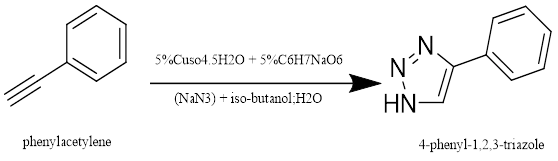
Optimized synthesis For Optimized synthesis, the mixture containing phenylacetylene (1.0 mL) dissolved in iso-butanol/water (9:1, 10 mL). To this the mixture: Sodium azide (1.2 equiv), sodium ascorbate (5 mol%) and copper(II) sulfate pentahydrate (5 mol%) were added. The solution was stirred at 75 C for 35 min.
Progress was monitored using TLC.
Work up: After the completion of the reaction the solution was diluted with saturated NH4Cl (aq.) (15 mL). Extract from the mixture were performed using EA (2 50 mL). Wash the organic layer was with H2O and then with brine. Dried using Na2SO4 (anhy.) followed by removal of solvent under vacuum.
The mixture was finally purified by recrystallization of pure 4-phenyl-1H-1,2,3-triazole from EtOH The optimized reaction.
Scheme 1. Synthesis of 4-phenyl-1H-1,2,3-triazole under optimized CuAAC conditions: phenylacetylene, NaN₃ (1.2 equiv), CuSO₄·5H₂O (5 mol%), sodium ascorbate (5 mol%), iso-BuOH/H₂O (9:1), 75 °C, 35 min.
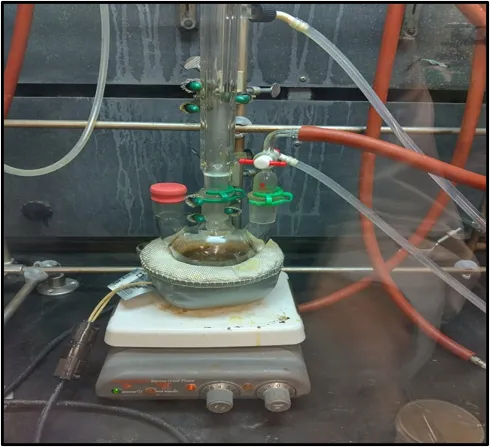
Figure 3: Experimental setup used for the CuAAC synthesis of 4-phenyl-1,2,3-triazole under optimized reaction conditions.
Table 2: Optimization of CuAAC reaction conditions for the synthesis of 4-phenyl-1,2,3-triazole
|
Entry |
Solvent system |
CuSO₄·5H₂O (mol%) |
Sodium ascorbate (mol%) |
Temperature (°C) |
Time (min) |
Isolated yield (%) |
|
1 |
t-BuOH/H₂O (9:1) |
10 |
5 |
60 |
50 |
70 |
|
2 |
i-BuOH/H₂O (9:1) |
10 |
5 |
60 |
50 |
68 |
|
3 |
i-BuOH/H₂O (9:1) |
5 |
5 |
60 |
50 |
73 |
|
4 |
i-BuOH/H₂O (9:1) |
5 |
5 |
68 |
45 |
75 |
|
5 |
i-BuOH/H₂O (9:1) |
5 |
5 |
75 |
35 |
80 |
Molecular docking was carried out to analyze the predicted interactions of four identified 4-phenyl-1,2,3-triazole derivatives with lanosterol 14-demethylase (CYP51). The four synthesized derivatives considered for docking are L-1A, L-1B, L-3C, and L-4D.
The two-dimensional structures for the chosen compounds were drawn using ChemDraw and converted to three-dimensional structures that may be used in computational studies. The crystal structure for CYP51 was downloaded from the protein data bank using PDB ID: 6TZ7. The protein structure was prepared by loading this file into Discovery Studio by removing unbound and crystallographic water molecules and by adding the necessary hydrogen atoms. The binding site for docking was then selected and the ligands were docked into the binding site.
The 4-phenyl-1,2,3-triazole derivatives (ligands) were docked into the binding site using AutoDock Vina. The docking results were then sorted based on their predicted binding affinities with respect to the CYP51 enzyme. The top poses of the molecules considered were analyzed for ligand-protein interactions and are shown by displaying them through Discovery Studio and PyMOL. Hydrogen bonding, hydrophobic interactions, -interactions, and non-covalent interactions were monitored.
Table: Tools for preparation of target protein
|
Sr. No. |
Tool |
Purpose |
|
1. |
Py MOL |
Removing water/ ligands |
|
2. |
Auto dock tools |
Hydrogen addition |
|
3. |
Chimera |
Removal of heteroatoms |
|
4. |
AutoDock Vina |
Molecular docking |
The SwissADME web-based platform was used to predict the physicochemical and pharmacokinetic characteristics of compounds L-1A, L-1B, L-3C, and L-4D. By entering the molecule structures on the web-based platform, data for necessary physicochemical and drug-likeness features such as molecular weight, lipophilicity, hydrogen-bond donors and acceptors, topological polar surface area and predicted gastrointestinal absorption were provided. All the predictions from SwissADME were utilized as first indicators of physicochemical and pharmacokinetic properties of synthesized compounds and were interpreted along with results obtained from the molecular docking analysis.
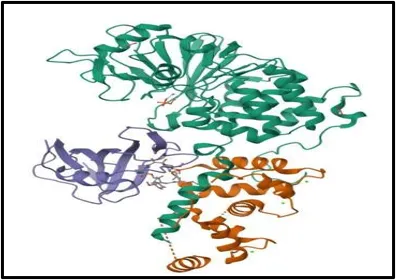
Figure 4: Protein
Prediction for gastrointestinal absorption andBBB permeability of selected compounds with BOILED-Egg model. BOILED-Egg visual assessment is based on both molecular lipophilicity and polarity. The predicted location on BOILED-Egg plot was employed in order to evaluated whether a compound has possibility for passive absorption through GI-tract and penetration into brain. The BOILED-Egg value was regarded as in-silico prediction result, thus as initial guide for permeability, but not as confirmation for pharmacokinetic behavior.
The compound 4-phenyl-1,2,3-triazole was formed from a copper(I)-catalyzed azide-alkyne cycloaddition reaction. Originally, the CuAAC was prepared using previously reported conditions of a tert-butanol/water solution (9:1), 10mol % Cu(II) sulfate pentahydrate, 5mol % sodium ascorbate at 60° C for 50 minutes. Under those circumstances, the target compound was produced in ca. 70% isolated yield.
Subsequent to this, I sought to optimize the reaction conditions in the hopes of generating more Product and less reagent and work-up products.
In the resultant adjusted method of conditions, an iso-butanol/water solvent system(9:1),5 mol% catalyst loading, and 5 mol % sodium ascorbate was used with conditions being a reaction time of 35 minutes at 75° C. This procedure afforded the desired compound in 80% of desired product collected from the purification. The structure was confirmed through characterization that identified as White solid with melting point of 143-144 °C. This confirms that structure of the compound created matches that of 4-Phenyl-1,2,3 triazole.
The identified structure gave the Molecular Formula of CHN; in order for that to be created The Product requires a MW of 145.16 g/mol.
I confirmed physical structure using determination by melting point, this is not conclusive, but I hope my confirmation with melting point helps solid identity proof of structure.
Table 2: Physical characteristics of synthesized 4-phenyl-1,2,3-triazole
|
Parameter |
Observation |
|
Compound |
4-Phenyl-1,2,3-triazole |
|
Molecular formula |
C₈H₇N₃ |
|
Molecular weight |
145.16 g mol⁻¹ |
|
Physical appearance |
White solid |
|
Melting point |
143–144 °C |
|
Isolated yield |
Approximately 80% under optimized conditions |
The isolation of the product triazole confirms the feasibility of the CuAAC reaction for the synthesis of our targeted 1,2,3-triazole scaffold and the resulting crystal with a proper melting range further confirmed reproducibility of the chemical transformation.
We found that Optimization of the CuAAC reaction revealed increased yield for the reaction with this newly developed method. We report the reaction parameters for the original procedure and their optimized counterparts in Table 3 below.
Table 3: Comparison of standard and optimized reaction conditions
|
Parameter |
Standard conditions |
Optimized conditions |
|
Solvent system |
tert-Butanol/ water (9:1) |
iso-Butanol/ water (9:1) |
|
CuSO₄·5H₂O |
10 mol% |
5 mol% |
|
Sodium ascorbate |
5 mol% |
5 mol% |
|
Temperature |
60 °C |
75 °C |
|
Reaction time |
50 min |
35 min |
|
Isolated yield |
~70% |
~80% |
The optimized reaction resulted in an increased isolated yield from approximately 70% to 80% (i.e. A 5% increase); a decreased reaction time from 50 min to 35 min, i.e. A ~30% reduction; and, crucially, a decrease in copper catalyst loading from 10 to 5 mol% i.e. A 50% reduction.
The improvement in yield at decreased catalyst loading could possibly be attributed to the combination of modifying the solvent and increasing the reaction temperature. The CuAAC reaction occurs via copper-catalysed cycloaddition involving the production of copper intermediates and proceeding by cycloaddition between the azide and alkyne species. The kinetics could be significantly influenced by the choice of reaction conditions.
Hence, the improved method is found to be more efficient (under the specified conditions) in terms of catalyst quantity, time and yield than its predecessors. Catalyst poisoning (or environmental benefit) cannot be inferred at this stage-it would require further experimental analysis.
Table 4: Improvement obtained using the optimized procedure
|
Parameter |
Improvement |
|
Isolated yield |
+10 percentage points |
|
Reaction time |
15 min reduction |
|
Copper catalyst loading |
50% reduction |
|
Optimized temperature |
Increased from 60 to 75 °C |
Overall, the optimized conditions provided a practical improvement over the initial procedure and were therefore selected for subsequent synthesis and evaluation.
TLC analysis was performed to compare the optimized reaction product with the reference standard. The synthesized sample and reference standard showed distinct spots on the TLC plate, indicating the chromatographic behaviour of the obtained product. The TLC result provided preliminary evidence for the formation and isolation of the desired product, which was further characterized by FTIR spectroscopy.
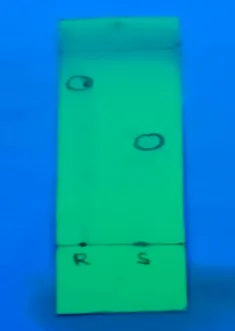
Figure 5: TLC photograph
The synthesized sample showed a spot at a position comparable to that of the reference standard, suggesting similar chromatographic behaviour and supporting the identity of the synthesized product.
FTIR spectroscopy was used to characterize the product obtained under optimized reaction conditions. The spectrum exhibited characteristic absorptions associated with the aromatic phenyl group and triazole ring. Bands observed at 3060 and 3024 cm⁻¹ were assigned to aromatic C–H stretching, while absorptions at 1597, 1497, and 1451 cm⁻¹ were attributed to aromatic C=C/C–C vibrations. Several bands in the 1367–1045 cm⁻¹ region were associated with C–N stretching and triazole ring vibrations. The bands at 960, 853, 766, and 697 cm⁻¹ were attributed mainly to triazole ring and aromatic C–H out-of-plane vibrations. Overall, the observed FTIR profile was consistent with the expected functional groups of the synthesized 4-phenyl-1,2,3-triazole.
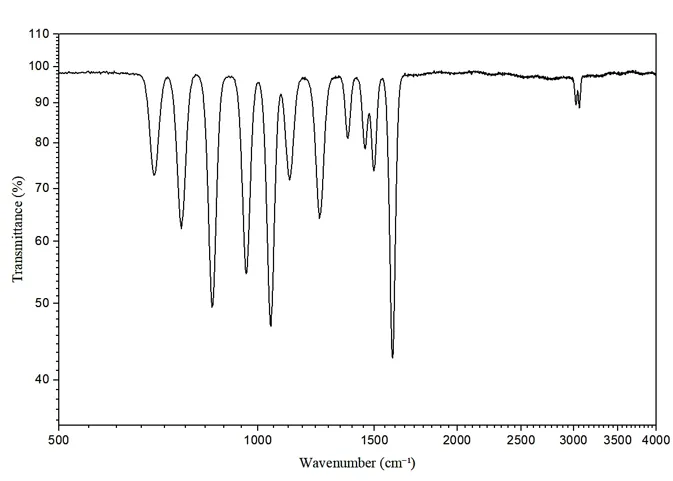
Table 6: FTIR peak assignments
Table 5: FTIR spectral data of the optimized 4-phenyl-1,2,3-triazole
|
Peak position (cm⁻¹) |
Assignment |
|
3060 |
Aromatic =C–H stretching |
|
3024 |
Aromatic =C–H stretching |
|
1597 |
Aromatic C=C stretching |
|
1497 |
Aromatic C=C stretching |
|
1451 |
Aromatic C–C stretching |
|
1367 |
C–N stretching |
|
1240 |
C–N stretching of triazole ring |
|
1116 |
C–N stretching of triazole ring |
|
1045 |
Ring vibration / C–N stretching |
|
960 |
Triazole ring vibration |
|
853 |
Aromatic C–H out-of-plane bending |
|
766 |
Aromatic C–H out-of-plane bending |
|
697 |
Aromatic C–H out-of-plane bending |
Molecular docking analyses were performed to search the potential binding mode between the novel 1, 2, 3-triazoles derivatives to be synthesized with fungal lanosterol 14-demethylase (CYP51) (Fig.2). CYP51 belongs to the group of cytochrome P450, which plays a crucial role in ergosterol synthesis as an enzyme. It’s been a key strategy for the antifungal medication design based on blocking its ergosterol biosynthesis pathway22.
Protein, which belongs to PDB(Protein Data Bank) with ID: 6TZ7, served as molecular targets.
Four compounds:L-1A, L-1B, L-3C,L-4Dwere docked to CYP51 using the defined protocol(Table 5).
Table 6: Molecular docking scores of synthesized compounds against CYP51
|
Sr. No |
Structure |
Compound Code |
Docking Energies Pdb Id: 6tz7 |
|
1. |
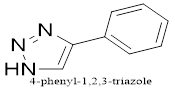
|
L-1A |
-6.1 |
|
2. |
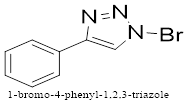
|
L-1B |
-5.7 |
|
3. |
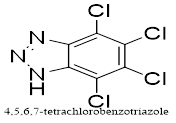
|
L-3C |
-4.2 |
|
4. |

|
L-4D |
-5.4 |
Out of the compounds studied, the most positive calculated docking score of 6.1 was obtained for L-1A, which was closely followed by the more positive score calculated for L-1B (5.7). Less favorable docking scores were determined for L-4D (5.4) and L-3C (4.2). It can be seen from the data, that L-1A, L-1B and L-4D display relatively more favorable calculated predicted docking with the selected CYP51 binding site using docking at the conditions set.
There was not a particularly large difference between docking of L-1A and L-1B, but much less favorable docking was calculated for L-3C, the least favorable overall. This suggests that alteration to the parent scaffold 4-phenyl-1,2,3-triazole does affect the observed predicted docking with the CYP51 binding pocket.
The docking score should not be used as definitive evidence of enzyme inhibition or antifungal activity. It should be interpreted as a calculated prediction of binding. Further investigation using experimentally derived CYP51 inhibition and microbiological antifungal assays would need to be performed to establish a true structure-activity relationship.
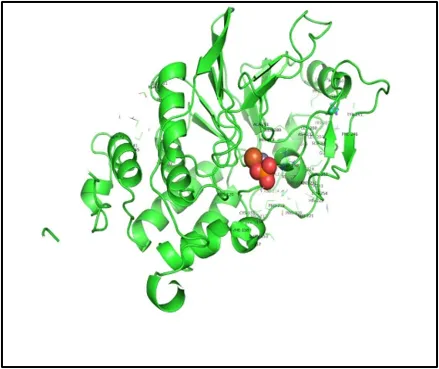
Figure 7: L-1A (4-phenyl-1,2,3-triazole) for PDB ID: 6TZ7
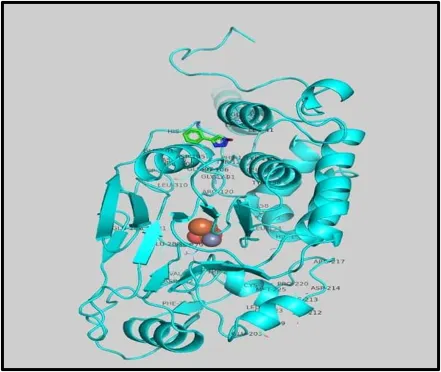
Figure 8: L-1B (1-bromo-4-phenyl-1,2,3-triazole) for PDB ID: 6TZ7
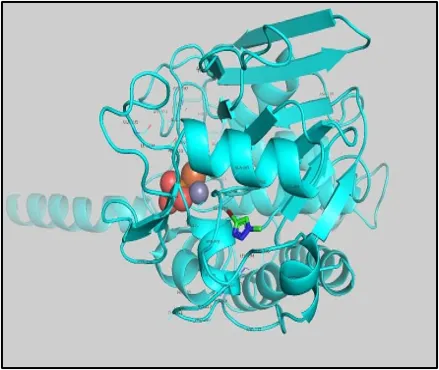
Figure 9: L-3C (1-methyl-4-bromo-1,2,3-triazole) for PDB ID: 6TZ7
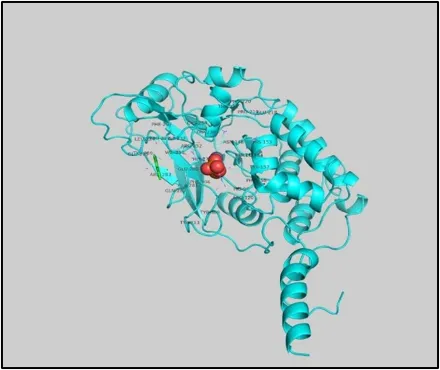
Figure 10: L-4D (1-bromo-4-phenyl-1,2,3-triazole) for PDB ID: 6TZ7
3.7. Analysis of Ligand–CYP51 Interactions
Details of docking A detailed investigation into the orientation of synthesized compounds into the CYP51 binding site following the generation of docked conformation were performed. The analyses of interaction were further done by calculating Hydrogen bonding, hydrophobic, -interactions, triazole, and orientation position of aromatic section of ligand. The L-1A had the highest satisfactory docking score among all the evaluated ligands.
The possible reason is that the molecule could suitably be placed and fitted into the binding cavity of CYP51 binding pocket based on its shape and physico-chemical property; this involves interaction of a triazole ring which can form interactions to the host molecule since nitrogen-bearing heterocycle compounds are generally good interactors with heme group-containing proteins (such as human CYP51) in docking studies (Yin and He; Zhou et al.; Yeager and Wang).
Substituted analogues possess variation in docking score, indicating that changing structural features around the parent molecule have varied prediction to bind the site differently. It is reasonable that the unfavorable docking score of L-3C is attributed to the presence of different geometrical properties that would be associated with less favorable interactions and placement to the observed site; in contrast to L-4D, relatively favorable docking score of predicted compound (data not shown here) is associated with less steric interference for its proper insertion in the bind-ing pocket and forming necessary interactions (data not shown here), while unfavorable docking score to L-1B implied steric conflicts while binding as illustrated through unfavorable predicted docking scores and lack of necessary key interaction(s) while binding, and hence it could be poorly fitting to the binding site(Yin and He). The expected orientations within the binding site of L-1A, L-1B, L-3C, and L-4D were represented in Figur2–5 respectively. Residue wise interactions must be based upon empirically the docking interaction maps generated by docking software and include only amino residues determined by software (Bhattacharya).
3.8. In-Silico ADME Analysis
SwissADME software (Swiss Instituto di Ricerca in Biomedicina) was predicted for these synthetized molecules including molecular weight (MW), number of hydrogen-bond acceptors (HBA), number of hydrogen-bond donors (HBD), molar refractivity (MR), topological polar surface area (TPSA) and ability of being absorbed by human intestine and BBB; and predicted bioavailability and Lipinski's rule-based predicted property violation were also analyzed.
L-1A had the smallest molecular weight 145.16g mol as well as the smallest TPSA 41.57 . It showed a high predicted rate of g. I-absorption and BBB permeability without any Lipinski's rule violation, suggesting a fairly good expected drug-likeness profile for the parent scaffold.L-1B shows an increment in molecular weight 369.22g mol and TPSA72.28 over L-1A,although maintains its predicted high rate of g.
I-absorption and BBB permeability and without any violation of Lipinski's rule.
It thus proves that structure modification done represented by L-1B does not significantly deteriorate the predicted Absorption based property of the model
L-3C showed further improvement in both molecular weight and polarity, while having MW 531.21 g mol and TPSA 102.99 . Gastrointestinal absorption was predicted to stay at a high level, while BBB permeability was predicted to be absent. The compound had one violation of Lipinski rule. This may indicate that size and polar surface area can impact the predicted membrane-permeability of the derivative.
Table 7: Predicted physicochemical and ADME properties of synthesized compounds
|
Compound Code |
Formula |
MWT (g/mol) |
H-bond Acceptors |
H-bond Donors |
MR |
TPSA |
GI Abs |
BBB Permeant |
Bio-availability |
Lipinski Violations |
|
L-1A |
C8H7N3 |
145.16 |
2 |
1 |
41.82 |
41.57 |
High |
Yes |
0.55 |
0 |
|
L-1B |
C16H13BrN6 |
369.22 |
4 |
1 |
91.60 |
72.28 |
High |
Yes |
0.55 |
0 |
|
L-3C |
C19H17Br2N9 |
531.21 |
6 |
1 |
120.59 |
102.99 |
High |
No |
0.55 |
1 |
|
L-4D |
C25H18Br2Cl4N12 |
788.11 |
8 |
2 |
174.51 |
144.56 |
Low |
No |
0.17 |
3 |
L-4D exhibited the poorest predicted ADME profile compared to others, which had MW 788.11 g mol, TPSA 144.56 and MR 174.51. It was predicted with low gastrointestinal absorption, no BBB permeability and bioavailability score 0.17, along with three violations of Lipinski rules. These characteristics seem to imply that extensive modification would negatively impact predicted oral drug-likeness and passive permeability.
3.9. BOILED-Egg Analysis
To evaluate the gastrointestinal absorption, and BBB permeability characteristics (more in detail for this aspect), the synthesized compounds were tested in the BOILED-Egg model as described above. This model allows a graphical prediction of BBB permeability as well as passive absorption in the gastrointestinal system as a function of calculated physicochemical factors.
Overall, the BOILED-Egg predicted profiles are in general agreement with SwissADME prediction results. L-1A and L-1B were predicted to be potentially appropriate for both gastrointestinal absorption, and BBB permeability while L-3C and L-4D show poor BBB permeability profile.
The variation in between compounds can be explained when taking into consideration of their molecular size as well as polarity, with L-1A, because of its most reduced molecule weight and also TPSA, getting the better outcome as an aspect of predicted permeability properties. With enhanced complexity in their structures L-3C and also L-4D had higher molecular weight, higher polar surface area as well as at exactly the same time lost BBB predicted permeability qualities. These BOILED-Egg outcomes support the previous observations seen with Switzerl and ADME. It needs to be noted that these analyses are in-silico results that do not certify of intestinal absorption or even central nervus program penetration.
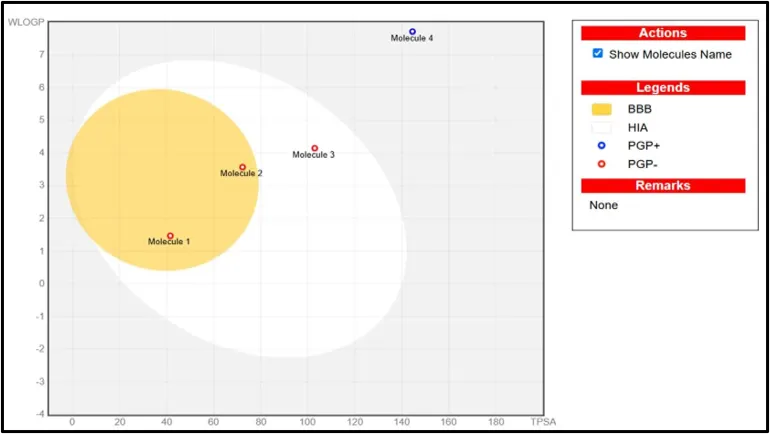
Figure119: BOILED-Egg plot showing the predicted gastrointestinal absorption and BBB permeability characteristics of the synthesized compounds.
3.10. Overall Interpretation of the Results
From the experimental results and computational calculations, it was found that the optimization of the CuAAC reaction increases the synthesis efficiency for 4-phenyl-1,2,3-triazole on the conditions studied. The optimized reaction results in increase in isolated yield from about 70% to about 80%, decrease in reaction time from 50 min to 35 min, and a 50% decrease in the copper catalyst loading.
Based on the molecular docking study, synthesized compounds would be able to bind the CYP51 binding site; L-1A has the best predicted docking score of 6.1. Predicted docking scores are different for the derivatives which would be seen that modify structure of the triazole scaffold changes the predicted binding between ligand and target protein.
ADME analysis the predicted physical and pharmacokinetic parameters of the L compounds also support L-1A and L-1B due to their favourable values (high absorption on the GIT and not violating any Lipinski rule in silico). On the other hand, L-4D displayed larger sizes and more polarity, coupled with reduced absorption in the GIT, inability to cross BBB and violation of more than two of Lipinski criteria in silico. Together these considerations made L-1A and L-1B good candidates from among this class and best among tested when combining all scores to achieve an integrated decision making as far as computed data is concerned. As before all considered prediction of activity should be confirmed by experimental antifungal assay, inhibition assay of CYP51 or other biological activity related test and complete structural and physico-chemical confirmation.
In summary the results show that a 4-phenyl-1,2,3-triazole structure is an appropriate scaffold to be further developed under better CuAAC conditions and serves as a good starting point for modification and screening of CYP51-inhibiting antifungals.
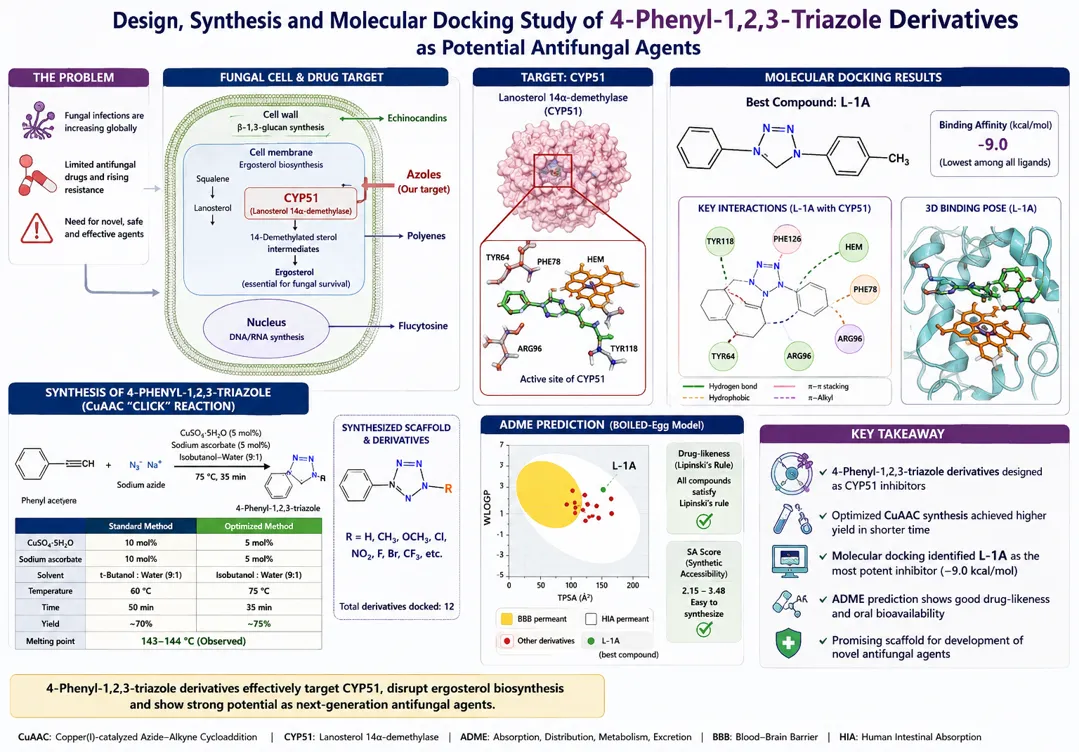
A rapid synthesis of 4-phenyl-1,2,3-triazole based on CuAAC was developed and is shown above. This yielded 80% (approximately) and showed a shorter reaction time and was performed with lower loading of copper catalyst as compared to the other reactions. L-1A showed the best docking result among all compounds against CYP51, with docking score of 6.1 and in-silico ADME analysis showed relatively good ADME properties of L-1A and L-1B. Hence, it could be concluded that 4-phenyl-1,2,3-triazole derivatives can be evaluated as potential leads for developing antifungal candidates but experimental biological study is necessary.
Mr. Harsh Misal & Mr. Rohan Mane: Conceptualization, methodology, investigation, experimental work, synthesis, computational analysis, data analysis, interpretation of results, and writing–original draft. Mr. Vivek Rathod: Supervision, project guidance, review and editing of the manuscript, and overall scientific oversight. All authors reviewed and approved the final manuscript.
No specific external funding was received for this work.
The authors declare no conflict of interest.
The authors express their gratitude to the University Department of Chemical Technology, Dr. Babasaheb Ambedkar Marathwada University, Chhatrapati Sambhajinagar, for providing the necessary laboratory facilities and academic support to carry out this study.
REFERENCES



Harsh Misal, Rohan Mane, Vivek Rathod, Design, Synthesis and Molecular Docking Study of 4-Phenyl-1,2,3-Triazole Derivatives as Potential Antifungal Candidates, Int. J. of Pharm. Sci., 2026, Vol 4, Issue 9, 3168-3185. https://doi.org/10.5281/zenodo.22944381
 10.5281/zenodo.22944381