

We use cookies to ensure our website works properly and to personalise your experience. Cookies policy
Department of Pharmaceutics, Mata Gujri College of Pharmacy, (A Constituent Unit of Mata Gujri University), Purabpali Road, Kisanganj, Bihar, India 855107
Considering they recur and are resistant to traditional antifungal drugs, fungal skin infections are common conditions that frequently need long-term care. By utilizing the synergistic qualities of medicinal plants, polyherbal formulations offer a safer and more effective substitute. Using extracts from Neem (Azadirachta indica), Black Cumin (Nigella sativa), and Night Blooming Jasmine (Cestrum nocturnum), this project sought to create and assess a polyherbal antifungal lotion. Soxhlet and maceration techniques were used to obtain ethanolic extracts, which were then combined with conventional emulsification techniques to create a topical lotion.Organoleptic properties, pH, viscosity, appearance, and washability were the criteria used to develop and assess the three formulations (F1, F2, and F3). All formulations showed stable physical characteristics and favorable pH (7.9 to 8.7), with F3 demonstrating the most desirable profile. Bioactive components like flavonoids, alkaloids, thymoquinone, and azadirachtin are responsible for the antifungal and antimicrobial properties. According to the research, these medicinal plants can be used in topical polyherbal formulations to treat fungal skin infections with little adverse effect. A promising natural substitute for artificial antifungal agents is provided by this formulation.
Fungal skin infections are a common dermatological problem that affects millions of people worldwide, especially in humid and tropical areas. Itching, redness, scaling, and discomfort are common symptoms of these infections, which are brought on by dermatophytes, yeasts, and molds. Even though there are many antifungal medications on the market, long-term use can cause resistance, adverse effects, and recurrence. As a result, there is an increasing need in dermatological therapeutics for safer, plant-based substitutes [1, 2, 3]. Herbal treatments for skin conditions have long been recommended by traditional medicine. Because of their wider range of activity and synergistic effects, polyherbal formulations—which combine two or more plant extracts—have become more and more popular. In this study, three powerful medicinal plants—Neem (Azadirachta indica), Black Cumin (Nigella sativa), and Night Blooming Jasmine (Cestrum nocturnum)—are used to formulate a polyherbal antifungal lotion. These plants were chosen because of their ethnomedical applications and scientific evidence of their antifungal, anti-inflammatory, and antimicrobial properties [4–10]. Flavonoids and glycosides, which are abundant in night blooming jasmine, are known to have antifungal effects [1, 2, 11]. Black cumin's thymoquinone content adds to its antifungal potency [6–9,13], while neem is well known for its broad-spectrum antimicrobial action [3,5,12]. Plant materials were extracted using ethanol and then combined with a lotion base as part of the formulation process. Organoleptic properties, pH, viscosity, and washability were all evaluated.
The goal of this study is to create a standardized, secure, and potent herbal lotion that can be used in place of artificial antifungal medications. The formulation not only supports skin health but also supports the global trend toward natural and sustainable healthcare solutions. This project highlights the potential of herbal therapeutics in contemporary pharmaceutical applications by utilizing the medicinal power of botanicals [14–16].
Skin Structure
The skin is a complex organ that serves as the body's first line of defense against external factors. It is composed of three main layers: the epidermis, dermis, and hypodermis.
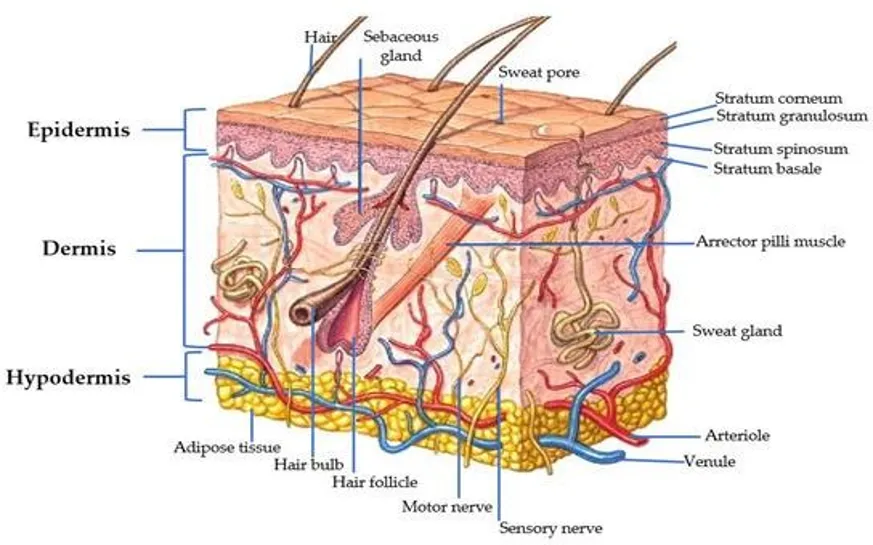
Figure 1: Structure of skin
Epidermis
The epidermis is the outermost layer of the skin, responsible for protecting the body from external factors like water loss, temperature, and pathogens. It is further divided into several layers, with the stratum corneum being the outermost layer. The stratum corneum acts as a barrier to prevent water loss and protect against external factors.
Dermis
The dermis is the middle layer of the skin, containing blood vessels, nerve endings, and hair follicles. It plays a crucial role in regulating body temperature and providing nutrients to the epidermis.
Hypodermis
The hypodermis is the innermost layer of the skin, attaching the skin to underlying muscles and bones. It consists of subcutaneous tissue that provides insulation and cushioning.
Fungal Skin Infections: Fungal skin infections occur when fungi grow on the skin, often in moist areas like:
Common causes of fungal skin infections include:
Causes and Diagnosis:
Fungal skin infections can be caused by:
Diagnosis typically involves:
Treatment:
Treatment options include:
Fungi:
Fungi are organisms that break down organic matter. They have unique characteristics, such as:
Understanding the different types of fungi and their characteristics can help us better diagnose and treat fungal skin infections. By taking the right precautions and using effective treatment options, we can prevent and manage fungal skin infections.
PLANT PROFILE
NIGHT BLOOMING JASMINE
Night blooming jasmine, also known as Parijata, Harsinger, or Parijathak, is a fragrant, ornamental plant with multifaceted medicinal properties, including antioxidant, antibacterial, antifungal, and anti-inflammatory effects. It's a fast-growing woody shrub that belongs to the Solanaceae family, which also includes potatoes and tomatoes. The plant is widely cultivated for its showy, fragrant white flowers that emit a highly scented fragrance at night, attracting butterflies and other pollinators. Night jasmine has various health benefits, including anxiety and vertigo relief, dandruff and hair care, glucose control, menstrual cramp relief, and respiratory issue management.
The plant contains various chemical constituents, including alkaloids, flavonoids, saponins, triterpenoids, steroids, and phenolic compounds, which contribute to its medicinal properties and health benefits. Specifically, the leaves contain fructose, glucose, carotene, amorphous resin, methyl salicylate, ascorbic acid, benzoic acid, tannic acid, oleanolic acid, and flavanol glycosides. The bark is useful due to its alkaloids and glycosides content, while the flowers contain essential oils and glycosides with antifungal and antiviral properties. The seeds contain palmitic, oleic, and myristic acids. Parijat also showcases antileishmanial, hepatoprotective, and immunostimulant qualities. While it has potential side effects like allergic reactions and is not recommended for pregnant or nursing women, responsible use and thorough research can help harness its benefits while minimizing risks.
Taxonomic Position:
|
Kingdom |
Plantae |
|
Division |
Mangoliophyta |
|
Class |
Mangoliopsida |
|
Subclass |
Asterdae |
|
Order |
Solanales |
|
Family |
Solanaceae |
|
Genus |
Cestrum |
|
Species |
C.nocturnum |
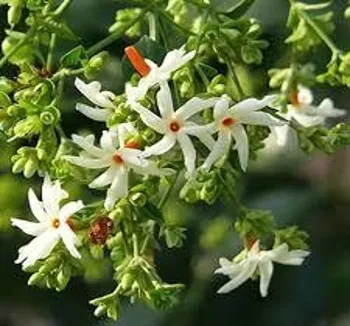
Figure 2: Night Blooming Jasmine
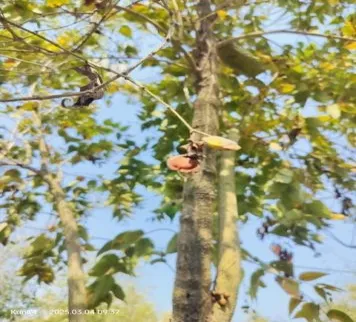
Figure 3: Night Blooming Jasmine Plant
NEEM
Neem also known as Azadirachta indica a member of the Meliaceae family, is a treasure trove of medicinal and health-promoting properties. This fast-growing tree, native to tropical and semitropical regions, is widely cultivated in India, Bangladesh, Pakistan, and Nepal. Neem has been used for centuries in traditional medicine to treat various diseases and promote overall health, boasting antioxidant, anti-inflammatory, antimicrobial, and anticancer properties attributed to its bioactive compounds. It's traditionally used to treat diseases like cancer, hypertension, heart diseases, and diabetes. Neem extracts also exhibit antifungal activity against various fungal species, including Aspergillus, Rhizopus, Alternaria solani, Cladosporium, and Candida albicans, inhibiting spore germination and fungal growth. With its rich history, cultural significance, and medicinal properties, Neem is a valuable resource for promoting health and well-being, used in cosmetics, soaps, toothpaste, and pest repellents.
Taxonomic position of Neem:
|
Kingdom |
Plantae |
|
Order |
Rutales |
|
Suborder |
Rutinae |
|
Family |
Meliaceae |
|
Subfamily |
Meliodeae |
|
Tribe |
Melieae |
|
Genus |
Azadirachta |
|
Species |
Indica |
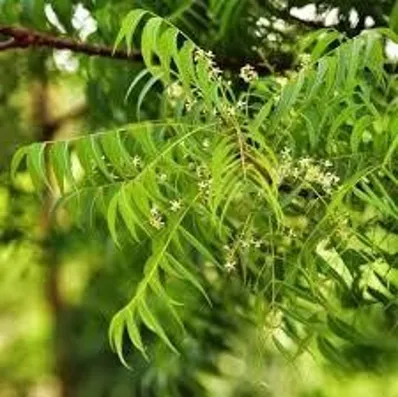
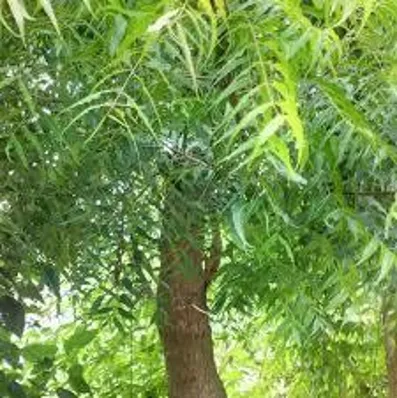
Figue 4: Neem leaves
BLACK CUMIN
Nigella sativa, an annual herb native to Southwest Asia, is a treasure trove of medicinal and culinary properties. This plant, growing 40-70 cm tall, boasts finely divided foliage and delicate pale blue and white flowers, producing small, caraway-type black seeds. The plant's diverse medicinal properties make it a valuable resource for treating various health issues, including antimicrobial, anti-inflammatory, antioxidant, antidiabetic, anticancer, immunomodulatory, analgesic, and antipyretic effects. Traditionally used to treat bronchitis, asthma, diarrhea, and skin disorders, it also serves as a liver tonic, digestive, and antidiarrheal agent, appetite stimulant, and emmenagogue, and supports immune system function. The plant contains fixed oil (32-40%), volatile oil (0.4-0.45%), alkaloids (nigellicimine and nigellidine), saponins (alpha-hederin), and vitamins and minerals (Fe, Ca, K, Zn, P, and Cu), contributing to its therapeutic benefits, including antimycotic activity against Candida albicans. With its rich history, cultural significance, and pharmacological properties, Nigella sativa is a promising natural remedy for various health issues. The plant's seeds are rich in thymoquinone, a major active chemical component of the essential oil, responsible for its therapeutic properties. Nigella sativa has been extensively studied for its biological activities and therapeutic potential, and its seeds have been used for centuries in traditional medicine to treat various diseases. The plant's unique combination of chemical constituents and medicinal properties makes it a valuable addition to the world of natural remedies.
Taxonomic position of Black Cumin:
|
Kingdom |
Plantae |
|
Division |
Magnoliophyta |
|
Class |
Magnoliopsida |
|
Order |
Ranunculaceae |
|
Family |
Ranunculates |
|
Genus |
Nigella |
|
Species |
Nigella sativa |
|
Common name |
Black cumin |
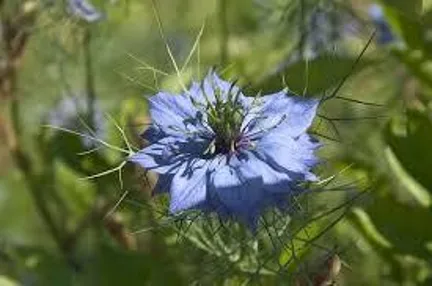
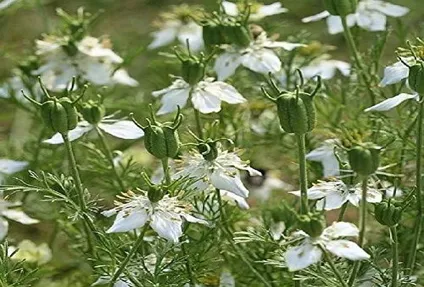
Figure 5: Black cumin flower and plant
LITERATURE REVIEW
METHODOLOGY
REQUIREMENT
|
Chemicals |
Apparatus/ Glassware |
Instruments |
|
Steric acid, Cetryl Alcohol, Lanoline, Methyl Paraben, Propylene, Triethanolamine, Rose oil, Rose water, Aloevera gel, Double Distilled water, Ethanol, extracts of NB Jasmine, Neem and Black Cumin. |
Beaker, stirrer, measuring cylinder, round bottom flask, spatula, conical flask, petridish, pipette, volumetric flask, glass beads, filter paper, muslin cloth. |
Hot air oven, hot plate, digital weighing balance, soxhlet apparatus, Brookfield viscometer, water bath, heating mental, homogenizer. |
Extraction Process of Night Blooming Jasmine Flowers:
The extraction process of Night Blooming Jasmine flowers involves several crucial steps to ensure the quality and potency of the final extract. Here's a detailed description of the process:
Fresh flowers of Night Blooming Jasmine were collected in the morning from the plant. The flowers were cleaned to remove any dust or foreign particles, ensuring their purity.
The flowers were dried under shade, at normal room temperature, to avoid direct sunlight and preserve their potency. This step helps maintain the quality of the extract.
After drying, the flowers were weighed and wrapped with paper. The necessary equipment, including a condenser, Soxhlet apparatus, round-bottom flask, glass beads, and heating mantle, were collected and set up in a specific sequence.
A thimble made of filter paper was prepared, with one end open and the other closed. The dried flowers were placed in the thimble, which was then set inside the Soxhlet apparatus. Ethanol was used as the solvent and transferred to the round-bottom flask, along with glass beads to facilitate smooth boiling.
The ratio of crude drug to solvent was maintained at 1:20. The heating mantle was switched on, and the temperature was set to 65-70°C, allowing the solvent to evaporate and initiate the extraction process. This process ran continuously for 7 hours.
After 7 hours, the heating mantle was turned off, and the extract was collected from the round-bottom flask. The glass beads were removed, and the extract was transferred to a Petri dish, allowing the solvent to evaporate overnight.
To ensure complete removal of the solvent, the Petri dish was placed on a water bath, maintaining a temperature of 65-70°C. After a few minutes, the solvent was removed, and the extract was transferred to an airtight container.
The extract was stored in a cool, dry place, protected from light and moisture, to preserve its potency and quality.
By following this extraction process, high-quality extract of Night Blooming Jasmine flowers can be obtained, which can be used for various applications.
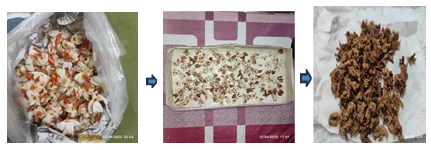
Figure 6 : jasmine flower Figure 7: jasmine flower Figure 8: dried jasmine flower
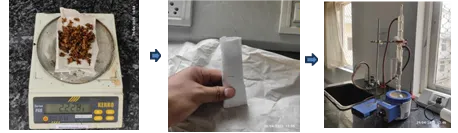
Figure 9: weighing of material Figure 10: material in thimble Figure 11: soxhlet extraction
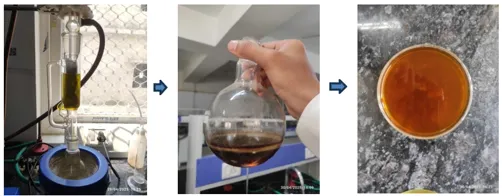
Figure 12: soxhlet extraction Figure13: final extract Figure14: final extract
Extraction Process of Neem Leaves:
The extraction process of Neem leaves involves several crucial steps to ensure the quality and potency of the final extract. Here's a detailed elaboration of the process:
Fresh green leaves of Neem are collected from a reliable source and thoroughly washed with tap water to remove any dirt, debris, or impurities. This step is essential to ensure the quality of the extract and prevent contamination.
The leaves are dried under shade, away from direct sunlight, to preserve their potency and prevent degradation of the bioactive compounds. This step is crucial in maintaining the quality of the extract, as direct sunlight can cause the loss of valuable compounds.
The dried leaves are coarsely powdered using a mixer grinder, which increases the surface area of the leaves and facilitates the extraction process. The coarse powder allows for better solvent penetration and extraction of the bioactive compounds.
The coarse powder is weighed using a digital weighing balance, and its weight is recorded. The powder is then macerated in ethanol, maintaining a ratio of 1:10, in a wide-mouthed container, specifically a conical flask. The solvent-to-powder ratio is critical in ensuring the optimal extraction of the bioactive compounds.
The mixture is frequently shaken to ensure uniform extraction of the bioactive compounds. The flask is plugged with cotton and covered with aluminum foil to prevent contamination and exposure to light. The mixture is left to incubate for 96 hours, allowing the solvent to extract the desired compounds.
After incubation, the mixture is filtered using Whatman filter paper, separating the extract from the marc. The extract is collected and transferred to a Petri dish. This step is essential to separate the extract from the solid residue and prevent contamination.
The extract is left overnight to allow the solvent to evaporate. To ensure complete removal of the solvent, the extract is placed in a water bath at a temperature of 65-70°C. This step is critical in removing the solvent and obtaining a concentrated extract.
The resulting fresh Neem extract is collected, weighed, and transferred to an airtight container, specifically an Eppendorf tube. The extract is stored in a cool, dry place, ready for further use. Proper storage is essential to maintain the quality and potency of the extract.
By following this extraction process, high-quality Neem extract can be obtained, which can be used for various applications, including pharmaceutical, cosmetic, and agricultural purposes. The extract can be used to develop various products, such as creams, ointments, and capsules, that can provide numerous health benefits.
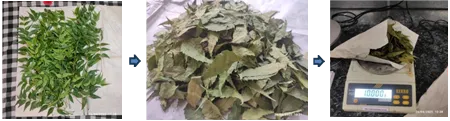
Figure 15: fresh neem leaves Figure 16: dried neem leaves Figure 17: weighing
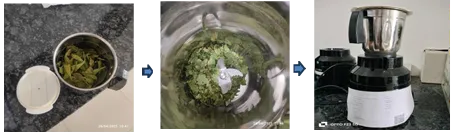
Figure 18: grinding Figure 19: grinding Figure 20: grinding
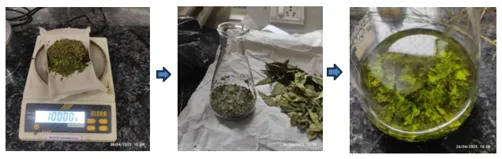
Figure 21: weighing Figure 22: ready for extraction Figure 23:extraction
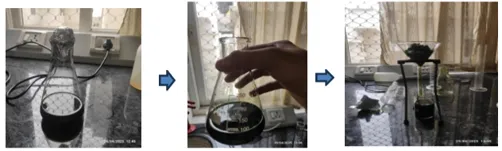
Figure 24: ready for extraction Figure 25: after 96 hours Figure 26: filteration
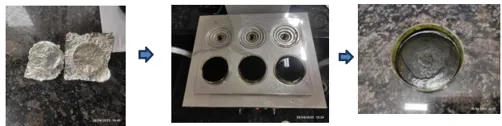
Figure 27: pack with aluminium foil Figure 28: at waterbath Figure 29: final extract
Extraction Process of Black Cumin Seeds:
The extraction process of Black Cumin seeds involves several crucial steps to ensure that the quality and potency of the final extract. Here's a detailed description of the process:
Dry seeds of Black Cumin were collected from the local market and weighed. The seeds were then transferred to an airtight container for storage. To remove any excess moisture, the seeds were placed in a hot air oven for 2 minutes.
The seeds were ground into a coarse powder using a mixture grinder. The coarse powder was then weighed and prepared for extraction.
The requirements for Soxhlet extraction were collected and arranged in a specific sequence: heating mantle, round-bottom flask, Soxhlet apparatus, condenser, and condenser connected to tap water. Ethanol was selected as the solvent and transferred to the round-bottom flask, along with glass beads to facilitate smooth boiling. The ratio of crude drug to solvent was maintained at 1:20.
A filter paper was used to create a thimble, which was filled with the coarse powder of Black Cumin seeds. The thimble was sealed at one end and moistened with 20 ml of ethanol. The Soxhlet extraction process was initiated by switching on the heating mantle and opening the tap water. The extraction process ran continuously for 6 hours.
After 6 hours, the heating mantle was switched off, and the extract was collected from the round-bottom flask. The extract was transferred to a Petri dish and left to evaporate overnight. The next day, the Petri dish was placed on a water bath, and the temperature was set to 60-65°C to ensure complete evaporation of the solvent.
After the solvent got evaporated, the extract was transferred to an Eppendorf tube and stored in a cool, dry place, protected from light and moisture.
By following this extraction process, high-quality extract of Black Cumin seeds can be obtained, which can be used for various applications.
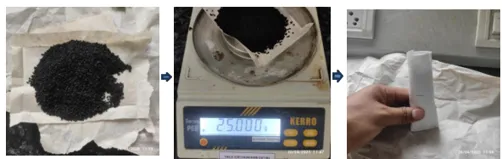
Figure30: dry black cumin seeds Figure31: weighing Figure 32: material in thimble
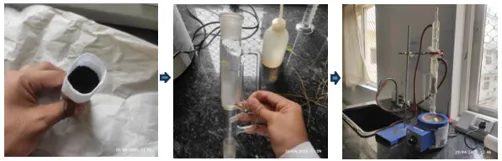
Figure 33:thimble Figure 34: material apparatus figure 35: soxhlet extraction
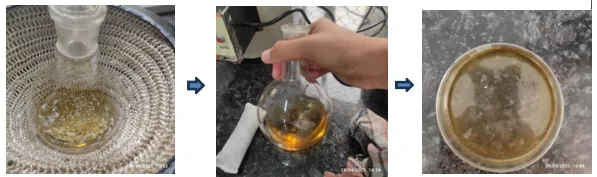
Figure 36: extraction is going on figure 37: final extract figure 38: final extract
METHOD OF FORMULATION
All the requirements, including chemicals, apparatus, equipment, and instruments, were collected and categorized according to their specific needs. The chemicals were separated into two parts: oil-soluble compounds (Part A) and aqueous-soluble compounds (Part B).
The oil-soluble compounds included steric acid, lanolin, rose oil, and cetyl alcohol, while the aqueous-soluble compounds included methyl paraben, propylene glycol, triethanolamine, rose water, and aloe vera gel. Additionally, respective extracts of Night Blooming Jasmine flower, Neem leaves, and Black Cumin seeds were also collected.
The apparatus used included beakers, glass rods, spatulas, measuring cylinders, petri dishes, conical flasks, pipettes, rubber tips, mortar and pestle, and water bottles. The equipment and instruments used included a digital weighing balance, water bath, and homogenizer.
The formulation preparation process involves several key steps. First, the oil-soluble compounds (Part A) and aqueous-soluble compounds (Part B) are separated based on their solubility properties. The required amounts of each compound are then weighed using a digital weighing balance to ensure accuracy.
Next, the oil-soluble compounds are heated in a 100 ml beaker on a water bath at 75-80°C until they melt and mix well. Similarly, the aqueous-soluble compounds are heated in another beaker on a water bath at 75-80°C until they melt and mix well. Temperature control is crucial during this step to ensure proper melting and mixing of the compounds.
Once both phases are heated and mixed, the oil phase is added to the aqueous phase in portions with continuous stirring until a homogeneous mixture forms. This emulsification process is critical in creating a stable and consistent lotion product. Continuous stirring helps to prevent separation of the phases and ensures a uniform texture.
After emulsification, the cold extracts of Night Blooming Jasmine, Neem, and Black Cumin are added to the mixture and levigated in geometric proportions to form a homogeneous lotion. These extracts provide unique benefits and properties to the final product.
Finally, the mixture is transferred to a beaker and homogenized using a tissue homogenizer to increase its viscosity and thickness. This step helps to achieve the desired texture and consistency of the lotion product.
To evaluate the effects of different concentrations of active ingredients and excipients, three formulations are prepared with varying concentrations. By varying the concentrations of the active ingredients and excipients, the desired properties and benefits can be achieved in the final product. This allows for the optimization of the formulation to meet specific requirements and needs.
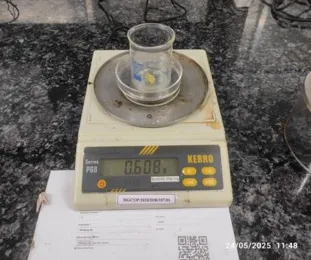
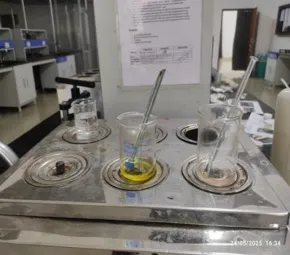
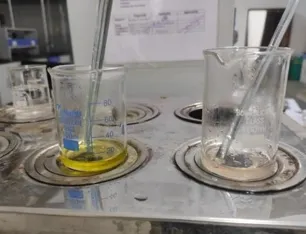
Figure 39: weighing all chemicals Figure 40: heating on waterbath figure 41: both phases got melted
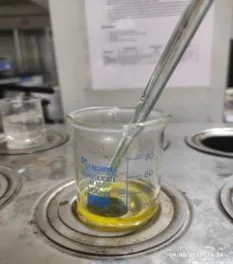
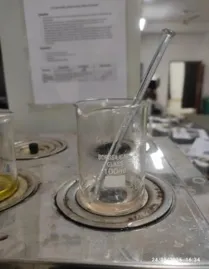
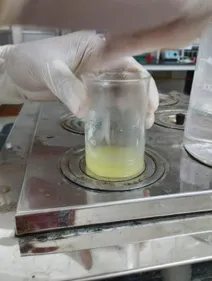
Figure 42: oil phase Figure 43: aqueous phase Figure 44 oil phase in aqueous phase
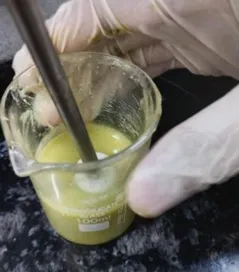
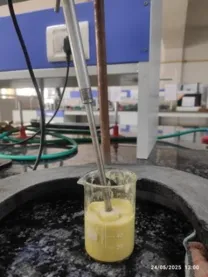
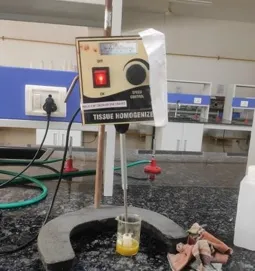
Figure 45: mixing both phase Figure 46: mixing both phase Figure 47: mixing both phase
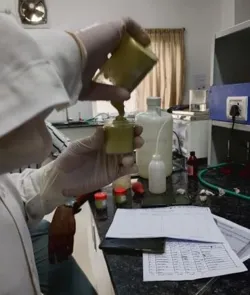
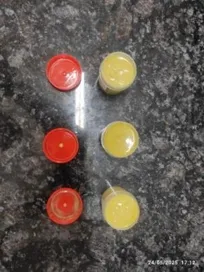
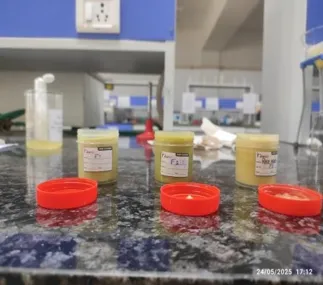
Figure 48: transfer final product Figure 49: final product Figure 50: final product
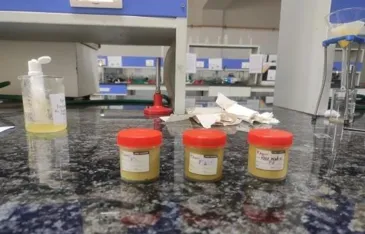
Figure 51: final product
|
Sr. No. |
Ingredients |
Quantities (in gm) |
Uses |
||
|
F1 |
F2 |
F3 |
|||
|
1 |
NB Jasmine extract |
2ml |
3ml |
3.5ml |
Antifungal activity |
|
2 |
Neem extract |
1.5ml |
1.75ml |
2.5ml |
Antimicrobial activity |
|
3 |
Black cumin extract |
2ml |
2.5ml |
3.5ml |
Antifungal activity |
|
4 |
Steric acid |
1.5ml |
2ml |
2.5ml |
Lubricating agent, emulsifier |
|
5 |
Cetyl alcohol |
0.25gm |
0.20gm |
0.30gm |
Moisturizer |
|
6 |
Lanoline |
0.4gm |
0.5gm |
0.5gm |
Emollient |
|
7 |
Methyl paraben |
0.05gm |
0.05gm |
0.05gm |
Preservative |
|
8 |
Propylene gycol |
5ml |
4ml |
3ml |
Softening agent |
|
9 |
Triethanolamine |
0.25ml |
0.30ml |
0.35ml |
Surface active agent |
|
10 |
Rose water |
1.5ml |
1.5ml |
2ml |
Skin whitening agent |
|
11 |
Aloevera gel |
1ml |
1ml |
1.5ml |
Antioxidant |
|
12 |
Rose oil |
1ml |
1ml |
1.5ml |
Fragrance |
|
13 |
Distilled water |
q.s |
q.s |
q.s |
Vehicle |
Evaluation Parameters
Organoleptic Evaluation
Physical appearance of the formulation was examined like colour, texture, smell. These tests were measured by sensory organs like colour was examine by visual , texture were assessed using touch , to investigate the odour by sensed.
Appearance and homogeneity
Appearance and homogeneity were investigated by visual examination.
Washability
In this test we examine how easily the lotion can be remove from skin by using tap water.
Viscosity
The viscosity were measured by using Brookfield viscometer.
PH
pH were investigated by using calibrated pH meter.
RESULT AND DISCUSSION
The formulation of polyherbal antifungal lotion by using night blooming jasmine , neem and black cumin was prepared and further evaluation tests are also performed to characterize the formulation.
|
Evaluation Parameters |
F1 |
F2 |
F3 |
|
Colour |
Olive green |
Olive green |
Olive green |
|
Odour |
Rose |
Rose |
Rose |
|
Dilution |
O/W |
O/W |
O/W |
|
Appearance |
Homogeneous |
Homogeneous |
Homogeneous |
|
Grittiness |
Non grttiness |
Non grittiness |
Non grittiness |
|
pH |
7.9 |
8.7 |
8.4 |
|
Viscosity |
22130cps |
23470cps |
22723cps |
CONCLUSION
Using extracts of black cumin, neem, and night blooming jasmine, this study effectively created and assessed a polyherbal antifungal lotion. According to the research, these plant-based ingredients have strong antifungal and antibacterial qualities, which makes them appropriate for topical use [1–10]. While all three formulations (F1, F2, and F3) showed favorable physicochemical properties, F3 provided the most well-balanced mix of pH, washability, and homogeneity. In addition to being safe and efficient, the lotion uses scientifically proven traditional medical knowledge. This research aids in the creation of natural antifungal treatments that are affordable and could lessen the need for synthetic medications and the negative effects they can cause [17–22].
REFERENCES


Sirajul Mondal, Md Rizwanul Haque, Formulation and Evaluation of Poly Herbal Antifungal Lotion, Int. J. of Pharm. Sci., 2026, Vol 4, Issue 10, 1971-1986. https://doi.org/10.5281/zenodo.23356032
 10.5281/zenodo.23356032