

We use cookies to ensure our website works properly and to personalise your experience. Cookies policy
Jijamata Education Society's College of Pharmacy, Nandurbar (425412), Dist-Nandurbar, Maharashtra (India).
An ulcer refers to a disruption or break in the continuity of a body membrane, which impairs the normal function of the affected organ. Ulcers can occur in various forms, including arterial, genital, venous, peptic, and mouth ulcers. A mouth ulcer, also known as aphthous stomatitis, is characterized by the recurrent formation of painful ulcers on the non-keratinized mucous membranes of the oral cavity. These ulcers are typically found on the inner cheeks, gums, lips, and occasionally on the tongue. Mouth ulcers are often inflammatory and can cause significant pain, leading to difficulties in speaking or brushing teeth.In the market, many gel formulations containing herbal extracts or other natural ingredients are available for the treatment of mouth ulcers. Traditional oral gel formulations are widely used, but more advanced systems, such as mucoadhesive drug delivery systems, are becoming increasingly popular. These novel systems have gained attention due to their ability to deliver drugs directly through mucosal surfaces like those found in the eyes, nose, lungs, vagina, and buccal cavity.Mucoadhesive buccal patches, in particular, offer several advantages over conventional oral dosage forms. They provide a prolonged residence time on the mucosal surface, allowing for longer local action and improving patient compliance. Moreover, these patches can be easily removed if any adverse reactions or toxicity occur, making them a safer and more convenient option for self-medication the dosage form from the buccal cavity. In case of mouth ulcers, application of mucoadhesive patches can protect the disrupted mucosa from its contact with spicy food and increase patient compliance.
Oral ulcers are common conditions affecting the oral cavity and can arise from various causes, including trauma, infection, aphthous ulceration related to dermatoses, drug- induced ulceration, or malignant ulceration. The most frequent type of oral ulcer is the aphthous ulcer, which typically heals within 10-14 days without specific treatment. These ulcers usually
present as small, round or oval lesions, covered by a pseudo-membrane and surrounded by an erythematous halo, appearing in non-keratinized areas of the oral mucosa[1].
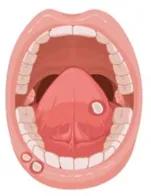
The primary focus of current treatment options is symptom management rather than preventing damage or promoting healing. Oral rinses provide immediate relief from pain due to their moisturizing effects but do not significantly aid in healing. Despite containing various active ingredients such as antibiotics, antihistamines, antifungals, steroids, and local anesthetics, many oral rinses fail to promote healing and offer similar therapeutic benefits to a simple saline solution. One reason for this ineffectiveness could be the short residence time of the rinse, which leads to insufficient medication localization in the affected area.
To address these limitations, alternative drug delivery systems, such as bioadhesive gels, are being explored. These gels help minimize the effects of salivary dilution, thereby potentially reducing the need for repeated administration of medication. While bioadhesive gels can adhere to irregular surfaces and offer a longer duration of action compared to mouth rinses, they are still subject to forces from the tongue, cheeks, and constant salivary flushing. Therefore, controlled- release mucoadhesive buccal films are considered an ideal dosage form for treating oral ulcers, as they provide sustained release and remain in place within the oral cavity for extended periods[2].
Oral ulcers can be classified as acute or chronic based on their duration. Acute ulcers, such as traumatic, aphthous, herpetic ulcers, and chancres, usually heal within three weeks without intervention. On the other hand, chronic ulcers, which include major aphthous ulcers, ulcers resulting from odontogenic infections, malignant ulcers, and those associated with systemic diseases, may persist for weeks or even months. Regardless of their type, oral ulcers often lead to symptoms such as redness, burning sensations, and pain, with the movable areas of the mouth being particularly sensitive to these conditions.
Traditional Indian medicine is one of the oldest and most established medical sciences globally. Among the various systems of traditional medicine, Ayurveda is the most widely practiced. It is a comprehensive approach to healthcare that focuses on the balance of body, mind, and spirit. The core belief of Ayurveda is that physical, mental, and emotional well-being can be achieved by living in harmony with nature.
In the field of drug delivery systems, the oral mucosal route offers an effective and novel method for drug administration. This method allows for both immediate and controlled drug release, bypassing the first-pass metabolism and avoiding degradation by the gastrointestinal (GI) microbial flora. The oral mucosal drug delivery system is versatile, providing both local and systemic effects. The buccal mucosa, which lines the inner cheek, is particularly useful for drug delivery, with formulations placed between the gums and cheek. Compared to other mucosal routes like nasal delivery, the buccal mucosa offers faster drug absorption, higher permeability, and ease of use. Additionally, since mucosal surfaces do not have a stratum corneum, they are more favorable for drug delivery compared to transdermal systems.
Mouth ulcers, while often mild, can cause substantial pain and discomfort. Most cases recover on their own, but those with recurring or severe ulcers may benefit from medical guidance and treatment. Understanding the probable causes and risk factors, as well as how to manage pain and encourage healing, can assist to reduce the burden on everyday life. If mouth ulcers persist, worsen, or are accompanied by other symptoms, it is always better to see a doctor to rule out more serious problems.
Coriander (Coriandrum sativum), also known as cilantro in its fresh form, is an herb commonly used in culinary practices and traditional medicine. It belongs to the Apiaceae family and is native to regions of Europe, North Africa, and southwestern Asia. Both the leaves (cilantro) and seeds (coriander) of the plant are utilized for their distinctive flavors and medicinal properties.
Coriander has a long history of use in traditional medicine for various ailments, such as digestive issues, inflammation, and infections. It is known to have antioxidant, antimicrobial, and anti- inflammatory properties. Coriander is also used in managing conditions like nausea, indigestion, and diabetes due to its ability to regulate blood sugar levels.
Coriander (Coriandrum sativum) is rich in essential oils, flavonoids, fatty acids, phenolic compounds, and other bioactive substances that provide a range of medicinal and health benefits, including anti-inflammatory, antioxidant, and antimicrobial effects. These chemical constituents contribute to coriander’s significant biological significance in traditional and modern herbal medicine.
MATERIAL AND METHODS-
CHEMICAL AND EQUIPMENTS-
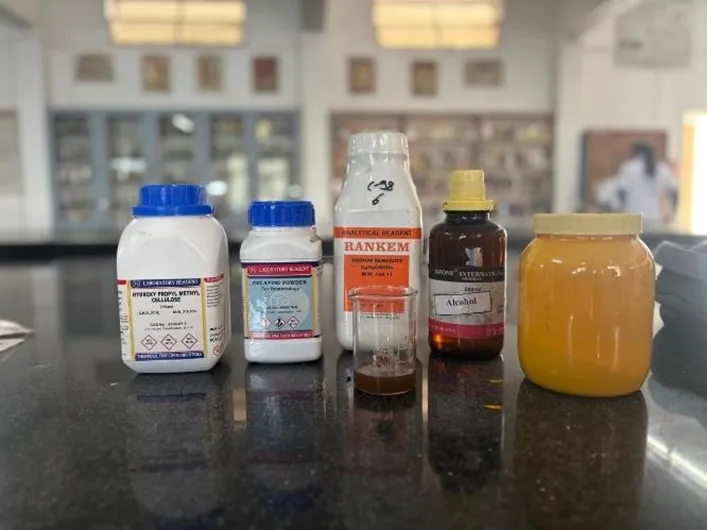
Methanolic extract of coriander, Turmeric, Hydroxy propyl methyl cellulose (HPMC), Potassium sorbate, Sodium benzoate, Gelatin, Glycerine, Ethanol, Beaker, Stirrer, Petridish, Electronic balance, Funnel, Water bath.
PLANT MATERIAL
The coriander fruit was purchased from local market of nandurbar. The material were cleaned and dried under shade and then placed in oven at 20 - 40 ℃ . The dried rhizomes were weighed and stored in desiccator.
ISOLATION OF LINALOOL FROM CORIANDER SEEDS
Dry coriander seeds was crushed to a coarse powder and extracted with 95 % methanol by simple maceration process. After 24 hours filtration was carried out. The Solvent obtained after the filteration was evaporated until it become concentrated which contain active ingredient used in the buccal patch.
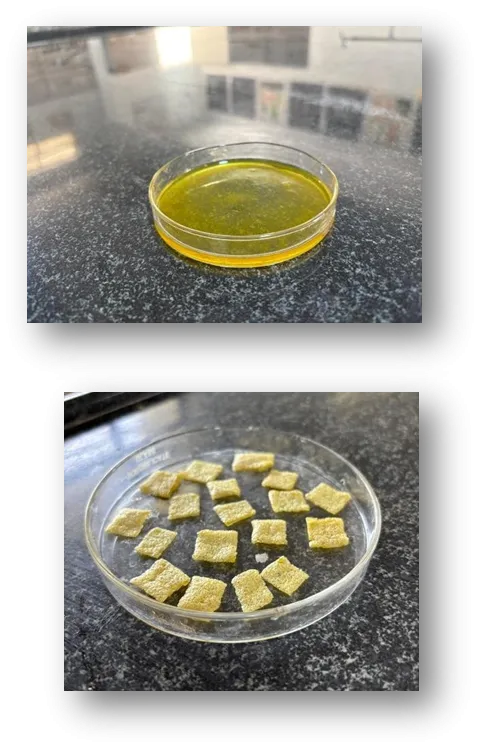
PREPARATION OF MUCOADHESIVE BUCCAL PATCH –
PROCEDURE-
1. Preparation of coriander extract: Extract the coriander seeds using a solvent like ethanol or methanol. Concentrate the extract to obtain a 10% linalool content.
2. Mixing of ingredients: Mix the coriander extract, HPMC, glycerin, PEG 400, preservative, and flavoring agent in a clean glass bowl.
3. Casting: Cast the paste onto a backing material, such as a polyester film.
4. Drying: Dry the patch in a controlled environment (e.g., oven or desiccator) until the desired thickness is achieved.
5. Cutting: Cut the dried patch into the desired shape and size.
FORMULATION TABLE –
|
Sr.No. |
Ingredients |
Role Of Ingredients |
Quantity given |
|
1 |
Coriander Extract |
Antimicrobial |
2ml |
|
2 |
Hydroxy Propyl Methyl Cellulose |
Polymer |
4gm |
|
3 |
Gelatin |
Primary Mucoadhesive Agent |
0.3gm |
|
4 |
Turmeric |
Anti inflammatory |
0.1gm |
|
5 |
Potassium sorbate |
Preservative |
0.1gm |
|
6 |
Glycerine |
Smoothning |
2ml |
|
7 |
Water |
Vehicle |
Quantity sufficient |
MECHANISM OF ACTION OF CORIANDER IN MOUTH ULCER-
The essential oil from the coriander plant has also been used traditionally in the Asian region to stimulate gastric secretion and treat gastric ulcers, and mouth infections[3].
Anti-Inflammatory Effects
1. Inhibition of pro-inflammatory cytokines: Coriander's active compounds, such as linalool and beta-pinene, may inhibit the production of pro-inflammatory cytokines, reducing inflammation and pain in the oral mucosa.
2. Antioxidant activity: Coriander's antioxidants may neutralize free radicals, reducing oxidative stress and inflammation in the oral mucosa.
Antimicrobial Effects
1. Inhibition of microbial growth: Coriander's essential oils, such as linalool and beta-pinene, may inhibit the growth of microorganisms, reducing the risk of infection and promoting healing.
2. Disruption of microbial membranes: Coriander's essential oils may disrupt the membranes of microorganisms, ultimately leading to their death.
Analgesic and Anesthetic Effects
1. Activation of TRPV3 receptors: Coriander's active compounds, such as linalool, may activate TRPV3 receptors, which can help reduce pain and inflammation.
2. Inhibition of pain mediators: Coriander's active compounds may inhibit the production of pain mediators, such as prostaglandins and bradykinin, reducing pain and discomfort.
Mucoadhesive Properties
1. Interaction with mucin: Coriander's active compounds may interact with mucin, a key component of the oral mucosa, enhancing the mucoadhesive properties of the buccal patch.
2. Prolonged release of active compounds: The mucoadhesive properties of coriander may facilitate the prolonged release of its active compounds, providing sustained therapeutic effects.
By incorporating coriander into a buccal patch, these mechanisms of action may help alleviate symptoms.
MECHANISM OF ACTION OF TURMERIC IN MOUTH ULCER-
Turmeric, a spice commonly found in Indian and Middle Eastern cooking, has been used for centuries in traditional medicine to treat various health issues, including mouth ulcers. Here's a breakdown of the mechanism of action of turmeric in mouth ulcers[4]:
Anti-Inflammatory Effects
1. Inhibition of pro-inflammatory enzymes: Turmeric's active compound, curcumin, inhibits the production of pro-inflammatory enzymes, such as cyclooxygenase-2 (COX-2) and lipoxygenase (LOX).
2. Reduction of inflammatory cytokines: Curcumin reduces the production of inflammatory cytokines, such as tumor necrosis factor-alpha (TNF-alpha) and interleukin-1 beta (IL-1β).
Antioxidant Effects
1. Neutralization of free radicals: Curcumin neutralizes free radicals, which can damage oral mucosa cells and contribute to mouth ulcer formation.
2. Enhancement of antioxidant enzymes: Curcumin enhances the activity of antioxidant enzymes, such as superoxide dismutase (SOD) and glutathione peroxidase (GPx).
Antimicrobial Effects
1. Inhibition of microbial growth: Curcumin inhibits the growth of microorganisms, such as bacteria and fungi, which can contribute to mouth ulcer formation.
2. Disruption of microbial membranes: Curcumin disrupts the membranes of microorganisms, ultimately leading to their death.
Wound Healing Effects
1. Enhancement of collagen synthesis: Curcumin enhances the synthesis of collagen, an essential protein for wound healing.
2. Improvement of tissue regeneration: Curcumin improves tissue regeneration by promoting the proliferation and differentiation of oral mucosa cells. Associated with mouth ulcers, such as pain, inflammation, and infection.
Analgesic and Anesthetic Effects
1. Inhibition of pain mediators: Curcumin inhibits the production of pain mediators, such as prostaglandins and bradykinin.
2. Activation of opioid receptors: Curcumin activates opioid receptors, which can help reduce pain perception.
Its inflammatory effects are expressed in the reduction in the inflammatory cytokines IL-6 and IL-8. Furthermore, the reduction in fibrotic cicatricial function is expressed by inhibiting fibroblasts and myoblasts (type I and III collagen) of the oral mucosa.
MUCOADHESIVE BUCCAL DRUG DELIVERY SYSTEM-
Oral route is the most preferred route for the delivery of any drug. Drug delivery via the membranes of the oral cavity can be subdivided as[5-6]:-
• Sublingual delivery: This is systemic delivery of drugs through the mucosal membranes lining the floor of the mouth.
• Buccal delivery: This is drug administration through the mucosal membranes lining the cheeks (buccal mucosa).
• Local delivery: This is drug delivery into the oral cavity.
Within the oral mucosal cavity, the buccal region offers an attractive route of administration for controlled systemic drug delivery. Buccal delivery is the administration of drugs through the mucosal membrane lining the cheeks. Although the sublingual mucosa is known to be more permeable than the buccal mucosa, the latter is the preferred route for systemic transmucosal drug delivery. This is because the buccal mucosa has an expanse of smooth muscle and relatively immobile mucosa, which makes it a more desirable region for retentive systems. Thus, the buccal mucosa is more appropriate for sustained direction of drug delivery.
Herbs Used In Buccal Patch :
• Coriander :
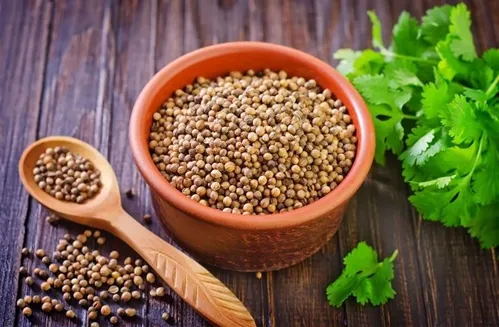
Synonyms : Fructus coriandri, Coriander fruits, Cilantro, Chinese parsley.
Biological Source : Coriander consists of
dried ripe fruits of Coriandrum sativum Linn., belonging to family Umbelliferae.
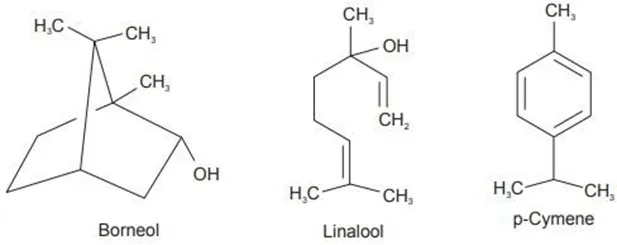
Chemical Constituents : Coriander consist of about 1% of volatile oil the chief volatile components are D-(+)-linalool (coriandrol), along with other constituents like, borneol, p- cymene, camphor, geraniol, limonene, and alpha-pinenes. The fruits also contain fatty oil and hydroxycoumarins. The fatty oils include acids of petroselic acid, oleic acid, linolenic acid, whereas the hydroxycoumarins include the umbelliferone and scopoletine [7].
Uses :
1. Antimicrobial and Antifungal Properties :
Coriander's antimicrobial and antifungal properties, when used in buccal patches, can prevent and treat oral infections, maintaining oral hygiene, particularly beneficial for patients with gingivitis, thrush, or mouth ulcers.[8]
2. Anti-inflammatory Effects :
Coriander's flavonoids and terpenes are anti-inflammatory compounds, aiding in the reduction of oral inflammation, making it a promising treatment for oral mucositis and other related issues.
3. Antioxidant Benefits :
Coriander, rich in antioxidants, protects oral tissues from oxidative stress, potentially preventing oral cancer and periodontal disease, and can be incorporated into buccal patches.
4. Pain Relief (Analgesic Effect) :
It is well known that coriander has minor pain-relieving effects. Because of this, it is a good option for buccal patches that are meant to relieve oral pain, whether it be from dental discomfort, mouth ulcers, or the healing process following surgery.
5. Supporting Drug Absorpton :
According to certain research, coriander might help enhance the way certain medications are absorbed through mucosal membranes. This characteristic may help buccal drug delivery systems by increasing the bioavailability of drugs taken through this route.
6. Other :
Aromatic, carminative, stimulant, alterative, antispasmodic, diaphoretic and flavouring agent. It is also used as refriger-ant, tonic, appetizer, diuretic, aphrodisiac, and stomachic. Coriander can be applied externally for rheumatism and painful joints. The infusion of decoction of dried fruit of cardamom is useful for the treatment of sore-throat, indigestion, vomiting, flatulence, and other intestinal dis-orders.
• Turmeric :
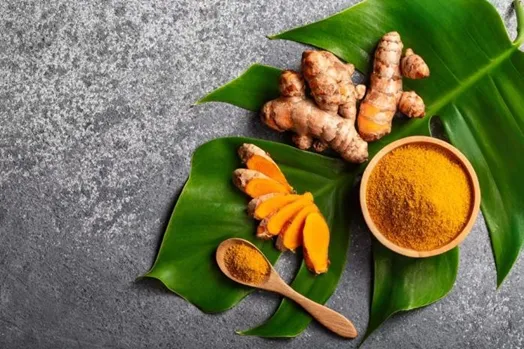
Synonyms : Saffron Indian; haldi (Hindi); Curcuma; Rhizoma cur-cumae.
Biological Source : Turmeric is the dried rhizome of Curcuma longa Linn. (syn. C.domestica Valeton)., belonging to family Zingiberaceae.
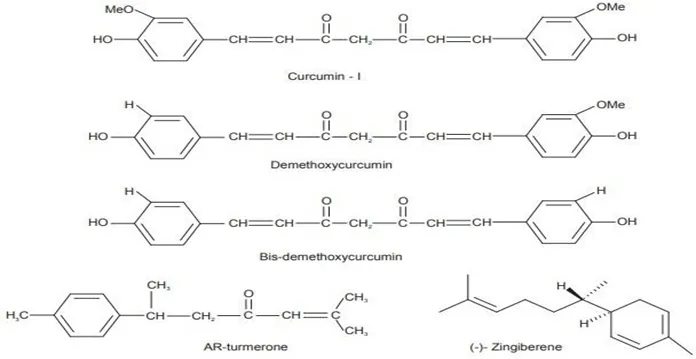
Chemical Constituents : Turmeric contains yellow colouring matter called as curcuminoids (5%) and essential oil (6%). The chief constituent of the colouring matter is curcumin I (60%) in addition with small quantities of curcumin III, curcumin II and dihydrocurcumin. The volatile oil contains mono- and sesquiterpenes like zingiberene (25%), α-phellandrene, sabinene, turmerone, arturmerone, borneol, and cineole. Choleretic action of the essential oil is attributed to β-tolylmethyl carbinol.
The volatile oil also contains α- and β-pinene, camphene, limonene, terpinene, terpinolene, caryophyllene, linalool, isoborneol, camphor, eugenol, curdione, curzerenone, curlone, AR-curcumenes, β-curcumene, γ-curcumene. α- and β-turmerones, and curzerenone[9].
Uses :
1. Anti-inflammatory Properties:
Curcumin, the active compound in turmeric, is renowned for its ability to reduce inflammation. Buccal patches offer a direct way to apply turmeric to the mucosal tissues of the mouth, providing targeted relief in conditions such as[10]:
• Oral Mucositis: A painful condition marked by inflammation in the mouth’s lining, often caused by chemotherapy or radiation. Curcumin’s anti-inflammatory effects can help alleviate pain and promote healing.
• Gingivitis or Periodontitis: These gum diseases, which cause swelling and irritation of the gums, may be alleviated by curcumin’s ability to reduce inflammation and fight infection.
2. Pain-Relieving Effects:
Turmeric’s natural analgesic properties can be beneficial for easing various types of oral pain. A buccal patch could provide concentrated, localized relief for conditions like:
• Oral Pain from Ulcers or Injuries: Curcumin can help reduce discomfort from mouth ulcers or oral wounds by soothing the affected area.
• Toothaches: The anti-inflammatory and pain-relieving nature of turmeric can offer comfort for tooth-related pain.
• Sore Throat: When the throat is inflamed, curcumin’s pain-relieving properties may help reduce irritation and discomfort.
3. Antioxidant Benefits:
Curcumin is a potent antioxidant that helps protect cells from damage caused by oxidative stress. By using a buccal patch, the turmeric can deliver these protective benefits directly to the oral tissues, which may assist in :
• Post-Dental Healing: After dental treatments or oral injuries, curcumin may aid in healing by reducing oxidative stress and promoting tissue regeneration.
• Protection Against Free Radicals: By neutralizing free radicals, turmeric helps
maintain the integrity of oral tissues, preventing long-term damage and supporting overall oral health.
4. Antibacterial and Antifungal Properties:
Turmeric has been shown to have antibacterial and antifungal effects. A buccal patch containing turmeric could be used to:
• Combat oral infections caused by bacteria or fungi (e.g., Candida infections)
• Help in preventing plaque formation and reducing bad breath
5. Treatment Mouth Ulcers:
Turmeric's natural healing properties can be used in a buccal patch to help with the healing of mouth ulcers or canker sores, reducing the time it takes for them to heal while also reducing associated pain and inflammation[11].
6. Other :
Turmeric is used as aromatic, antiinflammatory, stomachic, uretic, anodyne for billiary calculus, stimulant, tonic, car minative, blood purifier, antiperiodic, alterative, spice, colouring agent for ointments and a common household remedy for cold and cough. Externally, it is used in the form of a cream to improve complexion. Dye-stuff acts as a cholagogue causing the contraction of the gall bladder. It is also used in menstrual pains.
Curcumin has choleretic and cholagogue action and is used in liver diseases. Curcumin is
a nontoxic authorized colour, heat resistant and sensitive to changes in pH. Curcuminoids have antiphlogistic activity which is due to inhibition of leukotriene biosynthesis. ar- Turmerone has antisnake venom activity and blocks the haemorrhagic effect of venom.
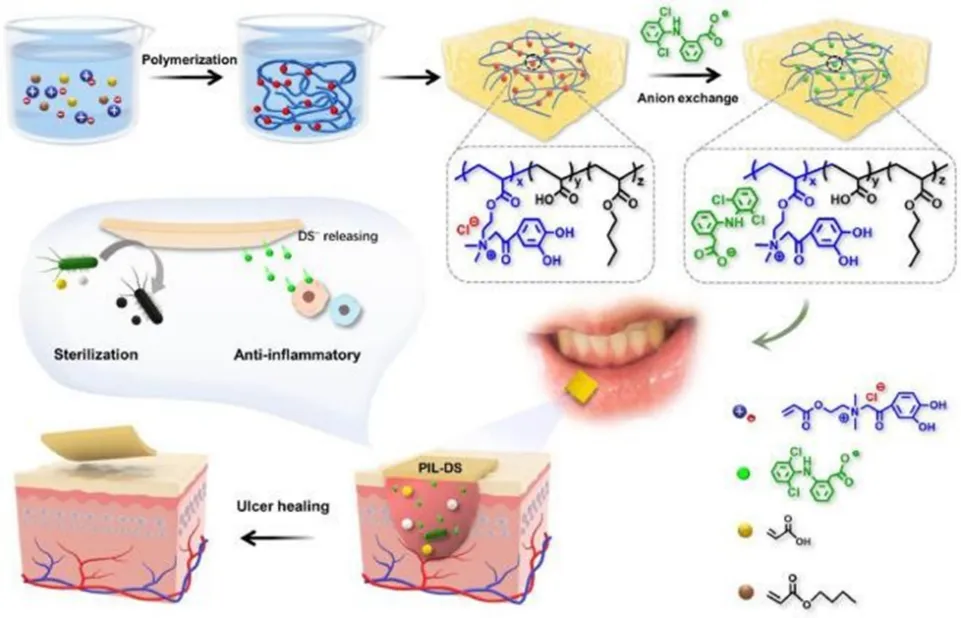
EVALUATION PARAMETERS OF MUCOADHESIVE BUCCAL PATCH –
1. Appearance:
The formulated buccal patches visually observed for their color. Also Visual checks for color, clarity, flexibility, texture, appearance and odor were made on each created patch[12].
2. Surface texture:
By simply touching the surface of the formulated buccal patch the surface texture can be evaluated.
3. Thickness uniformity:
The thickness of each patch is measured by using digital vernier callipers at five different positions of the patch and the average is calculated.
4. pH
Surface pH The surface pH of the buccal not entirely set in stone to explore the chance of any in-vivo side effects. Since an essential or acidic pH can disturb the buccal mucosa, keeping the surface pH as close is basic to nonpartisan as could really be expected. A consolidated glass cathode was utilized for this reason. The buccal patches were kept in touch with 1
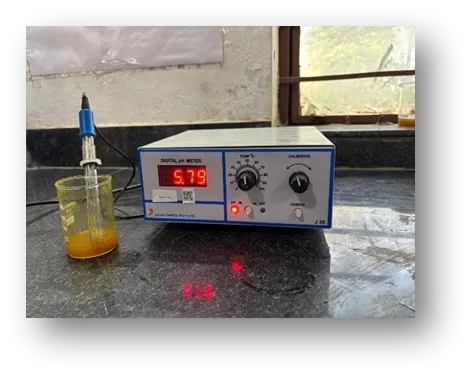
ml of refined water (pH 6.5 ± 0.05) and permitted to grow for two hours at room temperature also, pH was noted somewhere around acquiring the cathode contact with the outer layer of the fix and permitting it to equilibrate for 1 moment[13].
5. Folding Endurance
The folding endurance of each patch is determined by repeatedly folding the patch at the same place till it is broken or folded up to 300 times, which is considered satisfactory to reveal good film properties[14].
6. Swelling study
Buccal patches are weighed individually (designated as W1), and placed separately in 2% agar gel plates, incubated at 37°C ± 1°C, and examined for any physical changes. At regular 1hour time intervals until 3 hours, patches are removed from the gel plates and excess surface water is removed carefully using the filter paper 18,19[15-16].
RESULT AND DESCUSSION[17-18] –
|
Sr.No. |
Reagnts |
Observations |
Characteristics |
|
1. |
Phloroglucinol+Conc.HCL(1:1) |
Pink |
Lignified sclerenchyma,vascular bundles. |
|
2. |
Alcoholic picric acid |
Yellow |
Aleurone grains present in the cells of endosperm. |
|
3. |
Sudan Red 3 |
Red |
Oil globules,cuticle. |
IDENTIFICATION TEST:
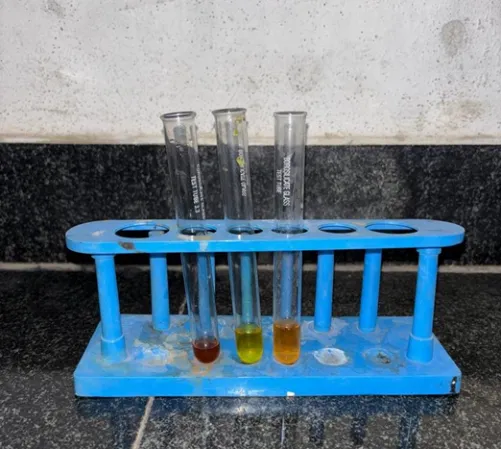
EVALUATION TEST-
|
Sr.No. |
Parameter |
Result |
|
1. |
Appearance |
Yellow |
|
2. |
Surface Texture |
Smooth |
|
3. |
Thickness Uniformity |
Same |
|
4. |
PH |
6 – 7 |
|
5. |
Folding Endurance |
Negligible |
|
6. |
Swelling Study |
Negligible |
CONCLUSION
In conclusion, oral ulcers are common but often painful conditions that can arise from a variety of causes, such as trauma, infection, or underlying systemic diseases. While most oral ulcers, especially aphthous ulcers, resolve within 10-14 days without specific treatment, managing symptoms is essential to reduce discomfort and improve the patient's quality of life. Traditional treatments like oral rinses offer temporary relief but do not significantly promote healing. In response to these limitations, more advanced drug delivery systems, such as bioadhesive gels and mucoadhesive buccal films, are being explored for their potential to provide sustained relief and enhanced healing by overcoming issues like short residence time and salivary dilution.
Furthermore, the use of the oral mucosal route for drug delivery, particularly via the buccal mucosa, presents a promising approach for localized and systemic drug effects. This method bypasses the first-pass metabolism and offers higher permeability for drug absorption, making it a favorable option for sustained release formulations. The integration of traditional medicine, like the use of coriander (Coriandrum sativum), which offers antioxidant, anti-inflammatory, and antimicrobial properties, into modern drug delivery systems may further enhance the effectiveness of treatments for oral ulcers. By combining the strengths of both traditional remedies and advanced drug delivery technologies, a more effective and holistic approach to managing oral ulcers can be achieved, improving both healing times and patient comfort.
REFERENCES
, Laura Ferrante 1 ,Paola Nardelli 1, Giuseppina Malcangi 1,* , Angelo Michele Inchingolo 1, Antonio Mancini 1, Andrea Palermo 2and Gianna Dipalma 1 The Role of Curcumin in Oral Health and Diseases: ASystematic Review Antioxidants (2024)13, 660.
1.08.025
of Drug Delivery & Therapeutics; 2014, 4(3), 69-79.
MEHTA Faculty of Pharmacy, S.V. Subharti University, Meerut, U.P, India, 2Nirma Institute of Pharmacy, Nirma University, Ahmedabad, Gujarat,India. International Journal of Pharmacy and Pharmaceutical Sciences ISSN- 0975-1491 Vol 6, Issue 4,( 2014).
, Laura Ferrante 1 ,Paola Nardelli 1, Giuseppina Malcangi 1,* , Angelo Michele Inchingolo 1, Antonio Mancini 1, Andrea Palermo 2and Gianna Dipalma 1 The Role of Curcumin in Oral Health and Diseases: ASystematic Review Antioxidants (2024)13, 660.
1.08.025
of Drug Delivery & Therapeutics; 2014, 4(3), 69-79.
MEHTA Faculty of Pharmacy, S.V. Subharti University, Meerut, U.P, India, 2Nirma Institute of Pharmacy, Nirma University, Ahmedabad, Gujarat,India. International Journal of Pharmacy and Pharmaceutical Sciences ISSN- 0975-1491 Vol 6, Issue 4,( 2014).





Ketan Shintre, Khushi Shinde, Hemangi Shinde, Kushal Shinde, Shaikh Ayesha Bi Shaikh Atiq, M. B. Kokani, Formulation and Evalution of Herbal Mucoadhesive Buccal Patch., Int. J. of Pharm. Sci., 2026, Vol 4, Issue 7, 3481-3492, https://doi.org/10.5281/zenodo.21412450
 10.5281/zenodo.21412450