

We use cookies to ensure our website works properly and to personalise your experience. Cookies policy
1–5UG Students, Anuradha College of Pharmacy, Chikhli, Maharashtra, India.
6Project Guide, Anuradha College of Pharmacy, Chikhli, Maharashtra, India.
7Principal, Anuradha College of Pharmacy, Chikhli, Maharashtra, India.
Polyendocrine metabolic ovarian syndrome (PMOS), recently proposed as the new name for polycystic ovary syndrome (PCOS), is a common hormonal and metabolic disorder of women of reproductive age, characterised by irregular ovulation, raised androgens and insulin resistance. Since its treatment is long-term and the drugs have side effects, many women use herbal supplements for supportive care, but powders and capsules are bitter and unpalatable. A gummy is a soft, chewable and pleasant-tasting dosage form that can carry herbal ingredients in a sugar-free gel matrix. Cinnamon, guduchi, fenugreek and linseed are easily available food-grade herbs with reported effects on insulin sensitivity, glucose and lipid levels and oxidative stress. This review discusses PMOS, the concept, advantages, limitations and composition of herbal gummies, the profile of the four herbs and the main excipients, the methods of preparation, the gelling agents, the factors affecting quality and the parameters used for evaluation, with the important reports on the subject.
Polycystic ovary syndrome (PCOS) is one of the commonest endocrine disorders of women of reproductive age. It is characterised by irregular ovulation, raised androgen levels (acne, excess hair growth, hair loss) and, in most patients, insulin resistance, with weight gain and a higher risk of type 2 diabetes, dyslipidaemia and cardiovascular disease[1,2,3]. An international consensus process in 2026 has renamed it polyendocrine metabolic ovarian syndrome (PMOS), because the condition involves many hormonal and metabolic systems and not only the ovaries; many affected women do not have cysts at all.
The management of PMOS is long-term and includes lifestyle changes together with drugs such as oral contraceptives, metformin and anti-androgens, chosen according to the symptoms[3]. Since the disorder is chronic and the drugs have side effects, many women use nutritional supplements and herbal products as a supportive measure[4,5,6]. A supportive supplement should act on insulin sensitivity, glucose and lipid levels and oxidative stress.
Herbal powders, capsules and tablets are bitter, bulky and unpalatable, so regular intake over months is poor. A gummy is a soft, chewable, gel-type dosage form, which can carry herbal ingredients in a pleasant-tasting matrix and is readily accepted by adults and adolescents. Cinnamon, guduchi, fenugreek and linseed are cheap, easily available, food-grade herbs with reported effects on insulin sensitivity, glucose and lipids, and a sugar-free herbal gummy of these herbs is therefore a useful and practical option for supportive use in PMOS[7,8,9,10,11].
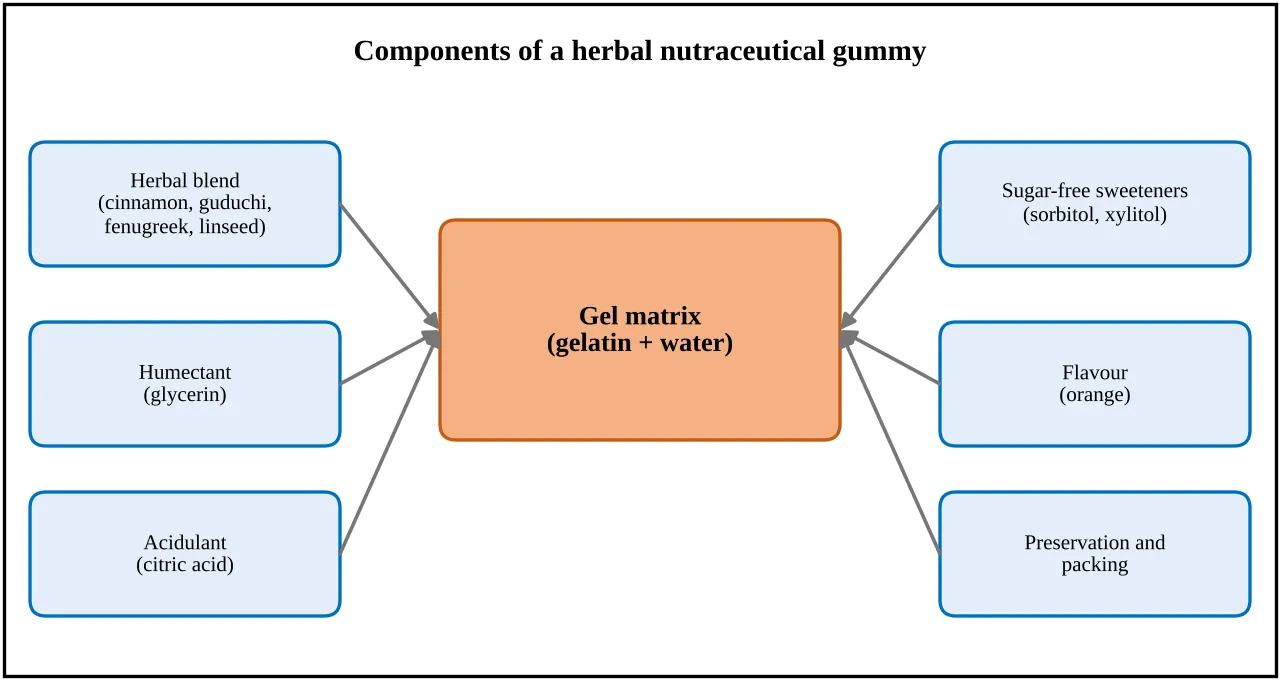
Figure 1: Components of a Herbal Nutraceutical Gummy
Polyendocrine Metabolic Ovarian Syndrome (PMOS)
The syndrome is diagnosed by hyperandrogenism (clinical or biochemical) together with ovarian dysfunction (irregular ovulation or polycystic ovaries), after other related disorders are excluded[1,12]. Insulin resistance and the resulting high insulin levels stimulate the ovaries to make more androgens, and they also lead to weight gain, abnormal lipids and an increased risk of diabetes. Oxidative stress and low-grade inflammation are also present[13,14]. Lifestyle change, with diet and exercise, remains the first line of treatment, and supportive nutritional measures aim at improving the metabolic features[3,12].
Concept of Herbal Nutraceutical Gummy
A gummy is usually made with gelatin or pectin as the gelling agent, together with sweeteners, a humectant, an acid and a flavour. The herbal powders or extracts are dispersed in the gel matrix, and the mass is poured into moulds and set by cooling[15,16]. In the present approach a sugar-free base of sorbitol, xylitol and glycerin is used, since a high sugar intake is not desirable in women with insulin resistance. The gummy is meant as a supportive nutritional supplement and not as a substitute for medical treatment.
Advantages of Herbal Nutraceutical Gummies
Limitations of Gummies
Characteristics of an Ideal Herbal Gummy
Composition of Gummy
The usual components of a gelatin gummy are given in the table below[15,16,17].
Table: General Composition of a Herbal Gummy
| Sr. No. | Component | Typical amount | Examples |
|---|---|---|---|
| 1 | Active (herbal) ingredient | 5 – 30% w/w | Herbal powders, extracts, vitamins, minerals |
| 2 | Gelling agent | 5 – 15% w/w | Gelatin, pectin, agar, carrageenan, modified starch |
| 3 | Sweetener / bulking agent | 20 – 50% w/w | Sorbitol, xylitol, maltitol, sucrose, glucose syrup |
| 4 | Humectant | 5 – 15% w/w | Glycerin, propylene glycol |
| 5 | Acidulant / buffer | 0.5 – 2% w/w | Citric acid, sodium citrate |
| 6 | Flavour and colour | 0.1 – 1% w/w | Orange, lemon or berry flavour; natural colours |
| 7 | Solvent | q.s. | Purified water |
Profile of Herbs and Excipients
The four herbs are described below. They are easily available in India, have a long history of food and traditional use, and have been studied for effects relevant to PMOS[7,18,19,20].
Cinnamon (Cinnamomum verum)
Table: Profile of Cinnamon
| Sr. No. | Parameter | Details |
|---|---|---|
| 1 | Botanical name | Cinnamomum verum J. Presl (syn. C. zeylanicum Blume) |
| 2 | Family | Lauraceae |
| 3 | Common names | Cinnamon, Dalchini (Hindi), Tvak (Sanskrit) |
| 4 | Part used | Dried inner bark |
| 5 | Major constituents | Cinnamaldehyde (main constituent of the bark oil), eugenol, polyphenols, tannins, mucilage |
| 6 | Reported activities | Improves insulin sensitivity, lowers fasting glucose, antioxidant, anti-inflammatory |
| 7 | Traditional uses | Digestive, carminative, flavouring and for diabetes and cold |
Cinnamon has been shown in meta-analyses to lower fasting plasma glucose in type 2 diabetes, and it has been studied for the metabolic parameters of PCOS. It is generally well tolerated at the usual doses, although the coumarin content of the cheaper cassia types should be remembered[7,8,9,21].
Guduchi (Tinospora cordifolia)
Table: Profile of Guduchi
| Sr. No. | Parameter | Details |
|---|---|---|
| 1 | Botanical name | Tinospora cordifolia (Willd.) Miers |
| 2 | Family | Menispermaceae |
| 3 | Common names | Guduchi, Giloy (Hindi), Amrita (Sanskrit) |
| 4 | Part used | Dried stem |
| 5 | Major constituents | Berberine, palmatine, diterpenoid lactones, glycosides, polysaccharides |
| 6 | Reported activities | Hypoglycaemic, immunomodulatory, antioxidant, adaptogenic |
| 7 | Traditional uses | Fever, diabetes, general debility and as a rejuvenating tonic |
Guduchi is widely used in Ayurveda, and its stem is reported to have blood-glucose lowering and antioxidant activity. It may add to the effect of antidiabetic drugs, so caution is advised in patients on such treatment[18,22].
Fenugreek (Trigonella foenum-graecum)
Table: Profile of Fenugreek
| Sr. No. | Parameter | Details |
|---|---|---|
| 1 | Botanical name | Trigonella foenum-graecum Linn. |
| 2 | Family | Fabaceae |
| 3 | Common names | Fenugreek, Methi (Hindi), Methika (Sanskrit) |
| 4 | Part used | Dried ripe seeds |
| 5 | Major constituents | Galactomannan fibre, saponins (diosgenin), 4-hydroxyisoleucine, trigonelline, alkaloids |
| 6 | Reported activities | Antidiabetic, lipid-lowering, galactagogue |
| 7 | Traditional uses | Digestive, diabetes, lactation aid and flavouring |
The soluble fibre of fenugreek slows the absorption of glucose, and 4-hydroxyisoleucine is reported to increase insulin secretion. Gas and loose stools may occur in some persons[19,22].
Linseed (Linum usitatissimum)
Table: Profile of Linseed
| Sr. No. | Parameter | Details |
|---|---|---|
| 1 | Botanical name | Linum usitatissimum Linn. |
| 2 | Family | Linaceae |
| 3 | Common names | Linseed, Flaxseed, Alsi (Hindi), Atasi (Sanskrit) |
| 4 | Part used | Dried ripe seeds |
| 5 | Major constituents | α-Linolenic acid (omega-3 fatty acid), lignans, mucilage, dietary fibre, proteins |
| 6 | Reported activities | Lipid lowering, phytoestrogenic, improves glycaemic control |
| 7 | Traditional uses | Laxative, demulcent, and as a food and oil source |
Flaxseed supplementation has been studied in women with PCOS, and its fibre, lignans and omega-3 fatty acid content are considered useful for the metabolic and hormonal features[10,11,20].
Role of Gelatin, Polyols and Glycerin
Gelatin is a protein obtained from collagen, and forms a thermoreversible, elastic gel on cooling, which gives the gummy its chewy texture; the strength of the gel is expressed as its Bloom value[15,16]. Sorbitol and xylitol are sugar alcohols that provide sweetness and bulk without raising blood glucose much, and glycerin is a humectant that keeps the gummy soft and prevents it from drying[15]. Citric acid adjusts the pH and gives a pleasant sour taste.
Methods of Preparation and Related Aspects
Gummies are prepared by confectionery methods adapted for nutraceuticals. The common methods are described below[15,16,17].
A. Methods of Preparation of Gummies
1. Moulding (cast and set) method: this is the simplest method and is suitable for small batches. The gelling agent is swollen and melted, the sweeteners and humectant are added, and the herbal ingredients are added after cooling to about 55 to 60 °C, so as to protect heat-sensitive constituents. The mass is poured into moulds, set in a refrigerator, demoulded and cured[15,17].
2. Starch mogul method: the mass is deposited into impressions made in trays of dry starch, and dried for a long time in a drying room. It is used for large-scale production and needs a special unit[17].
3. Depositing in moulds: a depositor fills the hot mass into moulds without starch. It gives clean products but the equipment is costly[17].
4. Extrusion: the mass is mixed and forced through an extruder and cut into pieces. The method is continuous but uses a high temperature, which may damage herbal constituents[17].
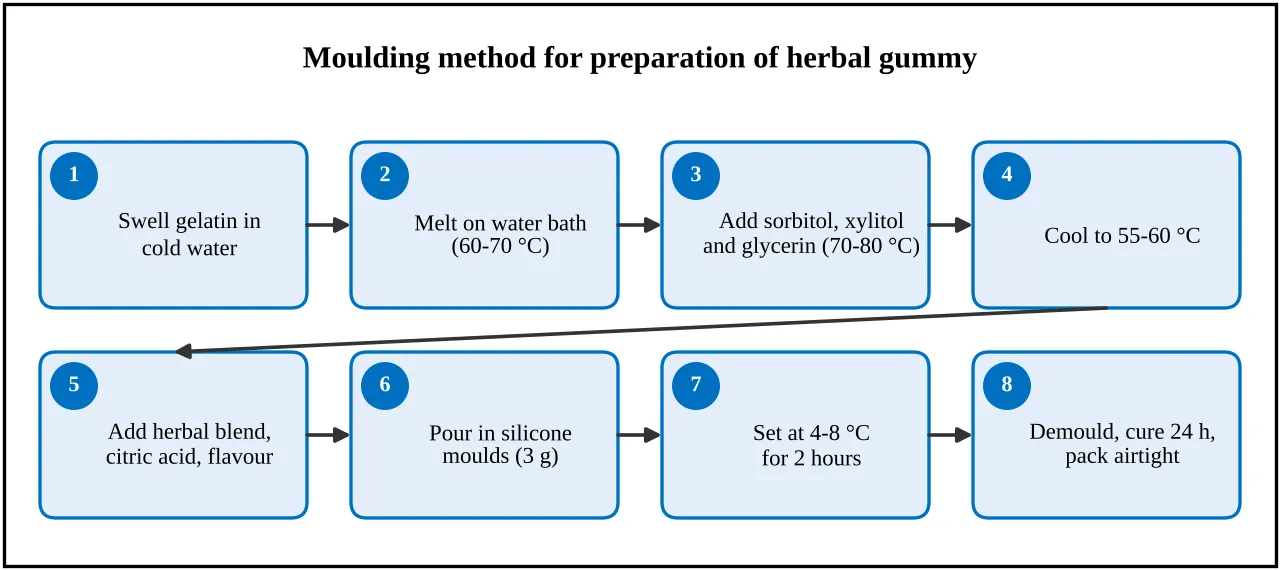
Figure 2: Moulding Method for Preparation of Herbal Gummy
Table: Comparison of Methods of Preparation of Gummies
| Sr. No. | Method | Main requirement | Remarks |
|---|---|---|---|
| 1 | Moulding (cast and set) | Silicone moulds, hot plate | Simple, low cost; suitable for small batches |
| 2 | Starch mogul | Starch trays, drying room | Large scale; long drying, special unit |
| 3 | Depositing in moulds | Depositor, moulds | No starch, clean; costly equipment |
| 4 | Extrusion | Extruder, cutter | Continuous; high temperature |
| 5 | Cold-set | Cooling control | Protects heat-sensitive herbs |
B. Gelling Agents Used for Gummies
Table: Commonly Used Gelling Agents
| Sr. No. | Gelling agent | Important features |
|---|---|---|
| 1 | Gelatin | Animal protein; elastic, chewy, thermoreversible gel; not suitable for vegetarians |
| 2 | Pectin | Plant polysaccharide; needs sugar and acid to gel; vegetarian; shorter texture |
| 3 | Agar | Seaweed polysaccharide; firm, brittle gel; vegetarian; high setting temperature |
| 4 | Carrageenan | Seaweed polysaccharide; gels with potassium ions; used in combinations |
| 5 | Modified starch | Gives a soft gel; used in starch mogul production |
C. Factors Affecting the Quality of Gummies
The gelatin concentration decides the hardness and chewiness; too little gives a soft and sticky gummy, whereas too much gives a hard, rubbery one. The temperature of the mass is important, because gelatin loses its gelling power on prolonged heating and the herbal constituents may be damaged at high temperature. The herbal load affects the texture, as high amounts of powder and fibre make the gummy hard and grainy. The humectant and water content control the softness and the stickiness, and the curing and drying time and the packing decide the moisture and stability during storage, so that airtight, light-proof containers with silica gel are preferred[16,17].
Evaluation Parameters
A herbal gummy is evaluated for its physical properties, its chemical and antioxidant properties, its sensory acceptance, its microbial quality and its stability. The main parameters and the criteria generally expected are summarised in the table below.
Table: Evaluation Parameters and Expected Criteria
| Sr. No. | Parameter | Method / instrument | Expected criteria |
|---|---|---|---|
| 1 | Appearance | Visual inspection | Uniform colour, smooth surface, no air bubbles |
| 2 | Weight variation | Weigh 20 gummies individually | Within ± 5% of the average |
| 3 | Texture (hardness) | Texture analyser or penetrometer | Chewy, not too hard or sticky |
| 4 | pH | pH meter, 10% dispersion | Acceptable, mildly acidic |
| 5 | Moisture content | Drying at 105 °C to constant weight | Low and uniform |
| 6 | Dissolution (dispersion) time | Gummy in 100 mL buffer pH 6.8 at 37 °C, 50 rpm | Disperses in a reasonable time |
| 7 | Total phenolic content | Folin–Ciocalteu method, gallic acid standard[23,24] | Consistent with herbal load |
| 8 | DPPH radical scavenging | DPPH assay, 517 nm, ascorbic acid standard[25] | Dose-dependent scavenging |
| 9 | α-Amylase inhibition | DNSA method, 540 nm, acarbose standard[26] | Dose-dependent inhibition |
| 10 | Sensory evaluation | 9-point hedonic scale, after ethics approval and consent | Good acceptance for taste and texture |
| 11 | Microbial load | Plate count; tests for E. coli and Salmonella | Within limits; pathogens absent |
| 12 | Stability | 25 °C / 60% RH and 40 °C / 75% RH[27] | No change in appearance, texture or content |
Review of Literature
Azziz et al. (2009) reviewed the evidence on the syndrome and proposed diagnostic criteria based on hyperandrogenism together with ovarian dysfunction, and Teede et al. (2011, 2018, 2023) published the international evidence-based guidelines for the assessment and management of PCOS, with emphasis on lifestyle intervention and multidisciplinary care[1,3,12,28]. Legro et al. (2013) gave the Endocrine Society guideline for its diagnosis and treatment, and Azziz et al. (2016) described the mechanisms, with the role of insulin resistance and hyperandrogenism[2,13].
Allen et al. (2013) carried out an updated meta-analysis of cinnamon use in type 2 diabetes and reported its effect on fasting plasma glucose, and Ranasinghe et al. (2013) reviewed the medicinal properties of true cinnamon, including antioxidant, antidiabetic and lipid-lowering activities[7,8]. Heydarpour et al. (2020) and Maleki et al. (2021) reviewed the effects of cinnamon on the metabolic parameters of PCOS, including its action on insulin signalling[9,29].
Salehi et al. (2019) reviewed the antioxidant and anti-inflammatory properties of cinnamon, and Hajimonfarednejad et al. (2019) found in a review of adverse events that it is generally well tolerated at the usual doses[14,21]. Ríos et al. (2015) reviewed the natural products studied for type 2 diabetes, and discussed their possible mechanisms of action on glucose metabolism[22].
Mohammadi-Sartang et al. (2020) carried out a randomised controlled trial of flaxseed supplementation on the metabolic status of women with PCOS, Emamat et al. (2023) reviewed the clinical trials of flaxseed or its oil in PCOS, and Nowak and Jeziorek (2023) described the role of flaxseed in human health, including its fibre, lignan and omega-3 content[10,11,20].
Arentz et al. (2017) reviewed the nutritional supplements and herbal medicines for women with PCOS and found possible benefits for some of them, but pointed out that the quality of the evidence was limited; Moini Jazani et al. (2019) and Dashti et al. (2026) reviewed the clinical studies and herbal compounds used in PCOS[4,5,6].
Djagny et al. (2001) reviewed gelatin as a protein for the food and pharmaceutical industries, and Delgado and Bañón (2015) studied the drying time of gummy confections on the basis of their mechanical properties, which shows the importance of the curing step in the quality of a gummy[16,17].
Research gap: cinnamon and linseed have been studied in PCOS, and guduchi and fenugreek are reported to improve glucose and lipid control, but these herbs have been tested separately, mostly as powders, capsules or extracts[9,10,18,19]. A combination of the four herbs in a palatable, sugar-free gummy has not been reported.
CONCLUSION AND FUTURE PERSPECTIVES
A herbal nutraceutical gummy is a simple and palatable way of giving herbal supplements over a long period. A sugar-free gummy of cinnamon, guduchi, fenugreek and linseed, prepared by the simple moulding method with gelatin, glycerin and polyols, could give a supportive product for women with PMOS, in whom insulin resistance, abnormal lipids and oxidative stress are the main problems. Such a product is intended as a supportive nutritional supplement and not as a replacement for medical treatment.
The quality of the gummy depends on the gelatin concentration, the temperature, the herbal load, the moisture content and the packing. More work is required on the standardisation of the herbal materials, the in vitro and in vivo activity, the safety of the combination, the sensory acceptance, the stability, and on clinical studies in women with PMOS.
REFERENCES

Samiksha Gavate, Sakshi Lokhande, Sakshi Mogarkar, Vaishnavi Kalekar, Vaishnavi Puri, Arati A. Patil, R. H. Kale, Herbal Nutraceutical Gummy of Cinnamon, Guduchi, Fenugreek and Linseed for Polyendocrine Metabolic Ovarian Syndrome (PMOS): A Review, Int. J. of Pharm. Sci., 2026, Vol 4, Issue 10, 3413-3420. https://doi.org/10.5281/zenodo.23622668
 10.5281/zenodo.23622668