

We use cookies to ensure our website works properly and to personalise your experience. Cookies policy
Department Of Pharmaceutics, GES's Sir Dr. M.S.Gosavi College Of Pharmaceutical Education And Research, Nashik-05.
The implantable drug delivery system (IDDS) represents a novel class of pharmaceutical technologies aimed at facilitating long-term, controlled, and targeted drug administration, overcoming some limitations associated with traditional dosage forms. Notably, osmotically controlled implantable drug delivery systems have garnered attention due to their ability to provide a consistent and predictable drug release over extended durations, thus addressing issues of patient adherence. These systems leverage osmotic pressure to deliver drugs continuously, engineered for constant release within determined therapeutic windows. Advancements in design, including biodegradable and biocompatible polymers, osmotic engines, drug reservoirs, membrane technologies, microfabrication processes, and stimuli-responsive materials, have expanded the potential applications for long-acting therapies. Such systems have been effectively used in treating chronic conditions, hormonal imbalances, pain management, neurological disorders, ophthalmic diseases, and other areas requiring sustained drug presence. Furthermore, innovations including biodegradable implants, miniaturized delivery systems, smart technologies, and combination methods are enhancing personalized drug delivery approaches. This review outlines the core principles, design methodologies, drug release mechanisms, formulation considerations, types of implantable osmotic systems, their therapeutic uses, and the associated benefits and limitations. Emphasis is placed on optimizing long-term therapeutic drug levels, ensuring implant safety and biocompatibility, and minimizing the need for re-administration. The discussion also highlights current challenges, regulatory frameworks, and prospects for developing future generations of implantable osmotic drug delivery systems, which aim to ensure safe, reliable, and effective drug release over prolonged periods.
The evolution of implantable drug delivery systems (IDDS) in contemporary medicine has its origins in 1938, when Deansby and Parkes first conducted experiments by subcutaneously implanting compressed pellets of crystalline estrone to evaluate their effects on castrated male chickens. By the 1960s, pioneers such as Folkman and Long began developing IDDSs with polymeric membranes to regulate drug release rates, notably utilizing silicone rubber (Silastic) for sustained systemic drug delivery. The advantages of IDDSs have become evident as they effectively address challenges associated with oral administration, such as drug bioavailability, stability, toxicity, and duration of release. These systems aim to reduce dosing frequency, prolong the duration of action, enhance patient adherence, and minimize systemic side effects, establishing themselves as two pivotal applications in interventional cardiology and contraception.
IDDSs are particularly beneficial for drugs that are poorly absorbed orally or require localized dosing. Examples include steroids, chemotherapeutics, antibiotics, analgesics, contraceptives, and biologics. Typically, these implants are cylindrical, ranging from millimeter to centimeter dimensions, and are primarily used as monolithic systems. Implantation occurs within subcutaneous or intramuscular tissues, leveraging their favorable properties—high fat content, reduced innervation, effective hemoperfusion, and low reactivity to foreign materials. Alternative implantation sites can also include intravaginal, intravascular, intraocular, intrathecal, intracranial, and peritoneal locations. A notable clinical application of IDDSs has been in cardiac or carotid arteries via drug-eluting stents (DES), which dispense therapy directly to intravascular sites.
Implants may provide systemic or localized therapeutic effects. For therapeutic agents, these systems are usually administered via injections into subcutaneous, intramuscular, or intravenous areas, allowing drugs to be absorbed into the bloodstream. In contrast, local effect implants are carefully placed in targeted anatomical sites to minimize systemic absorption. To achieve optimal therapy, implants should facilitate sustained drug release, ideally over extended periods from days to years, while also being durable, biocompatible, sterile, and feasible for easy implantation or removal by healthcare professionals.
This chapter provides an in-depth exploration of various IDDSs, comparing biomaterial-based and electromechanical systems, with discussions on optimal drug delivery approaches. Key considerations include the customization of drug release profiles and kinetics, along with potential therapeutic applications, such as the issues surrounding biocompatibility. The chapter concludes with a consideration of the future trajectory of IDDSs, especially concerning precision and personalized medicine.
Notably, while many therapeutic implants exist in contemporary medicine, this chapter focuses solely on those intended for drug delivery. Other commonly used implants like dental and orthopedic fixtures, cardiovascular devices, and gastric implants merely provide structural support or assist in healing, without directly delivering therapeutic molecules. Similarly, devices such as cardiac pacemakers and deep-brain stimulation electrodes, while beneficial, administer electrical signals rather than pharmacological agents. Long-term intravenous fluid delivery solutions like mechanical ports or catheters are also excluded from the definition of drug delivery devices. Additionally, while numerous biosensors can be implanted to gather data, they are not classified as IDDS according to conventional definitions. Emerging technologies like micro-needle patches for drug delivery, though promising, are considered trans-dermal systems rather than implants, and thus are not covered in this chapter.
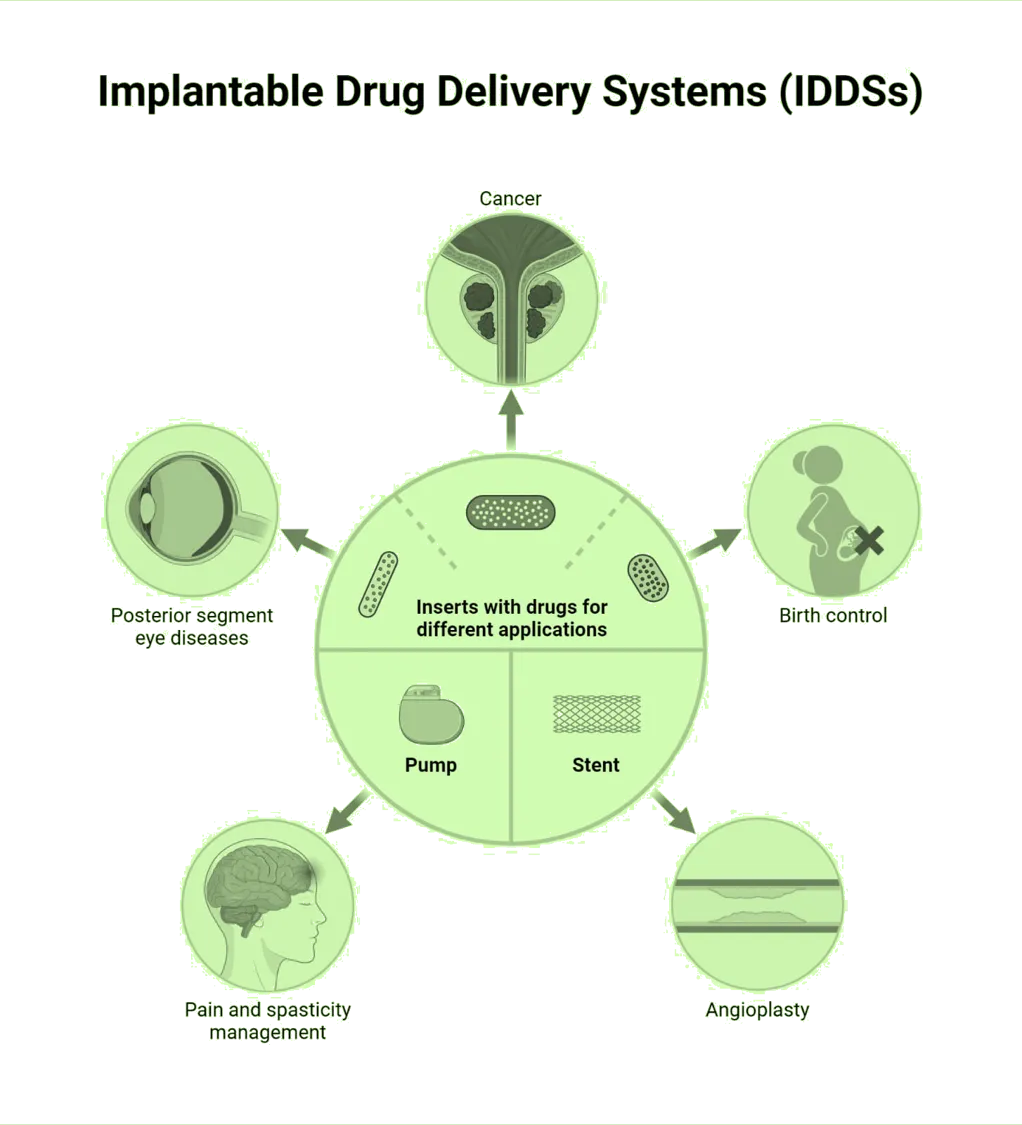
Implantable Drug Delivery Systems:
A medical device designed to be surgically placed inside a person is known as an implantable drug delivery system (IDDS).
Administered directly into patients tissues to boost the therapeutic effect of the delivered substance while improving safety by precisely controlling the timing, rate, and location of drug delivery within the body.[1] They have revolutionized drug administration by enabling targeted, controlled, and sustained release of therapeutic agents. The creation of biocompatible and functional materials has been crucial to the advancement of IDDSs.
Classification of implants
Classifying implantable drug delivery devices isn't straightforward; many complex implants fit into hybrid categories. However, there are two primary categories of drug delivery implants: passive and active/controlled. The first group includes two types of implants: biodegradable and non-biodegradable. In contrast, active systems employ energy-dependent methods capable of providing the force needed to regulate drug release. They are also known as the second group of devices and encompass osmotic pressure gradients and electromechanical drives[7].
Passive Polymeric Implants
These are typically straightforward devices without moving components; they depend on passive diffusion to deliver the drug. They are typically composed of drugs encapsulated in a biocompatible polymer molecule. Factors including drug type and concentration, polymer type, implant design, and surface characteristics can be adjusted to influence the release profile. Passive implants fall into two primary categories: non-biodegradable and biodegradable systems.[7]
Non-Biodegradable Polymeric Implantable Systems
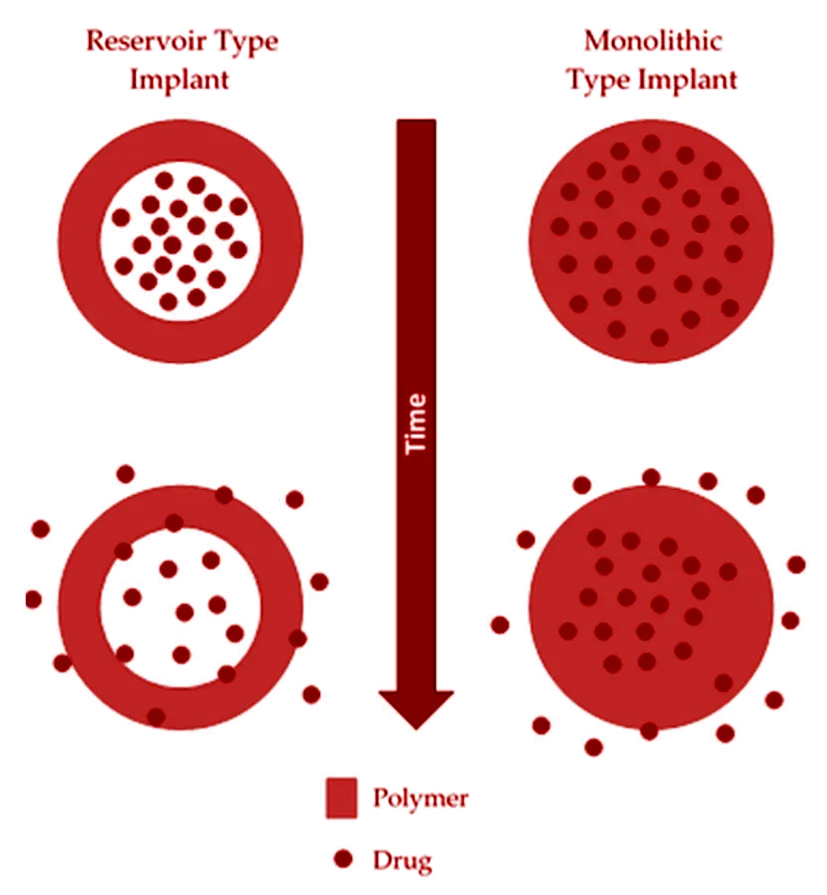
These implants are designed to remain intact in the body without degrading and are intended for long-term use. The implants are typically surgically removed once treatment is finished or when the drug has been fully absorbed.
Non-biodegradable Implants that do not break down naturally are commonly composed of polymers including silicones, poly (urethanes), poly (acrylates), or copolymers such as poly (ethylene vinyl acetate) [3,5,6]. Implants of monolithic or reservoir type (see Figure 1) may be utilized. Monolithic-type implants are composed of a polymer matrix with the drug evenly distributed throughout [5]. Reservoir-type
implants, by contrast, contain a small amount of drug within a permeable, non-biodegradable membrane. The drug release rate will be determined by the membrane's thickness and the drug's permeability through it [6]. To a significant extent, extraordinary use has been made of non-biodegradable implantable drug delivery systems for contraceptive purposes [7]. They are designed to endure, and they are strong and long-lasting. Therefore, a key limitation of non-biodegradable implants is that once they have released their entire drug payload, they must be surgically removed. These materials demonstrate adequate long-term biocompatibility; however, they can occasionally cause infections, tissue damage, or cosmetic disfigurement [7]. They are typically removed after the full drug has been released to prevent any adverse effects.
Mechanisms of Drug Release from Nondegradable Polymeric Matrices:
Drug Release Mechanisms from Nondegradable Polymeric Matrices Reservoir systems offer the advantage of sustaining a fairly steady release rate, regardless of concentration gradients. These are anticipated to be governed by the thickness and permeability of the rate-controlling polymeric membrane and may be achievable in the case of zero-order release. As a result, the driving force for agent release across the membrane stays constant, unlike in direct diffusion, where the driving force varies as the drug concentration continuously changes within the reservoir and on the inner surface of the enclosed membrane [20]. Conversely, drug release from matrix-type devices is more likely to be governed by diffusion distances and the degree of swelling, and is mediated by concentration gradients. Drug delivery systems that are nonerodible and diffusion-controlled are appropriate for most drugs with a molecular weight of 1,000 Daltons or lower. [10]
Materials Used: Titanium, Stainless steel These include silicone, polyethylene, and polyurethane. Dense hydroxyapatite or alumina-based ceramics[9]
Advantages
Limitations
Biodegradable Polymeric Implants
Biodegradable implants use materials that slowly disintegrate into harmless substances within the body after the drug has been released, thereby avoiding the need to remove them after their use.
The issues associated with non-biodegradable implants have been addressed through the creation of biodegradable implants. These devices are fabricated from polymers or block copolymers that degrade into smaller fragments, which are then either excreted or absorbed by the body [7]. Typically, they are fabricated from polymers including poly (caprolactone) (PCL), poly (lactic acid) (PLA), or poly (lactic-co- glycolic acid) (PLGA) [7]. The materials have been thoroughly characterized, and their degradation rate can be easily adjusted to precisely control the drug’s release. One major advantage of this kind of implant is that it can remain in the patient’s body after insertion, since the body will naturally break it down. They can be manufactured using the same designs described in the previous section (monolithic and reservoir-type implants [7]). The sole drawback of this kind of device is that it is harder to manufacture than non-biodegradable versions. The range of usable materials is restricted, and regulatory standards are stricter since the material will stay in the body. Finally, the breakdown of the polymeric matrix is the main process responsible for drug release. However, this can differ significantly from one patient to another.
Mechanisms of Biodegradable Polymeric Implants
The release of a drug from a biodegradable polymeric implant depends on the following mechanisms :
Biodegradable implants are polymeric systems designed to deliver drugs steadily and at a controlled pace, while gradually breaking down within the body eliminating the need for surgical removal once treatment is complete. Following implantation, physiological fluids enter the polymeric matrix and start to degrade the biodegradable polymer. Water infiltrates common polymers such as poly (lactic-co-glycolic acid) (PLGA) and targets the ester bonds in the polymer backbone, causing a gradual reduction in polymer chain length through scission. As degradation progresses, oligomers and monomers are formed, causing the polymer matrix to become increasingly porous. The drug within the implant is subsequently released through a combination of diffusion across the hydrated porous matrix, drug dissolution, and degradation of the polymer. In PLGA-based implants, hydrolysis may become autocatalytic because the acidic byproducts formed as the polymer breaks down can accelerate the ongoing degradation of the polymer. This results in the gradual development of pores and weakening of the polymer structure, enabling sustained drug release from the implant. The speed and degree to which a drug is released are affected by several factors, including polymer composition, molecular weight, the ratio of lactide to glycolide, drug loading, implant shape, porosity, and surrounding environmental conditions. Finally, the degradation products of the biodegradable polymer will break down into smaller molecules that the body can safely metabolize and excrete without causing harm, resulting in the gradual disappearance of the implant over time after the therapeutic agent has been released. Thus, biodegradable implants deliver a sustained therapeutic effect via several mechanisms: water penetration, polymer hydrolysis, pore formation, drug diffusion or dissolution, polymer erosion, biodegradation of the polymer, and removal of the polymeric carrier. [11,12,13]
Materials Used
The polymers employed include PLGA (poly-lactic -co-glycolic acid), PLA (polylactic acid), and PCL (polycaprolactone).
Bioceramics: certain bioactive glasses and hydroxyapatite-based composites[8]
Advantages
Limitations:
Active/Controlled Implantable Drug Delivery Systems
Unlike passive implants, in which the release of the drug is primarily dependent on the formulation and the implant material, active/controlled implants offer more control of the rate, time or amount of drug release. They can be classified into three main groups on the basis of the mechanism of releasing the drug [15,17]
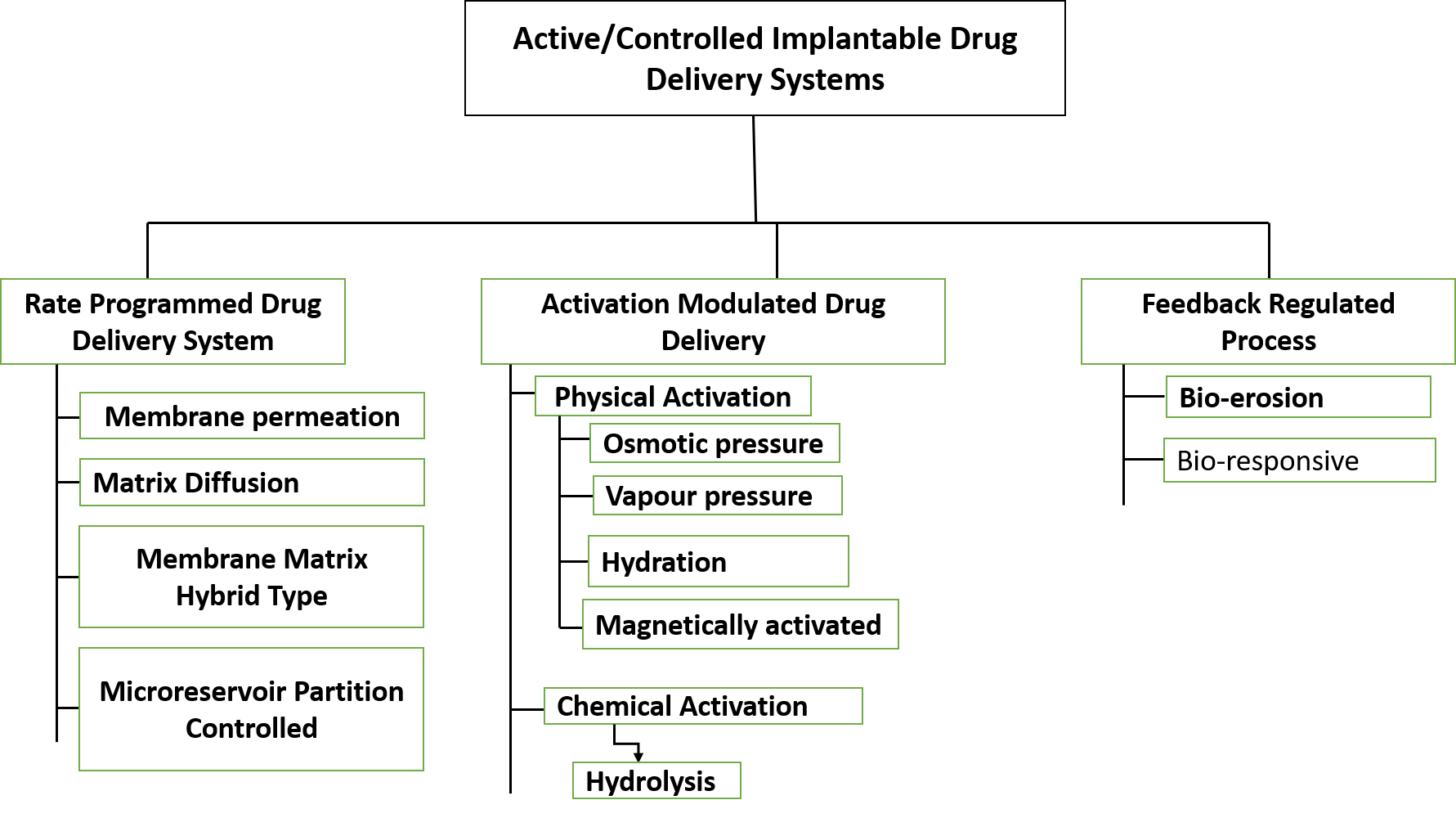
Figure 1: Schematic Representation of Classification of Active/Controlled Implantable Drug Delivery System
A) Drug Delivery Systems Part 1 (Rate-Programmed Drug Delivery)
The drug is released in a predetermined and programmed manner. The implant will once installed into the body have a release rate that is ultimately controlled by the physical design of the implant and not a continuously changing physiological signal.[15,18]
A rate-controlling barrier encircles and/or penetrates the drug reservoir. The barrier controls the flow of the drug molecule from the reservoir to the surrounding tissue or body fluid. The release rate is thus controllable by changing the permeability of the membrane, the thickness of the membrane, the length of the diffusion path, the concentration of the drug, or the geometry or the properties of the matrix. Fixed rate, programmable and osmotic pumps are important types of controlled IDDS described in recent literature.[15,18]
Major mechanisms:
i) Membrane-permeation controlled system
The drug is in a reservoir surrounded by a semipermeable or rate controlling polymeric membrane.[15,18]
Mechanism:
Body fluid comes in contact with the outer membrane, the drug is dissolved in the reservoir, the soluble drug diffuses through the polymer membrane, and the drug would be absorbed by the surrounding tissue.The rate at which the stuff is released is primarily determined by the permeability and thickness of the membrane and the concentration difference between inside and outside.[15,18]
ii) A matrix-diffusion controlled system.
In this case, the drug is uniformly dispersed or dissolved in the polymeric matrix, and not contained in a separate drug reservoir.
Mechanism:
Body fluid enters the polymer matrix, drug dissolves, the dissolved drug molecules go through the polymeric network, and the drug gets to the biological environment.The release is dependent on drug diffusion, polymer structure, drug loading and degradation/swelling of the matrix.The polymeric matrices have been recently reviewed as an important platform for long-term and site-specific drug delivery with solid implantable devices. [15].
iii) Membrane–matrix hybrid system
This is a mixture of reservoir and matrix systems.The drug is embedded in a matrix and there is a further membrane or coating which acts as a rate-controlling barrier. [15]
Mechanism:
Drug release from matrix to flow through controlling membrane to release into surrounding tissue.This offers more control over the release profile and may help to minimize the initial burst release. [15]
iv) Micro-reservoir partition controlled system
The drug is encapsulated in a large number of small reservoirs, each of which is very small and microscopic, and is dispersed in a polymer system. The microsave tanks are like small drugstores. Drug release is by partitioning/diffusion through the surrounding polymeric phase.Such method can achieve controlled and relatively uniform drug release and high drug loading. [15]
B) Activation-modulated drug delivery systems.
Activation-modulated systems deliver the drug in response to a particular activating stimulus encountered by the implant. In contrast to purely predetermined systems, the release can be triggered, sped up, halted, or adjusted by a physical or chemical stimulus. Modern literature frequently refers to these systems as on-demand or stimuli-responsive drug delivery systems. [16,20]
It may be broken down into:
a) Physical activation
i) Osmotic pressure controlled implants
Osmotic pressure controlled implants are part of this general mechanism. So in activation-modulated systems, the release of the drug is triggered, accelerated, slowed or turned ON/OFF by a certain stimulus or activation mechanism. The stimulus can be from a physical source, a chemical reaction or an external energy source. implantable systems that can be triggered to release the drug programmed and on demand through magnetic, electric, ultrasound, NIR and other stimuli. [19]
In some designs, an osmotic implant comprises a drug reservoir and an osmotic agent, which is separated by a movable piston/barrier and is surrounded by a semipermeable membrane.[18,19]
Mechanism:
The semipermeable membrane allows water/body fluid to enter the implant.The osmotic gradient causes the water to flow into the osmotic-agent compartment.The osmotic agent either dissolves or swells.This produces an osmotic pressure.A piston/barrier is moved by the pressure.Compression of the drug reservoir by the piston.Drug solution/suspension ejected via a small delivery orifice.If designed properly, this results in a programmed and nearly constant (zero order) release rate of the drug.[18,19]
Simple mechanism:
In this assembly, the body fluid and the semipermeable membrane are located inside the capsule, which is surrounded by the osmotic agent.In this combination, the body fluid and the semipermeable membrane sit inside the capsule and are surrounded by the osmotic agent.This two-compartment system has been recently described by Elsevier and explained as the body fluid passing into the osmotic-agent compartment and the resulting expansion moving the barrier, and causing hydrostatic pressure to push the drugs through the outlet.This mechanism is of special value in long acting implants, where it may be the dominant one for diffusion-independent, prolonged release of the drug.[15,18,19]
ii) Vapour-pressure activated systems
These systems are based on the principles of evaporation or expansion of a volatile component.
Mechanism:
Upon stimulation by heat or other stimulus, vapor generation occurs, causing pressure to build inside the actuator, which exerts force on a piston/diaphragm to displace the drug from the reservoir and release the drug.This is more applicable to special actuator based systems than to traditional pharmaceutical implants.
iii) Hydration-activated systems :- The activating event is actually the hydration.
Mechanism:
When the body fluid contacts the implant, the polymer or hydrogel absorbs water, resulting in swelling/volume change, the release pathway is opened, or the drug is pushed out, and drug is released or increased.This means that hydration can be used to activate a passive implant into a releasing system.
iv) Magnetically activated systems :- The implant is externally activated by a magnetic field.
Mechanism :
External magnetic field – magnetic component moves/rotates – mechanical component (piston / membrane / valve) is displaced – compression of the drug reservoir / opening – predetermined dose, or amount, of the drug is released.This enables non-invasive, on-demand and pulsatile drug administration. implantable capsule with a defined amount of drug, where the external magnetic field triggered the action of magnetic components to act upon an elastic membrane, thus releasing the drug. It was found that the system made repeat, on-demand release of the drug in vivo. [16,18,19]
A 2022 study in the International Journal of Pharmaceutics also revealed a magnetically actuated implantable device capable of delivering human growth hormone (hGH) without a needle at will.
b) Chemical activation
With chemically activated systems, the release of the drug is regulated by a chemical reaction inside the implant or between the implant and the biological environment.[15,16]
i) Hydrolysis-controlled systems
Hydrolysis is a process in which a polymer is broken down by the addition of water molecules to chemically weak bonds.[15]
Mechanism:
The mechanism of penetration of water → polymer hydrolysis → reduction in molecular weight or structural change → erosion of polymer or increase in permeability of polymer → release of drug Hence the drug can be released gradually as a result of the hydrolytic degradation of the polymer. This mechanism is especially important with the biodegradable implant systems and polymeric controlled release platforms. Polymer degradation and associated release mechanisms are discussed in recent reviews of sustained implant delivery using solid implantable devices. [15]
C) Feedback Regulated Drug Delivery Systems
This is the highest level of category. A feedback-regulated implant does not release the drug at a steady pace or in response to an external stimulus, but rather reacts to information regarding the patient's physiology.The system can thus be seen as a closed-loop drug delivery system.[17,21]
Mechanism
A feedback-regulated implant typically has the following components:The Cell and the stimulus are separated by a sensor, which triggers a controller/response mechanism, which in turn activates a drug reservoir/actuator.A physiological/ pathological signal (such as: glucose concentration,pH,enzyme,concentration/activity,inflammaton,markers,temperature,specific metabolites, Therapies or drug levels.)The system adjusts the rate of release of the drug if the signal exceeds a set threshold.[16,21]
Glucose responsive system:
Rising blood glucose levels lead to insulin being released, which in turn decreases blood glucose levels.When blood glucose rises, it is detected by a responsive material, which changes in a way that allows a drug-release pathway to open or increase, and insulin is released, leading to a decrease in blood glucose.When the glucose level falls, the stimulus decreases and insulin release can subsequently decrease.This is a very important distinction from a traditional fixed-rate implant.
i. Bio-responsive systems :- These are sensitive to internal body signals.
Example: pH-responsive,glucose-responsive,enzyme-responsive,redox-responsive,inflammation-responsve systems. A change in the biological signal will result in a change in the release of the drug which in turn will change the polymer, the hydrogel, the membrane or the actuator.[16,21]
ii.. Bio-erosion-controlled systems :- In this case, the implant material is degraded/eroded by the biological environment over time.
Mechanism:
Body fluid interaction → polymer degradation/erosion → drug exposed to fluid → drug diffuses out of the polymer → continued erosion → additional drug release. This is because the rate of release is dependent on the rate of erosion of the material. [15]
Osmotically Controlled Drug Release System
Principle:
Osmotic drug delivery systems (ODDS) operate on the principle of osmosis, in which water moves across a semipermeable membrane from a region of lower solute concentration to a region of higher solute concentration. An osmotic dosage form typically consists of a drug-containing core enclosed by a semipermeable membrane with one or more precision-drilled delivery orifices. Following oral administration, water from the gastrointestinal fluids permeates through the semipermeable membrane into the core, where it dissolves or suspends the drug and generates osmotic pressure. The resulting pressure drives the drug solution or suspension through the delivery orifice at a controlled and predetermined rate. Because drug release is governed primarily by the osmotic pressure gradient and the permeability of the membrane, it is largely independent of gastrointestinal pH, motility, and the presence of food, thereby providing consistent and predictable drug release with improved therapeutic efficacy.
Materials Used in Formulation of Osmotic Pumps:
A) Semipermeable membrane:
In osmotic systems the membrane is semipermeable, so any material that is permeability to water but not permeable to a typical solute can be preferred [22]. Osmotic pumps often use cellulose acetate, a semipermeable polymer that comes in several grades of acetyl content, the most popular being 32% and 38%. The degree of substitutions (DS), which shows the mean number of hydroxyl groups substituted on The anhydro glucose unit is used to quantify the acetyl content.Cellulose standard diacetate, cellulose triacetate standard, cellulose propionate, cellulose acetate,butyrate, and ethyl cellulose are further appropriate polymers [23]. Semipermeable film-forming materials can be made from a range of polymers, such as cellulose derived compounds, agar acetate, an amylose triacetate standard, beta glucan acetate and poly (lactic acid) derivatives [24]. One of the most important factorsIn choosing these polymers is permeability [25].
B) Hydrophilic and Hydrophobic Polymers:
In medication formulation, osmotic systems use polymers to build matrix cores. While moderately water-soluble chemicals are added to aqueous materials for better controlled release, highly water-soluble compounds are typically entrapped in hydrophobic matrices. Osmotic pumps for water-based medications are typically created using a combination of the two types of polymers [26]. Drug dissolution and release rates determine the choice parameters for drug delivery pumps. Drugs that are somewhat soluble in water are usually treated with swellable polymers, which raise hydrostatic tension when they expand. On the other hand, highly water-soluble medications are better suited for non swellable polymers [27].
C) Wicking Agents
A wicking agent is a substance that attracts water into a delivery device's porous structure,increasing the drug's surface area of contact with the fluid being delivered and speeding up the drug's release. These substances may be non swellable or swellable [28]. Colloid silicon dioxide PVP, and sodium sulphate are examples of wicking agents that can physiosorbed water, a process in which solvent molecules cling weakly to their surfaces via the phenomenon known as Van der Waals contacts. By creating channels that increase the surface area, these agents help move moisture to the tablet's core [29].
D) Solubilizing Agents
Osmotic drug delivery methods can use highly water-soluble medicines because of their high release rate, which is usually zero order. On the other hand, medications with low inherent water solubility works less well in these kinds of systems. However, by adding solubilizing chemicals to the base tablet, these medications' solubility can be greatly increased [30].
E) Osmogens
which dissolve in biological substances after passing via a semipermeable membrane, are essential parts of osmotic formulations. Osmotic pressure created by this disintegration permits the drug to be released thru the delivery aperture. Inorganic substances and carbohydrates, especially chloride of potassium, sodium chloride, and mannitol, are common osmogens. To achieve the ideal osmotic pressure in the system, mixtures containing these osmogens are usually used [31]
F) Surfactants
By forming a composite material that enhances the wall's functionality in drug release devices, surfactants improve wall-forming materials. They control surface energy to improve material integrity and mixing. Glyceryl laurates, polyoxymethylene glyceryl ricinoleate, polyoxymethylene, the oil of castor and glycerol derivatives are common surfactants.
G) Coating solvents
In order to protect core materials, coating solutions for polymeric solutions used in osmotic device manufacture must be inert. Methanol chloride, acetone, ethanol, methanol, butyl alcohol, isopropyl alcohol, ethyl acetate, a cyclohexane, a tetrachloride of carbon, and water are common solvents.
H) Plasticizers
Low molecular mass diluents known as plasticizers are used in pharmaceutical coatings to improve the physical and film-forming qualities of polymers. They have a major impact on viscoelastic behaviour, turning brittle and rigid polymer into softer, more malleable materials that can withstand mechanical stress [32].
I) Pore-forming Agents
When creating regulated porosity osmotic pumps and pumps for medications that are poorly soluble in water, pore-forming agents are essential [33]. The leaching during operation, they help generate microporous membranes that can form in situ. These agents can be solid or liquid, inorganic or organic, and include things like potassium salts, sodium chloride, alkaline earth metals, different types of carbohydrates, and polyols [34].
Types of Osmotic Pumps
1. Rose-Nelson Pump
Osmotic medication delivery was first introduced by Australian scientists Rose and Nelson. They created an implanted pump in 1955 to deliver medications to the guts of cattle and sheep [35]. Three chambers make up the Rose-Nelson implanted pump seen in Figure 2: a medicine chamber, the salt chamber that holds solid salt, and a fluid container. The salt and water chambers are divided by a semipermeable membrane. The variation in osmotic pressure that exists across the membrane affects the flow of water between the water compartment to the salt chamber. Water flow may theoretically increase the capacity of the salt chamber by stretching the rubber diaphragm that separates the drug and salt chambers; ultimately, the drug is pushed out of the apparatus.
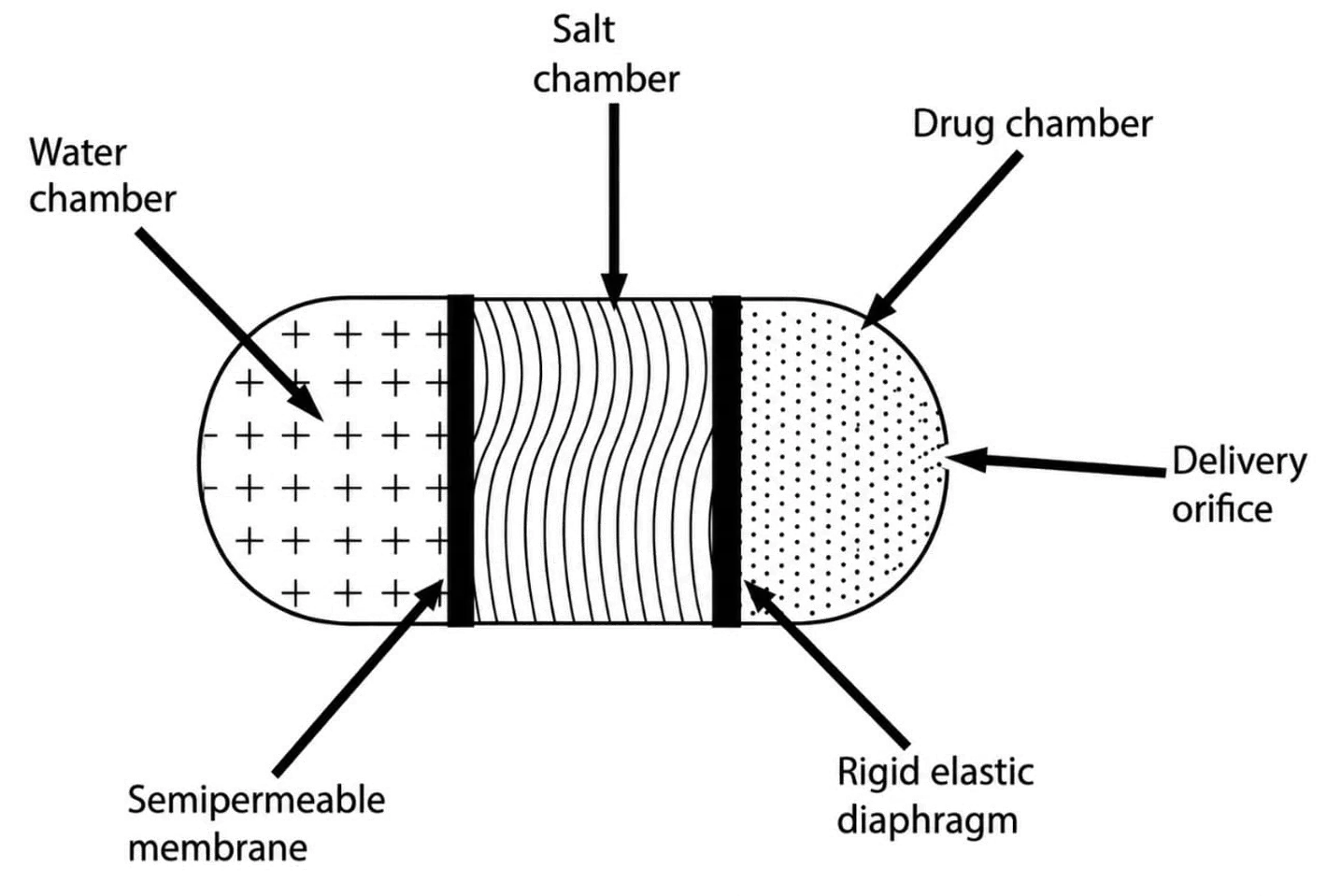
Figure 2: Three Chambered Rose-Nelson Implanted Pump
2. Higuchi-Leeper Osmotic Pump
A variety of Rose-Nelson pump modifications have been developed by Higuchi andLeeper, and these designs are detailed in US patent filings which are the first set of Rose-Nelson pump simplifications produced by the Alza Corporation [36]. Without a water chamber, the Higuchi-Leeper pump is activated by water imbibition from the surrounding environment. Long-term storage and pre-loading with medications are made possible by this architecture. It has a salt compartment with a fluid solution, semi-permeable membrane, and stiff housing. MgSO4 is dissolved by biological fluid, creating osmotic pressure that drives a separator and releases the medication. It is mostly employed in veterinary medicine, where it is implanted to give animals growth hormones or antibiotics [37]. As shown in Figure 3, a Higuchi Leeper -type pumps can be used to achieve pulsatile medication delivery. Using this technique, an aperture is drilled into elastic material, a material which opens when osmotic pressure is applied. The orifice opens to release the medicine when an extreme pressure is achieved, and it closes when the pressure drops, resulting in a process of pulsatile drug delivery. In the event that there is insufficient osmotic pressure, the opening must be small enough to stay closed [38].
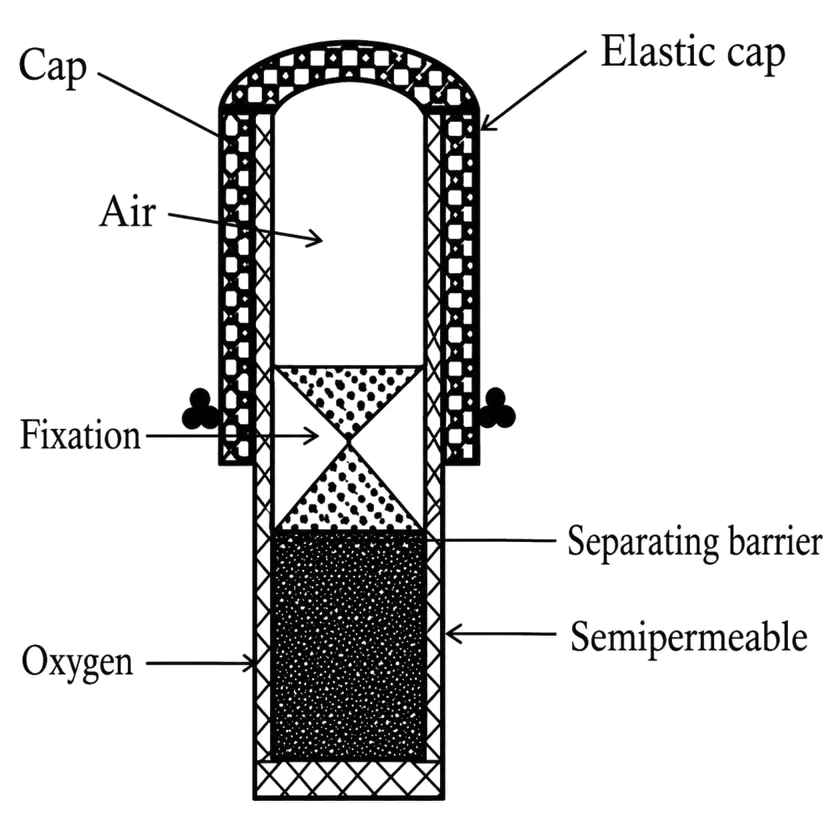
Figure 3: Higuchi-Leeper Osmotic Pump
3. Higuchi-Theeuwes Osmotic Pump
In the early 1970s, Higuchi and Theeuwes created a Rose-Nelson pump variation that was even easier than the Higuchi-Leeper pump [39]. A semipermeable membrane made up the stiff casing of this apparatus. This membrane is robust enough to endure the pumping pressure created inside the apparatus as a result of water imbibition. Because the medication is only placed into the device before it is applied, the device can be stored for a longer period of time. The permeability properties of the outermost membrane and the salt employed in the salty chamber control the drug's release from the device [40]. These small osmotic pumps were manufactured by Alza Technologies in 1976 and are sold under the brand name Alzet. In experimental research when continuous medication administration is necessary, they are commonly employed as implanted controlled release delivery devices.
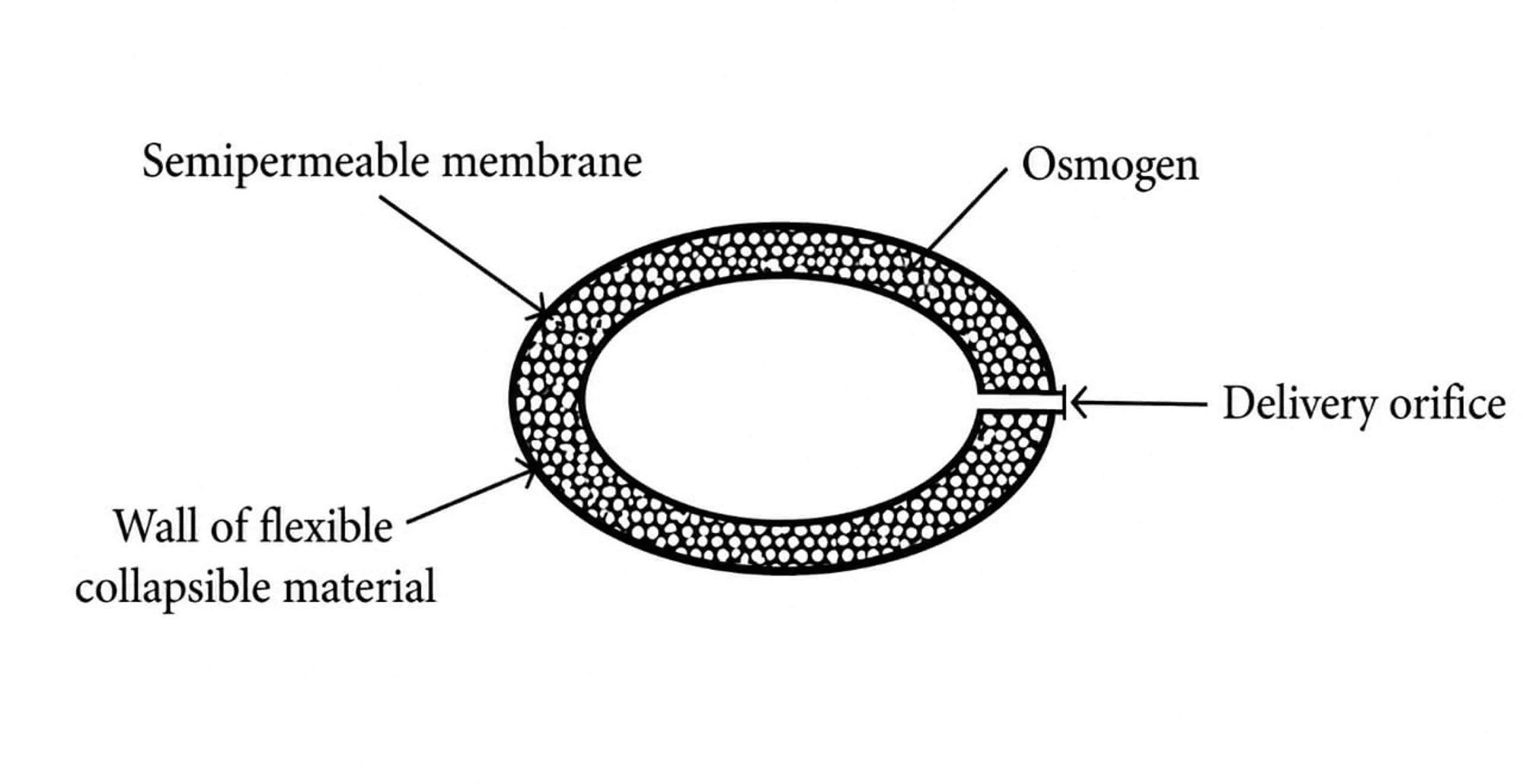
Figure 4: Higuchi-Theeuwes Osmotic Pump
4. Elementary Osmotic Pump (EOP)
The basic osmotic pump was created by further simplifying the Rose-Nelson pump [41]. It established osmotic administration as a key strategy for attaining regulated medication release. Theeuwes created the basic osmotic pump depicted in Figure 5 in 1974. It is essentially a tablet that is coated with a semi-permeable membrane, often cellulose acetate, and contains an active chemical with an appropriate osmotic pressure [42]. A membrane-coated tablet has a tiny hole drilled in it. Osmotic pressure pulls water thru the semi-permeable coating when it comes into contact with water, resulting in a saturated medication solution inside. The saturated solution exits thru the orifice as a result of the nonextensile membrane's increased hydrostatic pressure [43].
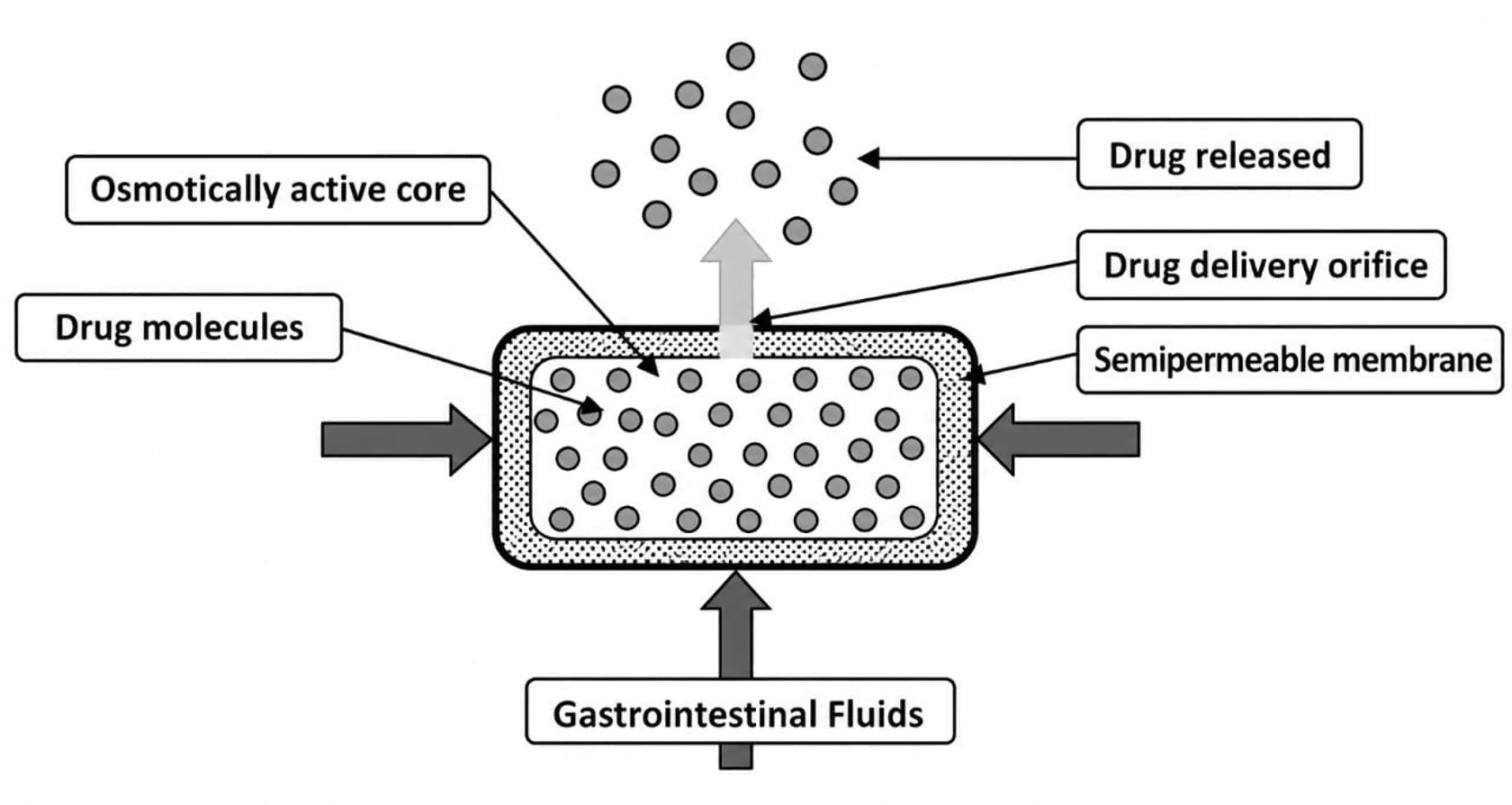
Figure 5: Elementary Osmotic Pump (EOP)
5. Push-Pull Osmotic Pump (PPOP)
An adaptation of EOP is the push-pull osmotic pump (Figure 6). Both highly and weakly water-soluble medications are supplied at a steady pace using a push-pull osmotic pump. This technology is similar to a typical tablet with a bilayer coating. The medicine is formulated with polymeric osmosis agent, and other tablets excipients in one coating (the upper layer). This polymer osmotic agent can create an in situ medication suspension. Osmotic and colouring agents, polymer, and tablet excipients are present in the other layer when this tablet subsequently absorbs water. To create a single bilayer core, these layers are created and joined via tablet compression. After that, a semipermeable membrane is applied to the tablet core. On the tablet's drug layer side, a tiny hole is drilled thru the membrane using a laser or motorized drill after a coating has been placed. An osmosis agent in both layers draws water into the tablet when the apparatus is submerged in water. Water is drawn into the compartment by the drug layer's osmotic attraction, creating an in situ drug suspension. The drug suspension is forced out of the delivery aperture as the nondrug layer expands volumetrically due to the osmotic reagent in the non-drug layer simultaneously pulling water into that compartment [44].
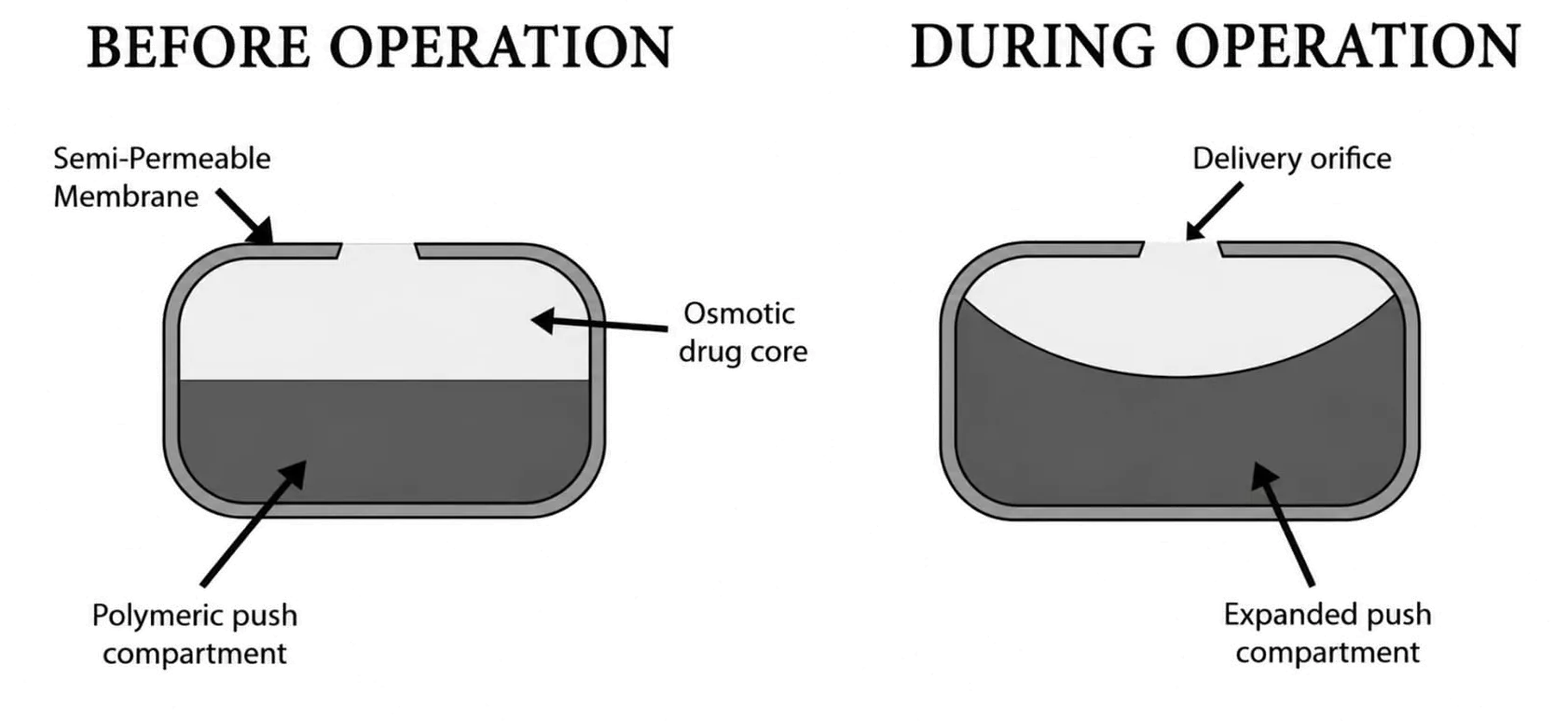
Figure 6: Push-Pull Osmotic Pump (PPOP)
6. Controlled Porosity Osmotic Pump (CPOP)
The regulated permeability osmotic pump (CPOP) is shown in Figure 7. The delivery channels (holes) in this osmotic tablet are created in situ by the leaching of water-soluble pore-forming chemicals (such as urea, nicotinamide sorbitol, etc.) integrated into the semipermeable membrane (SPM). A number of variables, including coating thickness, drug solubility in tablet core, amount of leachable porous forming agent or agents, and the pressure of osmotic fluid differential across the membrane, affect the drug rate of release from CPOP [45]. The CPOP approach has a number of clear benefits. Because the medication flows from the entire surface of the device rather than just one hole, stomach discomfort issues are significantly decreased [46]. Furthermore, since the holes are created in situ, no complex laser-drilling equipment is needed. The drug release phenomena from a typical CPOP are described in the scheme [47].
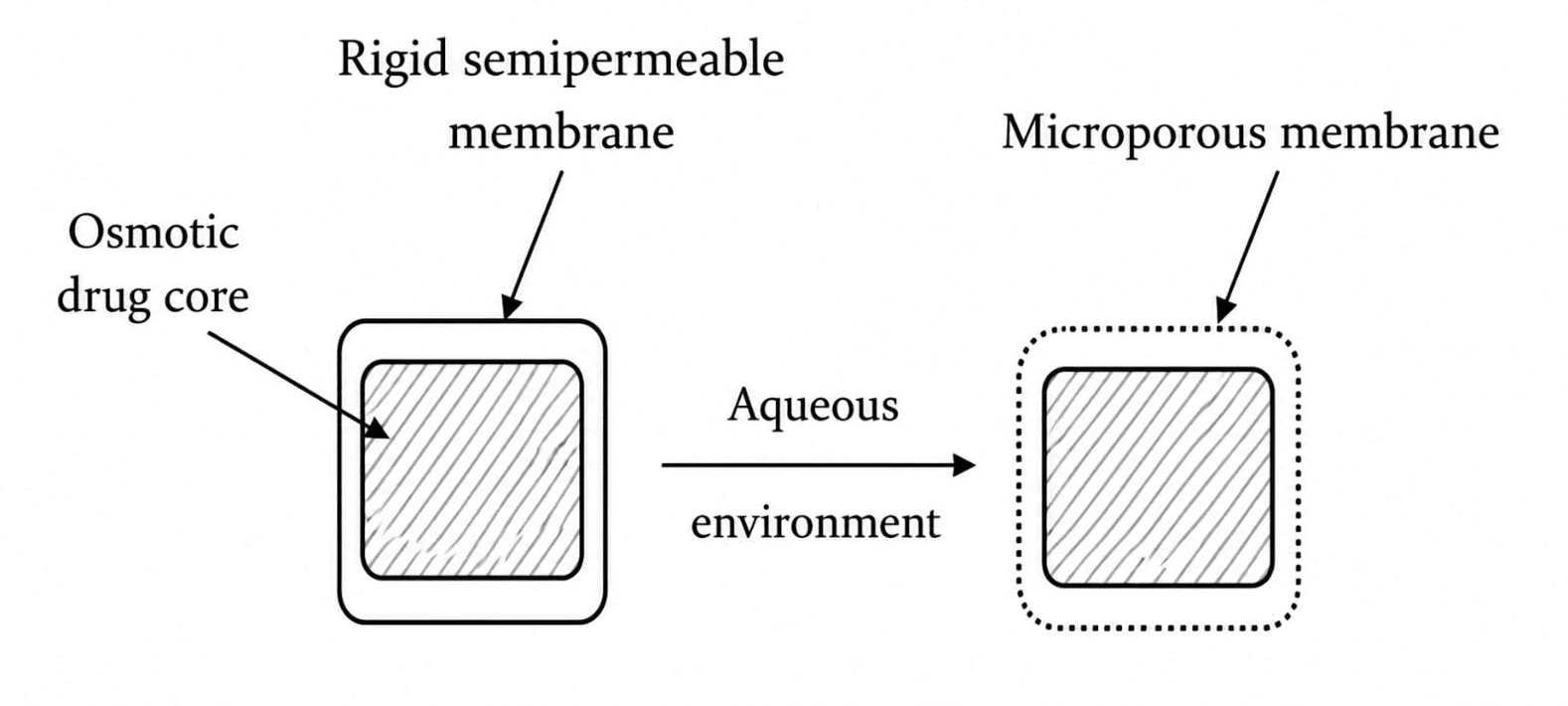
Figure 7: Controlled Porosity Osmotic Pump (CPOP)
7. Liquid-Oral Osmotic (L-OROS) System
The L-OROS , A standard L-OROS soft cap standard, and a delaying fluid bolus delivery system are some of the L-OROS systems that can be used to distribute liquid drug formulations under regulated conditions. These systems consist of a semipermeable membrane coating, an ionic engine or push layer, and a liquid medication layer. Water passes thru the rate-regulating barrier and triggers the osmotic layer when the system comes into touch with the watery environment [48]. The emergence of hydrostatic pressure within the system as a result of the osmotic layer's expansion forces the formulation of the liquid to be released at the distribution orifice. The L-OROS postponed liquid bolus system of delivery is intended to administer a pulse of liquid medication, in contrast to the L-OROS based hard cap and L-OROS based soft cap systems, which are intended to give continuous drug delivery [49].
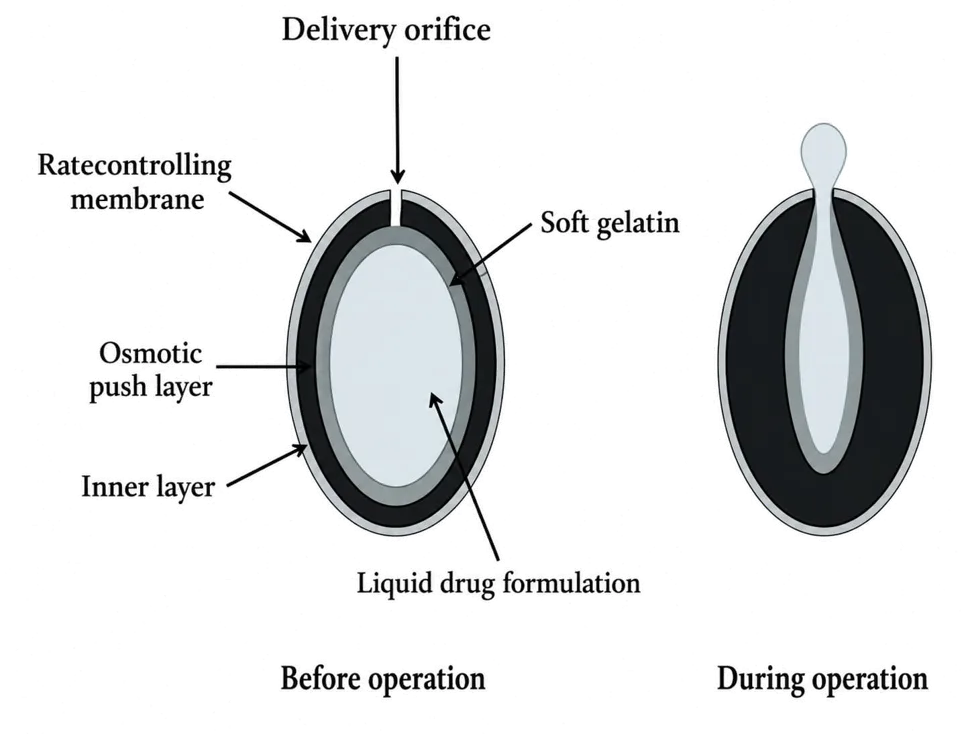
Figure 8: Liquid-Oral Osmotic (L-OROS) System
8. Sandwiched Osmotic Tablet (SOT)
A polymeric push layer is positioned between the two drug films containing two delivery orifices in a sandwiched osmotic tablet, as seen in Figure 9. The sandwiched osmotic tablets (SOTS) can be appropriate for medications that are likely to cause local inflammation of the stomach mucosa because when the tablet is placed in a solution of water, the centre push layer that contains the swelling agents becomes larger and the drug is discharged from the two cavities on either side of the tablet [49].
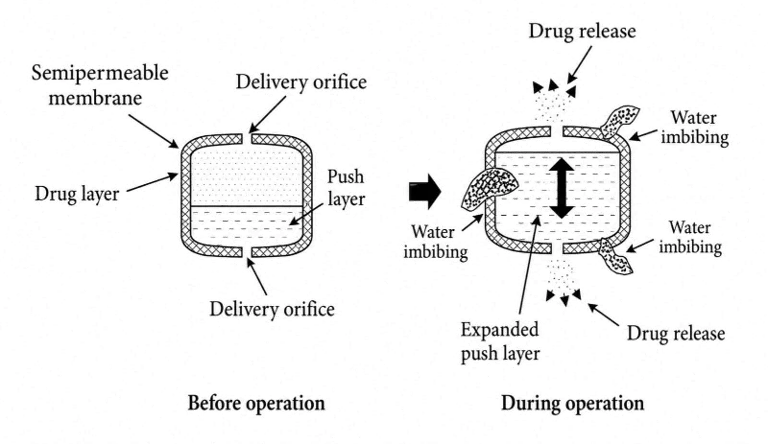
Figure 9: Sandwiched Osmotic Tablet (SOT)
Innovations In A Implantable Osmotic Drug Delivery :
Table 1: Innovations in a Implantable Osmotic Drug Delivery
| Emerging innovation | Principle / advancement | Representative development | Therapeutic significance | Key limitation | Ref. |
|---|---|---|---|---|---|
| Polymer-free drug implants | Drug dimers form self-contained implants and release drug by surface erosion. | Dexamethasone dimer implants achieved >6-month ocular drug delivery in animals. | High drug loading, reduced excipients and polymer-related inflammation. | Biocompatibility, manufacturing and clinical validation. | [50] |
| Stimuli-responsive systems | Respond to endogenous or external stimuli for programmed release. | Stimuli-responsive implants investigated for controlled cancer therapy. | On-demand release with reduced systemic toxicity. | Material complexity, safety and precise stimulus control. | [51] |
| Self-regulated micro/nanodevices | Sensors detect physiological changes and regulate drug output. | Micro/nanodevices developed for feedback-controlled therapy. | Enables personalized, real-time therapy. | Sensor stability, calibration, power and regulation. | [52] |
| Dynamic/soft-robotic implants | Mechanical actuation improves mass transport and reduces fibrosis. | Mechanically actuated insulin delivery demonstrated for 8 weeks. | Reduces foreign-body response and fibrotic barriers. | Miniaturization, durability and tissue compatibility. | [53] |
| Wireless drug-delivery implants | Remote communication and actuation control drug release. | Wireless neural probes enabled drug delivery and monitoring in animals. | Remote dosing with simultaneous monitoring. | Power transfer, size, heating and long-term safety. | [54] |
| Battery-less/autonomous implants | Wireless energy harvesting enables autonomous operation. | Battery-less implant demonstrated feedback-driven pharmacological intervention. | Smaller devices with reduced maintenance and autonomous therapy. | Limited energy, communication range and translation. | [55] |
| Optical/photonic platforms | Optical fibers enable localized drug delivery and monitoring. | Implantable optical systems investigated for immunotherapy and tumor monitoring. | Combines localized therapy with sensing. | Optical safety, fibrosis and long-term stability. | [56] |
| 3D-printed implants | Additive manufacturing controls geometry, drug loading and release. | 3D printing enables customized implantable delivery devices. | Patient-specific designs and customized release profiles. | Materials, reproducibility, sterilization and scale-up. | [57] |
| Nanotechnology-enabled systems | Nanostructures improve drug loading, targeting and release. | Nanotechnology integrated with advanced implantable delivery platforms. | Useful for localized anticancer and anti-inflammatory therapy. | Nanotoxicity, aggregation and manufacturing. | [58] |
| Biosensor-integrated systems | Biosensors monitor biomarkers and physiological parameters to regulate therapy. | Closed-loop implantable therapeutic systems under development. | Real-time monitoring and individualized treatment. | Biofouling, signal drift and power integration. | [59] |
| Long-acting/remotely controlled implants | Reservoir or pump systems provide prolonged and adjustable release. | Miniaturized and remotely controlled long-acting implants. | Reduces dosing frequency and improves treatment flexibility. | Implantation, device failure, cost and regulation. | [60] |
Clinical Applications of an implantable drug delivery system:
Contraceptives:
Implantable contraceptive systems have shown remarkable success in providing long-term,reversible contraception. These systems typically utilize hormone-releasing polymeric implants placed subdermally, delivering controlled doses of progestins over extended periods. Modern contraceptive implants incorporate advanced polymer technologies to achieve consistent hormone release rates while minimizing local tissue reactions [61].
Pain Management
Implantable systems for chronic pain management deliver analgesic medications directly to specific anatomical sites. These systems particularly benefit patients requiring long-term pain control, such as those with chronic back pain or cancer-related pain. The targeted delivery approach minimizes systemic exposure to analgesics while maintaining effective local drug concentrations [62].
Cancer Therapy
Cancer therapy applications utilize implantable systems to deliver chemotherapeutic agents directly to tumor sites. This approach enables higher local drug concentrations while reducing systemic toxicity. Advanced systems incorporate multiple drug reservoirs, allowing combination therapy delivery with precise temporal control [63].
Neurological Disorders
Implantable systems for neurological disorders focus on delivering therapeutic agents across the blood-brain barrier. These applications require particularly precise control over drug release rates and distribution patterns. Modern systems incorporate advanced materials designed to minimize glial scarring and maintain long-term functionality in the central nervous system environment [64].
Endocrine Disorders
The treatment of endocrine disorders benefits from implantable systems capable of maintaining steady hormone levels. These applications require sophisticated control mechanisms to match physiological hormone patterns. Recent developments include feedback-controlled systems that respond to real-time measurements of hormone levels [65].
Advantages and Limitations
Therapeutic Benefits
Implantable drug delivery systems offer significant therapeutic advantages compared to conventional administration routes. The sustained release profiles maintain drug concentrations within therapeutic windows, minimizing fluctuations associated with periodic dosing. Direct delivery to target tissues enables higher local drug concentrations while reducing systemic exposure, resulting in improved therapeutic indices [66].
The bypass of first-pass metabolism enhances bioavailability for many compounds, allowing reduced total drug doses. Additionally, the elimination of frequent dosing requirements significantly improves patient compliance, particularly crucial in chronic conditions requiring long-term therapy [67].
Clinical Efficiency
The long-term drug delivery capability of implantable systems reduces healthcare resource utilization by minimizing the frequency of clinical interventions. Precise dosing control and predictable release kinetics enable better therapeutic management and reduced monitoring requirements. The systems also provide healthcare providers with improved control over treatment adherence and outcomes [68].
Limitations
Despite their advantages, implantable systems face several technical challenges. The requirement for surgical intervention during placement and removal introduces procedural risks and potential complications. Material limitations can affect long-term stability and release consistency, particularly in biodegradable systems where degradation kinetics may vary among patients [69]. The clinical application of implantable systems requires careful patient selection and monitoring. Potential complications include infection risks,tissue reactions, and implant migration. The semi-permanent nature of some systems can complicate treatment modification or discontinuation when adverse effects occur [70].
REFERENCES






S. Bhusagare, P. Chaudhari, H. Chandane, S. Lande, Y. Birar, Vishal Jat, Implantable Drug Delivery Systems: Innovations in Long-Acting Therapeutics & Osmotically Controlled Drug Release, Int. J. of Pharm. Sci., 2026, Vol 4, Issue 10, 3778-3796. https://doi.org/10.5281/zenodo.23640864
 10.5281/zenodo.23640864