

We use cookies to ensure our website works properly and to personalise your experience. Cookies policy
Department of Pharmacology, National College of Pharmacy, Shivamogga , Karnataka, India 577201
Oral minoxidil is increasingly used off-label for androgenetic alopecia; however, its potent vasodilatory effects raise concerns regarding potential cardiovascular adverse events. This study investigated the association between oral minoxidil and cardiac adverse events using pharmacovigilance data and evaluated patient-level risk factors through machine learning techniques. A retrospective analysis was conducted using the U.S. Food and Drug Administration Adverse Event Reporting System (FAERS) database from January 2014 to the 2025 release. Cardiac adverse events were identified using standardized MedDRA Preferred Terms, and signal detection was performed using Reporting Odds Ratio (ROR) and Proportional Reporting Ratio (PRR). To improve risk stratification, Random Forest and Gradient Boosting Machine models were developed, with class imbalance addressed using the Synthetic Minority Over-sampling Technique (SMOTE). Among 61,223 reports screened, 614 met the inclusion criteria, of which 276 (45.0%) involved cardiac adverse events. Disproportionality analysis identified a strong association between oral minoxidil and cardiac events (ROR 314.7; 95% CI 272.8-363.0; PRR 198.6). The Random Forest model demonstrated better predictive performance than the Gradient Boosting model (AUC-ROC 0.798 vs. 0.686), while increasing age emerged as the most influential predictor of cardiovascular risk. These findings suggest a significant association between oral minoxidil and cardiac adverse events. Furthermore, the integration of disproportionality analysis with machine learning provided a robust methodological framework for generating well-defined and clinically meaningful safety signals, enhancing risk prediction and supporting future pharmacovigilance research and decision-making.
Minoxidil is a potent arterial vasodilator that was originally developed for treating severe and resistant hypertension. Its antihypertensive effect is mediated by the activation of adenosine triphosphate–sensitive potassium channels in vascular smooth muscle, resulting in reduced peripheral vascular resistance and vasodilation¹. Although its systemic use for hypertension has declined, minoxidil gained widespread recognition for its stimulatory effects on hair growth, leading to extensive use of topical formulations and, more recently, low-dose oral minoxidil for the management of androgenetic alopecia in both men and women²,³.
Despite its long history of clinical use, systemic exposure to minoxidil is associated with clinically relevant cardiovascular adverse effects (AEs). Reported reactions include tachycardia, fluid retention, peripheral edema, pericardial effusion, and exacerbation of pre-existing cardiac disease, largely attributable to reflex sympathetic activation and sodium–water retention following vasodilation⁴,⁵. Although topical formulations are generally considered safer, the increasing off-label use of low-dose oral minoxidil has renewed concerns regarding cardiovascular safety, particularly among older individuals and those with underlying cardiovascular risk factors³,⁶.
Post-marketing pharmacovigilance systems play a critical role in identifying rare, delayed, or population-specific adverse drug reactions that may not be detected in pre-approval clinical trials. The U.S. Food and Drug Administration Adverse Event Reporting System (FAERS) is one of the largest spontaneous reporting databases worldwide and serves as a cornerstone for safety signal detection⁷. Conventional disproportionality methods, such as the reporting odds ratio (ROR) and proportional reporting ratio (PRR), are widely used to identify potential drug–event associations by comparing observed and expected reporting frequencies⁸. However, these methods primarily operate at an aggregate level and do not adequately account for patient-level heterogeneity or complex interactions among demographic and clinical variables.
In recent years, Machine-learning approaches have been increasingly explored as complementary tools in pharmacovigilance to address these limitations. Ensemble methods such as Random Forest (RF) and Gradient Boosting Machine (GBM) are particularly well suited for spontaneous reporting data, as they can model non-linear relationships, handle high-dimensional predictors, and remain robust in the presence of noise and class imbalance.⁹,¹¹ Previous studies have demonstrated that tree-based ensemble models can enhance adverse event classification and improve signal characterization when applied in conjunction with traditional disproportionality analyses.¹⁰,¹¹,16
Given the growing use of oral minoxidil and the clinical importance of its cardiovascular effects, a comprehensive evaluation of cardiac safety signals is warranted. This study employed a two-stage analytical framework using FAERS data. First, a disproportionality analysis was conducted to identify population-level cardiac adverse event signals associated with minoxidil. Second, Machine-learning models, specifically Random Forest and Gradient Boosting Machine algorithms, were applied to assess patient-level risk patterns based on demographic and reporting characteristics. By integrating conventional pharmacovigilance methods with advanced Machine-learning techniques, this study aimed to provide a more nuanced and clinically meaningful assessment of minoxidil-associated cardiac safety in real-world settings.
METHODOLOGY
Data source:
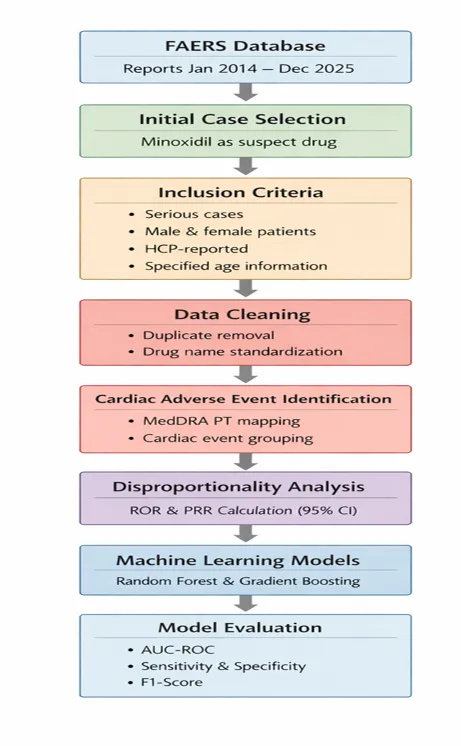
Figure 1. Overview of the study design and analytical workflow.
The Food and Drug Administration Adverse Event Reporting System (FAERS) was used as the data source for this retrospective pharmacovigilance study. Individual case safety reports submitted between January 2014 and the latest available FAERS release in 2025 were extracted from databases. The analysis was restricted to serious and expedited reports involving male and female patients, submitted by healthcare professionals, and cases with specified patient age information to ensure reliable demographic assessment. A cross-sectional study design was adopted to evaluate the real-world cardiac safety signals associated with oral minoxidil exposure using patient-level adverse event data. The overall study design, including FAERS data extraction, data selection process, and analytical workflow employed in this study is presented in Fig.1
Cardiac Adverse Event Identification
Cardiac adverse events were identified using the Medical Dictionary for Regulatory Activities (MedDRA) (version 26.0). Reported reaction terms were mapped to MedDRA Preferred Terms (PTs) to ensure standardized classification, including terms such as angina pectoris, electrocardiogram QT prolonged, sinus arrest, pericardial effusion, and cardiac tamponade. Where appropriate, related PTs were grouped under higher-level terms (HLTs), such as ischemic coronary artery disorders and cardiac conduction disorders, to improve clinical interpretability and reduce fragmentation. Each report was subsequently categorized based on the presence or absence of a cardiac adverse event, forming a binary outcome variable for downstream statistical and machine-learning analyses.
Disproportionality Analysis:
Disproportionality analysis was conducted as an initial signal detection step to evaluate the association between oral minoxidil and cardiac adverse events. Reporting Odds Ratio (ROR) and Proportional Reporting Ratio (PRR) were calculated using standard 2×2 contingency tables, along with corresponding 95% confidence intervals. Confidence intervals for the PRR were not calculated, consistent with prior pharmacovigilance signal detection studies. These measures were used to identify aggregate reporting signals at the population level; however, they were not designed to account for patient-level heterogeneity or complex interactions among risk factors, thereby motivating the subsequent application of Machine-learning models.
Machine-learning Analysis:
A supervised Machine-learning approach was employed to model patient-level cardiac risk associated with oral minoxidil exposure. The dataset comprised demographic and report-level variables derived from FAERS reports. All data preprocessing and model development were performed using R software (R Foundation for Statistical Computing, version 4.x).
Given the presence of class imbalance between cardiac and non-cardiac adverse event reports, the Synthetic Minority Over-sampling Technique (SMOTE) was applied exclusively to the training dataset to enhance minority class representation. The test dataset was left unchanged to prevent information leakage and to ensure an unbiased model evaluation.
Random Forest and Gradient Boosting Machine models were subsequently trained using stratified train–test splits to preserve outcome proportions, with cross-validation employed for hyperparameter tuning and overfitting control.
Statistical evaluation:
The model performance was evaluated using accuracy, sensitivity, specificity, F1-score, and area under the receiver operating characteristic curve (AUC-ROC). A comparative assessment of the Random Forest and Gradient Boosting Machine models was performed on the held-out test dataset. Feature importance analysis was conducted to identify the key predictors contributing to the cardiac adverse event classification.
RESULTS:
Study Population :
Table 1. Characteristics of the study population
|
Characteristic |
Overall (n = 614) |
Cardiac adverse events (n = 276) |
Non-cardiac adverse events (n = 338) |
|
Reports screened |
61,223 |
976 |
60,247 |
|
Reports included |
614 (100%) |
276 (45.0%) |
338 (55.0%) |
|
Age, years |
|||
|
Median (IQR) |
55 (36–66) |
55 (43.5–72) |
52.5 (36–64) |
|
Sex, n (%) |
|||
|
Male |
166 (60.8%) |
33 (52.4%) |
133 (63.3%) |
|
Female |
107 (39.2%) |
30 (47.6%) |
77 (36.7%) |
Table.1 summarizes the demographic characteristics of the study population included in the final analysis. Of the 61,223 FAERS reports initially screened, 614 reports met the predefined inclusion criteria and were analyzed; among these, 276 (45.0%) reported at least one cardiac adverse event and 338 (55.0%) reported non-cardiac adverse events. The median age of the overall study population was 55 years (interquartile range [IQR], 36–66). Patients who reported cardiac adverse events tended to be older than those without cardiac events, as indicated by a broader interquartile range. Male patients constituted a larger proportion of the included reports (60.8%), although both sexes were represented across cardiac and non-cardiac groups. For Machine-learning analyses, inclusion was restricted to reports with complete covariate data, resulting in minor discrepancies between overall demographic counts and the sex-specific case numbers used in model development.
Disproportionality analysis:
Table 2. Disproportionality analysis for cardiac adverse events associated with minoxidil
|
Measure |
Value |
95% Confidence Interval |
|
Reporting Odds Ratio (ROR) |
314.7 |
272.8–363.0 |
|
Proportional Reporting Ratio (PRR) |
198.6 |
Not applicable |
|
Chi-square (χ²) |
≈ 45,700 |
Not applicable |
Disproportionality analysis demonstrated a marked reporting association between oral minoxidil and cardiac adverse events Table.2. The Reporting Odds Ratio (ROR) was 314.7, with a 95% confidence interval of 272.8–363.0, exceeding the established signal detection thresholds (ROR ≥ 2, with a lower confidence interval > 1). The Proportional Reporting Ratio (PRR) was 198.6, well above the conventional threshold for disproportionate reporting (PRR ≥ 2). In addition, the chi-square statistic was substantially elevated (χ² ≈ 45,700), meeting standard criteria for signal detection (χ² ≥ 4). Such extreme disproportionality values likely reflect reporting enrichment and channeling effects rather than magnitude of clinical risk.
Machine-learning model performance:
The performance of the supervised Machine-learning models in distinguishing cardiac from non-cardiac adverse event reports is presented in Table 3. To address the potential class imbalance between cardiac and non-cardiac adverse event reports, stratified train–test splitting was applied to preserve the outcome proportions during model training and evaluation. The Gradient Boosting Machine demonstrated moderate discriminative ability, achieving an area under the receiver operating characteristic curve (AUC-ROC) of 0.6863, as illustrated in Figure 2. At the optimal classification threshold determined using the Youden index, the model yielded a sensitivity of 0.45, specificity of 0.8548, and F1-score of 0.474.
In contrast, the Random Forest model exhibited superior predictive performance. The model achieved an AUC-ROC of 0.7984, as shown in Figure 3, indicating improved discrimination between cardiac and noncardiac adverse event reports. At the optimal classification threshold, Random Forest demonstrated a sensitivity of 0.60, specificity of 0.9032, and F1-score of 0.632, reflecting a stronger balance between precision and recall than the Gradient Boosting Machine.
Table 3. Performance of Machine-learning models for prediction of cardiac adverse events
|
Model |
AUC-ROC |
Sensitivity |
Specificity |
F1-score |
|
Gradient Boosting Machine |
0.6863 |
0.45 |
0.8548 |
0.474 |
|
Random Forest |
0.7984 |
0.60 |
0.9032 |
0.632 |
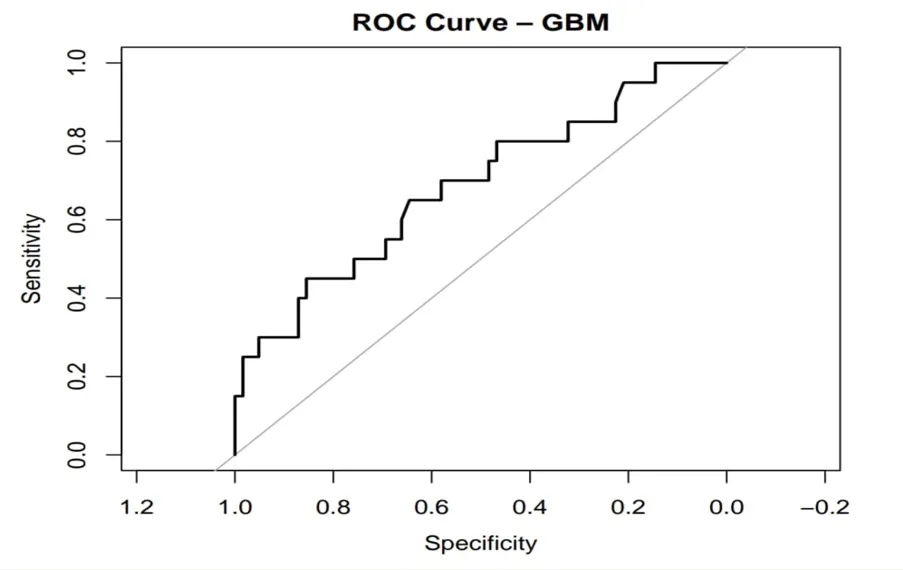
Figure 2. ROC curve for the Gradient Boosting Machine
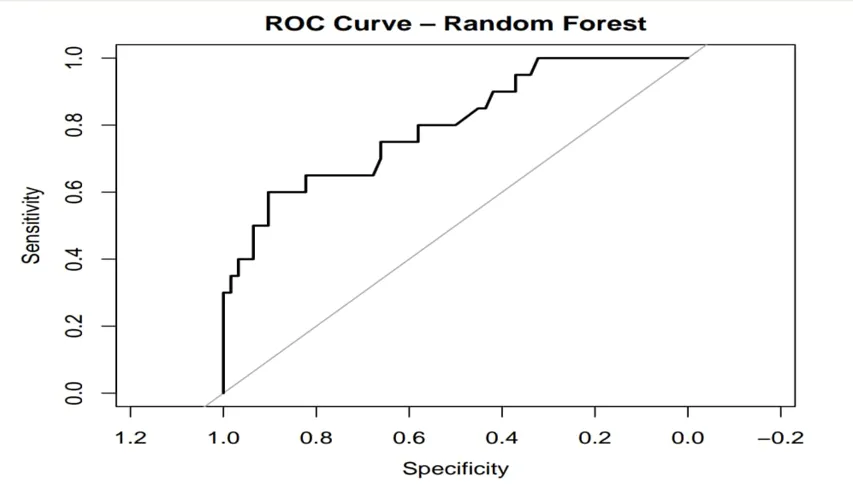
Figure 3. ROC curve for the Random Forest model
Feature Importance Analysis:
The feature importance analysis derived from the Random Forest model is presented in Figure 4. Among the variables included in the model, patient age demonstrated the highest relative contribution to the classification of adverse cardiac event reports. This finding was consistent across model outputs, indicating that age played a dominant role in distinguishing cardiac from non-cardiac adverse event reports in the analyzed FAERS dataset. In contrast, the remaining variables contributed comparatively less to overall model performance. Importantly, feature importance reflects a variable’s contribution to classification within the model and should not be interpreted as evidence of a causal relationship.
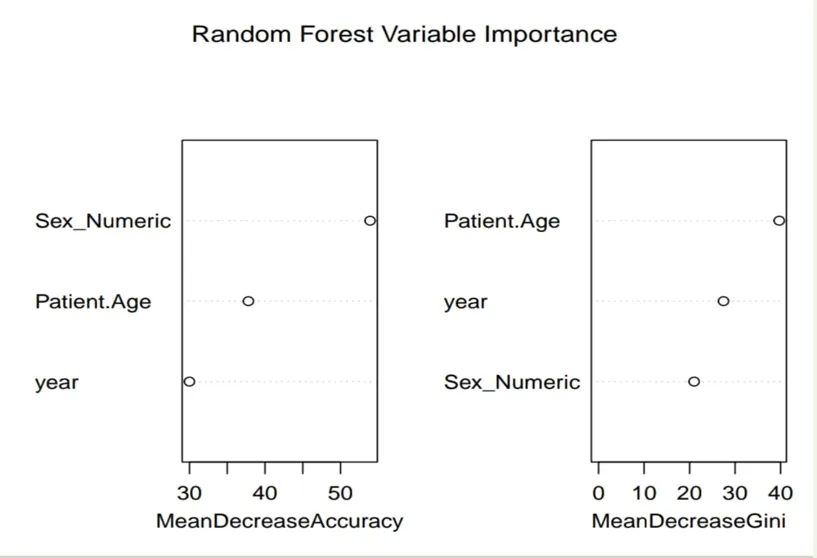
Figure 4. Variable importance plot from the Random Forest model
DISCUSSION
The present study applied an integrated pharmacovigilance framework combining disproportionality analysis and Machine-learning to evaluate cardiac adverse event reporting associated with oral minoxidil using FAERS data. Spontaneous reporting systems such as FAERS are widely used for post-marketing drug safety surveillance, although their utility is primarily hypothesis-generating due to underreporting, reporting bias, and lack of denominator data.17,18 The use of complementary analytical approaches has been recommended to address the inherent limitations of spontaneous reporting systems, where traditional signal detection methods alone may not fully capture patient-level heterogeneity or complex reporting patterns.8,9,12,16
The disproportionality analysis revealed markedly elevated Reporting Odds Ratio (ROR) and Proportional Reporting Ratio (PRR) values for cardiac adverse events associated with minoxidil. Disproportionality measures derived from spontaneous reporting databases are designed for hypothesis generation rather than estimation of incidence or causality, and elevated values primarily reflect disproportionate reporting relative to other drugs and events.8,9 Previous methodological studies have demonstrated that such signals are useful for early detection of potential safety concerns but require further evaluation using complementary analytical strategies or independent data sources.8,12 Accordingly, the disproportionality findings in the present study should be interpreted as indicative of a reporting signal rather than evidence of causal association.
Recent pharmacoepidemiological studies have shown that machine learning approaches can complement traditional disproportionality methods by modeling non-linear relationships and incorporating multiple report-level features simultaneously9,19. In this study, the Random Forest model demonstrated superior discriminative performance compared with the Gradient Boosting Machine, as reflected by higher AUC-ROC and F1-score values. Ensemble tree-based methods, such as Random Forests, have been shown to perform robustly in noisy, imbalanced datasets typical of spontaneous reporting systems, owing to their ability to capture interactions among predictors without strong parametric assumptions.9,12 The improved performance observed in the present analysis supports the utility of Machine-learning as a complementary tool for refining and contextualizing safety signals detected through traditional disproportionality approaches.
Feature importance analysis indicated that patient age was the most influential variable contributing to the classification of adverse cardiac event reports. Age-related vulnerability to adverse cardiovascular outcomes is well-documented in clinical and epidemiological research, reflecting physiological changes in cardiovascular structure, vascular compliance, and drug handling with advancing age13,14. Prior pharmacovigilance and pharmacoepidemiological studies have similarly identified age as an important modifier of adverse drug reaction reporting and severity, particularly for cardiovascular events.14,15 The prominence of age in the present model aligns with this established body of evidence and reinforces the relevance of demographic factors in the interpretation of safety signals derived from spontaneous reporting data.
The findings of this study highlight the potential value of integrating Machine-learning techniques with established disproportionality analyses to improve signal characterization. While disproportionality metrics efficiently identify candidate safety signals, Machine-learning models can provide additional insights into patient-level patterns that may inform targeted monitoring or hypothesis generation for subsequent studies.9,8,12 Such integrated approaches are increasingly recognized as a means of enhancing transparency and analytical depth in pharmacovigilance, particularly in the context of expanding real-world data availability.
From a drug safety perspective, these findings may support post-marketing monitoring by helping prioritize cardiac safety signals for further evaluation and by informing targeted risk assessment strategies in real-world pharmacovigilance settings.
LIMITATIONS
Several limitations inherent to FAERS data must be acknowledged. Spontaneous reporting systems are subject to underreporting, reporting bias, and variable data completeness, which limit the ability to infer causality or estimate absolute risk.8,15 Additionally, Machine-learning models trained on spontaneous reporting data may reflect reporting behavior rather than true clinical incidence. Consequently, the results of this study should be considered hypothesis-generating and warrant confirmation using controlled pharmacoepidemiological study designs or independent data sources.
CONCLUSION
This study employed a combined pharmacovigilance approach integrating disproportionality analysis with machine learning techniques to investigate cardiac adverse event patterns associated with minoxidil using FAERS data. Traditional signal detection methods revealed a notable reporting enrichment for cardiac events at the population level. Subsequent machine learning evaluation demonstrated that the Random Forest model achieved superior performance compared with Gradient Boosting in differentiating cardiac from non-cardiac adverse event reports, supporting the applicability of tree-based ensemble methods for spontaneous reporting systems. Feature importance analysis identified patient age as a key contributor to cardiac adverse event classification, highlighting its relevance in risk stratification. Collectively, these findings emphasize the added value of combining conventional pharmacovigilance methods with machine learning to improve the characterization of safety signals. While the results should be interpreted within the inherent limitations of spontaneous reporting data, the proposed framework offers a structured and scalable approach for enhancing cardiac safety signal assessment in real-world pharmacovigilance settings.
CONFLICT OF INTEREST:
The authors declare that they have no conflicts of interest
ACKNOWLEDGMENT:
The authors acknowledge the use of ChatGPT for assistance in improving the clarity and language of the manuscript. The authors take full responsibility for the accuracy, integrity, and originality of the work.
REFERENCES


D. Chinmay, K. Shambhavi, Machine Learning–Enhanced Pharmacovigilance Assessment of Cardiac Adverse Events Associated with Minoxidil, Int. J. of Pharm. Sci., 2026, Vol 4, Issue 7, 4840-4849. https://doi.org/10.5281/zenodo.21558291
 10.5281/zenodo.21558291