

We use cookies to ensure our website works properly and to personalise your experience. Cookies policy
B. R. Harne College of Pharmacy, Karav, Vangani (W), 421503.
Cosmetic products are susceptible to microbial contamination during manufacturing, storage, and consumer use, potentially compromising product quality and consumer safety. Preservatives are therefore essential components of many cosmetic formulations. Growing interest in naturally derived ingredients has stimulated research into plant extracts, essential oils, polyphenols, and bioactive compounds as potential alternatives or complementary agents to conventional preservatives. This review examines the antimicrobial properties, mechanisms of action, preservative potential, and formulation challenges associated with natural antimicrobial agents in cosmetics. Particular attention is given to essential oils and herbal extracts, as well as compounds such as eugenol and isoeugenol, which have demonstrated promising antimicrobial activity in cosmetic-related research. Their potential applications are considered alongside factors influencing preservative performance, including concentration, formulation composition, pH, chemical stability, and interactions with other ingredients. The review also addresses important limitations, including variability in botanical composition, restricted aqueous solubility, characteristic odour, skin sensitisation potential, and the need for reproducible efficacy and safety assessments. Emerging approaches, including combinations of antimicrobial ingredients and nanotechnology-based delivery systems, may offer opportunities to improve stability and preservation performance. However, natural origin alone does not establish safety or suitability as a preservative. Effective application requires appropriate evaluation of the finished formulation through validated microbiological testing, stability studies, and safety assessments. Overall, naturally derived antimicrobial agents represent promising candidates for the development of alternative and complementary cosmetic preservation strategies, although their practical application depends on demonstrating consistent efficacy, formulation compatibility, and consumer safety.
1.1 Cosmetic products and microbiological safety
Cosmetic products encompass a wide range of preparations, including creams, lotions, shampoos, cleansers, moisturisers, and other personal care formulations designed to cleanse, protect, or improve the appearance of the skin and hair [1,2,6]. These formulations may contain water, oils, surfactants, emulsifiers, humectants, fragrances, and other ingredients that influence their physicochemical properties and suitability for consumer use [2,6,12]. Depending on their composition, manufacturing conditions, packaging, and handling, cosmetic products may become contaminated with bacteria, yeasts, and moulds during production, storage, distribution, or repeated consumer use [1,2]. Such contamination may compromise product quality and stability and, in certain circumstances, present risks to consumer health [1,6].
The susceptibility of cosmetic formulations to microbial contamination depends on several interacting factors, including water availability, pH, ingredient composition, manufacturing hygiene, and the effectiveness of the preservation system [1,2,6]. Different microorganisms exhibit different growth requirements and responses to antimicrobial substances, making it necessary to evaluate preservation performance against relevant microbial groups rather than relying on activity against a single organism [1,2,9]. Research into antimicrobial agents and cosmetic preservation therefore encompasses both the identification of substances with inhibitory activity and the assessment of their effectiveness under conditions relevant to the intended product [1,4,5].
1.2 Role of preservatives in cosmetic formulations
Preservatives are incorporated into susceptible cosmetic formulations to control microbial proliferation and help maintain product quality throughout storage and intended use [6,12]. The selection of a suitable preservation system requires consideration of the formulation’s composition, physicochemical characteristics, compatibility with other ingredients, and the microorganisms against which protection is required [2,6,10]. The performance of an antimicrobial substance may also be affected by its concentration, solubility, distribution within an emulsion, and chemical stability during storage [2,5,10]. Consequently, antimicrobial activity observed in an isolated laboratory assay cannot automatically be interpreted as proof that the same substance will effectively preserve a finished cosmetic product [2,4,5].
Preservation strategies may involve conventional preservatives, combinations of antimicrobial ingredients, or formulation approaches intended to reduce the conditions that support microbial growth [6,10,12]. The concept of self-preserving cosmetics has also been explored as an approach in which formulation characteristics and ingredient interactions contribute to microbiological protection, although the adequacy of protection must still be established for the individual product [6]. Thus, preservative selection involves balancing antimicrobial efficacy with formulation stability, compatibility, and safety rather than considering antimicrobial potency in isolation [4–6,10].
1.3 Interest in naturally derived antimicrobial agents
Growing research interest in naturally derived ingredients has encouraged the investigation of plant extracts, essential oils, and other bioactive compounds as potential cosmetic preservatives or complementary components of preservation systems [1,3,7,11]. These materials represent chemically diverse groups of substances, including volatile essential-oil constituents, phenolic compounds, and other plant-derived metabolites that may exhibit antibacterial or antifungal properties [1,2,11]. Their potential relevance to cosmetics has been examined in studies of essential oils and herbal extracts, investigations of individual bioactive compounds, and research into the development of natural preservative ingredients [2–5].
Essential oils are complex mixtures of volatile compounds obtained from aromatic plant materials, and their biological activity depends on their chemical composition and the properties of their individual constituents [2,3]. Certain essential oils and their constituents have been investigated for antimicrobial activity relevant to cosmetic formulations, although their performance may vary according to the substance, concentration, microorganism, and experimental conditions [2–4]. Herbal extracts represent another category of potential antimicrobial ingredients, with their chemical composition and biological activity influenced by the plant material and extraction process [1,2,13]. Research into combinations of botanical extracts has also investigated the possibility of complementary or synergistic antimicrobial effects, although such effects require experimental confirmation rather than assumption [13].
Individual naturally derived compounds offer an additional avenue for research because their chemical identities can provide a more defined basis for investigating antimicrobial activity and formulation compatibility [4,5,11]. Eugenol and isoeugenol, for example, have been investigated for their antibacterial and preservative potential in cosmetics, providing a specific context in which to examine the translation of natural-compound research into cosmetic applications [4]. The development of a natural preservative ingredient has also been explored through a case study addressing the progression from ingredient identification to evaluation of its suitability for a cosmetic application [5]. These investigations illustrate the importance of assessing individual substances and preparations on the basis of their demonstrated properties rather than assuming that all naturally derived materials provide equivalent preservation benefits [1,4,5,7].
1.4 Antimicrobial mechanisms and their relevance to preservation
Natural antimicrobial compounds may act through different mechanisms, depending on their chemical structure, concentration, and the susceptibility of the target microorganism [1,9–11]. Investigated mechanisms include interactions with microbial membranes, changes in membrane permeability, and interference with cellular processes, although the relative contribution of each mechanism differs among compounds and experimental systems [9–11]. Understanding these mechanisms can help explain observed antimicrobial effects and inform the selection of substances for further investigation in cosmetic formulations [1,10,11].
Evidence from food-preservation research can provide additional context for understanding natural antimicrobial compounds, but its applicability to cosmetics must be assessed carefully because the composition and conditions of the two product categories differ [9]. Similarly, research into the antimicrobial effects of natural ingredients in other applications may inform the selection of candidates for cosmetic research without independently establishing their efficacy as cosmetic preservatives [7,9,11]. Accordingly, mechanistic evidence should be considered alongside formulation-specific efficacy data when evaluating the practical suitability of naturally derived antimicrobial agents [2,4,5,10].
1.5 Challenges in formulation and preservative efficacy
Despite their potential, naturally derived antimicrobial agents face several challenges when incorporated into cosmetic products, including variability in chemical composition, limited solubility, stability concerns, and possible effects on the sensory characteristics of formulations [1–5]. Essential oils may present formulation difficulties because of their volatility, characteristic odour, and interactions with other formulation components, while botanical extracts may vary according to the source material and extraction procedure [2,3,5]. These factors may influence reproducibility and make the development of consistent preservation systems more complex [1,3,5].
The effectiveness of a natural antimicrobial agent may also change when it is incorporated into an emulsion or another complex cosmetic formulation [2,4,5]. Interactions between the active substance and formulation ingredients can affect its availability and antimicrobial performance, meaning that promising results obtained under simplified laboratory conditions may not be reproduced in the finished product [2,5,10]. Research on natural preservative development therefore needs to distinguish preliminary antimicrobial activity from evidence demonstrating effective preservation under conditions relevant to the intended cosmetic application [2,4,5].
Safety is another essential consideration because natural origin does not automatically establish that an ingredient is non-irritating, non-sensitising, or suitable for repeated topical exposure [1,4,6,11]. The evaluation of cosmetic preservatives must consider the characteristics of the individual substance and the formulation in which it is used, alongside the evidence supporting its intended application [4,6,12]. Furthermore, studies investigating the effects of commonly used cosmetic preservatives on skin-resident microflora highlight the relevance of considering interactions between preservation systems and skin-associated microbial communities [8]. However, these findings do not independently establish that naturally derived preservatives are safer or more selective than conventional alternatives [1,8,11].
1.6 Emerging approaches to natural cosmetic preservation
Several approaches have been investigated to address limitations associated with natural antimicrobial ingredients, including the development of natural preservative preparations and the evaluation of combinations of bioactive substances [5,11,13]. Combining selected plant extracts or antimicrobial compounds may offer opportunities to investigate complementary effects, but any claimed synergy must be demonstrated experimentally under defined conditions [4,11,13]. Such investigations should also consider whether combinations maintain suitable stability, formulation compatibility, and safety for their intended cosmetic application [4–6].
Nanotechnology-based delivery systems represent another research direction in the preservation of food and cosmetic products [15]. Encapsulation and related approaches may offer opportunities to modify the dispersion, stability, or release of selected antimicrobial substances, although their usefulness depends on the properties of the active compound and the delivery system [11,15]. These technologies require appropriate evaluation because improvements in delivery or stability do not automatically demonstrate adequate antimicrobial protection in a finished cosmetic product [5,10,15].
Microbial control also extends beyond preservation of the cosmetic formulation itself, as contaminated application tools can provide an additional route of microbial transfer during product use [14]. However, disinfecting cosmetic tools and preserving a cosmetic product are distinct objectives, and evidence supporting one application should not be interpreted as proof of efficacy in the other [10,14]. This distinction reinforces the need to define the intended application and evaluate each proposed preservation strategy using suitable evidence [1,5,10].
1.7 Aim and scope of the review
In view of the growing investigation of naturally derived antimicrobial ingredients, this review aims to critically examine their potential application as preservatives in cosmetic formulations [1–5,7,11]. It considers essential oils, herbal extracts, selected bioactive compounds, and natural preservative development approaches, with attention to their reported antimicrobial properties and proposed mechanisms of action [1–5,10,11]. The review also examines formulation-related challenges, including ingredient compatibility, chemical stability, reproducibility, safety, and the distinction between antimicrobial activity and demonstrated preservative efficacy [2,4–6,10].
In addition, the review considers the relevance of skin-microbiota research, the potential contribution of antimicrobial combinations, and emerging nanotechnology-based approaches to cosmetic preservation [8,11,13,15]. Evidence from food-preservation research and cosmetic-tool disinfection is considered only where it provides relevant context, rather than as direct proof of preservative efficacy in cosmetic formulations [9,14]. Overall, the review seeks to identify the opportunities, limitations, and research priorities associated with the development of safe, stable, and effective naturally derived cosmetic preservation systems [1,4,5,11].
2. Classification of Natural Antimicrobial Agents Used in Cosmetic Preservation
Natural antimicrobial agents investigated for cosmetic preservation can be broadly classified into essential oils, crude or fractionated plant extracts, isolated phytochemicals, and other naturally derived antimicrobial substances [1,3,7,11]. These categories differ in chemical composition, antimicrobial activity, formulation compatibility, and the extent of evidence supporting their use in finished cosmetic products [1,2,5]. Classification is useful because the preservation potential of a substance depends not only on its natural source but also on its active constituents, concentration, stability, and performance within the intended formulation [2–5].
2.1 Essential oils
Essential oils are complex mixtures of volatile compounds obtained from aromatic plant materials, commonly through steam distillation, hydrodistillation, or other suitable extraction procedures [3]. Their chemical composition may include terpenes, terpenoids, and aromatic compounds, with the proportions of individual constituents varying according to the plant species, plant part, extraction method, and storage conditions [3,11]. Essential oils have attracted attention as potential cosmetic preservatives because some exhibit activity against bacteria and fungi under defined experimental conditions [2,3].
Tea tree oil (Melaleuca alternifolia), cinnamon oil (Cinnamomum zeylanicum), and lavender oil (Lavandula spp.) were among the essential oils examined in research investigating antimicrobial activity in cosmetic emulsions [2]. However, results obtained with a particular oil cannot automatically be generalised to all essential oils, because their chemical compositions and antimicrobial properties differ [2,3]. Their potential application is also constrained by formulation considerations, including volatility, characteristic odour, solubility, and possible irritation or sensitisation [3].
Essential oils may therefore be investigated as individual antimicrobial ingredients or as components of combined preservation systems, provided their efficacy and safety are established for the intended formulation [3]. Their natural origin alone does not demonstrate that they can replace conventional preservatives at equivalent concentrations or provide an adequate spectrum of protection [2,3].
2.2 Herbal extracts
Herbal extracts are obtained by processing plant materials with suitable extraction solvents to recover selected groups of chemical constituents [1,2]. Depending on the extraction conditions, these preparations may contain phenolic compounds, flavonoids, tannins, and other plant-derived constituents associated with biological activity [1,11]. Their antimicrobial performance can vary with the botanical source, plant part, solvent, extraction procedure, and concentration of the resulting preparation [1,2].
Herman and colleagues investigated extracts of Matricaria chamomilla, Aloe vera, and Calendula officinalis, alongside essential oils, for antimicrobial activity in a cosmetic-emulsion context [2]. Their study provides a relevant example of how plant-derived materials can be evaluated against selected bacterial and fungal test organisms rather than discussed solely on the basis of traditional use [2]. Nevertheless, the findings from specific extracts should be interpreted according to the tested preparation, concentration, organisms, and experimental design [2].
Research has also investigated the combined antimicrobial activity of Lonicera japonica and Magnolia obovata extracts, including whether selected fractions exhibit synergistic effects against particular microorganisms [13]. The study identified differences in antimicrobial activity between extracts and fractions, demonstrating that extraction and fractionation can influence the activity of a botanical preparation [13]. These findings support further investigation of selected botanical combinations but do not establish that all plant extracts or combinations are effective cosmetic preservatives [2,13].
2.3 Isolated phytochemicals and naturally occurring antimicrobial compounds
In contrast to complex essential oils and crude plant extracts, isolated phytochemicals provide an opportunity to investigate individual compounds with a more clearly defined chemical identity [4,11]. Eugenol and isoeugenol are examples of naturally occurring aromatic compounds that have been examined for antibacterial and preservative potential in cosmetic applications [4]. Research on these substances allows antimicrobial activity and formulation-related properties to be investigated at the compound level, although their practical suitability must still be evaluated in the intended product [4].
Other naturally occurring antimicrobial compounds may also be investigated as potential components of cosmetic preservation systems, depending on their activity, safety, stability, and compatibility with the formulation [1,11]. Their classification should reflect the identity of the active substance rather than treating all materials obtained from plants as chemically equivalent [1,11]. This distinction is particularly important when comparing experimental findings, because a purified compound and a crude extract may differ substantially in composition and reproducibility [1,4,5].
2.4 Naturally derived preservative ingredients and combined systems
Some research focuses not only on identifying antimicrobial substances but also on developing a natural ingredient intended to function as a preservative. This approach involves considering the material's composition and antimicrobial properties alongside its performance in a formulation and its suitability for practical use. Such development-oriented studies are particularly relevant because they address the transition from identifying a promising antimicrobial substance to evaluating a potential preservative ingredient [5].
Combined systems may incorporate multiple natural antimicrobial agents or combine a naturally derived substance with another preservative component to investigate complementary effects [3,11,13]. For example, research on Lonicera japonica and Magnolia obovata extracts reported synergistic activity against selected microorganisms, providing a basis for further investigation of botanical combinations [13]. However, synergy must be established experimentally for the specific substances, concentrations, and organisms under investigation, rather than inferred merely because two ingredients are antimicrobial individually [3,13].
Table 1: Classification of Natural Antimicrobial Agents Investigated for Cosmetic Preservation
| Sr.No | Category | Representative examples from the literature | Main research focus | Important limitation |
|---|---|---|---|---|
| 1. | Essential oils | Tea tree, cinnamon, lavender oils [2,3] | Antimicrobial activity and possible use in emulsions | Volatility, odour, composition variability and skin compatibility |
| 2. | Herbal extracts | Matricaria chamomilla, Aloe vera, Calendula officinalis [2] | Activity of solvent-derived botanical preparations | Results depend on extraction conditions and preparation |
| 3. | Botanical combinations | Lonicera japonica and Magnolia obovata extracts [13] | Potential synergistic antimicrobial effects | Synergy and formulation efficacy require validation |
| 4. | Isolated phytochemicals | Eugenol and isoeugenol [4] | Compound-specific antimicrobial and preservative potential | Activity does not alone establish suitability in a finished product |
Figure 1: Proposed Classification of Natural Antimicrobial Agents and Developed Systems Investigated for Cosmetic Preservation. the Figure Is a Conceptual Framework Based on the Reviewed Literature, Not a Classification Standard.
3. Mechanisms of Antimicrobial Action of Natural Agents
Natural antimicrobial agents may inhibit microbial growth through several mechanisms, including disruption of cellular membranes, alteration of membrane permeability, interference with cellular enzymes, and disturbance of essential metabolic processes [1,9–11]. The mechanisms involved depend on the chemical structure of the active compound, its concentration, the characteristics of the target microorganism, and the experimental conditions under which antimicrobial activity is assessed [9–11]. Understanding these mechanisms provides a scientific basis for selecting promising compounds for further investigation as cosmetic preservatives, although mechanistic evidence alone does not establish effective preservation of a finished cosmetic formulation [2,4,5].
3.1 Disruption of microbial cell membranes
The microbial cell membrane regulates the movement of substances into and out of the cell and contributes to the maintenance of cellular integrity and physiological functions. Certain antimicrobial compounds can interact with membrane components, potentially altering membrane organisation, permeability, and the maintenance of cellular homeostasis. These changes may promote the leakage of intracellular constituents, disturb ion balance, and impair normal cellular functions, ultimately contributing to microbial growth inhibition or cell death under suitable conditions [9–11].
Some constituents of essential oils have been investigated for their capacity to interact with microbial membranes, making membrane disruption an important proposed mechanism in studies of plant-derived antimicrobial agents [1–3,11]. However, the extent of membrane damage depends on the particular compound, concentration, microorganism, and experimental conditions, and should not be assumed to be identical across all essential oils [2,3,11]. Evidence of membrane-related effects can help explain antimicrobial activity, but the relevance of those effects to preservation must be assessed separately in the intended cosmetic formulation [2,5].
3.2 Alteration of membrane permeability and cellular homeostasis
Changes in membrane permeability may interfere with the ability of microbial cells to maintain appropriate intracellular concentrations of ions, metabolites, and other essential substances [9–11]. Depending on the antimicrobial compound and the microorganism examined, such disturbances may contribute to leakage of cellular material, impaired transport processes, and reduced cellular viability [9–11]. These effects are related to membrane integrity but represent functional consequences that require appropriate experimental evidence for the individual compound being studied [10,11].
The chemical properties of individual plant-derived compounds influence their interactions with microbial membranes and may contribute to differences in their antimicrobial activity [1,9,11]. Research into natural antimicrobial substances therefore benefits from evaluating individual compounds alongside complex botanical preparations, since the latter contain mixtures of constituents whose relative contributions may differ [1,4,11]. In cosmetic applications, these mechanisms should be considered alongside solubility, phase distribution, and interactions with formulation ingredients that may influence the availability of the active compound [2,5,10].
3.3 Interference with enzymes and metabolic processes
In addition to membrane-associated effects, natural antimicrobial compounds may influence cellular enzymes and metabolic processes that are necessary for microbial growth and survival [9–11]. The extent to which these mechanisms contribute to antimicrobial activity varies among compounds, and specific biochemical effects should be supported by evidence from the relevant experimental system [10,11]. Consequently, the proposed mechanism of an individual substance should not be inferred solely from the general antimicrobial properties of the plant or botanical preparation from which it was obtained [1,4,11].
Research on naturally occurring antimicrobial compounds has examined different biological targets and the possibility that individual substances may affect microorganisms through more than one pathway [9,11]. Such mechanistic diversity may be relevant when selecting candidate ingredients for further study, but it does not independently demonstrate that combining compounds will produce greater antimicrobial activity [11,13]. The outcomes of combinations must be evaluated experimentally to distinguish synergistic effects from additive, indifferent, or antagonistic interactions [13].
3.4 Effects on different groups of microorganisms
The antimicrobial activity of a natural agent may differ between bacterial species, yeasts, and moulds because these organisms differ in their cellular structures, physiological characteristics, and susceptibility to antimicrobial compounds [1,2,9]. Accordingly, the demonstration of antibacterial activity does not establish that the same ingredient will provide adequate antifungal protection, or that it will control every microorganism relevant to a particular cosmetic product [1,2]. Studies evaluating essential oils and herbal extracts in cosmetic emulsions provide a relevant basis for examining antimicrobial activity under formulation-related experimental conditions [2].
The spectrum of activity is particularly important when evaluating a candidate cosmetic preservative, because preservation requires appropriate control of relevant microorganisms rather than inhibition of a single selected species [2,6,10]. Comparative testing should therefore identify the microorganisms examined, the concentrations used, and the experimental methods applied before conclusions are drawn about the breadth of antimicrobial activity [2,4]. Claims about broad-spectrum protection should be reserved for agents and formulations supported by suitable evidence across the relevant microbial groups [2,5,10].
3.5 Synergistic and combined antimicrobial effects
Combining selected natural antimicrobial agents may provide an opportunity to investigate whether different compounds contribute complementary effects against microorganisms [11,13]. A combination may produce greater activity than either component alone under particular conditions, but the outcome depends on the substances, their concentrations, and the organism being tested [11,13]. Therefore, synergy should be established through an appropriate experimental design and should not be inferred simply because both ingredients exhibit antimicrobial activity individually [13].
Research on Lonicera japonica and Magnolia obovata extracts has investigated synergistic antimicrobial effects and their potential relevance to plant-derived preservation strategies [13]. Such work provides a basis for exploring selected botanical combinations, although the findings must be interpreted in relation to the extracts and test conditions examined in the study [13]. Before a combination is proposed for cosmetic preservation, its antimicrobial performance, formulation compatibility, stability, and safety must also be evaluated in the intended product [5,6,13].
3.6 Relevance of antimicrobial mechanisms to cosmetic preservation
Understanding antimicrobial mechanisms helps identify candidate compounds and interpret their observed biological effects, but the mechanism of action is only one component of preservative evaluation [1,10,11]. The concentration of the active substance available within a cosmetic formulation may be influenced by interactions with oils, surfactants, emulsifiers, and other ingredients, potentially affecting the antimicrobial activity observed in the finished product [2,5,10]. In addition, stability during storage and compatibility with the intended formulation can influence whether antimicrobial activity is retained over time [4,5].
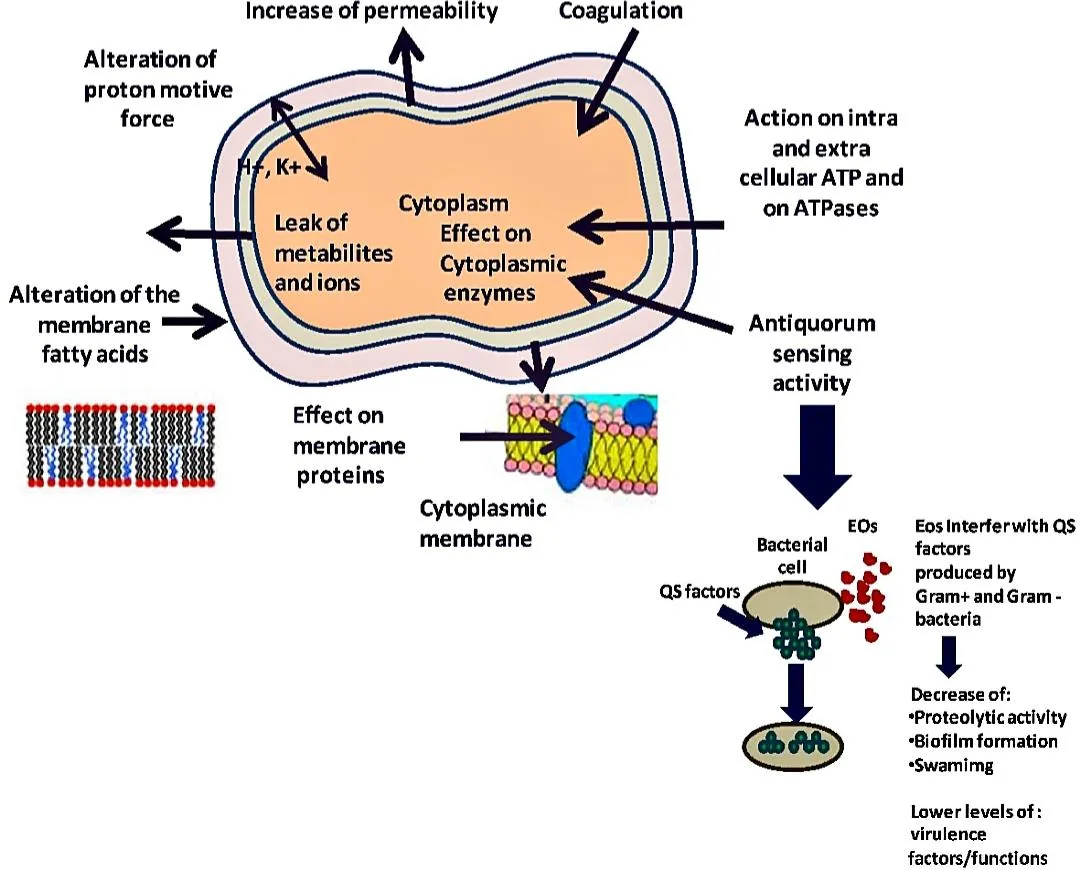
Figure 2: Proposed Mechanisms Through Which Natural Antimicrobial Compounds May Inhibit or Damage Microbial Cells.
A compound that exhibits membrane-disrupting or enzyme-inhibiting activity in a laboratory model cannot automatically be considered an effective cosmetic preservative [2,4,5]. Demonstrating preservative suitability requires evidence that the finished formulation provides appropriate microbiological protection under relevant test conditions, alongside assessment of its stability and safety [5,6,10]. Mechanistic studies should therefore guide further investigation rather than substitute for formulation-specific evidence of preservation performance [2,5,10].
4. Natural Antimicrobial Agents Investigated in Cosmetic Preservation
4.1 Essential oils
Essential oils are among the most extensively investigated botanical materials for potential antimicrobial applications in cosmetics because they contain diverse volatile compounds with reported antibacterial and antifungal properties [2,3]. Their composition varies with the plant species, extraction procedure, and proportions of individual constituents, which can influence the activity observed in microbiological experiments [2,3]. However, the suitability of an essential oil for cosmetic preservation depends on its performance in the finished formulation, not solely on its activity as an isolated ingredient [2,5].
Herman et al. compared three essential oils—lavender (Lavandula officinalis), tea tree (Melaleuca alternifolia), and cinnamon (Cinnamomum zeylanicum)—with extracts of Matricaria chamomilla, Aloe vera, and Calendula officinalis in an investigation of antimicrobial activity relevant to cosmetic emulsions [2]. The study tested the essential oils and extracts at 2.5% and methylparaben at 0.4% against Pseudomonas aeruginosa, Escherichia coli, Staphylococcus aureus, and Candida albicans [2]. The authors reported higher inhibitory activity for the tested essential oils than for the extracts and methylparaben under their experimental conditions, although the findings should be interpreted in the context of the particular preparations, concentrations, organisms, and methods used [2].
These results support further investigation of essential oils as candidate antimicrobial ingredients, but they should not be generalised to all oils or all cosmetic formulations [2,3]. Their practical use also requires consideration of formulation compatibility, stability, odour, and skin safety, alongside evidence of adequate preservation performance [2,3,6].
4.2 Herbal extracts
Herbal extracts are complex mixtures of plant-derived substances whose antimicrobial properties depend on the botanical species, plant part, extraction solvent, and processing conditions [1,2]. Unlike essential oils, which predominantly contain volatile constituents, solvent-derived extracts may contain different combinations of polar and less-polar compounds, depending on the extraction method used [1,5]. This chemical diversity makes herbal extracts potential sources of antimicrobial ingredients, while also creating challenges for standardisation and reproducibility [1,5].
In the study by Herman et al., extracts of Matricaria chamomilla, Aloe vera, and Calendula officinalis were investigated alongside essential oils for their antimicrobial activity in relation to cosmetic emulsions [2]. The extracts exhibited inhibitory activity against the selected test organisms, although their activity was generally lower than that of the tested essential oils under the study conditions [2]. These findings illustrate the importance of comparing individual botanical preparations experimentally rather than assuming that all plant extracts possess equivalent antimicrobial properties [1,2].
The development of botanical preservatives also requires the identification and characterisation of the compounds responsible for observed activity, where feasible [5]. Without such characterisation and appropriate quality controls, variation in the source material or extraction procedure may produce differences in the composition and performance of the final extract [1,5]. Therefore, herbal extracts should be assessed not only for initial antimicrobial activity but also for batch consistency, formulation compatibility, stability, and efficacy in the finished cosmetic product [2,5].
4.3 Eugenol and isoeugenol
Eugenol and isoeugenol are naturally occurring aromatic compounds that have been investigated as potential antimicrobial ingredients for cosmetic applications [4]. Their relatively defined chemical identities allow researchers to investigate compound-specific antimicrobial effects and assess their potential contribution to product preservation [4,11]. However, their activity and suitability should be evaluated separately because differences in chemical structure may influence their biological properties and safety profiles [4].
Fajdek-Bieda et al. examined the antibacterial and preservative potential of eugenol and isoeugenol in the context of cosmetic product stability [4]. Their work represents a more compound-focused approach to natural preservation research than studies based solely on crude botanical extracts [4]. The results should be interpreted according to the experimental methods, microorganisms, concentrations, and formulation conditions investigated in the study rather than taken as evidence that either compound can universally replace conventional cosmetic preservatives [4].
The potential use of these compounds must also be considered in relation to their compatibility with formulation ingredients and their safety for topical application [4,6]. Their natural occurrence does not eliminate the need for appropriate toxicological assessment, stability testing, and microbiological validation in the finished cosmetic product [4,6,10].
4.4 Development of a natural preservative from Santolina chamaecyparissus
A useful example of the transition from botanical screening to preservative development is the study by Kerdudo et al., which investigated a natural preservative ingredient derived from Santolina chamaecyparissus [5]. The researchers initially screened extracts from selected Mediterranean plants for activity against Staphylococcus aureus, Pseudomonas aeruginosa, Candida albicans, and Aspergillus niger [5]. The S. chamaecyparissus extract showed strong inhibition of S. aureus, C. albicans, and A. niger under the reported screening conditions, while its activity against P. aeruginosa was comparatively limited [5].
The researchers subsequently fractionated the extract and investigated its chemical composition to identify constituents associated with the observed antimicrobial activity. Their analysis identified spiroketalenol as a major compound of interest, although the isolated compound exhibited instability under aqueous and acidic conditions, highlighting a challenge in translating a promising botanical constituent into a practical formulation ingredient [5].
This study illustrates that natural preservative development involves more than selecting a plant with antimicrobial activity, because active-compound identification, stability, formulation optimisation, and preservative performance all influence practical suitability [5]. It also demonstrates why an extract’s activity against selected microorganisms should be distinguished from evidence that a developed ingredient can provide adequate preservation across different formulations and storage conditions [5,10].
4.5 Synergistic activity of botanical combinations
Combining botanical extracts is another strategy being investigated to determine whether different plant-derived constituents can produce complementary or synergistic antimicrobial effects [11,13]. Such combinations may be useful when individual extracts exhibit different activity profiles, but their potential benefits must be demonstrated experimentally for the specific ingredients and microorganisms involved [13].
Lee et al. investigated extracts of Lonicera japonica and Magnolia obovata to evaluate their antimicrobial properties and potential as plant-derived natural preservatives. The researchers found that antimicrobial activity differed between extraction preparations and fractions, indicating that the choice of extraction method influenced the activity of the resulting materials. Their results showed that selected ethyl acetate fractions from both plants exhibited activity against all six microbial strains tested, while a synergistic effect was confirmed against S. aureus, Bacillus subtilis, and C. albicans when the two fractions were combined [13].
The study also investigated the chemical constituents associated with antimicrobial activity, identifying caffeic acid and luteolin as contributors to the activity of L. japonica and examining the contribution of magnolol, honokiol, and other constituents in M. obovata [13]. These findings provide a specific example of how chemical characterisation and combination studies can support the development of botanical preservation candidates [13]. Nevertheless, the reported synergistic effects should not be extrapolated to unrelated plant extracts or interpreted as proof of efficacy in every cosmetic formulation [5,13].
4.6 Self-preserving cosmetics and naturally derived preservation strategies
The concept of self-preserving cosmetics involves investigating whether formulation characteristics and selected ingredients can contribute to microbiological protection without relying exclusively on a conventional preservative system [6]. This approach does not mean that a product can be assumed to be microbiologically safe simply because it contains botanical ingredients or has a low water content [6,10]. Rather, the adequacy of the preservation strategy must be established through an appropriate assessment of the formulation and its intended conditions of use [6,10].
Natural ingredients may serve multiple functions within a cosmetic formulation, but a secondary antimicrobial property does not automatically establish that the ingredient can provide the level of protection required of a preservative [5,6]. The development of natural preservation systems should therefore distinguish ingredients included primarily for other cosmetic functions from ingredients that have demonstrated preservative efficacy under relevant conditions [5,6,10].
4.7 Other relevant approaches and supporting evidence
Research into the effects of cosmetic preservatives on skin-resident microflora provides additional context for evaluating the biological implications of preservation systems [8]. Such evidence is relevant to the broader discussion of how antimicrobial ingredients interact with microorganisms, although findings concerning skin-associated microbial communities should not be treated as direct proof of a product’s preservation efficacy [8,10].
The use of natural disinfectants for contaminated cosmetic application tools represents a related but distinct area of investigation [14]. Although tool disinfection may help address contamination associated with product application, it does not replace the need to evaluate the microbiological protection of the cosmetic formulation itself [10,14].
Nanotechnology-based approaches have also been investigated in the context of food and cosmetic preservation, including their potential to improve the delivery or stability of selected active substances [15]. Their suitability for natural cosmetic preservation depends on the specific delivery system, active ingredient, formulation, and evidence of safety and effectiveness [11,15]. These approaches should therefore be considered emerging formulation strategies rather than established replacements for validated cosmetic preservation systems [10,15].
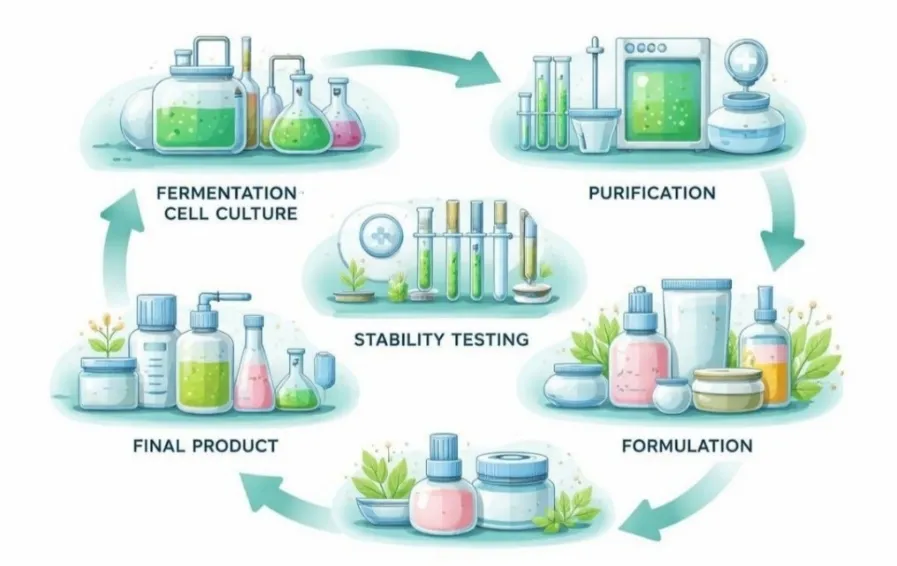
Figure 3: Proposed Workflow for the Development and Evaluataion of Natural Antimicrobial Agents for Cosmetic Preparation
5. Factors Affecting the Efficacy of Natural Cosmetic Preservatives
The antimicrobial efficacy of natural preservatives depends not only on their intrinsic biological activity but also on their concentration, chemical stability, physicochemical properties, formulation composition, and the microorganisms present in the product. [1,2,5,11] Consequently, antimicrobial activity demonstrated under laboratory conditions cannot automatically be interpreted as sufficient preservation in a finished cosmetic formulation. [2,5,6]
5.1. Concentration and antimicrobial potency
The concentration of a natural antimicrobial agent is a major determinant of its inhibitory activity, although increasing the concentration does not necessarily produce a proportionate improvement in preservation. [2,4,11] Essential oils and plant extracts contain multiple constituents whose activity varies according to their chemical composition and the susceptibility of the target microorganism. [1–3] For example, the antimicrobial performance of eugenol and isoeugenol has been investigated for cosmetic preservation, highlighting the importance of evaluating individual compounds under relevant application conditions. [4] The selected concentration must therefore balance antimicrobial effectiveness with skin compatibility, sensory acceptability, formulation stability, and regulatory requirements. [4,6,7]
5.2. pH and chemical stability
The pH of a cosmetic formulation can influence the chemical stability, ionization, solubility, and antimicrobial performance of preservative constituents. [5,6,10] These effects are particularly important when natural extracts contain chemically diverse compounds that may respond differently to changes in the formulation environment. [1,5,11] Kerdudo et. al. investigation of a natural preservative ingredient derived from Santolina chamaecyparissus illustrates the importance of stability assessment, as a promising antimicrobial constituent was reported to be unstable under aqueous and acidic conditions. [5] Accordingly, preservation studies should evaluate antimicrobial performance alongside stability under the intended product's pH and storage conditions. [5,6,10]
5.3. Solubility and distribution within the formulation
Many essential-oil constituents are lipophilic, which may affect their distribution between the oil and aqueous phases of cosmetic emulsions. [2,3,6] Since microbial contamination and growth can occur in the water-containing regions of a formulation, the location and availability of an antimicrobial compound may influence its preservative performance. [6,10] Interactions with emulsifiers, surfactants, and other ingredients may further alter the availability of active constituents, making formulation-specific testing essential. [6,10] Suitable solubilization systems and encapsulation technologies may help address solubility and stability limitations, although their benefits must be demonstrated in the intended cosmetic product. [11,15]
5.4. Composition and compatibility of the cosmetic matrix
The performance of natural preservatives can vary between creams, lotions, gels, and other cosmetic products because these formulations differ in their water content, lipid composition, emulsifiers, and other excipients. [2,6,10] Ingredients that alter the distribution or chemical stability of antimicrobial constituents may reduce their effective availability or interfere with the overall preservation system. [6,10] Therefore, an ingredient that demonstrates antimicrobial activity in isolation may not provide equivalent protection when incorporated into a complex cosmetic matrix. [2,5,6] Studies of essential oils in cosmetic emulsions have also demonstrated that antimicrobial performance must be considered alongside changes in physicochemical stability, including viscosity, appearance, and phase separation. [2]
5.5. Variability of natural raw materials
The chemical composition of essential oils and plant extracts may vary with botanical species, geographical origin, cultivation conditions, harvesting, extraction procedures, and storage. [1–3,11] Such variability can affect the concentration of bioactive constituents and consequently influence the reproducibility of antimicrobial activity between batches. [1,3,11] Standardization of botanical identity, extraction procedures, chemical composition, and microbiological performance is therefore important for developing consistent natural preservative ingredients. [1,5,11]
5.6. Microbial spectrum and preservation testing
Natural antimicrobial agents may differ in their effectiveness against Gram-positive bacteria, Gram-negative bacteria, yeasts, and moulds, meaning that activity against one microorganism cannot establish broad-spectrum preservation. [1,2,11] The intended cosmetic product must therefore be evaluated against relevant potential contaminants, with particular attention to organisms that may be inadequately controlled by the selected preservative system. [2,6,10] In addition, laboratory inhibition assays alone are insufficient to establish the effectiveness of a preservative in a finished product, and appropriate microbiological preservation testing should be performed on the final formulation. [6,10]
5.7. Storage, packaging, and consumer use
Temperature, light exposure, storage duration, and packaging conditions can affect the stability of natural antimicrobial constituents and the overall quality of a cosmetic product. [5,6,11] Repeated consumer contact with a product may also introduce microorganisms during use, making packaging design and dispensing systems relevant to maintaining microbiological quality. [6,10] Accordingly, preservation performance should be assessed under suitable storage conditions and in conjunction with appropriate controls during manufacturing and use. [6,10]
6. Safety, Skin Compatibility and Regulatory Considerations
Although natural antimicrobial agents are increasingly investigated as alternatives to conventional cosmetic preservatives, their suitability depends on both antimicrobial efficacy and safety under the intended conditions of use [1,6,7,11]. Plant-derived ingredients may contain biologically active compounds capable of causing irritation, sensitization, or other undesirable effects, depending on their composition, concentration, exposure, and formulation [1,3,4,11]. Therefore, natural preservatives must undergo appropriate safety and efficacy assessments rather than being considered inherently safe because of their botanical origin [6,7,11].
6.1. Skin irritation and sensitization
Essential oils and concentrated botanical extracts may contain compounds that cause skin irritation or allergic contact sensitization in susceptible individuals [1,3,11]. Their safety depends on the identity and concentration of individual constituents, the application site, frequency of exposure, and characteristics of the finished product [1,3,6]. Consequently, the concentration required to inhibit microbial growth must be balanced against the potential for adverse skin reactions, particularly in leave-on products that remain in prolonged contact with the skin [1,4,6]. Appropriate toxicological evaluation and relevant skin compatibility testing are therefore necessary before a natural antimicrobial ingredient is incorporated into a commercial cosmetic [6,7,11].
6.2. Effects on the skin microbiota
The skin supports a diverse microbial community that contributes to the maintenance of the skin barrier and its ecological balance [8]. Although preservatives are intended to control unwanted microbial contamination in cosmetic products, their antimicrobial activity may also raise questions about interactions with beneficial or resident skin microorganisms [8]. Research examining commonly used cosmetic preservatives has investigated their effects on skin-resident microbial community dynamics, highlighting the importance of considering microbiological selectivity alongside preservation efficacy [8]. However, effects observed in studies of particular preservatives should not automatically be generalized to all natural antimicrobial agents, whose composition and biological activity differ substantially [1,8,11].
6.3. Regulatory requirements and preservation efficacy testing
Regulatory requirements for cosmetic preservatives vary across jurisdictions, and manufacturers must ensure that the selected ingredients comply with applicable restrictions, concentration limits, and safety requirements [6,7,12,17]. In the European Union, Regulation (EC) No. 1223/2009 establishes the regulatory framework for cosmetic products, with Annex V listing permitted preservatives and specifying relevant conditions and restrictions, subject to subsequent amendments [17].
A natural origin does not, by itself, establish regulatory approval or demonstrate that an ingredient is suitable for use as a cosmetic preservative [6,7,12,17]. The antimicrobial protection of the finished product should be evaluated using appropriate microbiological methods rather than inferred solely from the activity of individual ingredients [6,10,16].
ISO 11930:2019 describes methods for evaluating the antimicrobial protection of cosmetic products, including preservation efficacy testing and assessment based on microbiological risk [16]. Its 2022 amendment should also be considered when consulting the standard [16]. The testing strategy should be appropriate to the formulation and its microbiological risk and should support evidence-based conclusions about the effectiveness of the complete preservation system [6,10,16].
7 Challenges, Research Gaps and Future Perspectives
7.1. Major challenges in natural cosmetic preservation
One of the principal challenges in natural cosmetic preservation is the variability of botanical raw materials, which can produce differences in chemical composition and antimicrobial performance between batches. [1,3,5,11] Factors such as botanical species, geographical origin, cultivation conditions, harvesting, extraction methods, and storage may influence the concentration of bioactive constituents and the reproducibility of the final ingredient. [1,3,11] Therefore, consistent raw-material quality and appropriate chemical characterization are essential for the development of reliable natural preservative systems. [1,5,11]
Physicochemical limitations also restrict the application of certain natural antimicrobial agents in cosmetic formulations. Many essential-oil constituents are volatile or poorly water-soluble, while some plant-derived compounds may undergo degradation under particular pH, temperature, or storage conditions. [2,3,5,11] These characteristics may affect the availability of active constituents, alter product characteristics, or reduce antimicrobial performance during storage. [2,5,6] Furthermore, strong odours, colour changes, incompatibility with excipients, and potential skin irritation or sensitization may limit the concentrations that can be incorporated into finished products. [1–4,11]
Another important challenge is the difference between laboratory antimicrobial activity and practical preservation efficacy. [2,5,6,10] An extract or isolated compound may inhibit selected microorganisms under controlled experimental conditions but fail to provide adequate protection when incorporated into a complex cosmetic matrix. [2,5,6] Consequently, promising natural ingredients require formulation-specific evaluation rather than being selected solely on the basis of preliminary antimicrobial screening. [5,6,10]
7.2. Research gaps and limitations of current evidence
Although research on natural antimicrobial agents has expanded, further investigation is required to establish reproducible chemical composition, effective concentrations, long-term stability, and reliable performance across different cosmetic formulations. [1,5,7,11] Studies vary in their extraction procedures, concentrations, test microorganisms, experimental conditions, and outcome measurements, which can make direct comparisons between reported results difficult. [1–3,11] The absence of consistent testing conditions may therefore limit the translation of promising experimental findings into practical cosmetic applications. [5,6,10]
A further research priority is the evaluation of natural preservatives within finished formulations rather than exclusively as isolated compounds or crude extracts. [2,5,6] Studies should investigate whether antimicrobial activity is maintained throughout the intended shelf life and under appropriate storage conditions, while also monitoring changes in physical and chemical stability. [5,6,10] Standardized preservation efficacy testing, including suitable challenge testing, is important for determining whether a formulation can adequately control relevant microorganisms. [6,10,16]
Safety evidence also requires careful consideration. [1,6,11] Although certain plant-derived compounds have demonstrated antimicrobial potential, their suitability for repeated topical application must be assessed independently of their antimicrobial activity. [1,3,4,11] Further investigation into irritation, sensitization, exposure-dependent effects, and possible interactions with skin-resident microorganisms would help establish the conditions under which individual ingredients can be used safely. [1,8,11] In addition, comparative studies using consistent experimental methods are needed to determine the advantages and limitations of natural preservation systems relative to established cosmetic preservatives. [6,7,10,11]
7.3. Future perspectives and emerging approaches
Future research may benefit from combining complementary antimicrobial agents to improve preservation performance while reducing the concentration required of individual ingredients. [4,11,13] Combinations of plant extracts, essential oils, or selected phytochemicals may produce additive or synergistic effects, although these interactions must be demonstrated experimentally rather than assumed from the activity of the individual components. [4,11,13] Such investigations should also establish whether the combination maintains acceptable safety, sensory characteristics, and stability in the intended formulation. [4,6,11]
Nanotechnology and encapsulation approaches represent another potential direction for addressing limitations associated with solubility, volatility, and chemical instability. [11,15] Suitable delivery systems may improve the dispersion or stability of selected antimicrobial compounds and potentially influence their release within a cosmetic formulation. [15] Nevertheless, these technologies introduce additional considerations, including carrier compatibility, manufacturing reproducibility, safety, and the need to demonstrate meaningful improvements over conventional formulation approaches. [11,15] Their value should therefore be assessed through systematic comparison with non-encapsulated ingredients in finished cosmetic products. [6,10,15]
Advances in analytical characterization and botanical standardization may further improve the reproducibility of natural preservative ingredients. [1,5,11] Identifying relevant chemical markers and monitoring batch-to-batch composition could support quality control and help establish relationships between chemical composition and antimicrobial performance. [1,5,11] Future studies should also prioritize transparent reporting of extraction methods, ingredient concentrations, test organisms, formulation composition, and preservation outcomes to facilitate reproducibility and meaningful comparison across investigations. [1,5,6,11]
Ultimately, the development of effective natural cosmetic preservatives will require an integrated approach that combines natural-product research with formulation science, microbiological testing, safety assessment, and regulatory compliance. [5–7,10,16] Rather than assuming that natural agents can universally replace conventional preservatives, research should identify specific compounds and combinations that provide demonstrable benefits under defined conditions of use. [6,7,11] This evidence-based approach may help translate promising natural antimicrobial agents into standardized, safe, stable, and effective cosmetic preservation systems. [5–7,10,11]
CONCLUSION
Natural antimicrobial agents, including essential oils, plant extracts, and isolated phytochemicals, offer promising opportunities for cosmetic preservation due to their diverse chemical compositions and antimicrobial properties. However, their effectiveness in finished cosmetic products depends on factors such as the stability and concentration of active constituents, formulation compatibility, microbial susceptibility, and storage conditions. Their natural origin alone does not guarantee adequate preservation or superior safety compared with conventional preservatives.
The development of reliable natural preservation systems requires standardized raw materials, reproducible formulation strategies, comprehensive safety assessments, and validated microbiological testing. Particular attention must be given to skin compatibility, potential sensitization, effects on the skin microbiome, and compliance with applicable cosmetic regulations. Emerging approaches, including synergistic combinations and nanotechnology-based delivery systems, may help overcome certain formulation challenges, provided their effectiveness and safety are established through systematic evaluation.
Overall, natural antimicrobial agents should be considered promising components of scientifically validated cosmetic preservation strategies rather than universal replacements for conventional preservatives. Continued research and collaboration among natural-product researchers, formulation scientists, microbiologists, and safety assessors will be essential to develop preservation systems that are effective, stable, safe, and suitable for practical cosmetic applications. Such advances may enable the responsible incorporation of naturally derived ingredients into modern cosmetic formulations while maintaining product quality and consumer safety.
REFERENCES

Chirag Dekhmukh, Prajakta Govekar, Natural Antimicrobial Agents as Cosmetic Preservatives, Int. J. of Pharm. Sci., 2026, Vol 4, Issue 10, 3734-3750. https://doi.org/10.5281/zenodo.23640557
 10.5281/zenodo.23640557