

We use cookies to ensure our website works properly and to personalise your experience. Cookies policy
PRES’s College of Pharmacy for Women Chincholi , Nashik , Maharashtra , India 422102.
Cardiovascular disease often requires long-term use of multiple medicines, which can increase the risk of adverse drug reactions, drug interactions, and poor adherence. Pharmacists support cardiovascular care through medication review, medication reconciliation, patient counselling, monitoring of blood pressure and laboratory parameters, and identification of drug-related problems. They communicate treatmentrelated concerns with patients, caregivers, physicians, and other healthcare professionals, while documenting interventions, adverse drug reactions, and follow-up plans. Through these activities, pharmacists improve medication safety, support adherence, and promote better cardiovascular treatment outcomes.cdc+1
Cardiovascular diseases—including hypertension, coronary artery disease, heart failure, stroke, and dyslipidemia—require long-term, multidisciplinary management. Pharmacists are uniquely positioned to support this care due to their expertise in pharmacotherapy, accessibility in community and hospital settings, and ability to engage patients in selfmanagement. Over the past two decades, numerous studies have demonstrated that
pharmacist-led interventions significantly improve blood pressure control, lipid profiles, glycemic control, medication adherence, and reduce hospital readmissions
2. Core Roles of Pharmacists in CVD Management
2.1 Medication Therapy Management (MTM)
Pharmacists review medications comprehensively. They spot drug-related problems, optimize regimens, and stop adverse drug events before they happen. Heart failure patients see real results. Pharmacist-led MTM cuts 30-day readmission rates down to 7% from 20%. Adherence to guideline-directed medical therapy improves too.cdc+1
2.2 Blood Pressure and Lipid Control
Pharmacists in community and clinical settings watch over hypertension and dyslipidemia patients closely. When pharmacists step in, systolic blood pressure drops by 7–10 mmHg. LDL cholesterol falls 15–25 mg/dL compared to standard care [8–10]. How do they pull this off. Dose adjustments. Lifestyle talks. Better adherence to medications.
• 2.3 Diabetes and CVD Risk Reduction
Given the strong link between diabetes and CVD, pharmacists play a critical role in managing glycemic control. Systematic reviews show that pharmacist interventions reduce HbA1c by 0.5–1.0% and improve cardiovascular risk scores in diabetic patients [11–13].
2.4 Heart Failure Management
Pharmacists help with heart failure care when a patient leaves the hospital. They review the list of medicines at discharge to make sure nothing is missed or wrong. They also teach patients how to use diuretics and ACE inhibitors. After that, they check in by phone or through monitoring. One well known study reported fewer bad outcomes when pharmacists were on the care team. The results showed a 78% drop in all cause deaths and heart failure episodes. The odds ratio was 0.22.
2.5 Smoking Cessation and Lifestyle Counseling
Pharmacists help with heart failure care right after a patient is sent home. They review the medicines during discharge so nothing is missed or mixed up. They also teach patients what to expect from diuretics and ACE inhibitors. After that, they check in again using phone based monitoring to watch for changes. A well known trial reported strong results with this pharmacist role. It linked the program with a 78% drop in deaths from any cause and fewer heart failure events. The odds ratio was 0.22.
3. Evidence from Systematic Reviews and Meta-Analyses
•A 2018 meta-analysis of 39 RCTs (n=14,224) found pharmacist interventions reduced systolic BP by −7.6 mmHg and diastolic BP by −3.9 mmHg.
•A 2020 review of 27 studies showed pharmacist-led care improved medication
adherence, knowledge, and physical function in heart failure patients.
•A 2023 umbrella review of 24 meta-analyses confirmed pharmacist interventions significantly improve CVD risk factors across diverse settings.
•Community pharmacist interventions in primary care reduced medical risk factors for
CVD events, with cost-effectiveness demonstrated in multiple studies.pmc.ncbi.nlm.nih+1
4. Humanistic and Economic Outcome
Pharmacists do more than record clinical numbers. They often help people feel better about their own care, handle daily tasks with more confidence, and report a better quality of life. Studies that look at costs suggest these services can be worth the money. The return on investment is reported as about $3 to $12 for each $1 spent. This is tied to fewer hospital stays and better work output.
5. Challenges and Future Direction
Even with solid proof, some hurdles still slow progress. A big issue is that pharmacists do not have full prescribing power. Care is also split across different groups, so patients may get disconnected follow-up. On top of that, reimbursement is not in place in many settings. Next steps should bring pharmacists into primary care groups. Scope of practice should also be widened. Digital health tools can help with check ins and monitoring from a distance.
2.6 Acute Coronary Syndrome (ACS) and Post-MI Care
After a sudden coronary problem like a heart attack or unstable angina, people often need strong follow-up care. This usually includes medicine such as antiplatelet drugs, statins, beta-blockers, and ACE inhibitors. Pharmacists help start the right treatments and support patients in taking them as planned. They also watch for bleeding problems and talk with patients about diet, exercise, and other lifestyle changes.
➢ Clinical pharmacists impact medication adherence metrics
Clinical pharmacists generally improve medication adherence by combining medication review, patient education, follow-up, and practical support. Their impact is usually measured through refill records, proportion of days covered, medication possession ratio, missed doses, persistence, and disease-control outcomes.
➢ Main adherence metrics
| Metric | What it measures | |
|---|---|---|
| Proportion of days | covered (PDC) | Percentage of days during which the patient has medication available. A PDC of 80% or more is commonly used to indicate good adherence in chronic therapy. |
| Medication possessi | on ratio (MPR) | Medication obtained during a specified period divided by the number of days in that period. |
| Adherence rate | Percentage of patients reaching a predefined target, such as PDC ≥80%. | |
| Persistence | How long a patient continues treatment before stopping. | |
| Refill gaps | The number or length of days without medicine available. | |
| Clinical measures | Changes in blood pressure, cholesterol, blood glucose, hospitalisation or diseaserelated complications. |
➢ Practical adherence
•Take your medicines at the same time each day. Tie them to something you already do, like eating breakfast or getting ready for bed.
Set up a weekly pill box. You can also use a calendar or a phone alarm so you do not forget.
Keep a current list of your medicines. Include what each one is for, the dose, and when you take it.
Refill your prescriptions before they finish. Do not wait until you are out.
If the schedule feels hard, ask your pharmacist or clinician if they can make it simpler. if you notice side effects, tell a clinician right away. They might change the medicine or the dose. You may not have to stop it.
Why it matters
Heart disease and high blood pressure can stay quiet. Even when they are not controlled, some people do not notice any problems. You might feel fine, but you may still need daily treatment. That helps keep blood pressure, cholesterol, heart rhythm, fluid balance, and clot risk in a safe range. If you stop once you feel better, the real issue can quietly get worse.
The American Heart Association says that high blood pressure that is not managed can
lead to heart disease, stroke, and kidney failure.
A research summary from the CDC found that people who took their antihypertensive medicines as advised were more likely to reach blood-pressure control. The chance was about 30% to 45% higher than for people who did not follow the plan. Not taking medicine as directed has also been linked with more hospital stays for heart attack or heart failure. It is tied to cardiovascular deaths and other serious results.
Common barriers can include these issues. It can be hard to stick with treatment because:
You may forget doses or face a hard daily plan.
You might have side effects or worry about becoming dependent.
Cost and travel can get in the way, or refills may be hard to get.
You may not understand why the medicine is needed.
If you feel well, you may assume you do not need treatment anymore.
Some people struggle to swallow pills or to manage many medicines at once.
➢ Pharmacists’ roles
Pharmacists are especially accessible for day-to-day medication support. They can:
•Explain how and when to take each medicine in clear, simple language.
•Check for duplicate medicines, interactions, contraindications, and potential side effects.
•Review all medicines—including prescription drugs, over-the-counter products, and supplements—through medication therapy management.
•Identify individual adherence barriers through conversations or assessment tools, then tailor practical solutions.
•Provide pill organizers, calendar blister packs, medication cards, refill synchronization,
90-day supplies where appropriate, reminder services, or delivery options.
•Monitor refills and flag possible gaps in therapy.
•Help address cost and insurance barriers, including lower-cost alternatives when appropriate.
•Communicate concerns to the doctor, such as ongoing side effects, missed refills, or a patient struggling with the regimen.cdc+1
Clinical pharmacists can help people take their medicines more consistently. They do this in a few steps that work together.First, they go over the list of medicines. They look for things like repeats, overlaps, drug side effects, and possible drug clashes. They also check if the plan is too complicated.
Next, they talk with the patient about each medicine. They explain what it is for. They also cover how and when to take it.They also ask about worries. Some people worry about side effects. Others worry about cost. Some feel unsure about using treatment for a long time. The pharmacist addresses these concerns and tries to find a practical way forward.They may set up reminders for refills. They can suggest pill boxes. They may also use simple medication calendars.When refills are due, they try to match the dates. This helps people pick up several medicines at once, instead of in separate trips.
They also reach out to patients. This can be by phone, text, or an online tool, depending on what the patient prefers and what is available.They support care when a person leaves hospital. They help make the move to home smoother and clearer.They then speak with the prescriber if changes are needed. This can include dose adjustments or a simpler schedule for taking medicines.Finally, they check how well the treatment is working.
The most effective interventions are usually multifaceted, rather than relying only on a single counselling session. A review reported success rates of approximately 75% for multifaceted pharmacist interventions, compared with 62.5% for face-to-face counselling and 60% for telephone interventions.
➢ Evidence of measurable improvement
A large 2024 study of older adults with diabetes, hypertension or hyperlipidaemia evaluated pharmacist-led consultations using PDC ≥80% as the adherence target. Over two years, optimal adherence increased by:
4.0 percentage points for diabetes medicines.
6.3 percentage points for hypertension medicines.
6.1 percentage points for cholesterol-lowering medicines.
In contrast, adherence declined among the comparison groups.jmcp
A 2025 meta-analysis also found that pharmacist-led interventions improved adherence compared with usual care. The pooled mean PDC increased by 0.08, equivalent to an 8percentage-point improvement, while the likelihood of achieving the adherence target increased by approximately 9%
➢ Effect on cardiovascular care
Improved adherence can contribute to better control of cardiovascular risk factors. For example, patients who regularly take antihypertensive medicines are more likely to maintain controlled blood pressure, while consistent use of statins supports lipid management. Pharmacist-led interventions have also been associated with improved medication use and risk-factor control in patients with hypertension and
hyperlipidaemia.pmc.ncbi.nlm.nih
However, adherence improvement does not always produce an immediate reduction in hospitalisation or mortality. Outcomes depend on the medicine selected, baseline disease severity, follow-up duration, affordability, patient behaviour and whether other aspects of care are adequately managed.
on what the pharmacy recorded when it dispensed the drug.
the medication available.
by the time window being watched.
➢
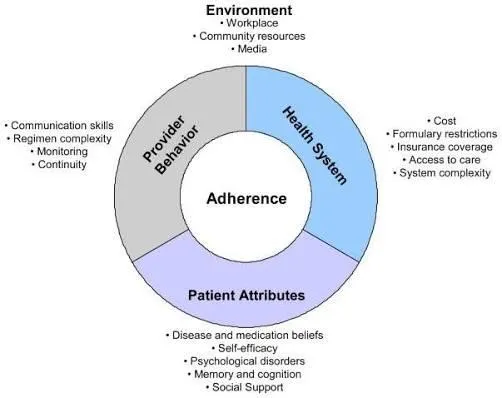
• Why it matters in cardiovascular disease
For patients taking medicines for hypertension, high cholesterol, coronary artery disease, heart failure, atrial fibrillation, or stroke prevention, refill gaps may result in interrupted therapy. Poor adherence to medicines prescribed to prevent cardiovascular disease is associated with higher risks of premature death, cardiovascular death, hospitalization for myocardial infarction or heart failure, and coronary revascularization procedures.cdc
Long refill gaps can occur with:
•Antihypertensives such as ACE inhibitors, ARBs, beta-blockers, and calcium-channel blockers
•Statins and other lipid-lowering medicines
•Antiplatelet medicines such as aspirin or clopidogrel
•Heart-failure medicines such as diuretics, beta-blockers, and mineralocorticoid receptor antagonists
•Anticoagulants used for atrial fibrillation, when prescribed
Common causes
•Forgetting that the medicine is about to run out
•Cost or lack of insurance coverage
•Difficulty travelling to the pharmacy
•Complex treatment regimens or multiple prescriptions
•Adverse effects or fear of adverse effects
•Lack of understanding about why long-term treatment is necessary
•Poor communication between the patient, prescriber, and pharmacy
•Hospitalization, prescription changes, or incomplete medication reconciliation
A refill gap does not prove that a patient did not take medicine; they may have stock at home, obtained it elsewhere, or had a prescribed change. However, it is a useful screening signal for pharmacists to contact the patient and identify the real reason. Pharmacy dispensing data can support adherence measurement through methods such as Proportion of
Days Covered (PDC).pmc.ncbi.nlm.nih
Refill records cannot show that a person took every dose. Still, long breaks or repeated gaps can point to not taking the medicine as directed. In chronic heart treatments, clinicians often flag low adherence when the PDC drops under 80%.
➢ Effects on cardiovascular outcomes
Increased blood pressure and lipid levels gaps in antihypertensive therapy can allow blood pressure to rise again. Similarly, interruptions in statin or other lipid-lowering treatment may reduce lipid control and remove part of the medicine’s protective effect. These changes may increase the likelihood of vascular complications over time
More hospital admissions and readmissions
Refill gaps can contribute to preventable emergency visits, hospitalisation and
rehospitalisation. This is particularly important in heart failure, where missed diuretics and
other guideline-directed medicines may contribute to fluid accumulation, worsening symptoms and acute decompensation. A recent heart-failure study reported higher allcause hospitalisation among patients with low post-discharge adherence, with a hazard ratio of 1.45. Higher risk of myocardial infarction and stroke
When patients stop or repeatedly miss cardioprotective medicines, the risk of cardiovascular events may increase. In patients with diabetes who were taking lipidlowering therapy, low refill adherence was associated with approximately 44%–
. Higher risk of myocardial infarction and stroke
When patients stop or repeatedly miss cardioprotective medicines, the risk of cardiovascular events may increase. In patients with diabetes who were taking lipidlowering therapy, low refill adherence was associated with approximately 44%–
Increased mortality
The effect is especially clear after myocardial infarction. In one population-based study, patients who filled none of their discharge medicines within 120 days had an 80% higher adjusted odds of death than those who filled all prescribed discharge medicines. Patients who filled only some of the medicines had a 44% higher odds of death
➢ Why refill gaps occur
causes include:
necessary.
➢ Clinical pharmacist response
Clinical pharmacists can reduce the effect of refill gaps by:
1.Identifying missed or late refills using dispensing records.
2.Contacting the patient to establish the reason for the gap.
3.Checking for adverse effects, affordability problems and confusion about instructions.
4.Synchronising refill dates.
5.Arranging delivery or alternative collection options where available.
6.Using reminders, pill organisers and simplified schedules.
7.Discussing treatment changes with the prescriber.
8.Prioritising urgent follow-up after myocardial infarction, stent placement or hospital discharge.
9.Monitoring blood pressure, lipid levels, symptoms and other relevant outcomes.
10.Documenting whether the gap was resolved and whether adherence improved
Pharmacists manage adverse drug reactions in cardiovascular therapy
Pharmacists manage adverse drug reactions (ADRs) in cardiovascular therapy by preventing predictable harm, detecting reactions early, assessing severity and causality, taking or recommending appropriate action, and educating patients on when to seek urgent care. Their work is especially important because cardiovascular patients often receive several high-risk medicines simultaneously, such as anticoagulants, antiplatelets, diuretics, antihypertensives, antiarrhythmics, and lipid-lowering drugs.
➢ Detection and clinical assessment
Pharmacists detect ADRs through medication-history interviews, prescription review, refill patterns, laboratory monitoring, blood-pressure and pulse measurements, and direct questioning. Rather than asking only “Are you having side effects?”, pharmacists should ask specific questions such as:
•“Have you noticed dizziness when standing up?”
•“Any unusual bruising, dark stools, or blood in urine?”
•“Have you developed muscle pain or weakness since starting the cholesterol medicine?”
•“Have you had swelling of the ankles, worsening breathlessness, or sudden weight gain?”
•“Have you started any pain medicines, herbal products, antibiotics, or cold remedies?”
➢ High-risk situations
Anticoagulant- and antiplatelet-related bleeding
Anticoagulants reduce clot formation but can cause bleeding, which is their most serious adverse effect. Pharmacists assess the prescribed dose, kidney function, concurrent medicines, adherence, and signs of occult or obvious bleeding. Baseline and follow-up evaluation may include full blood count, renal function, liver function, and assessment for symptoms of anaemia or bleeding, depending on the anticoagulant and patient risk factors.nhssomerset.nhs
Patients should be referred for urgent medical assessment if they report:
•Bleeding that is heavy, prolonged, recurrent, or difficult to stop.
•Blood in urine, vomit, or sputum.
These symptoms may indicate major bleeding, including internal bleeding, and should not be managed solely in a pharmacy setting.remedy.bnssg.icb.nhs+2
Pharmacists also warn patients to avoid starting aspirin, ibuprofen, naproxen, or other medicines that may increase bleeding risk unless a prescriber specifically advises their use.
➢ Heart-failure medicine complications
People with heart failure may receive several medicines that affect blood pressure, kidney function, electrolytes, and fluid balance. Pharmacists monitor for:
•Worsening breathlessness, orthopnoea, peripheral oedema, or rapid weight gain, which may indicate fluid retention or deterioration of heart failure.
•Dizziness, fainting, or falls, which may suggest hypotension or over-diuresis.
•Muscle cramps, confusion, severe fatigue, or palpitations, which may be associated with electrolyte disturbance.
•Reduced urine output or worsening renal-function markers.
•Hyperkalaemia risk in patients using ACE inhibitors, ARBs, sacubitril/valsartan, or mineralocorticoid receptor antagonists.
Clinical pharmacy services in heart failure include medication reconciliation, pharmacotherapy recommendations, monitoring, identification of ADRs and interactions, adherence support, and transition-of-care follow-up.pmc.ncbi.nlm.nih+1
➢ Statin-associated muscle symptoms
When a patient taking a statin reports muscle pain, cramps, tenderness, or weakness, the pharmacist should assess onset, severity, relation to exercise, recent dose changes, and potential interacting medicines. Mild symptoms may need routine prescriber review, whereas severe muscle pain, profound weakness, fever, or dark urine requires urgent assessment because it may indicate severe muscle injury.
The pharmacist should avoid automatically labelling every muscle symptom as statin intolerance. Instead, the aim is to assess likely causation, rule out interaction-related toxicity or other causes, and help preserve effective lipid-lowering therapy whenever safely possible.
Communication, documentation, and reporting
When an ADR is suspected, pharmacists document the medicine involved, dose, onset date, symptoms, seriousness, relevant laboratory results, action taken, and clinical outcome. They communicate clearly with the prescriber and the wider team
require dose modification, substitution, laboratory monitoring, or urgent review.
For serious, unusual, clinically significant, or previously unrecognized reactions, the pharmacist should report the event through the country’s pharmacovigilance system, following local regulatory requirements. Reporting improves medicine-safety surveillance and can identify rare or delayed harms that may not be apparent in clinical trials.
Severe chest pain, fainting, severe shortness of breath, facial swelling, black stools, vomiting blood, or uncontrolled bleeding need urgent medical assessment rather than routine pharmacy advice.
A pharmacist’s role in a drug reaction is to recognize it early, assess how serious it is, help make the medicine use safer, and communicate promptly with the prescriber. In
cardiovascular therapy, pharmacists also support the patient so side effects do not lead to unsafe self-discontinuation of essential heart medicines
Pharmacists report suspected side effects—also called adverse drug reactions (ADRs)— through a formal medicine-safety process known as pharmacovigilance. They do not need to prove that the medicine caused the reaction; a reasonable suspicion is enough to report
it
Patient reports a side effect
↓
Pharmacist assesses the patient’s safety
↓
Collects medicine and reaction details
↓
Documents the suspected ADR
↓
Sends report to medicine-safety system
↓
Follows up with doctor/patient if needed
↓
Data are analysed to identify new safety risks
| Medicine type | Possible reaction | Pharmacist response | |
|---|---|---|---|
| Blood-pressure medicine | Dizziness, faintness, very low blood pressure | Check timing and other medicines, assess fall risk, advise prescriber review | |
| Anticoagulant thinner”) | (“blood | Unusual bruising, nosebleeds, black stools, vomiting blood |
Assess bleeding severity; arrange urgent evaluation for major bleeding |
| Statin | Muscle pain, weakness, dark urine | Review interactions and symptoms; refer promptly for clinical assessment | |
| Diuretic | Dehydration, cramps, weakness | Review fluid intake, dose, and electrolytemonitoring needs; contact prescriber |
|
| Beta-blocker | Very slow pulse, fatigue, dizziness | Check symptoms and pulse if available; recommend prescriber assessment | |
SUMMARY
Pharmacists play an essential role in the management of cardiovascular disease by
ensuring that medicines are used safely, effectively, and appropriately. Since patients with conditions such as hypertension, heart failure, coronary artery disease, dyslipidaemia, and atrial fibrillation often require multiple long-term medicines, they are at increased risk of adverse drug reactions, drug interactions, medication errors, and poor adherence.
Pharmacists help prevent and manage these problems through medication review,
medication reconciliation, patient counselling, therapeutic monitoring, and regular followup. They assess blood pressure, heart rate, body weight, lipid profile, renal function, electrolytes, glucose levels, bleeding risk, and medication adherence. They also identify possible problems such as hypotension from antihypertensives, electrolyte imbalance from diuretics, muscle symptoms from statins, and bleeding complications from anticoagulants or antiplatelet medicines
A major responsibility of pharmacists is to educate patients and caregivers. They explain the purpose of each medicine, correct dose and timing, expected benefits, possible side effects, missed-dose instructions, and warning signs that require immediate medical attention. Lifestyle counselling related to diet, sodium restriction, smoking cessation, exercise, alcohol reduction, weight management, and home blood-pressure monitoring further supports cardiovascular-risk reduction.
Pharmacists communicate important medication-related findings to physicians, cardiologists, nurses, and other members of the healthcare team. They document
medication histories, suspected adverse drug reactions, laboratory findings, interventions,
counselling provided, prescriber recommendations, and follow-up plans. This communication and documentation improve continuity of care, particularly during hospital admission, discharge, and transition to community-based care.
Overall, pharmacists contribute to safer cardiovascular pharmacotherapy, better medication adherence, early detection of treatment-related problems, and improved patient outcomes. Their role is especially valuable in patients receiving high-risk medicines such as anticoagulants, antiplatelets, diuretics, antihypertensives, antiarrhythmics, and statins.
REFERENCES


Gayatri Pawar, Sayali Chothave, Smita Takate, Gayatri Gurule, Pharmacist Role in Managing in Cardiovascular Disease , Int. J. of Pharm. Sci., 2026, Vol 4, Issue 10, 3460-3471. https://doi.org/10.5281/zenodo.23633090
 10.5281/zenodo.23633090