
View Article

Abstract

Mucoadhesive microspheres have emerged as one of the most promising oral controlled drug delivery systems due to their ability to prolong gastrointestinal residence time, improve drug bioavailability, and enhance patient compliance. These multiparticulate systems adhere to the mucosal surface, thereby extending drug absorption and minimizing dosing frequency. Various natural and synthetic polymers, including Carbopol, Chitosan, Hydroxypropyl Methylcellulose (HPMC), Sodium Alginate, and Eudragit polymers, have been extensively investigated for the preparation of mucoadhesive microspheres. Different preparation techniques such as solvent evaporation, ionotropic gelation, spray drying, and emulsion cross-linking have been successfully employed to formulate microspheres with desirable physicochemical characteristics. The performance of these systems is evaluated through particle size analysis, drug entrapment efficiency, swelling behavior, mucoadhesive strength, zeta potential, scanning electron microscopy (SEM), Fourier Transform Infrared Spectroscopy (FTIR), Differential Scanning Calorimetry (DSC), and in-vitro drug release studies. Mucoadhesive microspheres have been successfully used for antihypertensive, anti-diabetic, antibacterial, anti-inflammatory, and anticancer medications, according to recent studies. Research on mucoadhesive microspheres loaded with nifedipine has demonstrated longer therapeutic efficacy, better entrapment efficiency, and sustained drug release, suggesting their potential for controlled oral drug administration. There are still issues with large-scale production, reproducibility, regulatory approval, and long-term stability despite tremendous advancements. Future studies should concentrate on Quality by Design (QbD), artificial intelligence-based formulation optimization, smart polymers, and mucoadhesive systems aided by nanotechnology.

Keywords

Carbopol, HPMC, Eudragit RLPO, Mucoadhesive Microspheres, Controlled Drug Delivery, Oral Drug Delivery, Nifedipine, Sustained Release, Drug Delivery Systems

Introduction

× Popup Image

Due to its cost-effectiveness, ease, safety, and patient compliance, oral medication administration continues to be the most favored method of drug delivery. However, due to significant first-pass metabolism, fast gastrointestinal transit, enzymatic degradation, and low water solubility, many medicinal medicines have limited oral bioavailability. These restrictions lessen the effectiveness of treatment and frequently necessitate repeated dosage.

Controlled drug delivery systems have been developed to overcome these drawbacks by maintaining therapeutic drug concentrations over prolonged periods while minimizing fluctuations in plasma drug levels. Mucoadhesive drug delivery systems, which increase the residence duration of dosage forms at the absorption site and promote drug absorption, have garnered significant interest among the many controlled drug delivery methods.

The attachment of a medication delivery system to the mucus layer that covers biological membranes is known as mucoadhesion. This interaction improves medication bioavailability and lowers the frequency of dosage by lengthening the contact duration between the formulation and the absorption surface. Microspheres are spherical particles with a diameter that typically ranges from 1 µm to 1000 µm. Their tiny particle size ensures uniform dispersion throughout the gastrointestinal system and offers a wide surface area for medication release. These microspheres show longer stomach retention and sustained drug release when made with mucoadhesive polymers as Carbopol, Chitosan, Sodium Alginate, Hydroxypropyl Methylcellulose (HPMC), and Eudragit polymers.

Because of its short biological half-life (around 2-4 hours), poor aqueous solubility, and need for sustained plasma drug concentration, nifedipine has garnered a lot of attention among the medications being studied for this strategy. Nifedipine mucoadhesive microspheres are intriguing options for regulated antihypertensive therapy since they have shown improved drug entrapment, longer drug release, adequate mucoadhesion, and increased formulation stability.

The formulation processes, polymers, characterisation methods, therapeutic applications, difficulties, and prospects for the future of mucoadhesive microspheres for oral controlled drug administration are all summarized in this review.
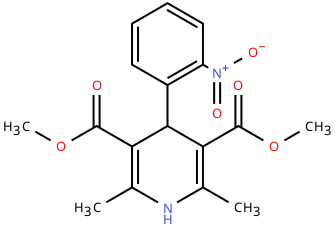
figure

Figure 1: Structure of Nifedipine

Mucoadhesion

The capacity of a material to stick to the mucus layer that covers biological mucosal tissues for a long time is known as mucoadhesion. Mucoadhesion is used in pharmaceutical drug delivery to increase drug bioavailability, decrease dose frequency, and improve therapeutic efficacy by extending the residence duration of dosage forms at the site of absorption..

Water (about 95%), mucin glycoproteins, lipids, electrolytes, enzymes, and cellular debris make up the majority of the mucus layer. Through hydrogen bonding, electrostatic attraction, van der Waals forces, and hydrophobic interactions, the glycoprotein network offers a variety of functional groups that can interact with polymeric drug delivery systems.

These interactions enable sustained drug release and enhanced absorption by keeping mucoadhesive drug delivery devices adhered to the gastrointestinal mucosa for extended periods of time.

Mucoadhesive Drug Delivery Systems' Benefits Compared to traditional oral dosage forms, mucoadhesive drug delivery methods offer a number of therapeutic and pharmacological benefits. Among the main benefits are:

• Extended duration of gastrointestinal occupancy.

• Enhanced oral bioavailability.

• Drug release that is maintained and under control.

• Lowering the frequency of dose.

• A rise in patient adherence.

• Less variation in plasma concentration.

• Drugs with a brief biological half-life are better absorbed.

• A decrease in negative systemic effects.

• Increased effectiveness of treatment.

Mucoadhesive microspheres are especially useful for medications like Nifedipine, Metformin, Ciprofloxacin, Clarithromycin, and other peptide-based treatments because of these benefits.

Theories of Mucoadhesion

Several theories have been proposed to explain the mechanism of mucoadhesion.

1. Wetting Theory

This theory states that adhesion depends upon the ability of the formulation to spread over the mucosal surface. Better spreading leads to stronger adhesion.

2. Diffusion Theory

According to this theory, polymer chains diffuse into the mucin network. The greater the degree of interpenetration, the stronger the adhesive interaction.

3. Electronic Theory

Electronic transfer occurs between the polymer and mucus due to differences in electronic structure, creating an electrical double layer that contributes to adhesion.

4. Adsorption Theory

Secondary chemical interactions such as hydrogen bonding, van der Waals forces, and hydrophobic interactions are primarily responsible for adhesion.

Factors Affecting Mucoadhesion

The efficiency of mucoadhesion depends upon several formulation and physiological variables.

Polymer-related factors

  • Molecular weight
  • Polymer concentration
  • Flexibility of polymer chains
  • Degree of cross-linking
  • Charge density
  • Hydration capacity

Physiological factors

  • Mucus turnover rate
  • pH of the surrounding environment
  • Disease condition
  • Gastrointestinal motility
  • Enzymatic degradation

Environmental factors

  • Temperature
  • Ionic strength
  • Presence of food
  • Residence time in the gastrointestinal tract

Characteristics of an Ideal Mucoadhesive Polymer

An ideal mucoadhesive polymer should possess the following characteristics:

  • Excellent biocompatibility
  • Non-toxic and non-irritant
  • Biodegradable
  • Strong mucoadhesive strength
  • High swelling capacity
  • Adequate mechanical strength
  • Good drug compatibility
  • Easy processability
  • Stability during storage
  • Regulatory acceptability

Classification of Mucoadhesive Polymers

Mucoadhesive polymers can be broadly classified into natural and synthetic polymers.

Natural Polymers Synthetic/Semi-synthetic Polymers
Chitosan Carbopol
Sodium Alginate HPMC
Pectin Eudragit RLPO
Xanthan Gum Polycarbophil
Guar Gum Sodium CMC
Gelatin PVA

TABLE N0:1

Synthetic polymers generally provide better reproducibility and controlled drug release, whereas natural polymers offer excellent biocompatibility and biodegradability.

Methods of Preparation of Mucoadhesive Microspheres

Mucoadhasive microsphere of Nifedipine was prepared by the solvent evaporation of RLPO, Carbopol used as mucoadhesive with HPMC and for solvent evaporation light liquid paraffin is used. All the ingredients along with the drug are dissolved in a slight excess of ethanol. Using a syringe, the solution was sequentially dropped into appropriate quantity into light liquid paraffin. Light liquid paraffin was stirred with a mechanical stirrer at 1000 rpm at 500C temperature for 45 min. by filtration. They were washed several times with petroleum ether and dried in vacuum oven at ambient temperature for 24 hr. The yield calculated by dividing the weight of the collected microspheres by the total weight of the non volatile components use for preparing the microspheres.

Recent Advances

  • Development of Advanced Mucoadhesive Polymers.
  • Surface Functionalization of Microspheres.
  • Stimuli-Responsive Mucoadhesive Microspheres.
  • Integration of Nanotechnology with Mucoadhesive Microspheres.
  • Advanced Manufacturing and Microfluidic Technologies.
  • Improved Drug Loading and Controlled-Release Strategies.
  • Mucoadhesive Microspheres for Targeted Mucosal Delivery.
  • Personalized and Precision Drug Delivery.
  • Combination and Multifunctional Drug Delivery Systems.
  • Improved Evaluation and Translational Approaches.
  • Artificial Intelligence and Data-Driven Formulation Development.
  • Translation Toward Scalable and Clinically Relevant Systems.

Comparative Analysis

  • Mucoadhesive microspheres have evolved from conventional polymeric particulate systems into sophisticated drug delivery platforms designed to improve mucosal residence time, drug release, bioavailability, and therapeutic efficacy.
  • The performance of these systems is strongly influenced by the type and properties of the mucoadhesive polymer, preparation technique, particle size, surface characteristics, drug–polymer interactions, and physicochemical properties of the incorporated drug.
  • Natural polymers such as chitosan, alginate, pectin, gelatin, hyaluronic acid, and various plant-derived polysaccharides offer advantages including biodegradability, biocompatibility, and relatively low toxicity.
  • Chemical modification of polymers has provided an important advantage over unmodified systems. Thiolated polymers, for example, can establish stronger interactions with mucin through disulfide bonding and may therefore provide prolonged mucosal retention.
  • Compared with conventional oral dosage forms, mucoadhesive microspheres can increase residence time at the mucosal surface and provide prolonged or controlled drug release.
  • However, their performance may vary considerably under physiological conditions because mucus is continuously secreted, renewed, and cleared.
  • Therefore, high in-vitro mucoadhesive strength does not necessarily guarantee prolonged in-vivo residence.

Research Gaps

  • Lack of Standardized Mucoadhesion Testing.
  • Poor Correlation Between In-Vitro and In-Vivo Performance.
  • Limited Understanding of the Molecular Mechanism of Mucoadhesion.
  • Optimization of Mucoadhesion Versus Mucus Penetration.
  • Limited Long-Term Safety and Toxicological Data.
  • Scale-Up and Manufacturing Challenges.
  • Insufficient Clinical Translation.
  • Limited Application of Advanced Computational Approaches.
  • Need for More Disease-Specific Delivery Systems.
  • Limited Investigation of Multifunctional and Hybrid Systems.
  • Variability of Biological Mucosal Conditions.
  • Need for Rational Selection of Polymers and Functional Groups.
Parameter Conventional Microspheres Mucoadhesive Microspheres Advanced Mucoadhesive Systems
Drug residence time Moderate Increased Prolonged/site-specific
Mucoadhesion Low/absent High Optimized/functionalized
Drug release Sustained Controlled Stimuli-responsive/programmable
Polymers Conventional Mucoadhesive polymers Modified/thiolated/hybrid polymers
Targeting Limited Mucosal targeting Site-specific/multifunctional
Manufacturing Established Moderately complex Microfluidic/advanced manufacturing
In-vivo predictability Variable Limited Still under investigation
Clinical translation Relatively established Limited Emerging

TABLE N0:1.1

FUTURE PERSPECTIVES

Mucoadhesive microspheres represent a promising platform for improving drug residence time, controlled release, mucosal targeting, and therapeutic efficacy. Future research is expected to move beyond conventional polymeric microspheres toward multifunctional, precision-engineered, and biologically responsive delivery systems.

  • Development of Next-Generation Mucoadhesive Polymers.
  • Stimuli-Responsive and Smart Microspheres.
  • Integration of Nano–Micro Hybrid Technologies.
  • AI- and Machine Learning-Assisted Formulation Development.
  • Personalized and Precision Drug Delivery.
  • Advanced Manufacturing Technologies.
  • Disease-Specific and Site-Specific Delivery.
  • Improved Mucus Models and In-Vitro–In-Vivo Correlation.
  • Multifunctional Therapeutic Platforms.
  • Long-Term Safety and Clinical Translation.
  • Quality-by-Design and Regulatory Development.

Overall Future Perspective

The future of mucoadhesive microspheres lies in the transition from conventional sustained-release carriers to intelligent, multifunctional, site-specific, and patient-oriented drug delivery platforms.

CONCLUSION

The objective of this study is to develop, characterize, and evaluate mucoadhesive microspheres of Nifedipine employing mucoadhesive polymers for prolonged gastrointestinal absorption.

Nifedipine, an effective antihypertensive that requires controlled release owing to its short biological half-life of 2.5 hours.

The mucoadhesive microspheres were evaluated by in vitro and in vivo methods for controlled release. Nifedipine has a short biological half-life of 2.5 h and is eliminated rapidly and its antihypertensive effect lasts only for few hours.

As such controlled release products are needed for Nifedipine to prolong its duration of action and to improve patient compliance.

Controlled release products also avoid the vasodilator related adverse effects such as increase in heart rate, flushing and palpitation associated with conventional Nifedipine tablets and capsules The present study was carried out to develop Mucoadhesive drug delivery System in the form of microsphere dosage form of Nifedipine by using Carbopol and RLPO and thereafter formulating the formulation.

From the study it is observed that formulation act as prolonged dosage form.

As the stirring speed increased the size of microsphere decreases and increases the released rate drug. The prepared microsphere of Nifedipine also gave good Micrometrics result, percent yield, drug entrapment and in- vitro release.

In dissolution study of all formulations it was observed that change in process variables during the formulation of microspheres like.

REFERENCES

  1. Lehr CM. Bioadhesion technologies for the delivery of peptide and protein drugs to the gastrointestinal tract. Crit. Rev. Ther. Drug Carrier Syst. 1994; 11: 119-160.
  2. Groning R, Heun G. Oral dosage forms with controlled gastrointestinal transit. Drug Dev Ind Pharm. 1984; 10: 527-539.
  3. Groning R, Heun G. Dosage forms with controlled gastrointestinal passage studies on the absorption of nitrofurantion. Int J Pharm. 1989; 56: 111-116.
  4. Klausner EA, Lavy E, Friedman M, Hoffman A. Expandable gastroretentive dosage forms. J Control Release. 2003; 90: 143-162.
  5. Sanjeev Kumar, Tara ChandFormulation and Development of Floating and Mucoadhesive Microspheres of Clarithromycin The Pharma Innovation – Journal 2013 Vol. 2 No. 5 page no. 19-26
  6. Timmermans J, Moes AJ. How well does floating dosage forms float. Int J Pharm. 1990; 62: 207- 16.
  7. El-Kamel AH, Sokar MS, Al Gamal SS, Naggar VF. Preparation and evaluation of ketoprofen floating oral delivery system. Int J Pharm. 2001; 220: 13-21.
  8. Oth M, Franz M, Timmermans J, Moes AJ. The bilayer floating capsule: A stomachdirected drug delivery system for misoprostol. Pharm Res. 1992; 9: 298-302.
  9. Whitehead L, Fell JT, Collett JH, Sharma HL, Smith AM. Floating dosage forms: An in vivo study demonstrating prolonged gastric retention. J Control Release. 1998; 55: 3-12.
  10. Majithiya RJ, Murthy RS. Chitosan-based mucoadhesive microspheres of clarithromycin as a delivery system for antibiotic to stomach. Curr Drug Deliv. 2005 Jul;2 (3):235-42.
  11. Mojaverian P, Vlasses PH, Kellner PE, Rocci Jr ML. Effects of gender, posture, and age on gastric residence time of an indigestible solid: Pharmaceutical considerations. Pharm. Res. 1988; 10: 639- 44. 12. Gansbeke BV, Timmermans J, Schoutens A, Moes AJ. Intragastric positioning of two concurrently ingested pharmaceutical matrix dosage forms. Nucl Med Biol. 1991; 18: 711-18.
  12. Timmermans J, Moes AJ. Factors controlling the buoyancy and gastric retention capabilities of floating matrix capsules: New data for reconsidering the controversy. J Pharm Sci. 1994; 83: 18-24.
  13. Hilton AK, Deasy PB. In vitro and in vivo evaluation of an oral sustained release floating dosage form of amoxicillin trihydrate. Int. J. Pham. 1992; 86: 79-88.
  14. Seth PR, Tossounian J. The hydrodynamically balanced system, a novel drug delivery system for oral use. Drug Dev. Ind Pharm. 1984; 10: 313-339
  15. Sharma R, et al. Recent advances in biopolymer-based mucoadhesive drug delivery systems for oral application. Journal of Drug Delivery Science and Technology. 2024;91:105227.
  16. Puri V, Sharma A, Dheer D, Kesharwani P. Recent update on the chemical modalities of mucoadhesive biopolymeric systems for safe and effective drug delivery. 2025. DOI: 10.1016/j.apmt.2025.102690.
  17. Kumari A, Singh B. Emerging trends in designing polysaccharide based mucoadhesive network hydrogels as versatile platforms for innovative delivery of therapeutic agents: A review. International Journal of Biological Macromolecules. 2025;300:140229.
  18. Advances in drug-loaded microspheres for targeted, controlled, and sustained drug delivery: Potential, applications, and future directions. Biomedicine & Pharmacotherapy. 2025;189:118244.
  19. Research progress of sustained-release microsphere technology in drug delivery.European Journal of Medicinal Chemistry Reports. 2025;15:100299.
  20. Reconceptualising mucoadhesion for future medicines. RSC Pharmaceutics. 2024;1 (5):949–957.

Reference

  1. Lehr CM. Bioadhesion technologies for the delivery of peptide and protein drugs to the gastrointestinal tract. Crit. Rev. Ther. Drug Carrier Syst. 1994; 11: 119-160.
  2. Groning R, Heun G. Oral dosage forms with controlled gastrointestinal transit. Drug Dev Ind Pharm. 1984; 10: 527-539.
  3. Groning R, Heun G. Dosage forms with controlled gastrointestinal passage studies on the absorption of nitrofurantion. Int J Pharm. 1989; 56: 111-116.
  4. Klausner EA, Lavy E, Friedman M, Hoffman A. Expandable gastroretentive dosage forms. J Control Release. 2003; 90: 143-162.
  5. Sanjeev Kumar, Tara ChandFormulation and Development of Floating and Mucoadhesive Microspheres of Clarithromycin The Pharma Innovation – Journal 2013 Vol. 2 No. 5 page no. 19-26
  6. Timmermans J, Moes AJ. How well does floating dosage forms float. Int J Pharm. 1990; 62: 207- 16.
  7. El-Kamel AH, Sokar MS, Al Gamal SS, Naggar VF. Preparation and evaluation of ketoprofen floating oral delivery system. Int J Pharm. 2001; 220: 13-21.
  8. Oth M, Franz M, Timmermans J, Moes AJ. The bilayer floating capsule: A stomachdirected drug delivery system for misoprostol. Pharm Res. 1992; 9: 298-302.
  9. Whitehead L, Fell JT, Collett JH, Sharma HL, Smith AM. Floating dosage forms: An in vivo study demonstrating prolonged gastric retention. J Control Release. 1998; 55: 3-12.
  10. Majithiya RJ, Murthy RS. Chitosan-based mucoadhesive microspheres of clarithromycin as a delivery system for antibiotic to stomach. Curr Drug Deliv. 2005 Jul;2 (3):235-42.
  11. Mojaverian P, Vlasses PH, Kellner PE, Rocci Jr ML. Effects of gender, posture, and age on gastric residence time of an indigestible solid: Pharmaceutical considerations. Pharm. Res. 1988; 10: 639- 44. 12. Gansbeke BV, Timmermans J, Schoutens A, Moes AJ. Intragastric positioning of two concurrently ingested pharmaceutical matrix dosage forms. Nucl Med Biol. 1991; 18: 711-18.
  12. Timmermans J, Moes AJ. Factors controlling the buoyancy and gastric retention capabilities of floating matrix capsules: New data for reconsidering the controversy. J Pharm Sci. 1994; 83: 18-24.
  13. Hilton AK, Deasy PB. In vitro and in vivo evaluation of an oral sustained release floating dosage form of amoxicillin trihydrate. Int. J. Pham. 1992; 86: 79-88.
  14. Seth PR, Tossounian J. The hydrodynamically balanced system, a novel drug delivery system for oral use. Drug Dev. Ind Pharm. 1984; 10: 313-339
  15. Sharma R, et al. Recent advances in biopolymer-based mucoadhesive drug delivery systems for oral application. Journal of Drug Delivery Science and Technology. 2024;91:105227.
  16. Puri V, Sharma A, Dheer D, Kesharwani P. Recent update on the chemical modalities of mucoadhesive biopolymeric systems for safe and effective drug delivery. 2025. DOI: 10.1016/j.apmt.2025.102690.
  17. Kumari A, Singh B. Emerging trends in designing polysaccharide based mucoadhesive network hydrogels as versatile platforms for innovative delivery of therapeutic agents: A review. International Journal of Biological Macromolecules. 2025;300:140229.
  18. Advances in drug-loaded microspheres for targeted, controlled, and sustained drug delivery: Potential, applications, and future directions. Biomedicine & Pharmacotherapy. 2025;189:118244.
  19. Research progress of sustained-release microsphere technology in drug delivery.European Journal of Medicinal Chemistry Reports. 2025;15:100299.
  20. Reconceptualising mucoadhesion for future medicines. RSC Pharmaceutics. 2024;1 (5):949–957.

Photo
Kapil Maurya
Corresponding author

Arni School of Pharmacy, Arni University, Kathgarh, Indora, 176401, Himachal Pradesh.

Photo
Abhishek
Co-author

Arni School of Pharmacy, Arni University, Kathgarh, Indora, 176401, Himachal Pradesh.

Photo
Shourya Pratap
Co-author

Arni School of Pharmacy, Arni University, Kathgarh, Indora, 176401, Himachal Pradesh.

Photo
Kishalay Maity
Co-author

Arni School of Pharmacy, Arni University, Kathgarh, Indora, 176401, Himachal Pradesh.

Photo
Ankush Uppal
Co-author

Arni School of Pharmacy, Arni University, Kathgarh, Indora, 176401, Himachal Pradesh.

Photo
Priyanka Choudhary
Co-author

Arni School of Pharmacy, Arni University, Kathgarh, Indora, 176401, Himachal Pradesh.

Kapil Maurya, Abhishek, Shourya Pratap, Kishalay Maity, Ankush Uppal, Priyanka Choudhary, Recent Advances in Mucoadhesive Microspheres for Oral Controlled Drug Delivery: Formulation Strategies, Characterization, Therapeutic Applications and Future Perspectives, Int. J. of Pharm. Sci., 2026, Vol 4, Issue 10, 3751-3757. https://doi.org/10.5281/zenodo.23640633

More related articles
A Comprehensive Review of Spectroscopic Techniques...
Renuka Rothe, Supriya Tekade, Namrata Isame, Pragati Tekade, Vais...
Engineering Microneedle Patches for Precision Tran...
Manjunath Halkeri, Dr. Shravan Nargund, Priyaganga...
Green Chemistry in Pharmaceuticals: Emerging Strat...
Akanksha Khairnar, Kaveri Vaditake...
Related Articles
Implantable Drug Delivery Systems: Innovations in Long-Acting Therapeutics & Osm...
S. Bhusagare, Vishal Jat, Y. Birar, S. Lande, H. Chandane, P. Chaudhari...
A Comprehensive Review of Spectroscopic Techniques in Pharmaceutical Analysis...
Renuka Rothe, Supriya Tekade, Namrata Isame, Pragati Tekade, Vaishali Javare, Girish Kokate...
More related articles
A Comprehensive Review of Spectroscopic Techniques in Pharmaceutical Analysis...
Renuka Rothe, Supriya Tekade, Namrata Isame, Pragati Tekade, Vaishali Javare, Girish Kokate...
A Comprehensive Review of Spectroscopic Techniques in Pharmaceutical Analysis...
Renuka Rothe, Supriya Tekade, Namrata Isame, Pragati Tekade, Vaishali Javare, Girish Kokate...
