

We use cookies to ensure our website works properly and to personalise your experience. Cookies policy
Department of Quality Assurance Techniques. MES’s College of Pharmacy, Sonai, India.
The objective of the formulation is to prepare the rice starch face cream. Creams are defined, a semisolid dosage form containing on more drug substances dissolved or dispersed in a suitable base intended for external application to the skin or mucous membrane. Cosmetics are the products applied on the body. Face cream serves a dual purpose in cosmetics, acting to both soften and cleanse the skin. Aloevera, Rice starch, Coconut oil, Vitamin-E substances are used in the preparation of rice starch face cream. To study the basic knowledge about face cream and application of face cream. To study the various types of face cream and ideal characteristics of the cream. The different natural ingredients used to manufacture face cream was studied. Formulation of Herbal face cream using natural ingredients and evaluation by using various tests such as Washability test, After feel test, Irritancy test, Gressiness test, Stability test. The current study was formulating and assessing a natural face cream.The cream gives effects such as whitening, anti-wrinkled, anti-aging and sunscreen effect on skin. As we know that it is possible to increase the extent of efficacy of medical cosmetics property of single plant extract, but by combining the different plant extract. The synthetic creams are harmful for skin so to overcome this the herbal starch face cream was prepared.
According to D and C Act Cosmetics is defined as the means any article intended to be rubbed, poured, sprinkled or sprayed or introduced into or otherwise applied to the human body or a part there for cleansing, beautifying, promoting attractiveness, or altering the appearance and including the use of cosmetics. Cosmetics are regulated under the Drug and Cosmetic Act 1940 and its rules 1945 and the laboring declaration by BUREAU OF INDIAN STANDARDS (BIS).
Cream definition:- Creams are defined as “a semisolid dosage form containing on more drug substances dissolved or dispersed in a suitable bases intended for external application to the skin or mucous membrane.
They are semisolids usually consisting of solutions or dispersion of one or more medicaments in a suitable bases. Cosmetics are crafted utilizing hydrophilic or hydrophobic bases to ensure compatibility with the skins natural secreations. The urge in demand for herbal cosmetics can be attributed to the introduction of novel ingredients, promising lucrative financial incentives for those who successfully develop products while upholding stringent quality standards. These cosmetics, applied externally on the body, including face creams renowned for their softening and cleansing properties. Notably, the Ayurvedic medicinal tradition stands out as a significant proponent, therapeutic potential of herbal plants and extracts for managing diverse disease states. Cosmetics are the prducts applying on the body. Face cream serves a dual purpose in cosmetics, acting to both soften and cleanse the skin. The Ayurvedic medical tradition is renowned for its utilization of herbal plants and extracts to manage a variety of health conditions. Typically, face creams are formulated as emulsions considered a fundamental skincare product, face cream is necessary for all types and ages.Face cream also nourishes the skin and keep it healthy looking. With the help of additives such as emulsifying agents and newer techniques for the preparation of creams has become easy.[1]
Composition
1.Aloe vera:- also known as Aloe Barbadensis, is a member of the Liliaceae family, which comprises around 300 species. Aloe vera thrives in aroid, warm climates and is cultivated extensively. The mucilaginous tissue found in the centre of Aloevera leaves is utilized in the production of cosmetics and certain medicinal items, commonly referred to as Aloevera gel. Aloevera gets lacks of Antraquinone, the compounds responsible for the potent laxative effects associated with aloes. However aloe vera contains active constituents like Vitamins, Enzymes, Minerals, Sugars, Saponins, Amino acids.
2. Starch:- In its native form, pure starch is a white, amorphous relatively tasteless powder which is odourless and is insoluble in water and other common organic solvents. Starch exhibits antioxidant properties and contains components beneficial for enhancing skin tone and texture. Gamma oryzanol is known to enhance skin suppleness and reduce the appearance of fine lines and wrinkles. Within a starch granules, there are alternating regions of amorphous and crystalline lamellae resembling rings, with the crystalline portion being essential.
3. Vitamin-E:- stands out as the preeminent fat-soluble non-enzymatic antioxidant, celebrated primarily for its capacity to impede the actions of pro-oxidant agents produced by reactive oxygen species (ROS). Vitamin E possesses the capability to neutralize free radicals triggered by internal and/or external sources like UV radiation, medications, and environmental pollutants,thus preventing their harmful consequences. In numerous skin therapy regimens, oral supplementation of vitamin E is commonly advised.
4.Coconut oil:- scientifically known as Cocos nucifera, earns the Sanskrit moniker "Kalpavriksha" due to its diverse nutritional and therapeutic properties.Coconut oil is of two varieties: virgin and refined oil. It has a milky appearance. Containing vital vitamins and beneficial fatty acids, it boasts a range of anti-cancer, analgesic, and anti-inflammatory properties. The skin represents the overall structureof the body. Skin inflammation is caused due to infections and tissue injury of the skin. It is the first line of protection against skin inflammation¸ injuries and microorganisms. Usually, coconut oil is used as a moisturizer and treats dermatological infections [2].
Ideal Properties of Face Cream
• They also contribute to the softening, lubrication, and safeguarding of the skin, in addition to their cleansing functions.[3]
Criteia for Good Quality Of Cream
Advantages Of Face Cream
• Convenient and easy to apply.
• Avoidence of first pass metabolism in-conveniences of therapy and of the various conditions of absorption like pH changes, presence of enzyme, gastric emptying time,etc.
• Avoid fluctuation of drug levels inter and intra patent variety.
• Achievement of efficacy with the lower total dosage or drug by continuous drug input.
Disadvantages of Face Cream
• Skin irritation and contsct dermitis may occur due to the drug and excipient. Poor permeability of some drugs through skin.
• Possibility of allergy reactions.
• Can be used only for drugs which require very small plasmsa concentration for action. In many cases, it favours microbial growth and cause product spoilage. A shorter self life because of presence of flavouring agents and colouring agents.[4]
Classification of Creams
1.Oil Creams:-
Dispersion phase:- Oil
Continuous phase:- Water
Oil in water (O/W) cream which are composed of small droplets of oil dispersed in continuous phase. More comfortable and cosmetically acceptable as they are less greasy and more easily washed off using water. Emulsification agents of natural origin (bee wax , wool, alcohols, wool fat) Emollient and creamy, white or translucent and stiff.
Eg:-Flucinolone Acetonide Cream.
2.Aqueous Cream:-
Dispersion phase:-Water
Continuous phase:-Oil
Water in oil (W/O) creams are composed of small droplets of water dispersed in continuously oily phase. More difficult to handle but many drugs which are incorporated into creams are hydrophobic and will be released more readily from aW/O cream than an O/W cream. More moisturizing as they provide an oily barrier which reduces water loss from the stratum corneum,the outermost layer of the skin.
Eg- Moisturizing and cold cream.
3.Cosmetic Cream:-
All purposes cream, baby cream, barrier cream, bleaching cream, cleansing cream, cold cream, hair cream. hand cream, vanishing cream.
4.Medicated Cream:-
• Hydrocortisone cream test rashes like poison ivy, psoriasis and eczema.
• Anntibiotic cream abrasions or wound to treat minor infections.
• Antifungal creams- Ring worm, Candida intertrigo or Candida diaper rash.
• Zinc oxide cream:- Sunblock activity and for infant diaper rashes [5].
Types Of Cream According To Their Function
Other Types
Methods
1.Trituration Method:-
2.Levigation Method:-
• Incorporation of insoluble coarse particles.
• Insoluble coarse powder is rubbed with molten base or liquid or semisolid base, also known as wet grinding.
• A considerable shearing force is applied to avoid grittiness.
3.Fusion Method:-
• The fusion method is followed when the drugs and other solid are soluble in the ointment bases.
• The base is liquefied and the soluble components are dissolved in the molten base. The congeal mixture is then speculated or triturated to obtain a smooth texture.
4.Mechanical Addision Method:-
Application of Herbal Face Cream
• Cleansing creams is a facial care product that is use to remove dead skin cells, oil, dirt,and other types of pollutants from skin of the face.
• Vanishing creams are used in hot climates which cause perspiration on the face. The provision of a barrier to protect the skin prevents sun burn, Emollient agents.
• To aid the retention of moisture (especially water-in-oil). Creams can be used for administrating drug via the vaginal route (eg.Triple sulfa vaginal creams).[8]
Table.no.1:- Main ingredients used in Herbal Face Cream and their purpose
|
Ingredient |
Purpose |
Example |
|
Anti-Oxident |
Capable of inhibitin the oxidation of other molecules |
Butylated hydroxyanisole (BHA), Butylated hydroxytolune (BHT) Ascorbic acid |
|
Base |
Protectant,Emollient,Vehicle, for drug prone hydrolysis |
Cholesterol, White petroleum, Lanolin |
|
Buffer |
Maintain specific pH of the solution |
Citrate buffer, Phosphate buffer |
|
Chelating agent |
Chemical compound that reacts with metal to form a stable,water soluble complex |
Citric acid Ethylene diamine tetra-acetic acid (EDTA) |
|
Emulsifying agents
|
Reduce the surface tension at the interface of two normally immisible phases,allow them to mix and form an emulsion |
Detergent, Cetostearyl alcohol |
|
Humectant |
Reduce the loss of moisture |
Glycerin, Propyleneglycol(PEG) |
|
Permeation Enhancer |
Increase the membreane permeability |
Ethanol, Oleic acid, Polyethylene glycol(PEG) |
|
Preservatives |
Prevent the growth of miro-organism and increase the self life of the product
|
Liquid paraffin,Benzoic acid, Phenyl ethyl alcohol |
|
Fragrances |
Ingredient intended to convey scent or mask an odour |
Lavender oil, Rose oil, Lemon oil |
Material and Method
Collection of Material:-
• Starch
• Vitamin-E
• Coconut oil
• Aloevera
A.Starch
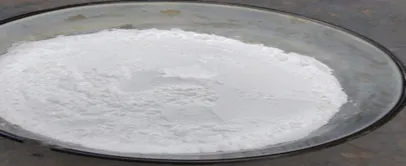
Fig.1:-Rice Starch
Common Name:- Indian rice, Asian rice
Biological Name:- Oryza sativa
Family:-Poaceae
Chemical Constituents:-Protein, starch, lipids, dietary fiber, vitamins and minerals.
Uses
Antiaging
Exfoliation
Skin brightness
Moisturising agent
B. Aloe Vera
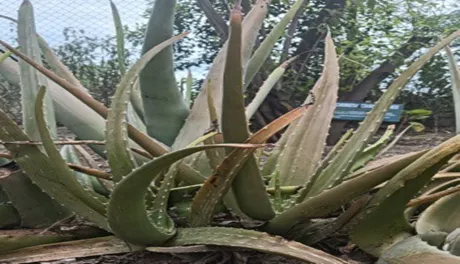
Fig.2:- Aloe vera
Common Name:- AloeVera
Biological Name:- Aloe Barbadensis mill
Family:- Asphodelaceae (Liliaceae)
Chemical constituents:-Aloe vera contents 75 potentially active constituents vitamins, enzymes, lignin, saponins, salicylic acids and amino acids, sugars.
Uses:
Anti-microbial
Anti-inflammatory
Moisturising the skin
C.Vitamin E
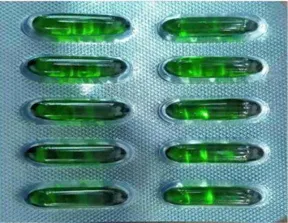
Fig.3:- Vitamin-E
Common Name:- Alpha tocopherol
Biological source:-Obtain from plant oil such as repeseed (vegetable oil)
Family:- Asphodelaceae (Liliaceae)
Chemical constituents:- Alpha, beta, gamma, delta tocopherol alpha, beta, gamma delta tocotrienol.
Uses
Anti-oxidants
Moisturizing skin
D.Coconut Oil
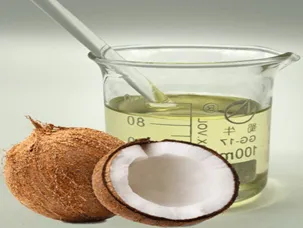
Fig.4:-Coconut oil
Common Name:- Cocas nucifera
Biological Source:- Obtain from the dried solid part of endosperm of coconut,coco nurifera.
Family:- Palmae
Chemical constituents:- Capric acid, Lauric acid, Palmitic acid
Uses
Anti-inflammatory
Analgesic
Anti-microbial [9]
Extraction Process of Starch
1.Cleaning and soaking:- Cleaning the rice to get rid of any impurities like dirt, dust,stones, or other foreign objects is the first stage in the extraction of rice starch.The rice is subsequently immersed in water for an extended period to soften the grains. This step is essential to ensure that the starch can be readily extracted from the grains.
2.Grinding:- After the rice has been soaked, it is milled or blended into a fine powder. To create slurry, the paste is combined with water.During the grinding process, the rice grains are broken down, liberating starch granules that are then dispersed within the slurry.
3.Seperation:- The starch and protein in the slurry then divided into two groups. By permitting the slurry to settle, the denser starch and protein particles descend to the base while the lighter ones rise to the surface. The pH and temp pf the composition of the slurry can be altered to improve the separation process.
4.Washing:-After that,the starch is thoroughly to get rid of any left over protein fragments.To accomplish this, introduce water to the starch and allow it to settle. Subsequently, after the water is drained, what remains is the starch. The purification of the starch is enhanced through the rinsing procedure, aiding in the elimination of impurities.
5.Drying:- The drying of the starch completes the extraction process.The typical method for drying the starch involves either using an oven or spreading it out on a flat surface and allowing it to dry naturally in the air.The starch can be pounded into a fine powder and utilized in avariety of food products once it has dried.To improve the starchs shelf life and get rid of remaining moisture, drying, crucial.[30]
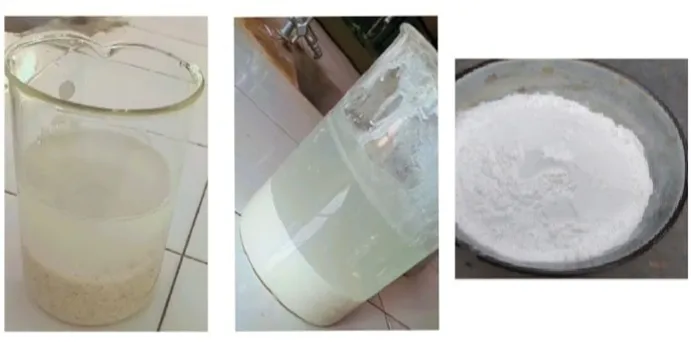
Fig.5:- Rice soak in water. Fig.6:-Seperation of Rice starch from water. Fig.7:- Starch
Extraction Process of Aloe Vera Gel
1.Harvesting:- Harvesting the aloe vera leaves is the first stage in the extraction process.For gel extraction, only full grown leaves that are at least 3- 4 years old should be utilized.
2.Washing:-After harvesting, the leaves are meticulously washed to eliminate any dirt or debris, effectively purging the impurities.
3.Peeling:- A sharp knife or peeler is used to remove the leafs outer coat. Aloin, a yellowish liquid present in this layer, possesses a strong flavor and could potentially cause stomach irritation.
4. Filleting :-Involves extracting the gel contained within the leaves.Cutting the leaves lengthwise and using a spoon or knife to scrape out the gel are steps in filleting process.
5.Straining:-After that thegel is squeezed to get rid of any bitsof fibror leaf
6..Stabilization:- A natural preservative, such as Vitamin C or Citric acid, is added to the gel to solidify it. This keeps the gel fresh longer and increases its shelf. [10]
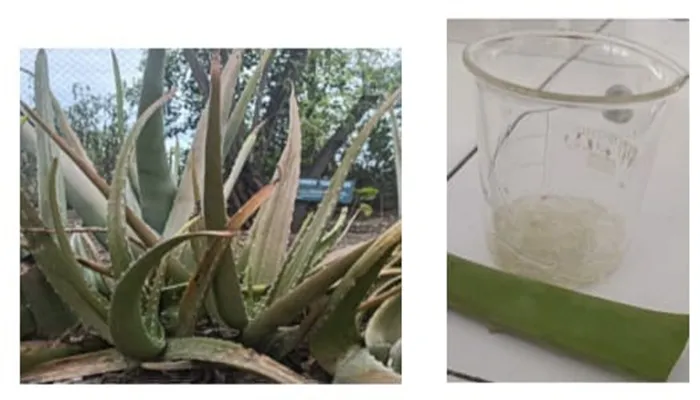
Fig.8:-Extraction of Aloevera Gel
Extraction Process of Coconut Oil
1.Choose mature coconuts to produce enough coconut oil.Cut the coconut and grate the coconut meat.
2.Collect all the necessary materials and equipments such as mixing bowls,cheese cloth, spoon.
3.Sterilize all the material needed.
4.Put the grated coconut meat into a bowl and add the 2L of water.Use your hands to squeeze the pulp for 20-30 min.
5.Put a handful in a piece of cloth.
6.Wrap the coconut meat ans start squeezing the cloth inside another basin.The goal is to behind bone dry flakes and extract all the liquid.Repeat this until all the meat is squeezed dry.
7.After extracting,filter/strains the coconut milk to remove the solid present.The filtered coconut milk is then transferred to a wide mouth container and allowed to settle.
8.Cool the coconut milk in refrigerator for 48 hours.This solidify the layers.The bottom layer is the murky water,the middle layer is coconut oil,followed by top layer of curd or cream.
9.Skim off the top layer of curd/cream.
10.Scoop the floating oil and filter the oil by using filter paper.Allow extra moisture to evaporate by covering with a bit of plastic with hole for air to escape.
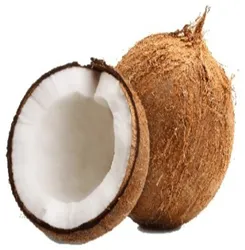
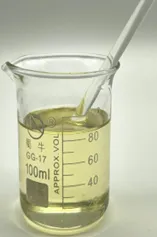
Fig.9:- Extraction of Coconut Oil
Methods Of Preparation Of Herbal Rice Starch
Cream
1) Preparation of the oil phase:- Powder ingredients sometime dry blended and melt are dispersed into mineral oil or silicone oil. Heating may be required to ingredients.
2)Hydration of aqueous phase ingredients:- Emulsifiers, thickness and stabilizers are dispersed into water in a separate vessel. Applying heat may be necessary to speed up the hydration process.
3) Forming the Emulsion:- The two phases are blended under vigrorous agitation to form the emulsion.
4)Dispersion of the Active Ingredient:- As the active ingredients typically constitute a minor portion of the formulation, it is crucial to effectively disperse them to optimize yield and the efficacy of the product.[30]
Procedure of Rice Starch Face Cream
1.In a borosilicate glass beaker, heat liquid paraffin and beeswax to 75 °C and keep it there throughout the heating process (Phase oil).
2.Borax and Liquid paraffin should be dissolved in distilled water and heated in a separate beaker to produce a clear solution.Phase of water.
3. The heated oily phase will then gradually receive this watery phase.
4.Then incorporate a precise amount of Aloe Vera gel, rice extract (starch), and vigorously stir until a creamy cream appears.
5.Then,as a fragrance, add a few drops of rose oil.Place this cream on the surface and,if necessary,add a few drops of distilled water.
6.Then, mix the cream geometrically on the slab to give it a smooth texture and ensure that all the elements are thoroughly combined. Slab technique or extemporaneous cream preparation is the name of this technique.
Formula:
Table.2:- Ingredients used in Rice Starch Face Cream
|
Sr.no |
Ingredients |
F1 |
F2 |
F3 |
Uses |
|
1. |
Aloe vera extract |
2.5ml |
3.6ml |
3.4ml |
Anti-acne, Skin aging, Sun burns, Moisturising agent |
|
2. |
Rice Starch |
2g |
2g |
2g |
Anti-aging,Moisturizing, Skin brightening |
|
3. |
Liquid paraffin |
0.05g |
0.05g |
0.03g |
Anti-bacterial agents,Preservative |
|
4. |
Vitamin-E |
1ml |
1ml |
1ml |
Anti-inflammatory |
|
5. |
Beeswax |
4g |
3.6g |
3.2g |
Emulsifier, thickener |
|
6. |
Coconut oil |
Q.S |
Q.S |
Q.S |
Anti-microbial |
Evaluation of Rice Starch Face Cream
Evaluation of Herbal Starch Face Cream was following.Physical Evaluation formulated herbal cream was further evaluated by using the following parameters.
Colour:-The colour of cream was observed by visual examination was white.
Odour:- The creams scent was observed to possess distinctive characteristics.
Consistency:-The formulation was examined by rubbing cream on hand manually.The cream having soft consistency.
State:- The state of cream was examine visually.The cream was solid in state result.
Determination of pH of the Cream:-The pH meter was calibrated using standard buffer solution.About 1gm of the cream was weighted and dissolved in100ml distilled water and its pH was measured.
Viscosity:-Viscosity of the formulation was determined by using Brookfield viscometer at a temp 37degree Celsius and spindle no.52 at 100rpm.
Homogeneity:- The formulations underwent assessment for homogeneity through visual inspection and tactile examination.
Spread ability:- Spreadability is carried out for formulation. The less time take for the separation of both slide better the spreadability.
Greasiness:-This test is basically used to check nature of cream either oily or greased.The formulation was Non-greasy.
Irritancy test:- Designate a region measuring 1 square centimeter on the dorsal surface of the left hand for the irritancy test.The cream was applied to the Specified area and checked if any for regular intervals up to 24hrs and time was noted. Irritancy, erythematic, oedema, was tested temperature away from sunlight and observed for 24 hours for phase.
Phase separation:- Prepared cream is kept in tightly closed container at room temperature away from sunlight and observed for 24hrs for phase.
Washability:-Wash ability test was carried out by applying small amount of cream on the hand and then washing it with tap water. Formulation was washable.
Stabilty test:- In the mechanical test cream samples were inserted into centrifuge tube at a speed of 3750 RPM for half and hour or 5000 to 10000 RPM for 15 minutes then obsereved whether separation exist or not. There was no separation.
Rheological studies:-The formulated cream was found to be non- Newtonian. Take a fixed quantity. 10gms of cream in a 10ml beaker . Keep it impact for 1 hr. The beakerwas inclined the one
side see whether the cream is liquefied or not. Beaker is shaken toand for continuous mns. Subsequently, an assessment was conducted to determine if there had been any alterationin consistency. The beaker was once more tilted and inspected for changes pour ability of the cream.[30]
Table.3:- Evaluation table of Herbal Rice Starch Face Cream
|
Sr.no |
Parameters |
Result |
|
|
Colour |
White |
|
|
Odour |
Characteristics |
|
|
State |
Semi-solid |
|
|
Consistency |
Smooth |
|
|
pH |
6.8 |
|
|
Spredability |
7.5gm/cm |
|
|
Washability |
Easily washable |
|
|
Non-irritancy test |
Non-irritent |
|
|
Viscosity |
25379(cps) |
|
|
Phase seperation |
No phase separation |
|
|
Dye test |
Oil/water typeofemulsion |
|
|
Greasiness |
Non-greasy |
|
|
Stability test |
No separation occurs |
RESULT AND DISCUSSION
The current study focused on formulating and assessing a natural face cream. Result parameters included the physical evaluation of the cream and its pH levels 6.8,Spredability,Washability,Non irritancy test, Viscosity and Phase separation of the natural rice starch face cream. As an o/w type emulsion, this cream formulation could be easily rinsed off with plain water post-application. Cream does not show any type of non-greasy in nature and easily removable after application.The formulation was non-irritant and not harm to the skin.[28]
1.Evaluation of physical characteristics
Table 4: Evaluation of physical characteristics
|
Sr.no |
Characteristic |
F1 |
F2 |
F3 |
|
1. |
Colour |
White |
White |
White |
|
2. |
Odour |
Pleasant |
Pleasant |
Pleasant |
|
3. |
State |
Semisolid |
Semisolid |
Semisolid |
|
4. |
Consistency |
Smooth |
Smooth |
Smooth |
2.pH testTest
Table 5: pH test
|
S.No |
Formulation |
pH |
|
1. |
F1 |
6.8 |
|
2. |
F2 |
6.0 |
|
3. |
F3 |
5.9 |
3. Viscosity Test
Table 6:- Viscosity test
|
s .No |
Formulation |
Viscosity |
|
1. |
F1 |
23771 |
|
2. |
F2 |
24389 |
|
3. |
F3 |
25379 |
4.Phase Separation
Table 7: Phase Seperation
|
S.No |
Formulation |
Phase Separation |
|
1. |
F1 |
Slight phase Separation |
|
2. |
F2 |
No phase separation |
|
3. |
F3 |
No phase separation |
5 . Spreadability Test
|
S.No |
Formulation |
Results |
|
1. |
F1 |
12.8g.cm/s |
|
2. |
F2 |
7.5g.cm/s |
|
3. |
F3 |
10.16g.cm/s |
6 . Washability Test
Table 9: Washability test
|
S.No |
Formulation |
Washability |
|
1. |
F1 |
Not easily washable |
|
2. |
F2 |
Easily washable |
|
3. |
F3 |
Easily washable |
7 . After feel Test
Table 10: After feel test
|
S.No |
Formulation |
After feel test |
|
1. |
F1 |
Good |
|
2. |
F2 |
Good |
|
3. |
F3 |
Good |
8. Irritancy Test
Table 11: Irritancy test
|
S.No |
Formulation |
Results |
|
1. |
F1 |
Non-irritancy |
|
2. |
F2 |
Non-irritancy |
|
3. |
F3 |
Non-irritancy |
9. Greasiness Test
Table 12: Greasiness test
|
S.No |
Formulation |
Gresinesss |
|
1. |
F1 |
Non-greasy |
|
2. |
F2 |
Non-greasy |
|
3. |
F3 |
Non-greasy |
10 . Stability Test
Table 13: Stability test
|
S.No |
Formulation |
Stability |
|
1. |
F1 |
No separation |
|
2. |
F2 |
No separation |
|
3. |
F3 |
No separation |
SUMMARY AND CONCLUSION
The present study was to point out with the object of preparing the Herbal Rice Starch face cream. The extracts of Aloe vera,Starch, Coconut oil in different ratios to get multipurpose effect such as whitening, anti-wrinkle, anti-aging and sunscreen effect on skin. As we know it is not possible to increase the extent efficiency of medical cosmetics property single plant extract, but by combining the different plant extract. It can be possible to increase the efficacy of extracts.In this regard, we mixed the extract of Aloe Vera, Starch, Vitamin-E, coconut oil to improve as efficiently synergizing the cosmetic properties of the prepared products enhances their overall performance when compared to their individual attributes. Natural Face cream gives Good result.
All ingredients used to formulate Herbal Rice Starch Face Cream are safer and their use can greatly reduce the skin ageing and skin elasticity.
• .The Herbal Rice Starch Face Cream show the good physical appperance with white colour smooth consistency,pleasant odour.
• The pH of formulation was found to be 6.8.
• The viscosity of the formulation was found to be 25379cps
REFERENCES

Nivedita Dhokane, Dr. Jyoti Wagh, Kalyani Tambe, Kunal Rewale, Mangesh Pawar, Formulation and Evaluation of Rice Starch Face Cream, Int. J. of Pharm. Sci., 2026, Vol 4, Issue 5, 6792-6804, https://doi.org/10.5281/zenodo.20392214
 10.5281/zenodo.20392214